To cope with spasticity daily, set up a safe, clutter-free space with comfy lighting and necessary tools within reach. Incorporate gentle, controlled stretches targeting key muscles like hamstrings, calves, and shoulders, holding each for 15-30 seconds. Stay consistent with your routine, tracking progress to adjust as needed. Combining stretches with relaxation, heat therapy, and good hydration can improve relief. Keep exploring for more tips to make your routine effective and sustainable.

Turn quiet afternoons into listening time
- Thousands of audiobooks, podcasts and originals
- Listen on your phone, tablet or Echo — also offline
- Cancel anytime
Key Takeaways
- Establish a consistent daily routine focusing on slow, controlled stretches targeting key muscle groups like hamstrings and calves.
- Create a safe, clutter-free environment with proper lighting and supportive flooring to perform stretches comfortably.
- Hold each stretch for 15-30 seconds, avoiding overstretching, and track progress to adjust routines as needed.
- Incorporate complementary techniques such as heat therapy, massage, and relaxation exercises to enhance flexibility and reduce tension.
- Maintain patience and consistency, understanding that gradual improvements in spasticity management require steady effort over time.
As an affiliate, we earn on qualifying purchases.
Understanding Spasticity and Its Impact on Daily Life
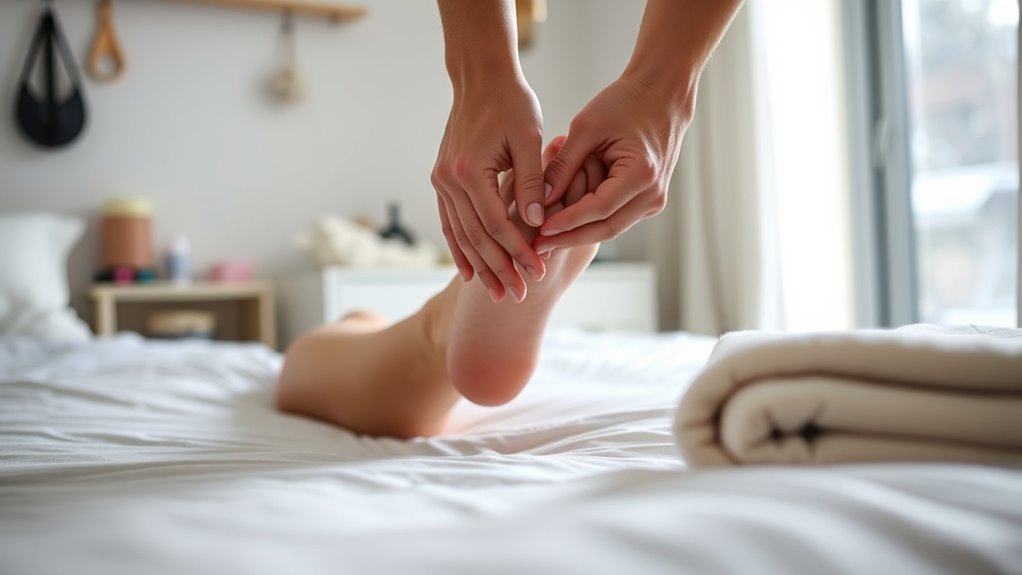
Have you ever noticed how muscle stiffness or tightness can suddenly interfere with your daily routines? That’s spasticity at work—a condition where your muscles involuntarily tighten or spasm, making movement difficult. It often results from nerve damage or neurological conditions like multiple sclerosis or stroke. This tightness can limit your mobility, affect balance, and cause discomfort or pain. You might find it hard to perform simple tasks like walking, dressing, or even holding objects. Spasticity isn’t just about stiffness; it can also lead to joint deformities if left unmanaged. Understanding how it impacts your body and daily life is the first step toward managing symptoms better. Recognizing these patterns helps you take proactive steps to improve your quality of life. Regular stretching and proper management strategies are essential in reducing the severity of symptoms and maintaining mobility. Incorporating automation technologies into treatment plans can also provide personalized support for managing symptoms effectively. Additionally, consulting with healthcare providers about therapeutic interventions can optimize your approach to symptom control. Being aware of muscle spasm triggers can further help in developing tailored strategies to prevent episodes and enhance daily functioning. Staying informed about advanced treatment options can offer new hope for improved management and symptom relief.
Preparing Your Space and Equipment for Effective Stretching
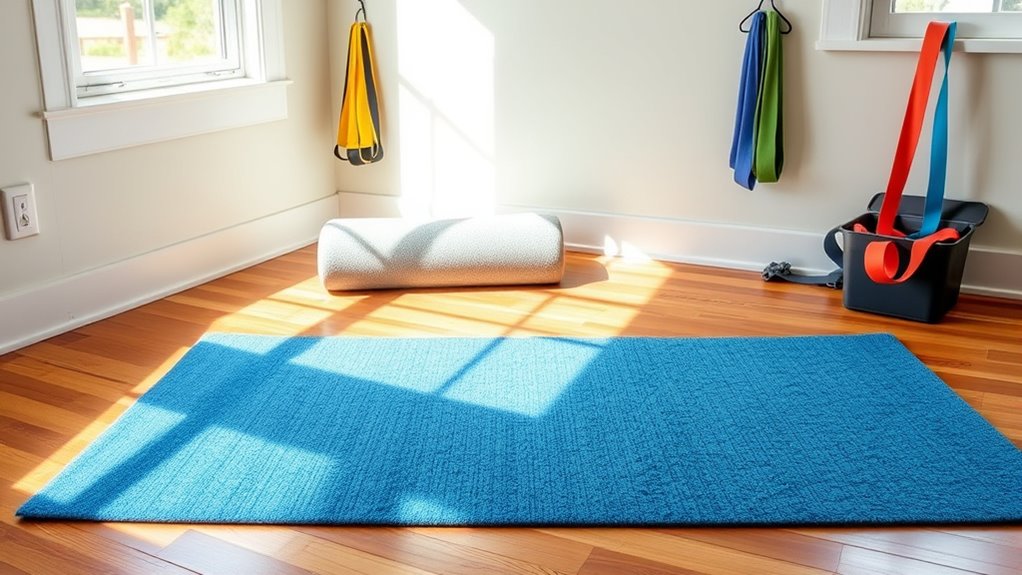
Start by clearing a dedicated space where you can stretch safely and comfortably. Gather all the tools and props you’ll need, like straps or cushions, to support your routine. Make sure your environment is cozy and free of distractions to help you focus on your stretching session. Creating a supportive environment can also empower your confidence during your routine.
Clear Stretching Area
Creating a clear and organized stretching area is essential for safe and effective sessions. A tidy space minimizes distractions and reduces the risk of accidents. Make sure your area is free of clutter, sharp objects, and obstacles. Use a comfortable, non-slip surface for stability. Good lighting helps you see your movements clearly and avoid misalignments. Keep your equipment nearby but out of the way when not in use. Consider the following setup:
| Aspect | Tips | Benefits |
|---|---|---|
| Floor Surface | Use a non-slip mat or carpet | Prevent slips and falls |
| Lighting | Bright, even lighting | Better visibility for safety |
| Space Size | Enough room to stretch fully | Comfort and full range of motion |
| Clutter-Free Area | Remove unnecessary items | Focus and safety |
| Equipment Placement | Store tools within reach but organized | Easy access and safety |
Gather Necessary Tools
Before beginning your stretching routine, gather all necessary tools and equipment to guarantee a smooth and effective session. Make sure you have items like a comfortable mat or towel to lie on, straps or resistance bands for assistance, and perhaps cushions or pillows for support. If you plan to stretch specific areas, have any helpful aids nearby, such as foam rollers or massage balls. Keep your water bottle within reach to stay hydrated. Organize everything in your designated space so you won’t waste time searching mid-stretch. Having your tools ready helps you stay focused on your movements and ensures you don’t interrupt your routine. Preparing your tools in advance makes your session more efficient and allows you to fully concentrate on your stretching.
Ensure Comfortable Environment
Setting up your environment properly guarantees your stretching session is both safe and effective. Choose a quiet, clutter-free space with plenty of room to move comfortably. Use a flat, non-slip surface like a yoga mat or cushioned carpet to prevent slipping and provide support. Make certain good lighting so you can see your movements clearly. Keep essentials like water, a timer, and any supportive tools within reach, but avoid clutter. Maintain a comfortable temperature—neither too hot nor too cold—to help your muscles relax. Remove any hazards or sharp objects from the area. Setting up a calm, organized space helps you focus, reduces distractions, and makes stretching a safe, consistent part of your routine.
Gentle Stretches to Loosen Muscle Tightness
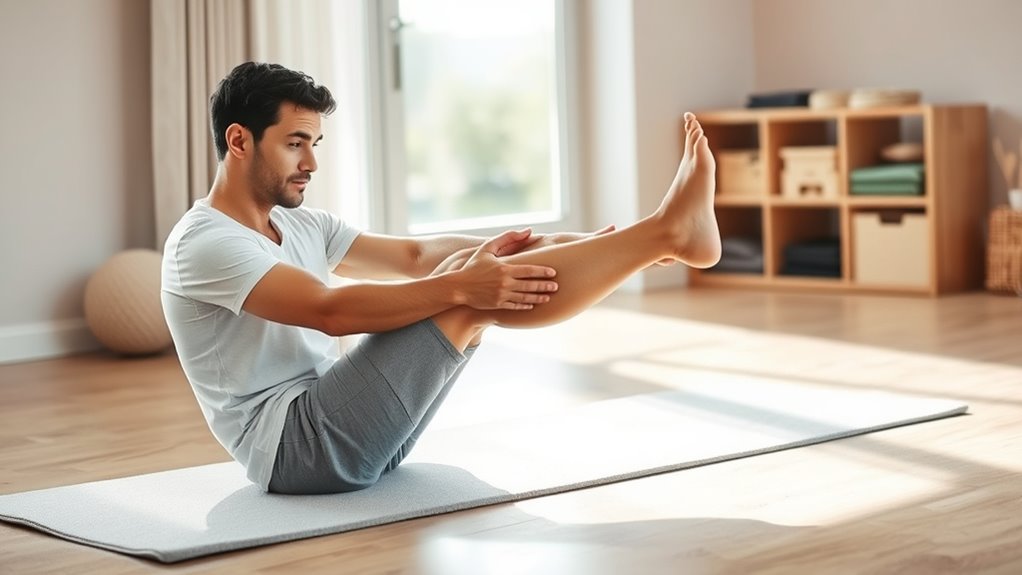
Gentle stretches can be an effective way to reduce muscle tightness caused by spasticity. They help improve flexibility, decrease discomfort, and promote circulation. Focus on slow, controlled movements, holding each stretch for 15-30 seconds without forcing. Consistency is key for noticeable improvement. To deepen your understanding, consider this table:
| Stretch Type | Targeted Area | Benefits |
|---|---|---|
| Hamstring | Back of thigh | Relieves leg tightness |
| Calf | Lower leg | Eases ankle stiffness |
| Shoulder | Upper arm/neck | Reduces neck tension |
Additionally, selecting appropriate stretching techniques can enhance safety and effectiveness during your routine. Incorporating gentle, sustained stretches into daily routines may also help maintain ongoing muscle flexibility and reduce the frequency of spasticity episodes. Regular practice can also support muscle tone management, aiding in overall mobility. Using proper techniques is essential for avoiding injury and maximizing benefits. Implementing a comprehensive stretch protocol that includes various muscle groups can further optimize your results.
Targeted Protocols for Commonly Affected Areas

Are you wondering how to effectively target specific areas affected by spasticity? Focusing on key muscles like your calves, hamstrings, or forearms can make a big difference. For calves, try gentle Achilles tendon stretches by leaning forward with one foot behind you, keeping your heel on the ground. To loosen tight hamstrings, sit on the floor with one leg extended and reach toward your toes. For forearm spasticity, extend your arm and gently bend your wrist back, then use your other hand to assist. These targeted stretches help relax tight muscles and improve flexibility. Remember to move slowly and avoid overstretching. Consistent, focused protocols tailored to affected areas can considerably reduce discomfort and enhance your overall mobility. Incorporating specialized techniques can further optimize your stretching routine and promote better muscle relaxation.
Tips for Maintaining Consistency and Monitoring Progress

To effectively manage spasticity, maintaining consistency in your stretching routine and regularly monitoring your progress are essential. Set a specific schedule, like stretching at the same time each day, to make it a habit. Use a journal or digital app to track your sessions, noting how your muscles feel and any improvements or setbacks. Pay attention to changes in flexibility, pain levels, or muscle tightness. Adjust your routine as needed, but avoid skipping days. Consistency helps your muscles adapt and reduces spasticity over time. Monitoring progress keeps you motivated and allows you to identify what works best for you. Remember, patience is key—results take time, but steady effort will lead to better control and comfort.
Additional Strategies to Complement Your Stretch Routine
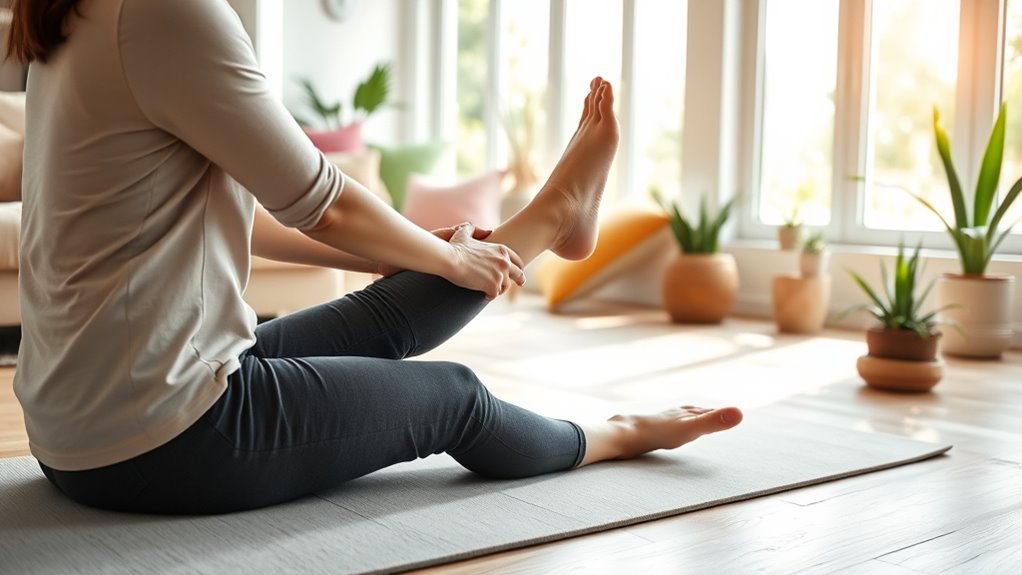
In addition to your regular stretching routine, incorporating other strategies can enhance your spasticity management. Consider applying heat or cold therapy to affected muscles; heat relaxes tight muscles, while cold reduces inflammation. Gentle massage can also improve circulation and ease muscle tension. Practicing relaxation techniques like deep breathing or mindfulness can help decrease overall muscle stiffness by reducing stress. Staying well-hydrated supports muscle function and reduces cramping. Using assistive devices, such as braces or splints, can maintain proper joint alignment and reduce muscle strain. Additionally, air purifiers can improve indoor air quality, potentially reducing respiratory discomfort associated with some spasticity conditions. Proper hydration is especially important because muscle function can be negatively affected by dehydration, leading to increased stiffness. For some individuals, environmental factors such as air quality and temperature can influence spasticity levels, making environmental control beneficial. Maintaining a comfortable indoor environment can help prevent sudden increases in spasticity. Also, make sure you’re getting adequate rest, as fatigue can worsen spasticity. Incorporating dog quotes for reflection and humor can provide mental relief and motivation during your treatment journey. Combining these strategies with your stretches creates a thorough approach, helping you manage symptoms more effectively and improve your overall comfort.
Frequently Asked Questions
How Can I Differentiate Between Spasticity and Muscle Cramps?
To tell apart spasticity from muscle cramps, pay attention to how they feel and behave. Spasticity causes a constant, tight, and resistant feeling in your muscles that worsens with movement. Muscle cramps are sudden, painful, involuntary contractions that often resolve quickly. If you notice ongoing tightness, it’s likely spasticity, but if you experience sharp pain and quick relief, it’s probably a cramp. Recognizing these differences helps you manage your symptoms effectively.
Are There Specific Signs Indicating When to Stop Stretching?
You’re asking when to stop stretching, and it’s vital to listen to your body. If you feel intense pain, sharp or stabbing sensations, or if your muscles suddenly tighten like a steel trap, it’s time to stop. Mild discomfort is normal, but don’t push through unbearable pain. When you notice increased spasticity or swelling, pause immediately. Always stretch gently, and consult your healthcare provider if unsure.
Can Stretching Worsen Spasticity or Cause Injury?
Stretching can sometimes worsen spasticity or cause injury if you push too hard or stretch beyond your comfort zone. Always listen to your body and avoid forcing movements that cause pain or excessive tension. Start gently, hold stretches comfortably, and stop if you feel any sharp pain or increased tightness. Consulting with a healthcare professional helps you develop a safe routine tailored to your needs, reducing risks.
What Should I Do if I Experience Increased Discomfort During Stretches?
If you experience increased discomfort during stretches, stop immediately to prevent injury. It’s important to listen to your body and avoid pushing into pain. Try easing up on the stretch or adjusting your position for comfort. You might also consider applying heat or cold to soothe muscles or consulting your healthcare provider for personalized guidance. Remember, gentle, consistent stretching is key to managing spasticity safely.
How Do I Adjust Stretches for Different Age Groups or Severity Levels?
Oh, sure, just like everyone’s body is the same, right? When adjusting stretches for different ages or severity levels, you adapt your approach. For kids, use gentle, playful movements; for adults with severe spasticity, opt for slow, controlled stretches. Always listen to your body, avoid pushing too hard, and consult a healthcare professional if you’re unsure. Flexibility is key, but safety comes first.
Conclusion
By embracing these gentle routines, you gently guide your body toward harmony, allowing movement to become a trusted friend rather than a distant hope. Remember, patience and consistency are your quiet allies, helping you navigate the delicate dance of progress. With time, what once felt like a stubborn obstacle can soften into a graceful rhythm, revealing a renewed sense of control and peace within your daily journey.
Halloween Picks
halloween
As an affiliate, we earn on qualifying purchases.