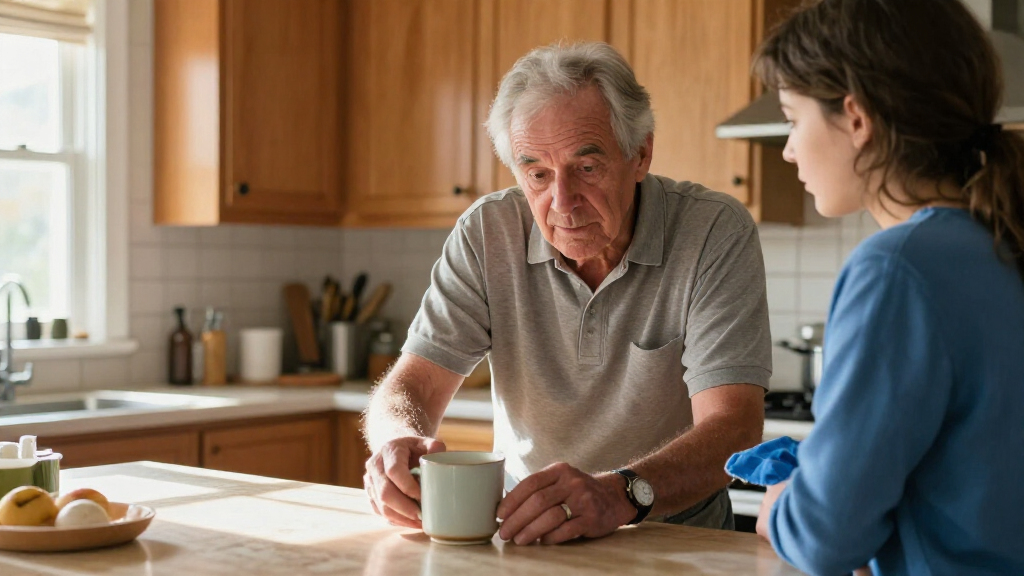
A study of 111 people with behavioral-variant frontotemporal dementia linked lower conscientiousness to greater difficulty with everyday activities.
Browsing Category
Practical Support
759 posts
Targeting Brain Cleaning Gene Could Help Treat Or Prevent Alzheimer’s
A UVA mouse study links the Alzheimer’s risk gene CASS4 to microglia that contain amyloid plaques, but human treatment potential remains unproven.
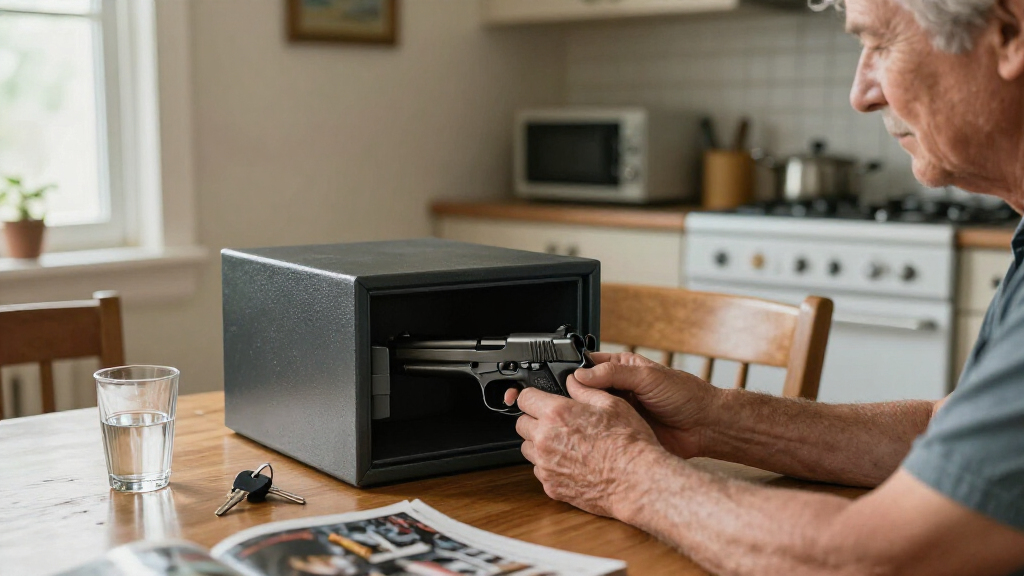
When A Gun Owner Shows Early Signs Of Dementia
Research highlights firearm access and storage risks for older adults with memory problems, and supports early, collaborative safety conversations.
Common Overactive Bladder Drugs May Not Increase Dementia Risk
A study of 830,393 adults with overactive bladder found similar dementia rates across anticholinergic and beta-3 agonist drugs.
Taking A Heartburn Pill Or A Water Pill? Ask About Your Magnesium
NIH guidance links long-term use of certain heartburn and diuretic medicines to low magnesium and advises patients to discuss testing with clinicians.
Memory Problems May Matter More Than Slower Thinking For Dementia Risk In Frail Adults
A 10-year English cohort study found memory impairment was associated with later dementia among frail adults, but the findings do not establish causation.
A New Framework For Safe, Patient-centered Prescribing Of Obesity Medications In Older Adults
The American Geriatrics Society outlines how clinicians can assess risks and support older adults prescribed obesity medications, including GLP-1 drugs.
Understanding Posterior Cortical Atrophy: When Dementia First Affects Vision
A Being Patient report describes how posterior cortical atrophy affects visual processing, why diagnosis can take time and what support may help.
Residential Greenery Linked To Lower Dementia Risk In Older Adults
A 16-year Swedish study found more vegetation near older adults’ homes was associated with a 20% lower dementia risk, but does not prove cause.
Discharge Day: Where Dementia Care Can Fall Through The Cracks
A 2024 study of dementia care transitions points to gaps in caregiver training, discharge planning and support after patients return home.