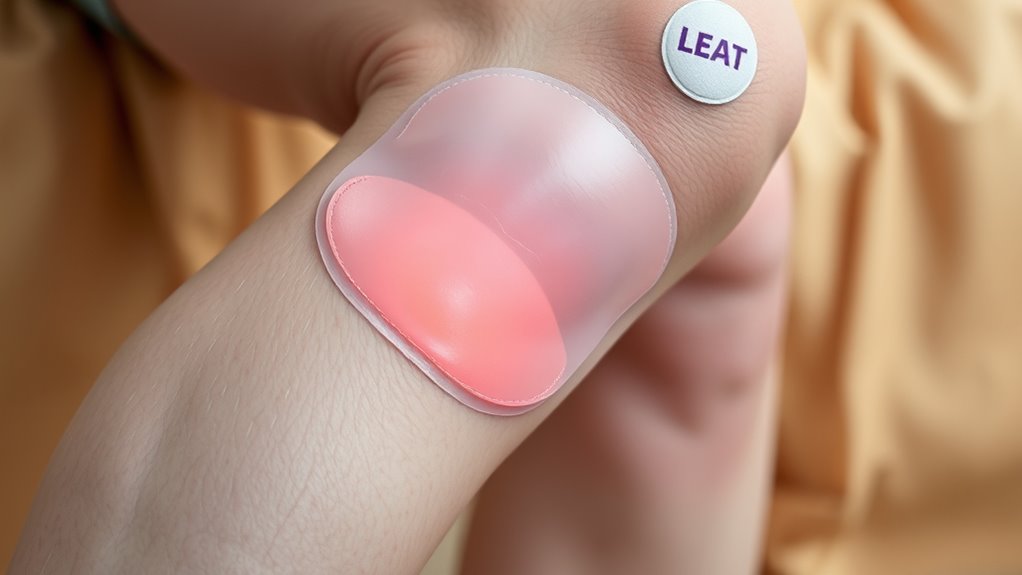

Heat therapy patches can effectively ease knee arthritis pain by delivering gentle, targeted warmth that relaxes muscles, improves blood flow, and reduces stiffness. They help soothe aching joints and may boost natural pain relief. While they offer quick, convenient relief, they aren’t a cure and should be used carefully to avoid skin irritation. To discover how to get the safest, most effective relief, explore more about these helpful options.
Key Takeaways
- Heat therapy patches deliver controlled warmth that penetrates deep into tissues, relaxing muscles and easing joint stiffness.
- They promote increased blood flow, which can reduce pain and support healing in knee arthritis.
- Studies suggest heat therapy can effectively decrease arthritis pain and improve mobility when used correctly.
- Proper application and duration are essential to prevent skin irritation or burns, especially for sensitive areas.
- While helpful for symptom relief, heat patches do not treat the underlying cause of knee arthritis or replace medical care.
knee arthritis heat therapy patches
As an affiliate, we earn on qualifying purchases.
As an affiliate, we earn on qualifying purchases.
Understanding How Heat Therapy Patches Work
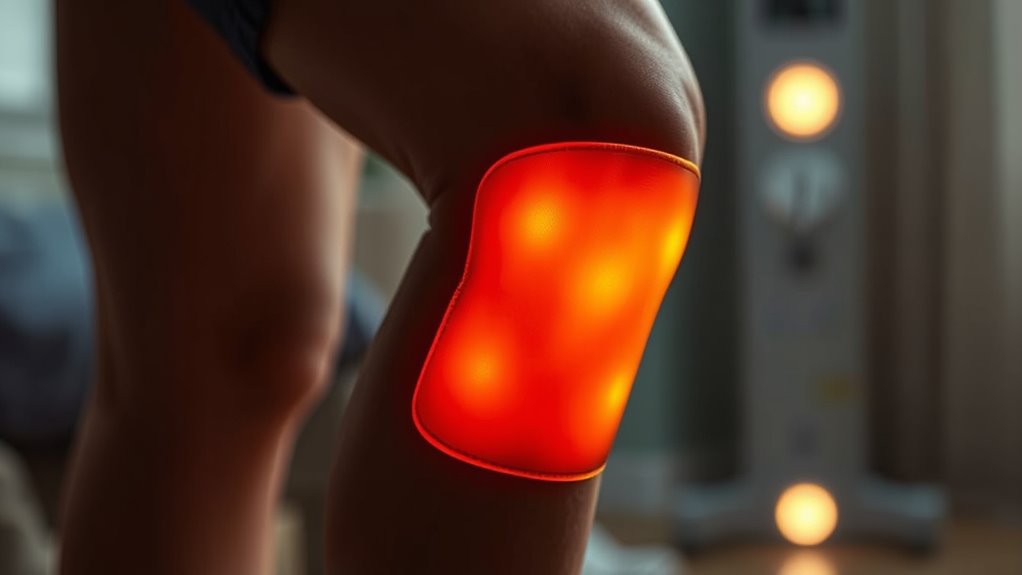
Heat therapy patches work by delivering controlled warmth directly to the affected area, helping to relax muscles and improve blood flow. When you apply a patch, it generates gentle heat that penetrates deep into the skin, soothing stiff or sore muscles around your knee. This warmth reduces muscle tension and alleviates stiffness, which can make movement easier. Increased blood circulation brings more oxygen and nutrients to the tissues, promoting healing and reducing pain. Unlike other treatments, heat patches are easy to use and provide consistent heat over an extended period. They can be worn discreetly during daily activities, allowing you to manage discomfort without interruption. By promoting relaxation and circulation, heat therapy patches offer a simple, effective way to ease joint pain. Additionally, understanding how heat therapy works can help you make informed decisions about managing knee arthritis effectively. Knowing about circulation enhancement can also maximize the benefits of heat therapy for pain relief. Furthermore, selecting the right application method ensures optimal heat transfer and comfort during use. Incorporating proper application techniques can further improve the effectiveness of heat therapy patches.
adhesive heat patches for joint pain
As an affiliate, we earn on qualifying purchases.
As an affiliate, we earn on qualifying purchases.
The Science Behind Heat and Joint Pain Relief
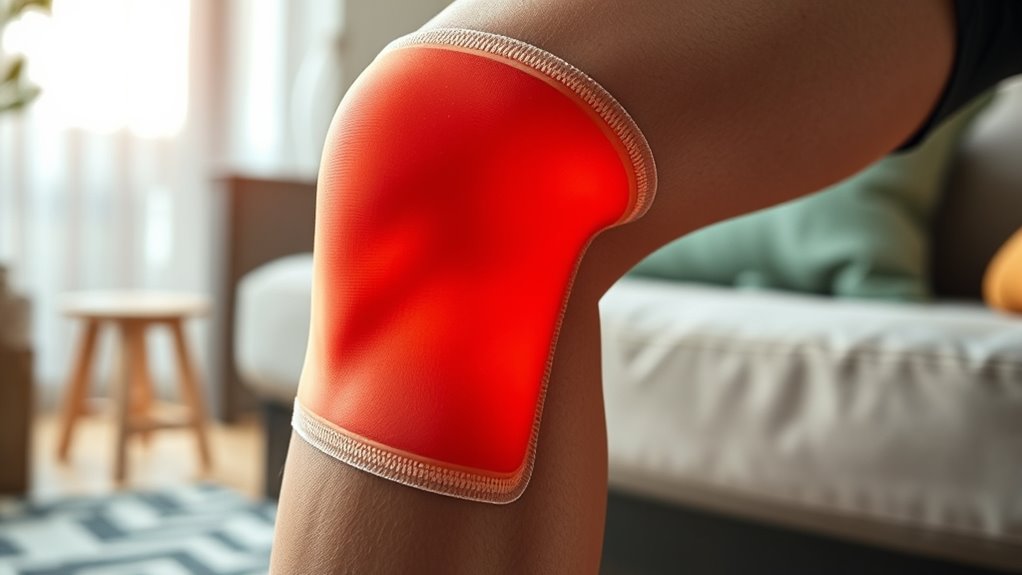
When heat is applied to sore joints, it triggers a series of biological responses that help reduce pain and stiffness. Heat increases blood flow to the affected area, delivering oxygen and nutrients that promote healing. It also relaxes muscles around the joint, decreasing muscle tension and spasms. Additionally, heat stimulates sensory receptors in your skin, which can block pain signals from reaching your brain, providing relief. The warmth also helps loosen stiff tissues, improving mobility. These combined effects make heat therapy effective for easing joint discomfort. Your body’s response to heat creates a more comfortable environment, allowing you to move more freely and with less pain. Proper application methods ensure the safety and effectiveness of heat patches, preventing burns or skin irritation. This biological process explains why heat patches can be a beneficial tool for managing knee arthritis symptoms.
heat therapy patches for knee pain relief
As an affiliate, we earn on qualifying purchases.
As an affiliate, we earn on qualifying purchases.
Types of Heat Therapy Patches Available
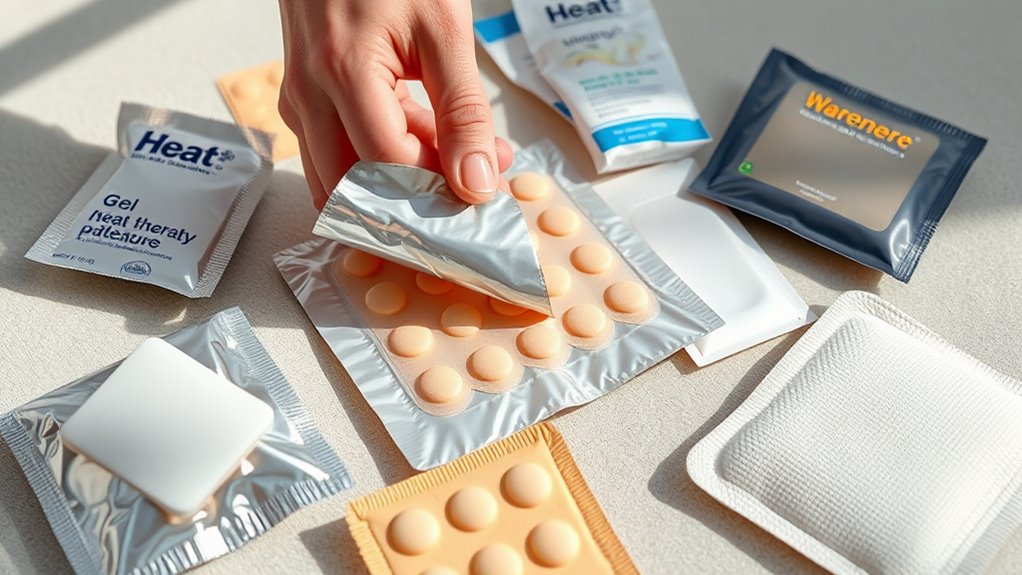
When choosing a heat therapy patch, you’ll notice options like adhesive patches and wraps, each offering different levels of convenience and coverage. You can also select from various heating element types, such as chemical packs or electric devices. Understanding these differences helps you find the most effective solution for your needs. Additionally, considering organization and storage options can ensure you keep your supplies accessible and well-maintained. Proper product safety practices can prevent misuse and maximize the benefits of heat therapy patches. Recognizing the importance of effective communication can also help you troubleshoot issues with your patches and get the most benefit from their use. Incorporating diverse designs from available options can further enhance your comfort and experience with heat therapy. As technology advances, the integration of automation features in some patches may improve their ease of use and effectiveness.
Adhesive vs. Wraps
Choosing between adhesive patches and wraps depends on your specific needs and preferences. Adhesive patches stick directly to your skin, offering targeted heat where you need it most. They’re discreet, easy to apply, and stay in place without additional support. However, some people find they can cause skin irritation or may not adhere well if your skin is sweaty or oily. Wraps, on the other hand, are fabric or elastic bands that you wrap around your knee. They provide a more adjustable fit and can cover larger areas, making them ideal if you want to heat a broader region. Wraps are reusable and often more comfortable for extended wear, but they may shift during movement and require more effort to secure properly. Your choice depends on comfort, convenience, and the area you want to treat.
Heating Element Types
Heat therapy patches come with a variety of heating elements, each designed to deliver consistent warmth and meet different needs. Some patches use chemical reactions that generate heat when exposed to air, providing several hours of relief. Others feature electrical heating elements powered by small batteries, allowing adjustable temperature control. There are also gel-based patches that activate when exposed to air, offering portable, mess-free warmth. Infrared patches use embedded technology to penetrate deeper into tissues, providing targeted relief. Each type varies in duration, temperature, and ease of use, so you can choose the one that best fits your activity level and comfort preferences. Understanding these options helps you select a patch that effectively alleviates knee pain while fitting seamlessly into your routine.
moist heat patches for arthritis
As an affiliate, we earn on qualifying purchases.
As an affiliate, we earn on qualifying purchases.
Benefits of Using Heat Patches for Knee Discomfort
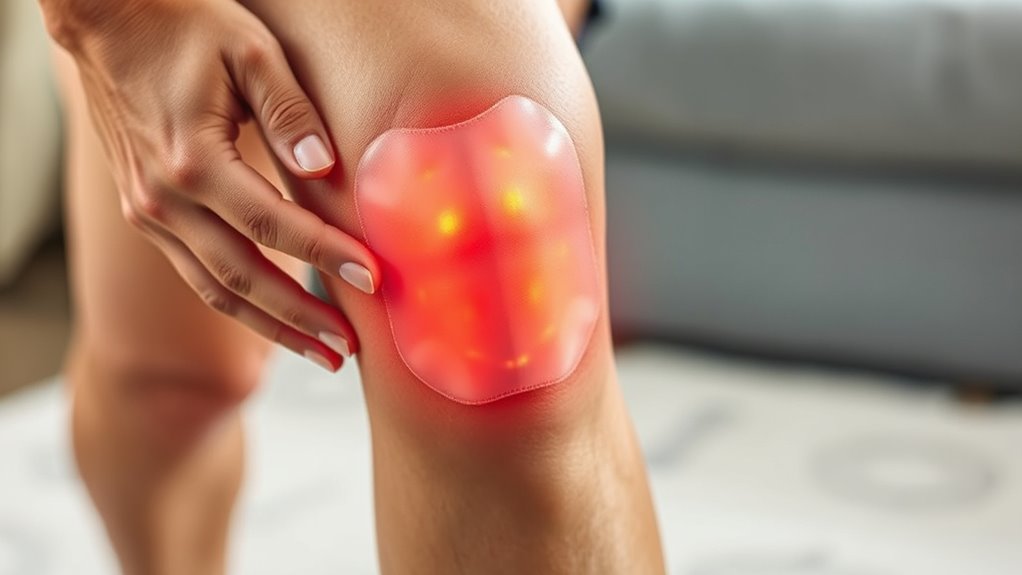
Ever wonder how heat patches can provide quick relief for knee discomfort? When you apply a heat patch, it promotes blood flow to the affected area, helping to relax tense muscles and reduce stiffness. The gentle warmth can soothe aching joints, easing pain and improving mobility. Heat therapy also triggers the release of endorphins, your body’s natural painkillers, offering additional relief. Since heat patches are easy to use and discreet, you can wear them during daily activities or even at work. They provide consistent, targeted warmth without the mess of traditional heating methods. This makes them a convenient option for managing knee discomfort on the go. Additionally, understanding the cultural nuances can help you appreciate how different practices and beliefs influence health treatments across communities. Using heat patches can be particularly beneficial because they are a non-invasive treatment option that can be used safely at home. Overall, heat patches can be an effective way to temporarily lessen pain and improve your comfort. The application process for heat therapy patches is straightforward, making them accessible for many users seeking quick relief.
Limitations and Potential Risks of Heat Patches
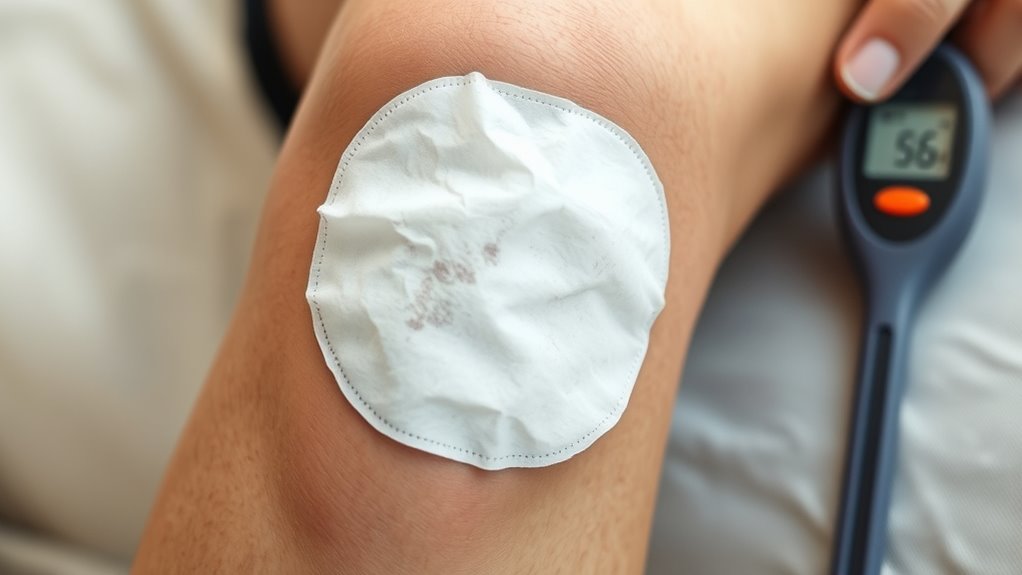
While heat patches can offer quick relief for knee discomfort, they also come with certain limitations and risks. You might find that heat patches aren’t suitable for all types of knee pain or for long-term use. Overuse can lead to skin irritation, burns, or blisters, especially if you leave them on too long or use high heat settings. People with poor circulation or numbness should avoid heat therapy altogether, as they might not feel if the patch is causing damage. Additionally, heat patches are not a cure and won’t address underlying issues. Gold IRA Rollovers can diversify your retirement portfolio, but they are not a substitute for proper medical treatment or addressing root causes of pain. Skin irritation or burns, as well as the risk of overheating or burns if left unattended, are common concerns. Proper application techniques are crucial to minimize these risks. It is also important to consider that some skin sensitivities may increase the likelihood of adverse reactions. Recognizing that heat therapy has certain limitations, it is essential to use these patches cautiously and under guidance if necessary, especially for those with pre-existing conditions or heightened sensitivity. Unsuitable for people with certain medical conditions, heat patches should be used with caution and under guidance if necessary.
Comparing Heat Patches to Other Arthritis Treatments
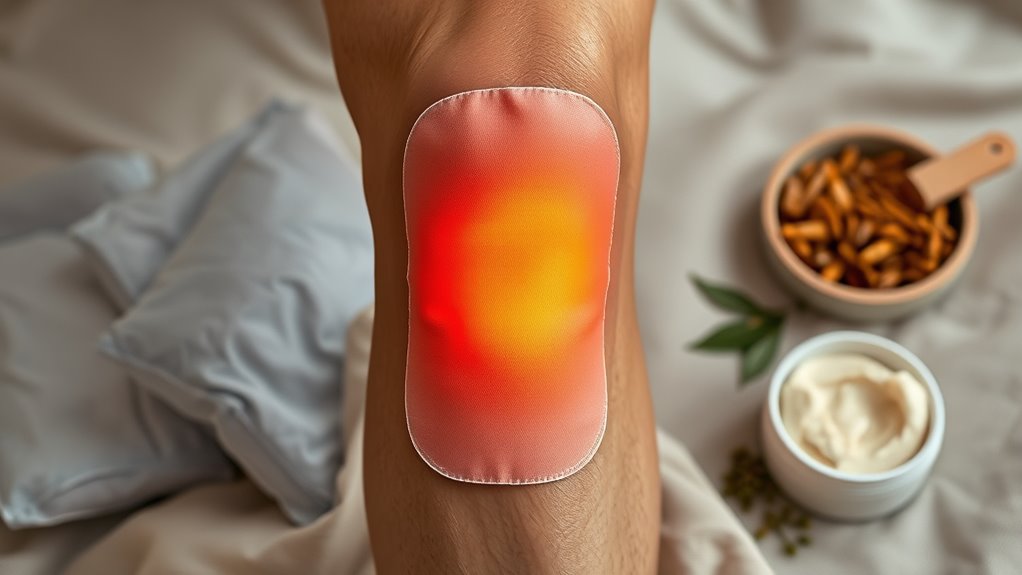
When considering arthritis relief options, it’s important to compare heat patches with other treatments to find what works best for you. Heat patches provide targeted, sustained warmth that can help relax muscles and reduce joint stiffness. Compared to oral medications like NSAIDs, heat patches offer a localized approach with fewer systemic side effects. Physical therapy and exercise improve joint function over time but require ongoing commitment. Injections, such as corticosteroids, deliver quick relief but involve medical visits and potential risks. Topical creams can numb pain temporarily but may not penetrate deeply. While heat patches are convenient and easy to use, they might not provide as *exhaustive* relief as some medical treatments. Evaluating your symptoms and lifestyle will help determine the most effective option.
What Research Tells Us About Effectiveness
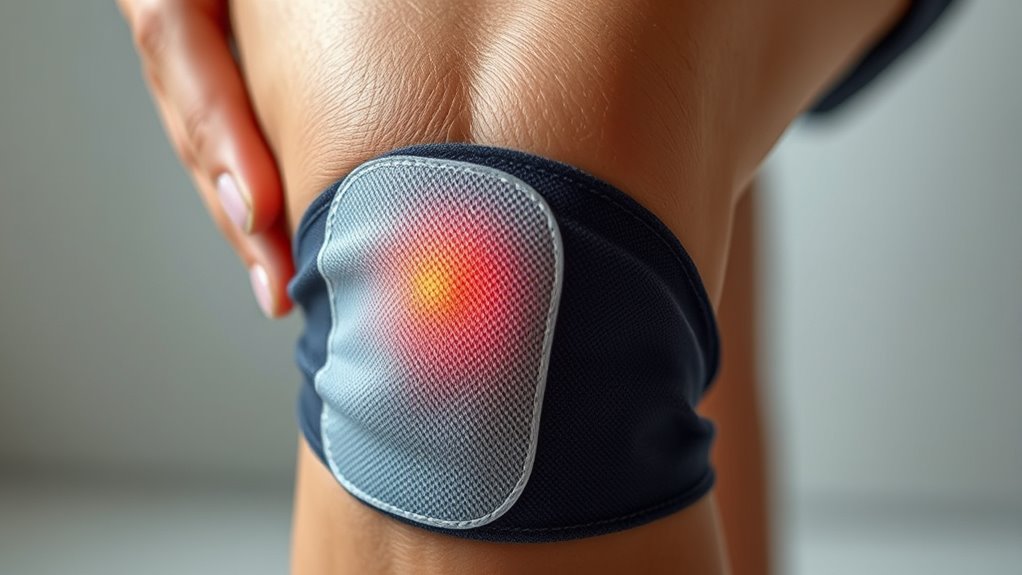
Research indicates that heat therapy patches can effectively reduce arthritis pain for many users. Multiple studies show they provide relief by increasing blood flow and relaxing muscles around the knee. You might notice improvements in stiffness and a decrease in discomfort after consistent use. Additionally, understanding relationships can help manage the emotional aspects of dealing with chronic pain, fostering better coping strategies. Some research suggests that heat therapy is most beneficial when combined with other treatments or lifestyle changes. It’s important to remember that while many find relief, heat patches aren’t a cure but a way to manage symptoms. Utilizing evidence-based methods can enhance overall pain management strategies. Moreover, integrating holistic approaches, such as physical therapy and proper exercise, can optimize results and support long-term joint health. Recognizing the importance of personalized treatment plans can also improve outcomes by tailoring therapies to individual needs.
Tips for Using Heat Therapy Patches Safely and Effectively
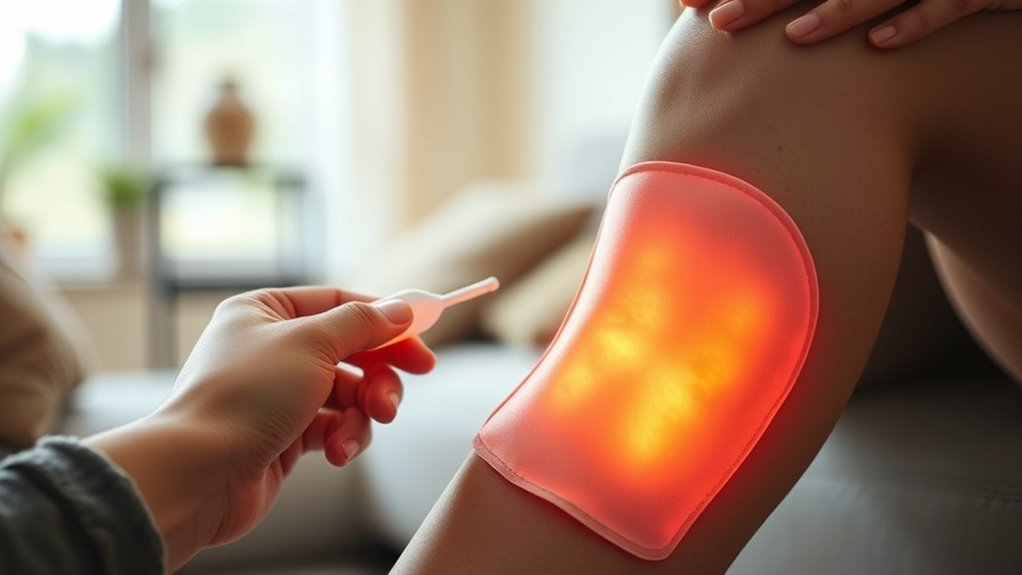
Using heat therapy patches safely and effectively can maximize their benefits while minimizing potential risks. Always follow the manufacturer’s instructions carefully, including how long to wear the patch—usually no more than 15-20 minutes at a time. Before applying, clean and dry the skin to prevent irritation. Avoid placing patches on broken, irritated, or sensitive skin. If you experience burning, itching, or discomfort, remove the patch immediately. Don’t use heat patches on areas with swelling or inflammation unless advised by your healthcare provider. Limit usage to prevent skin burns or overheating. If you have poor circulation, diabetes, or skin conditions, consult your doctor before use. Proper application and monitoring guarantee safe, effective relief from knee arthritis discomfort. Learning about top-rated products can help you choose the most effective heat therapy patches for your needs. Also, selecting high-quality products with appropriate safety features can further ensure a safe experience.
Frequently Asked Questions
How Long Should I Wear a Heat Therapy Patch on My Knee?
You should typically wear a heat therapy patch on your knee for about 15 to 20 minutes at a time. Never leave it on longer than the manufacturer’s recommended duration, usually around 20 minutes, to prevent burns or skin irritation. If your skin feels hot, uncomfortable, or starts to turn red, remove the patch immediately. Always follow the instructions provided with the patch for safe and effective relief.
Can Heat Patches Be Used Alongside Other Arthritis Treatments?
You can use heat patches alongside other arthritis treatments, but it’s essential to make sure to do so carefully. Always follow your healthcare provider’s advice, especially if you’re taking medication or undergoing physical therapy. Heat patches can help reduce pain and stiffness temporarily, but they shouldn’t replace your prescribed treatments. Combining therapies may improve your overall comfort, but ensure you’re not overusing heat to avoid skin irritation or burns.
Are Heat Therapy Patches Suitable for All Severity Levels of Knee Arthritis?
You might wonder if heat therapy patches suit all severity levels of knee arthritis. Generally, they can provide relief for mild to moderate symptoms by easing stiffness and pain. However, if your arthritis is severe or involves swelling or inflammation, these patches might not be enough alone. Always consult your healthcare provider to determine if heat therapy patches are appropriate for your specific condition and severity level.
How Often Can I Safely Use a Heat Patch for Knee Pain?
You can typically use a heat patch for knee pain up to 15-20 minutes at a time, but you should avoid applying it more than three times a day. Always follow the product’s instructions and listen to your body. If your skin feels uncomfortable or overheated, remove the patch immediately. Consult your healthcare provider for personalized advice, especially if you have sensitive skin or other medical conditions.
Do Heat Patches Provide Long-Term Relief or Only Temporary Pain Reduction?
You might wonder if heat patches offer lasting relief or just temporary relief. Generally, heat patches provide quick, short-term pain reduction by relaxing muscles and improving blood flow. However, they don’t address the underlying causes of knee arthritis, so their effects are limited to immediate comfort. For long-term relief, you’ll need a thorough plan including exercise, medication, or other therapies, rather than relying solely on heat patches.
Conclusion
Heat therapy patches can soothe your knee pain, ease stiffness, and improve mobility. They work by increasing blood flow, relaxing muscles, and reducing discomfort. While they’re simple to use, it’s important to know their limitations and use them safely. Remember, they’re just one part of managing arthritis. Combine heat patches with exercise, medication, and proper care to truly support your joint health and keep moving comfortably.