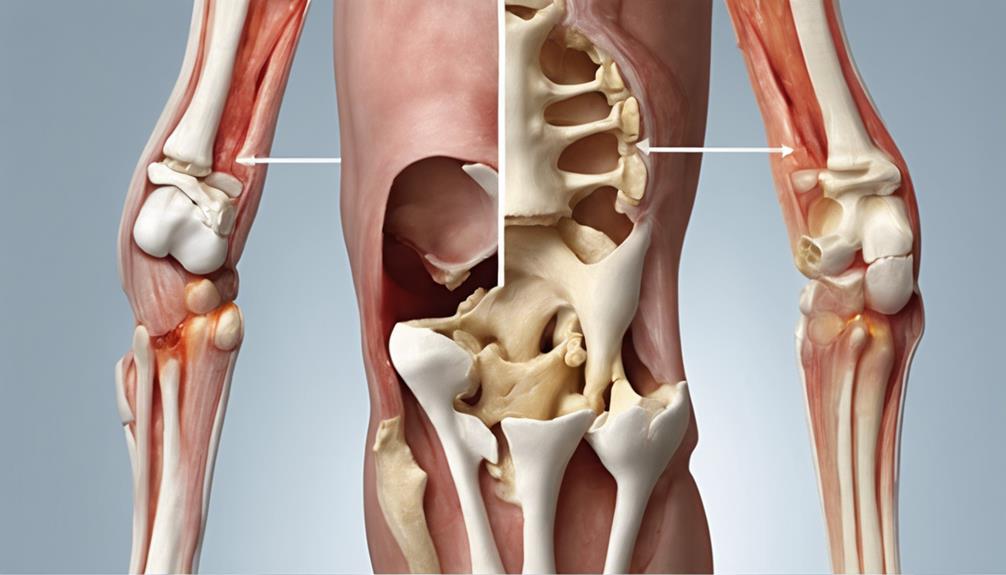

To ease arthritis pain, try gentle exercises like shoulder rolls, neck tilts, and knee stretches to boost flexibility and reduce discomfort. Low-impact activities such as walking, swimming, or water aerobics help improve stamina without stressing your joints. Always start slow, warm up, and listen to your body. Consistently incorporating these safe movements can make a big difference; keep exploring for more tips on managing arthritis effectively.

Turn quiet afternoons into listening time
- Thousands of audiobooks, podcasts and originals
- Listen on your phone, tablet or Echo — also offline
- Cancel anytime
Key Takeaways
- Focus on gentle, low-impact exercises like walking, swimming, and water aerobics to reduce joint stress.
- Incorporate arthritis-friendly stretches targeting neck, shoulders, hips, and knees to improve flexibility.
- Start with slow, controlled movements and gradually increase activity duration for safety and effectiveness.
- Use supportive footwear, stay hydrated, and modify exercises based on pain levels to prevent injury.
- Consistent, daily activity enhances joint mobility, reduces pain, and improves overall quality of life for seniors with arthritis.

Living with arthritis can make even simple movements painful, but staying active is vital for maintaining joint function and overall health. The good news is that you can adapt your exercise routine to include gentle, arthritis-friendly stretches and low impact aerobic activities that help reduce stiffness and improve mobility. These types of exercises are designed to be gentle on your joints while still providing the movement your body needs to stay flexible and strong.
Start with arthritis-friendly stretches to loosen up your joints and muscles without causing discomfort. Focus on gentle, controlled movements that target areas most affected by arthritis, such as your neck, shoulders, hips, and knees. For example, shoulder rolls or neck tilts can ease tension and increase circulation. Stretching should never cause pain, so listen to your body and stop if you feel any discomfort. Incorporate stretches that gently extend your joints and release tightness, helping to improve your range of motion over time.
Begin with gentle stretches targeting key joints to improve flexibility without discomfort.
Alongside stretching, low impact aerobic activities are a fantastic way to keep your heart healthy without putting too much strain on your joints. Activities like walking, swimming, or water aerobics are ideal choices. These exercises allow you to get your blood flowing and boost stamina while minimizing joint stress. Walking is accessible and can be easily adjusted to your pace and distance. If walking becomes uncomfortable, consider swimming or water aerobics, which provide resistance training in a buoyant environment, reducing the load on your joints. Even gentle cycling on a stationary bike can be beneficial, offering cardiovascular benefits without excessive joint impact.
It’s important to start slow and gradually increase the duration and intensity of your exercises. Consistency is key; aim for short, daily sessions rather than long, infrequent workouts. Always warm up before exercising with light stretching or slow movements to prepare your joints. Remember to stay hydrated and wear comfortable, supportive footwear to reduce joint stress further.
Listening to your body is vital—if an activity causes pain, stop immediately and consult your healthcare provider. Modifying exercises to suit your comfort level ensures you stay motivated and avoid injury. Over time, with patience and persistence, these gentle exercises can help reduce arthritis symptoms, improve joint flexibility, and enhance your overall quality of life. Staying active might seem challenging at first, but incorporating arthritis-friendly stretches and low impact aerobic activities into your daily routine can make a significant difference in managing your condition.
arthritis-friendly exercise bands
As an affiliate, we earn on qualifying purchases.
As an affiliate, we earn on qualifying purchases.
Frequently Asked Questions
Can Seniors With Arthritis Exercise Safely at Home?
Yes, you can exercise safely at home if you have arthritis. Focus on gentle arthritis stretches to improve joint mobility and reduce stiffness. Start slowly and listen to your body, avoiding any movements that cause pain. Incorporate low-impact activities like walking or water exercises if available. Always consult your healthcare provider before beginning a new routine to make certain exercises suit your specific needs and limitations.
How Often Should Seniors Do These Exercises Weekly?
You should aim for exercise frequency of about 3 to 5 times a week to maintain consistency without overdoing it. Keep your workouts manageable and listen to your body, adjusting as needed. Consistent exercise helps reduce arthritis pain and improves joint flexibility. Staying committed to your routine boosts your overall health, so make sure to balance activity with rest and consult your healthcare provider for personalized advice.
Are There Any Exercises to Avoid With Arthritis?
You should avoid high-impact activities and joint-stress exercises if you have arthritis, as they can worsen your pain and damage your joints. Activities like running, jumping, or heavy weightlifting put excessive strain on your joints and should be replaced with low-impact options like swimming, walking, or gentle stretching. Always listen to your body and consult your healthcare provider before starting or modifying any exercise routine.
What Equipment Is Needed for Arthritis-Friendly Workouts?
You don’t need much equipment for arthritis-friendly workouts—just some basic, adaptive gear like lightweight resistance bands, cushioned mats, and ergonomic hand weights. These items help reduce joint strain and make exercises safer and more comfortable. Look for adaptive equipment designed specifically for arthritis, such as grab bars or supportive chairs. Keep your gear simple, functional, and easy to use, so you can focus on staying active without discomfort.
How Can I Modify Exercises for Severe Arthritis Pain?
You can modify exercises for severe arthritis pain by choosing low impact activities like swimming or gentle walking. Use joint-friendly modifications such as reducing range of motion, avoiding high-impact moves, and incorporating supportive equipment like braces or cushions. Listen to your body, take frequent breaks, and consult a healthcare professional for personalized advice. These adjustments help protect your joints while allowing you to stay active safely.
Conclusion
Remember, just like a gentle river carves its path over time, consistent movement can ease your arthritis pain. I once met a senior who started with simple stretches and now enjoys gardening again. Small steps lead to big changes—each exercise is a ripple in your journey toward comfort. Keep moving, stay patient, and trust that with time, your efforts will flow into greater strength and less pain.
Evergreen bestsellers Picks
bestsellers
As an affiliate, we earn on qualifying purchases.