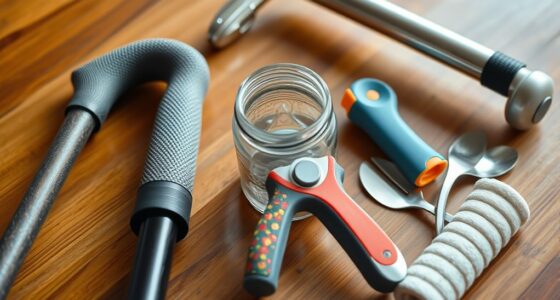

To make daily tasks easier with hand arthritis, try incorporating simple hand exercises to boost strength and flexibility. Use ergonomic tools like cushioned handles and non-slip grips to reduce joint stress. Keep frequently used items within easy reach and take regular breaks to stretch your hands. Maintaining good posture and staying active can also help. If symptoms persist, consulting a healthcare professional is important. Discover more tips to manage your hand arthritis effectively.

Turn quiet afternoons into listening time
- Thousands of audiobooks, podcasts and originals
- Listen on your phone, tablet or Echo — also offline
- Cancel anytime
Key Takeaways
- Use ergonomic tools and adaptive devices to reduce hand strain during daily activities.
- Practice simple hand exercises daily to improve flexibility, strength, and reduce stiffness.
- Keep frequently used items within easy reach to minimize unnecessary gripping and twisting.
- Take regular breaks to stretch and relax your hands, preventing overuse and pain.
- Consult healthcare professionals for personalized management plans and potential treatments.
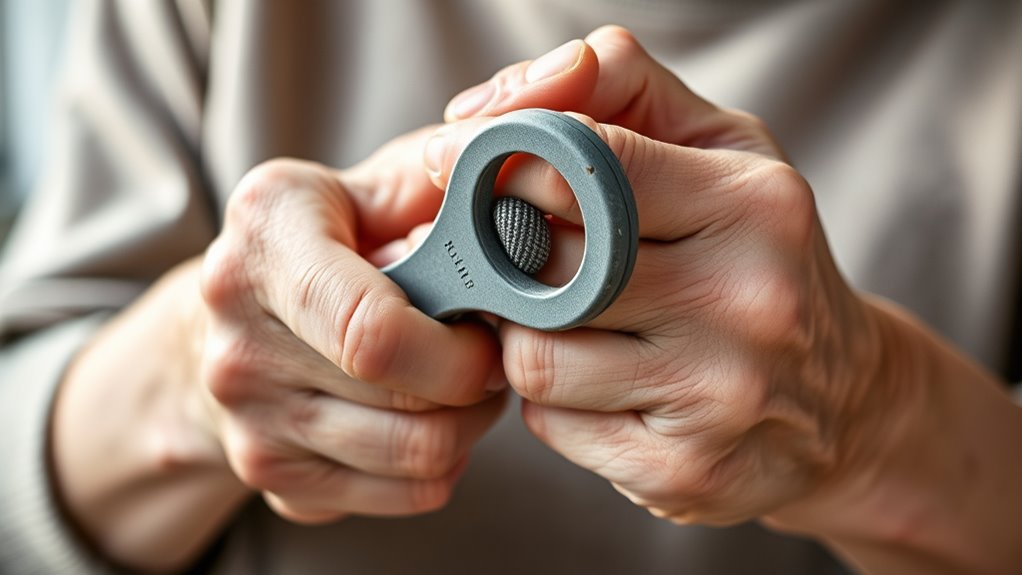
Have you ever noticed persistent stiffness or pain in your hands? If so, you’re not alone. Arthritis in the hands is a common condition that can make everyday tasks feel more challenging. But there are practical ways to ease the discomfort and improve your hand function. One effective approach is incorporating hand exercises into your routine. These exercises help strengthen the muscles around your joints, increase flexibility, and reduce stiffness. Simple movements like finger stretches, gentle squeezing of a stress ball, or rolling your fingers and thumbs can make a real difference. Consistency is key, so try to set aside a few minutes each day to perform these exercises. Over time, you’ll likely notice improved mobility and less pain, making daily activities like opening jars or typing easier and less frustrating. Incorporating proper nutrition can also support joint health and reduce inflammation, further easing arthritis symptoms.
In addition to hand exercises, using ergonomic tools can considerably reduce strain on your hands. Ergonomic tools are specially designed to fit comfortably in your hands and minimize unnecessary stress on your joints. For example, ergonomic grips on utensils, scissors, or pens help you maintain a natural hand position, decreasing fatigue and discomfort. When choosing tools for daily use, look for those with cushioned or contoured handles that support your grip. Incorporating these tools into your routine can prevent further joint damage and make tasks feel more manageable. For instance, a well-designed ergonomic keyboard can reduce strain while typing, easing pain and fatigue at the end of the day. Similarly, jar openers with non-slip grips can make opening stubborn lids effortless, saving you from painful twists or pinches.
Adjusting your environment and habits also plays a vital role. Keep frequently used items within easy reach to avoid unnecessary stretching or twisting. Use assistive devices, like jar openers or dressing aids, to reduce pressure on your hands. When performing tasks, take regular breaks to stretch and relax your hands, preventing overuse and stiffness. Maintaining good posture and staying active overall can also support joint health. If you notice persistent pain or worsening symptoms, consulting a healthcare professional is essential. They can recommend targeted therapies or prescribe medications to manage inflammation and discomfort. Remember, managing arthritis in your hands is a combination of gentle exercises, ergonomic tools, smart habits, and professional guidance. With these strategies, you’ll find it easier to navigate daily routines and regain some control over your hand health.
ergonomic hand grips for arthritis
As an affiliate, we earn on qualifying purchases.
As an affiliate, we earn on qualifying purchases.
Frequently Asked Questions
Can Arthritis in Hands Be Reversed or Cured Completely?
No, arthritis in your hands can’t be fully reversed or cured, especially if there’s permanent damage. Unlike reversible conditions, arthritis involves joint inflammation and wear that may improve with treatment, but the damage often stays. You can manage symptoms and slow progression with medication, therapy, and lifestyle changes. While you can’t completely cure it, early intervention helps preserve your hand function and reduces pain over time.
Are There Specific Foods That Help Reduce Hand Arthritis Symptoms?
Eating foods rich in dietary antioxidants and anti-inflammatory properties can help reduce hand arthritis symptoms. For example, a person incorporating berries and leafy greens into their diet reported less joint pain and stiffness over time. These foods fight inflammation and support joint health. Focus on adding antioxidant-rich fruits, vegetables, and omega-3 fatty acids to your meals to naturally ease symptoms and improve hand function.
How Can I Prevent Arthritis From Worsening in My Hands?
To prevent your hand arthritis from worsening, you should focus on joint protection and using ergonomic tools. Always avoid repetitive motions that strain your joints, take regular breaks, and maintain a healthy weight to reduce stress on your hands. Use ergonomic tools designed to minimize effort, and support your hands with splints or braces when needed. Staying proactive with these strategies helps slow progression and keeps your hands functional.
What Are the Latest Treatments or Therapies for Hand Arthritis?
You should explore the latest treatments like biologic therapies, which target inflammation directly, and physical therapy, which helps maintain joint function and reduce pain. Biologic treatments can be highly effective if prescribed by your doctor, while physical therapy strengthens muscles and improves flexibility. Combining these approaches offers a holistic strategy to manage hand arthritis, reduce symptoms, and slow progression, helping you stay active and comfortable daily.
Is Surgery Necessary for Severe Arthritis in the Hands?
Surgery isn’t always necessary for severe hand arthritis; many find relief through non-surgical options like hand strengthening exercises and medications. You might start with these therapies to improve joint function and reduce pain. If your symptoms persist or worsen despite these efforts, consulting a specialist can help determine if surgery, such as joint repair or replacement, is the best option for you. Always discuss your condition thoroughly with your healthcare provider.
Conclusion
Dealing with arthritis in your hands can be challenging, but small adjustments can make a big difference. Did you know that over 50 million adults in the U.S. suffer from hand arthritis? By using assistive devices and practicing gentle exercises, you can ease pain and regain some independence. Remember, you’re not alone, and taking proactive steps can help you manage symptoms and enjoy daily tasks more comfortably. Stay positive and keep moving forward!
Halloween Picks
halloween
As an affiliate, we earn on qualifying purchases.