
Tech gadgets like GPS trackers and alarms can greatly enhance safety and independence for your loved one with Alzheimer’s. GPS devices allow for real-time location monitoring, helping you quickly find them if they wander. Alarms on doors or wearable devices notify you instantly of unusual activity or if they leave designated safe zones. These tools streamline communication and provide peace of mind. To discover more about how these innovations can support your caregiving efforts, keep exploring the options available.

Turn quiet afternoons into listening time
- Thousands of audiobooks, podcasts and originals
- Listen on your phone, tablet or Echo — also offline
- Cancel anytime
Key Takeaways
- GPS trackers enable real-time location monitoring to prevent wandering and locate loved ones quickly.
- Door alarms alert caregivers immediately if an Alzheimer’s patient exits designated safe zones.
- Voice-activated systems simplify communication and provide immediate assistance through easy commands.
- Smart sensors detect unusual activity or movement patterns, triggering alerts for caregiver intervention.
- Integration of devices ensures seamless safety management and improves response times during emergencies.
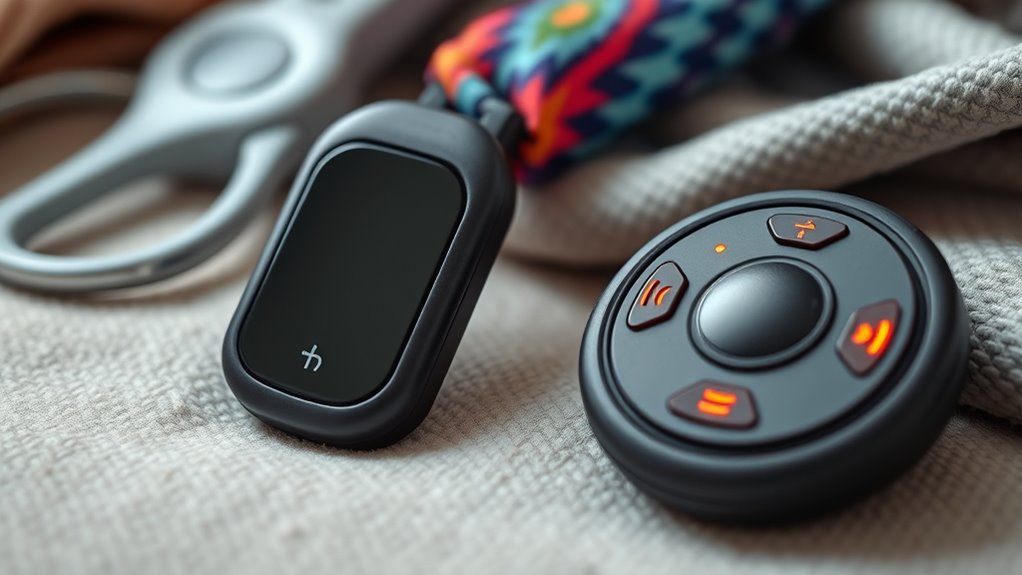
Have you ever wondered how technology can make Alzheimer’s care safer and more manageable? One way is through smart home integration, which creates a safer environment by connecting various devices to work seamlessly together. Imagine your loved one’s home equipped with motion sensors, door alarms, and voice-activated systems that respond to their needs. These gadgets allow you to monitor their activities remotely, giving you peace of mind without being physically present all the time. When integrated properly, smart home devices can alert you if your loved one wanders outside or enters restricted areas, reducing the risk of accidents. This integration also simplifies caregiver communication, enabling quicker responses to emergencies or everyday concerns. For example, if a door opens unexpectedly, the system sends an instant notification to your phone, so you can act promptly. It streamlines the flow of information, making caregiving less stressful and more efficient. Proper quality assessment of these devices ensures they function reliably and meet safety standards, which is crucial for effective Alzheimer’s care.
GPS tracker for Alzheimer’s patients
As an affiliate, we earn on qualifying purchases.
As an affiliate, we earn on qualifying purchases.
Frequently Asked Questions
How Do GPS Trackers Ensure Privacy for Alzheimer’s Patients?
GPS trackers protect your loved one’s privacy by using data encryption, ensuring that their location data stays secure and confidential. They also prioritize location accuracy, so you get precise updates without unnecessary data sharing. You can set permissions and alerts, giving you control over who views the information. This way, your loved one’s safety is maintained while their privacy is respected, giving you peace of mind.
What Is the Average Cost of Advanced Alzheimer’s Care Gadgets?
The average cost of advanced Alzheimer’s care gadgets varies, typically ranging from $50 to $200 per device. When doing a cost comparison, consider device features like real-time GPS tracking, fall detection, and emergency alerts. You’ll find that basic models are more affordable, but investing in devices with all-inclusive features offers better safety and peace of mind for your loved one. Always weigh the cost against the added benefits.
Are There Any Legal Concerns With GPS Tracking in Caregiving?
You might find it surprising, but legal concerns with GPS tracking in caregiving mainly hinge on legal compliance and consent procedures. You need to make certain you get proper consent from your loved one, respecting their autonomy. Also, follow local laws about privacy and data protection. By doing this, you avoid legal issues and ensure responsible use of tracking technology, helping you provide safe, respectful care.
How Long Do Battery Lives Typically Last on These Devices?
Battery longevity on GPS trackers and alarms varies, but most devices last between 24 to 72 hours on a single charge. To guarantee reliable device performance, you should regularly monitor battery levels and perform device maintenance. Some trackers feature extended battery life or low-power modes, reducing the frequency of charging. Staying attentive to these factors helps keep the gadgets functioning properly, providing peace of mind in caregiving situations.
Can Family Members Monitor Devices Remotely Without Technical Skills?
You can easily monitor devices remotely without technical skills—it’s almost as simple as flipping a switch. User interfaces are designed to be intuitive, guiding you through setup and management with clear instructions. Emergency alerts are automatically sent if needed, so you stay informed at all times. Most systems include mobile apps or online portals that let family members check status, track locations, and respond swiftly, making caregiving more manageable and less stressful.
Conclusion
As you embrace these tech gadgets, remember they’re like guiding stars in a dark sky, offering hope and safety. GPS trackers and alarms become your lighthouse, steering your loved one back home when the path feels uncertain. They symbolize reassurance in a world of unpredictability, illuminating the way with each step. With these tools, you’re not just safeguarding; you’re creating a sanctuary where love and care shine brightest amid the shadows.
Halloween Picks
halloween
As an affiliate, we earn on qualifying purchases.