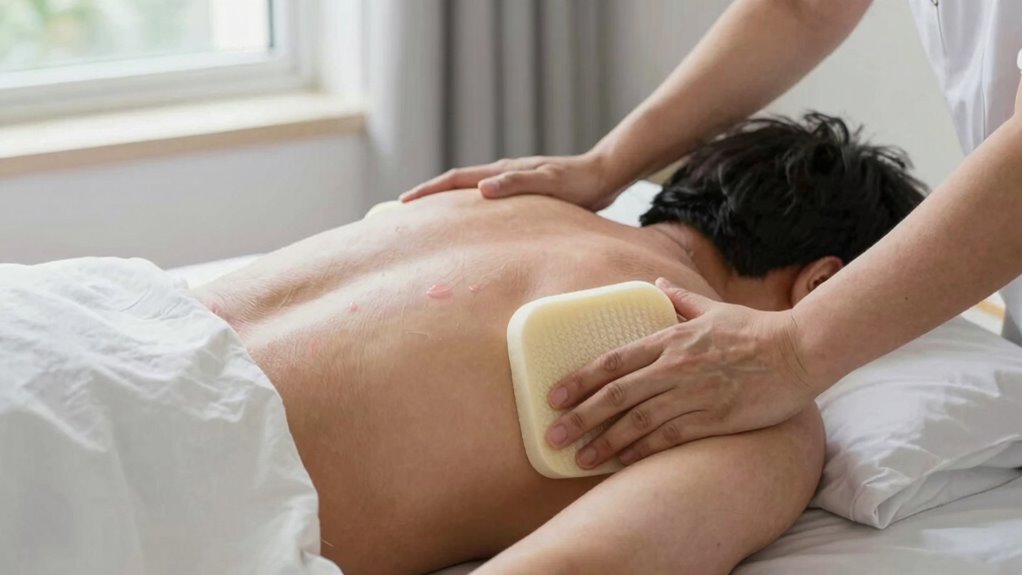

To reduce bedsores in your bedridden loved one, guarantee you reposition them every two hours to distribute pressure and improve blood flow. Use supportive mattresses or overlays designed for pressure relief, keep their skin clean and dry, and check regularly for early signs like redness or discoloration. Encourage gentle movement and tailor a care plan based on their needs. Continuing this guide will help you learn more about effective prevention strategies and when to seek medical help.

Turn quiet afternoons into listening time
- Thousands of audiobooks, podcasts and originals
- Listen on your phone, tablet or Echo — also offline
- Cancel anytime
Key Takeaways
- Reposition your loved one every two hours to evenly distribute pressure and promote circulation.
- Use pressure-redistributing support surfaces like foam mattresses or specialized alternating pressure beds.
- Conduct daily skin inspections, focusing on bony areas, and keep skin clean, dry, and moisturized.
- Manage moisture and incontinence with absorbent pads and barrier creams to prevent skin breakdown.
- Monitor for early signs of discomfort or infection, and respond promptly with repositioning or medical attention.
Products Worth Considering
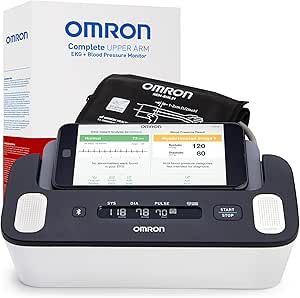
OMRON Complete 2-in-1 Upper Arm Blood Pressure Monitor with EKG

Withings Sleep Under-Mattress Sleep Tracking Pad

Therabody Theragun Relief Massage Gun, 3-Speed, Black
As an affiliate, we earn on qualifying purchases.
What Are Bedsores and Why Do They Develop?
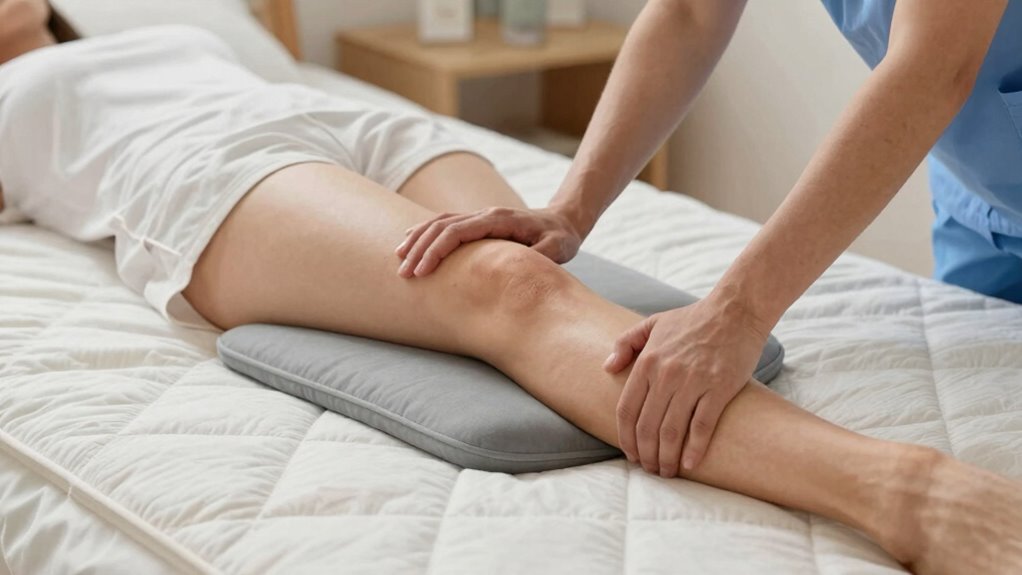
Have you ever wondered how bedsores develop? They are also called pressure ulcers, and they form when prolonged pressure cuts off blood flow to the skin and underlying tissues. This constant pressure causes skin breakdown, leading to painful sores. Bedsores commonly occur over bony areas like the hips, heels, and sacrum, where the skin is thin and vulnerable. When someone remains in one position for too long without relief, the sustained pressure damages the skin and tissues beneath. Friction and moisture can worsen skin breakdown, increasing the risk of infections. Recognizing how pressure ulcers develop helps you understand the importance of preventive care. The key is to reduce prolonged pressure, especially in immobile individuals, to protect their skin and prevent these painful sores. Additionally, understanding the role of contrast ratio in projectors can help you create a comfortable environment that minimizes discomfort and promotes healing. Maintaining proper pressure redistribution through specialized cushions or mattresses can further reduce the risk of bedsores. Regular repositioning and utilizing pressure-relieving surfaces are essential strategies in pressure ulcer prevention. Implementing skin assessments routinely can also aid in early detection and intervention, minimizing the severity of sores. Incorporating advanced support surfaces can optimize pressure redistribution and enhance patient comfort during recovery.
How Can Repositioning Help Prevent Bedsores?
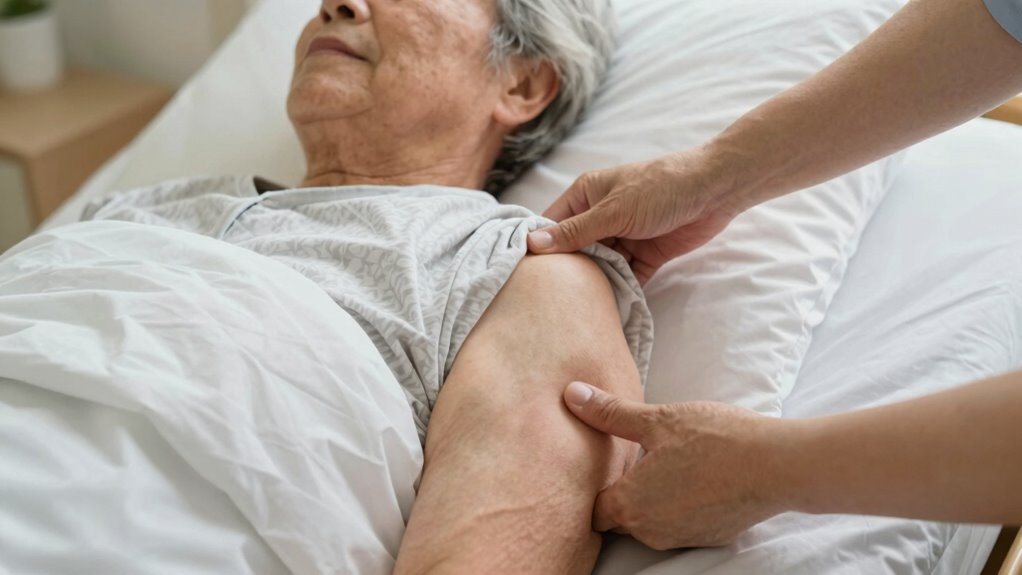
Repositioning regularly is one of the most effective ways to prevent bedsores. It helps maintain skin integrity and reduces pressure ulcers caused by prolonged pressure on specific areas. By changing your loved one’s position every two hours, you distribute pressure evenly across different body parts. This practice also encourages blood flow to tissues, which is crucial for tissue health and healing. Use techniques like shifting from back to side or elevating the head slightly to avoid constant pressure. Incorporate the following schedule to keep track:
| Time Interval | Position Change | Focus Area |
|---|---|---|
| Every 2 hours | Turn to side | Hips, shoulders |
| Every 2 hours | Reposition back | Lower back |
| Every 2 hours | Elevate head | Face, neck |
Consistent repositioning keeps skin healthy and prevents pressure ulcers from developing.
What Support Surfaces and Mattresses Work Best for Prevention?
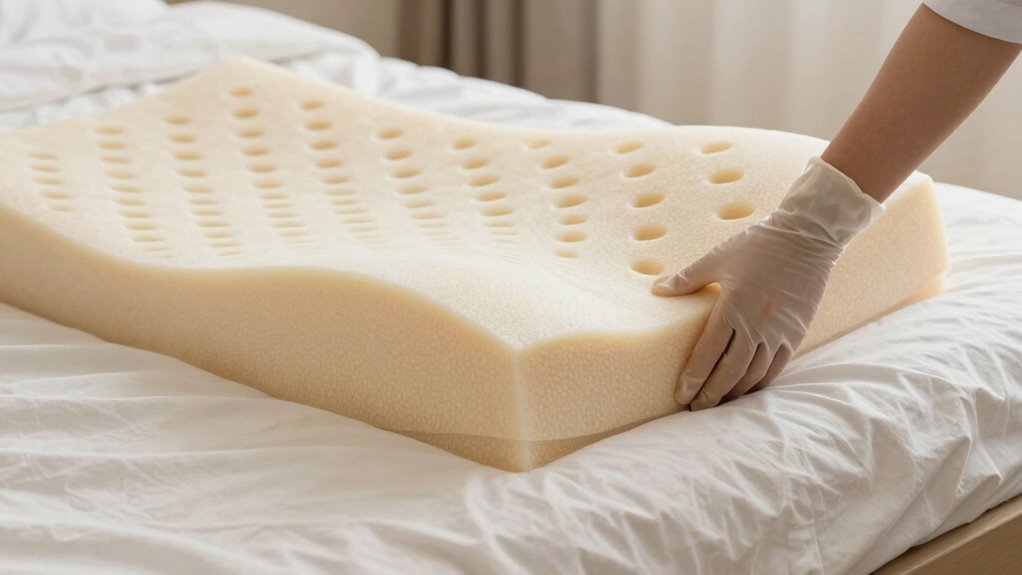
Choosing the right support surfaces and mattresses can substantially reduce the risk of pressure ulcers. Look for options that provide effective pressure relief, which helps distribute body weight evenly and reduces pressure on vulnerable areas. Foam mattresses are often recommended because they conform to the body’s shape and absorb pressure, preventing sores from developing. Specialty mattresses, such as alternating pressure or overlay systems, can offer additional support and reduce prolonged pressure points. Make certain the mattress is firm enough to support proper positioning but soft enough to cushion bony prominences. Regularly assess the mattress’s condition and cleanliness. Using appropriate support surfaces is a vital step in pressure ulcer prevention, especially when combined with repositioning and skin care. Incorporating pressure redistribution techniques can further enhance the effectiveness of prevention strategies. Additionally, selecting support surfaces made from energy-efficient materials can contribute to sustainability and reduce environmental impact. Choosing mattresses with appropriate pressure management features can optimize comfort and protection for at-risk individuals. Ensuring the mattress is compatible with smart monitoring devices can also help track pressure points and skin health over time. Furthermore, implementing proper maintenance and hygiene practices can prolong the lifespan of the support surfaces and maintain their effectiveness.
How Do You Keep Skin Healthy and Dry to Avoid Bedsores?

Maintaining healthy and dry skin is essential for preventing bedsores, especially for individuals who are immobile or have limited mobility. To achieve this, focus on moisture management and skin hydration. Regularly check the skin for signs of excess moisture or dryness, and use absorbent pads or barrier creams as needed. Keep the skin clean and gently pat it dry to avoid irritation. Use moisturizers to maintain skin hydration, but avoid over-moisturizing to prevent trapping moisture. Proper bedding and clothing also help keep skin dry. Consider this quick guide:
| Action | Purpose |
|---|---|
| Use moisture-wicking fabrics | Reduce excess moisture |
| Apply barrier creams | Protect skin from moisture |
| Regular skin checks | Catch issues early |
| Keep bedding clean and dry | Prevent skin breakdown |
Additionally, ensuring good air quality around your loved one can help reduce skin irritation and promote overall skin health. Ensuring proper pressure relief techniques can further prevent the development of bedsores by reducing prolonged pressure on vulnerable areas. Incorporating gelato-inspired cooling pads may also help keep the skin cool and dry, especially in warmer environments. Incorporating appropriate pressure redistribution techniques can significantly decrease the risk of pressure ulcers by evenly distributing weight and reducing sustained pressure points. Utilizing moisture control strategies can enhance skin integrity and support overall prevention efforts.
When and How Should You Encourage Active Movement?
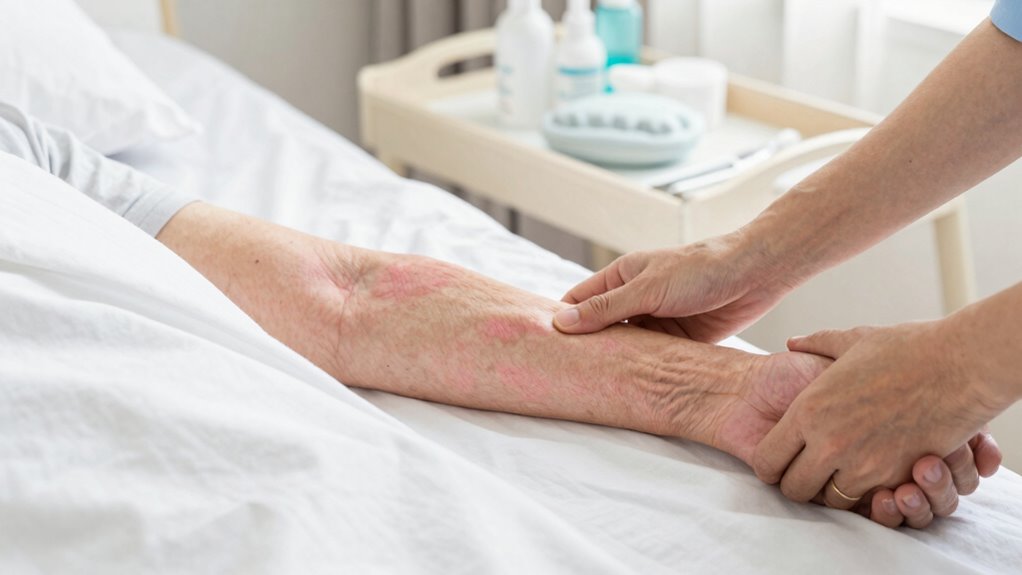
You should encourage active movement as soon as you notice signs of readiness, like slight shifts or muscle engagement. Establish a gentle routine that prompts movement without causing fatigue or discomfort. By paying attention to these signs, you can help prevent bedsores and promote healthier skin. Incorporating regular movement routines can further enhance circulation and reduce pressure points, supporting overall skin health. Additionally, personalized care tailored to your loved one’s specific needs can make a significant difference in preventing complications. Recognizing early mobility cues allows for timely intervention and encourages natural movement patterns, which are essential for fostering trust and confidence in your caregiving approach. Using assistive devices like electric bike conversion kits can also facilitate safe, active movement when appropriate, ensuring your loved one remains engaged and mobile.
Recognize Movement Signs
Recognizing signs that a person is ready for movement is essential in preventing bedsores. Pay close attention to movement cues, such as shifting in bed, twitching, or attempting to adjust their position. These activity indicators show they’re alert and capable of moving without discomfort. When you notice these signs, it’s a good time to gently encourage them to change positions or stretch. Watch for subtle signs like eye contact or facial expressions that suggest they’re aware and comfortable enough to participate. Respond promptly to these cues, as waiting too long can increase the risk of pressure buildup. By staying attentive to these signals, you help promote circulation and prevent skin breakdown effectively.
Establish Gentle Routine
Encouraging active movement at appropriate times helps prevent pressure sores and keeps circulation flowing. Establishing a gentle routine guarantees your loved one moves safely without causing discomfort. Communicate clearly with your caregiver team to develop a schedule that balances rest and activity. Use gentle prompts, like encouraging your loved one to shift positions or do light exercises, ensuring movements are slow and controlled. Consistent caregiver communication is key to adjusting the routine based on their response and needs. Timing is vital—avoid forcing movement when your loved one is tired or unwell. A gentle routine fosters comfort and reduces skin damage risk, making it easier to maintain their skin integrity and overall well-being.
How Can You Spot Early Signs of Bedsores?

Early detection of bedsores is essential to prevent them from worsening. To do this, you need to develop sore awareness by regularly inspecting your loved one’s skin. Perform gentle skin inspections at least once daily, focusing on bony areas like heels, elbows, hips, and tailbone. Look for signs of redness, discoloration, or warmth, which may indicate early stages of a bedsore. Keep an eye out for any changes in skin texture or the appearance of blister-like sores. Remember, early signs can be subtle, so consistent skin inspection helps catch problems before they develop into painful, deeper wounds. Developing sore awareness and understanding common warning signs can significantly improve your ability to act quickly. By staying vigilant and attentive to these warning signs, you can act quickly to prevent bedsores from advancing.
How Do You Create a Personalized Bedsores Prevention Care Plan?
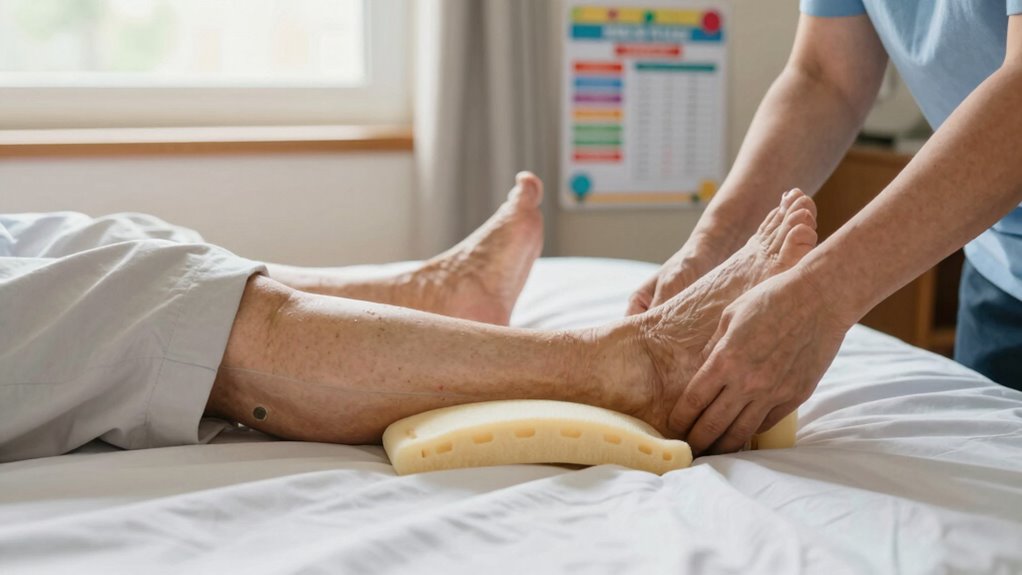
Creating a personalized bedsores prevention care plan involves evaluating the specific risks and needs of your loved one and then tailoring strategies to address those factors. This approach guarantees effective infection prevention and comfort. Start by assessing their mobility, skin condition, and medical history. Use this information to develop a plan that includes regular repositioning, skin inspections, and proper hygiene. Consider the following table for customization:
| Risk Factors | Preventive Strategies | Monitoring Focus |
|---|---|---|
| Limited mobility | Use cushions and repositioning | Skin integrity checks |
| Poor nutrition | Nutritional support | Signs of infection |
| Incontinence | Skin barrier protection | Redness or sores |
This personalized care approach helps prevent bedsores and promotes overall health. Regularly reviewing and adjusting the plan based on your loved one’s evolving needs and comprehensive assessments ensures continued effectiveness and comfort. Incorporating digital health tools can also assist in tracking vital signs and skin condition changes for more proactive care. Additionally, awareness of DreamRidiculous resources can provide helpful tips for managing and preventing bedsores effectively.
When Should You Seek Medical Help for Bedsores or Complications?
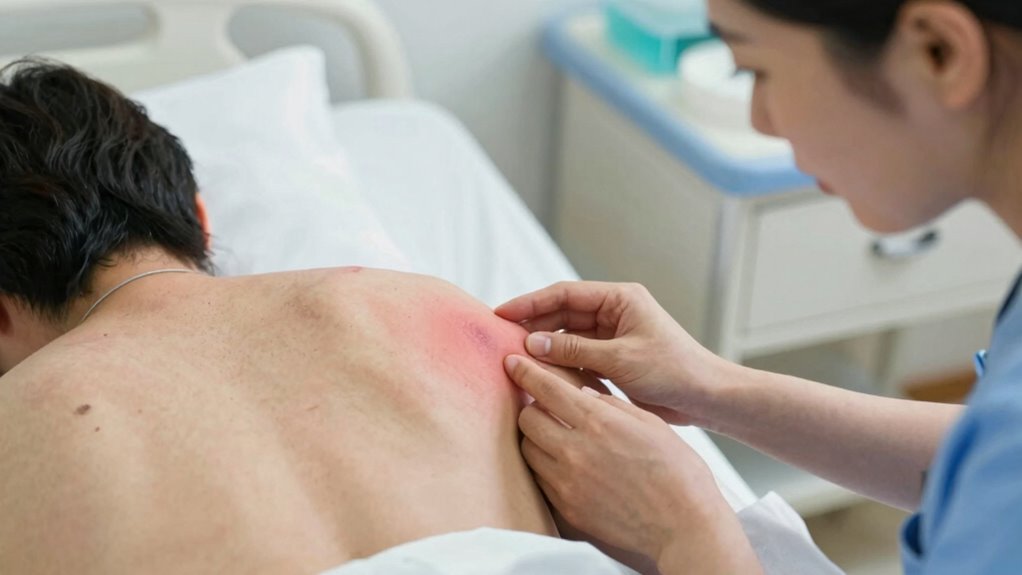
If you notice signs of infection, worsening skin, or pain that won’t go away, it’s time to see a healthcare professional. These symptoms can indicate serious complications that need prompt attention. Don’t wait too long—early medical help can prevent further damage. Additionally, understanding how nanotechnology can be applied in wound care might offer future solutions for more effective treatment.
Signs of Infection
Recognizing signs of infection in a bedsore is essential because prompt medical attention can prevent serious complications. Look for symptoms like increased redness, warmth, swelling, or pus around pressure points. You should also watch for skin discoloration that worsens or spreads, indicating infection. If the sore has a foul odor or feels tender and painful, seek help immediately. Fever or chills are signs that the infection may have spread. Promptly addressing these signs can prevent the infection from worsening. Here’s a quick guide:
| Symptom | Location | Action Needed |
|---|---|---|
| Increased redness | Pressure points | Seek medical advice |
| Pus or discharge | Wound site | Contact healthcare provider |
| Skin discoloration | Surrounding skin | Monitor and consult |
| Foul odor | Sore | Visit doctor |
| Fever or chills | Whole body | Seek urgent care |
Worsening Skin Condition
When a bedsore’s skin condition worsens, it’s a clear sign that medical attention may be needed to prevent serious health risks. Signs of worsening include increased skin deterioration, such as deepening wounds, discoloration, or the presence of black or necrotic tissue. If pressure ulcers become more painful, foul-smelling, or start to ooze pus, you should seek help immediately. Rapid deterioration can lead to infections or more severe complications. Keep an eye on changes in the sore’s size or appearance, and watch for signs of spreading redness or swelling around the area. Prompt medical intervention can help prevent the pressure ulcers from worsening further and reduce the risk of systemic infections or other serious health issues.
Unmanageable Pain Levels
Unmanageable pain from a bedsore is a clear sign that you need to seek medical help promptly. Persistent or intense pain may indicate infection or nerve damage requiring immediate attention. Effective pain management is essential, and a healthcare professional can recommend suitable medication options to alleviate discomfort. If pain worsens despite treatment or is sudden and severe, don’t delay in seeking help. Here’s a quick guide:
| Pain Level | When to Seek Help | Possible Causes |
|---|---|---|
| Mild | Continue monitoring, adjust care | Inflammation, pressure |
| Moderate | Contact healthcare provider | Infection, nerve irritation |
| Severe | Seek urgent medical assistance | Abscess, tissue damage |
| Unrelenting | Immediate emergency care needed | Deep infection, complications |
Frequently Asked Questions
What Are the Best Nutritional Strategies to Support Skin Health?
To support skin health, focus on ensuring your loved one gets balanced nutrition with adequate protein, vitamins C and E, and zinc. Incorporate nutritional supplementation if needed to fill gaps. These nutrients boost collagen production and repair, promoting healthy skin. Additionally, prioritize immune support through proper hydration and a nutrient-rich diet, which helps prevent infections and accelerates healing. Regularly consult healthcare providers for tailored nutritional plans to enhance overall skin resilience.
How Can Caregivers Effectively Communicate With Non-Verbal Patients About Discomfort?
You can effectively communicate with non-verbal patients by observing their non-verbal cues, listening to their emotional signals, and paying close attention to changes in behavior. Use gentle touch to gauge comfort levels, facial expressions to interpret feelings, and body language to identify distress. By staying attentive and empathetic, you foster emotional communication, helping your loved one express discomfort and ensuring you address their needs promptly and compassionately.
Are There Specific Exercises Suitable for Bedridden Individuals to Prevent Bedsores?
You can help prevent bedsores by guiding your loved one through passive movements and muscle stretches. These exercises improve circulation and reduce pressure on vulnerable areas. Gently move their limbs, rotate their hips, and stretch muscles regularly, ideally every couple of hours. Using proper techniques, you’ll keep their skin healthier and minimize the risk of bedsores, making their comfort a priority while they’re bedridden.
How Often Should Skin Assessments Be Performed for Early Detection?
Think of skin assessments as your loved one’s first line of defense against pressure ulcers. You should perform skin monitoring at least daily, paying close attention to bony prominences and areas prone to friction. Regular checks help catch early signs of skin breakdown before they turn into serious pressure ulcers. Consistent assessment allows you to act swiftly, ensuring your loved one remains comfortable and protected from painful bedsores.
What Are the Psychological Impacts of Long-Term Bedsores on Patients?
Long-term bedsores can profoundly impact your loved one’s psychological well-being. They may experience emotional resilience as they cope with pain and discomfort, but also face social isolation due to limited mobility and stigma. This can lead to feelings of depression, anxiety, and frustration. Supporting their emotional health, encouraging social interactions, and providing reassurance help them build resilience and reduce feelings of loneliness, improving their overall mental health.
Conclusion
By blending basic bedding, diligent repositioning, and attentive skin care, you can beautifully bolster your loved one’s comfort and prevent bedsores. Keep vigilant, vary movements, and verify skin health regularly. With a personalized plan and prompt medical attention when needed, you’ll build a barrier against bedsores. Your caring consistency creates a comfortable, confident cushion of care, transforming challenging circumstances into compassionate comfort and preventing painful pressure sores from taking hold.