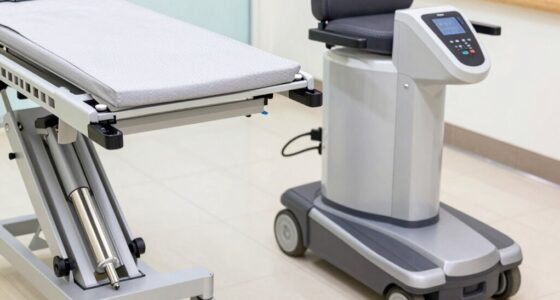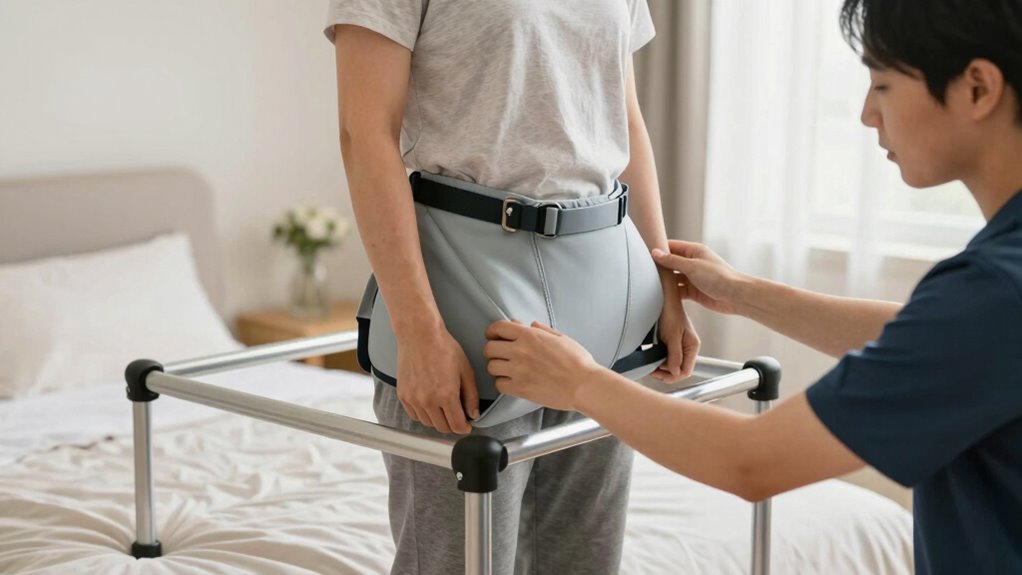
To use a patient lift safely, choose the right equipment suited to your loved one’s needs and inspect it thoroughly before each use. Prepare a clean, slip-resistant environment with enough space. Communicate clearly throughout the transfer, secure straps properly, and maintain proper body mechanics to avoid injury. If you keep everything secure and follow proper procedures, you’ll decrease the risk of hurting your loved one. For detailed steps to ensure a safe and comfortable lift, keep exploring these essential tips.
Key Takeaways
- Ensure the lift and accessories are properly inspected, maintained, and suited to your loved one’s weight and needs.
- Use proper body mechanics, bend your hips and knees, and keep the lift close to your body to prevent injury.
- Communicate clearly with your loved one, explaining each step and encouraging cooperation during the transfer.
- Position your loved one securely in the sling with proper alignment and support to prevent discomfort or falls.
- Proceed slowly and smoothly, avoiding sudden movements or jerks that could cause harm or discomfort.
As an affiliate, we earn on qualifying purchases.
Choose the Right Patient Lift for Safety and Comfort
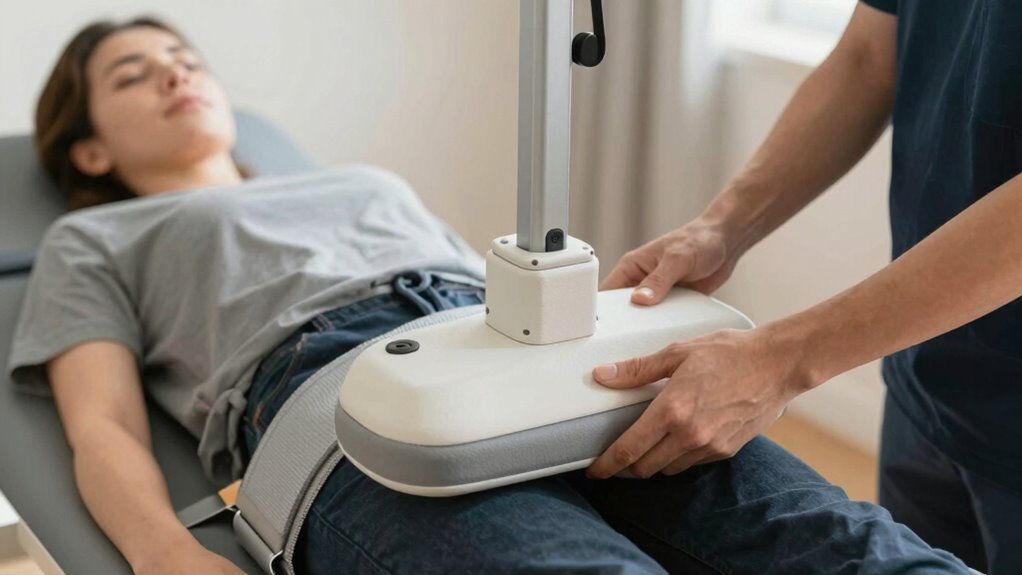
Choosing the right patient lift is essential to guarantee both safety and comfort during transfers. Start by considering the type of lifting accessories you’ll need, such as slings or harnesses, that suit your loved one’s specific needs. Proper patient positioning is critical; make certain the lift can accommodate their size and mobility level. Look for features like adjustable height, weight capacity, and ease of maneuverability to make transfers smoother. Selecting the appropriate lift reduces strain on both the caregiver and patient, preventing injuries. Take the time to evaluate different models and accessories, focusing on stability and ease of use. Pay attention to vacuum-assisted technology, which can improve lift stability and safety. Additionally, considering smart home integration can enhance monitoring and control during transfers, ensuring a safer environment. Understanding ergonomic design principles can help you choose equipment that minimizes physical strain. When you choose the right equipment, you create a safer, more comfortable environment for everyone involved. Incorporating proper maintenance practices ensures the longevity and reliable performance of your lift equipment, further enhancing safety. Regularly inspecting your lift equipment for wear and tear can prevent unexpected malfunctions and maintain safety standards.
Understand How Patient Lifts Keep Everyone Safe
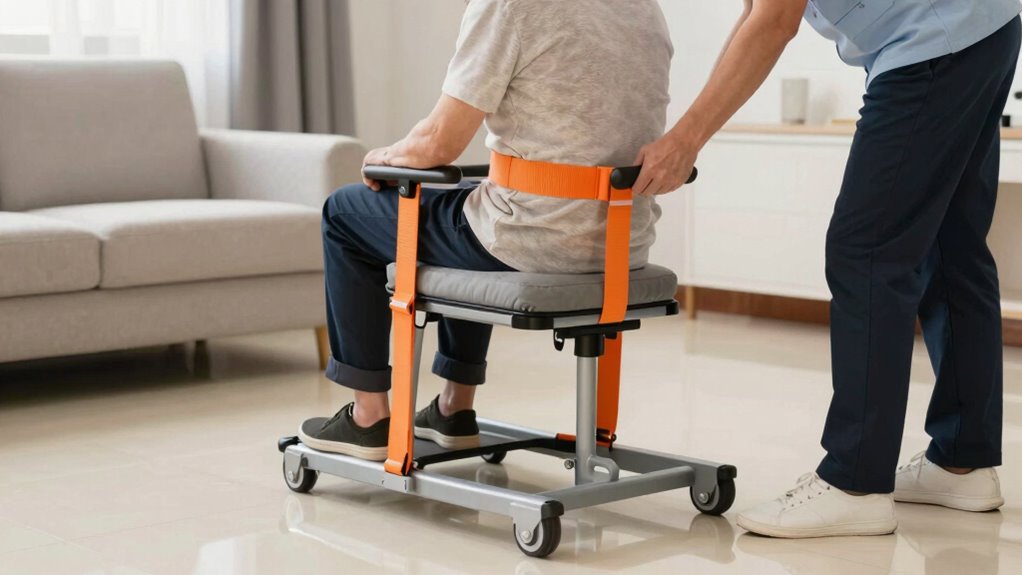
Using a patient lift safely depends on proper handling techniques and correct equipment use. When you follow these practices, you reduce the risk of injury for both the patient and caregiver. Staying aware of safety protocols keeps everyone protected during transfers. Incorporating professional training ensures that caregivers are knowledgeable about safe lifting procedures. Additionally, understanding safe transfer techniques can further enhance safety and comfort for everyone involved. Incorporating visual and auditory cues can aid caregivers in mastering proper procedures, especially for those with diverse learning needs. Implementing safety devices and ensuring regular equipment maintenance further contribute to a secure transfer process.
Safe Handling Techniques
Since proper handling is crucial for safety, understanding how patient lifts protect everyone involved is essential. You should focus on proper body positioning to minimize strain and prevent injury. Keep your back straight, bend at the hips and knees, and avoid twisting your torso while lifting or lowering your loved one. This promotes caregiver ergonomics, reducing fatigue and the risk of musculoskeletal injuries. Use smooth, controlled movements and communicate clearly with your loved one to ensure a coordinated effort. Always test the lift’s weight capacity and stability before proceeding. Additionally, being aware of the toilet flushing mechanisms can help prevent unexpected accidents during transfers. Proper handling not only helps prevent accidents but also minimizes the risk of ear wax odor, which can sometimes be a concern in healthcare environments. Understanding patient lift safety standards and how they align with ergonomic principles can further enhance your confidence and effectiveness during transfers. Incorporating proper training and practice can significantly improve transfer success and safety. By maintaining proper handling techniques, you help prevent accidents, reduce discomfort, and create a safer environment for both you and your loved one. Proper handling is the key to safe, effective transfers.
Proper Equipment Usage
Proper equipment usage is vital for ensuring safety during patient lifts. When you understand how to operate the lift correctly, you reduce the risk of injury for both you and your loved one. Before lifting, review emergency protocols so you’re prepared for any unexpected situation. These protocols help you respond quickly and safely if something goes wrong. Patient education is also vital; make sure your loved one understands what’s happening and feels comfortable with the process. Proper positioning, secure straps, and correct weight distribution are key to a safe lift. Regularly inspect the equipment for damage or wear. Additionally, understanding European cloud innovation can provide insights into reliable and sustainable technology solutions that support healthcare equipment management. Incorporating proper training ensures that caregivers are confident and competent in using patient lifts. Staying informed about equipment maintenance also helps prevent accidents caused by equipment malfunction. Implementing advanced safety features in your equipment can further enhance protection during lifts. Utilizing reliable healthcare technology can help streamline the process and reduce errors. By following these practices, you make certain a safe, effective lift that protects everyone involved and maintains a calm environment.
Minimize Injury Risks
Understanding how patient lifts keep everyone safe is essential for reducing injury risks during transfers. The key is choosing equipment that suits both your loved one’s needs and their comfort. Properly selected lifts minimize strain on caregivers and prevent accidental slips or drops. Always check that the lift’s weight capacity matches your loved one’s weight and make sure it’s in good condition. Adjust straps and supports to provide maximum patient comfort, which helps keep them calm and secure. Using the right equipment reduces awkward movements and unnecessary force, lowering injury risks for both of you. Training on proper techniques and inspecting the lift before each use further enhances safety. Regular maintenance and equipment inspection are crucial for ensuring the lift functions properly and safely over time. Additionally, understanding the contrast ratio of your equipment can improve visibility and safety during transfers, especially in low-light environments. Proper lighting and visual contrast can help prevent accidents and make the transfer process smoother. When you prioritize choosing the right equipment and ensuring patient comfort, you create a safer, smoother transfer experience. For added safety, being aware of patient positioning ensures proper support and reduces discomfort during transfers. Incorporating proper body mechanics can further minimize strain and prevent injury during lifting and transfer tasks.
Prepare Your Environment for a Safe Transfer

Before you begin using the patient lift, it’s vital to prepare your environment to guarantee a safe transfer. Proper environment setup helps prevent accidents and makes the process smoother. Start by clearing the room of obstacles, such as furniture or clutter, that could interfere with the lift’s movement. Confirm the floor is dry and slip-resistant to maintain room safety. Check that there’s enough space on all sides of the lift for easy maneuvering. Additionally, position the lift close to the patient’s bed or chair to minimize transfer distance. Adequate lighting is essential, so turn on lights if needed. Taking these steps creates a safe environment for both you and your loved one, reducing the risk of injury during the transfer. Ensuring the safe use of equipment is also crucial for a successful transfer. Remember to assess the room environment regularly for hazards or changes that could affect safety.
Check and Maintain Your Lift Before Each Use

Before each use, you should carefully inspect the lift for any damage or wear. Make sure all mechanical functions operate smoothly and check that safety features are in place and working correctly. Taking these simple steps helps guarantee a safe and reliable transfer every time.
Inspect Lift for Damage
It’s vital to inspect your patient lift for damage each time you prepare to use it. A thorough damage inspection ensures safe lift maintenance and prevents accidents. First, check the sling and straps for tears, fraying, or wear. Second, examine the base, wheels, and casters for cracks or stiffness that could hinder movement. Finally, inspect the motor and power cords for any signs of damage or fraying. If you notice any issues, don’t use the lift until it’s repaired or replaced. Regular damage inspection keeps your lift functioning properly and guarantees safety for your loved one. Taking these steps helps you catch problems early and maintain the lift’s reliability, reducing the risk of injury during transfers.
Test Mechanical Functions
Have you checked the mechanical functions of your lift recently? Mechanical testing is essential to guarantee everything operates smoothly and safely. Before each use, examine the lift’s components for any signs of wear or damage. Check the lift calibration to confirm that it lifts and lowers accurately without hesitation or unusual noises. Test the motor functions and ensure the control buttons respond correctly. Pay attention to the arm and sling attachment points, making sure they’re secure. If you notice any inconsistencies during mechanical testing, don’t use the lift until it’s properly serviced. Regularly maintaining and calibrating your lift helps prevent malfunctions and guarantees the safety of your loved one during transfers. Always prioritize thorough checks before every use.
Check Safety Features
Are all safety features functioning properly before you use the lift? Checking safety features is essential to ensure patient comfort and reduce risk. Before each use, inspect the device thoroughly.
Here are three key steps:
- Verify that all safety locks and brakes are engaged and working properly.
- Ensure straps, slings, and padding are in good condition without tears or wear.
- Confirm that the control mechanisms respond smoothly, and the emergency stop functions are operational.
Performing these checks helps you identify potential hazards and minimizes the risk of injury. Regular maintenance and safety assessments keep the lift reliable and comfortable for your loved one, making transfers safer and more secure. Safety always comes first.
Position Your Loved One Correctly for a Secure Transfer

Properly positioning your loved one is essential to guarantee a safe and comfortable transfer. Start by ensuring their body is aligned correctly, with their head, shoulders, hips, and legs in a straight line. Proper positioning minimizes strain and reduces the risk of falls or injuries during the lift. Support their body by adjusting pillows or cushions if needed, ensuring they’re comfortable and stable. Make sure their limbs are relaxed and not twisted, and keep their head in a neutral position. Check that their clothing is smooth to prevent any snags or discomfort. Correct body alignment not only enhances safety but also helps your loved one feel secure and cared for throughout the transfer process.
Use Proper Body Mechanics to Protect Yourself and Your Loved One
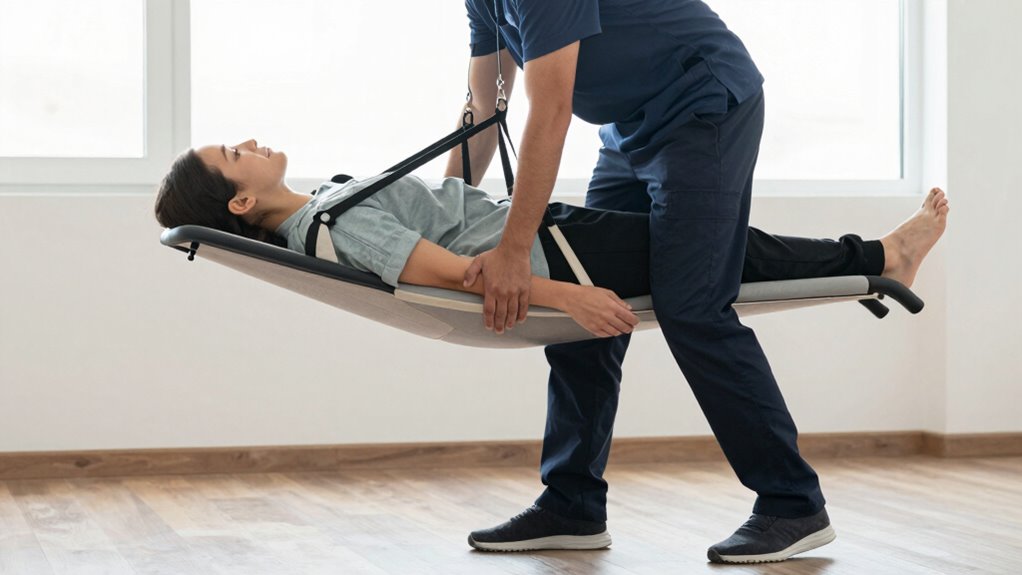
To protect yourself and your loved one during a transfer, using proper body mechanics is essential. Applying ergonomic techniques reduces strain and helps prevent injury for both of you. Focus on maintaining a stable base by keeping your feet shoulder-width apart and bend at your hips and knees, not your back. Engage your core muscles to support your movements. Here are three key tips:
Use proper body mechanics: keep feet shoulder-width apart, bend hips and knees, and engage your core for safe transfers.
- Keep the lift close to your body to reduce pressure on your back.
- Use your leg muscles instead of your back when lifting or repositioning.
- Avoid twisting your torso; pivot your feet instead to change direction safely.
Communicate Clearly During the Transfer
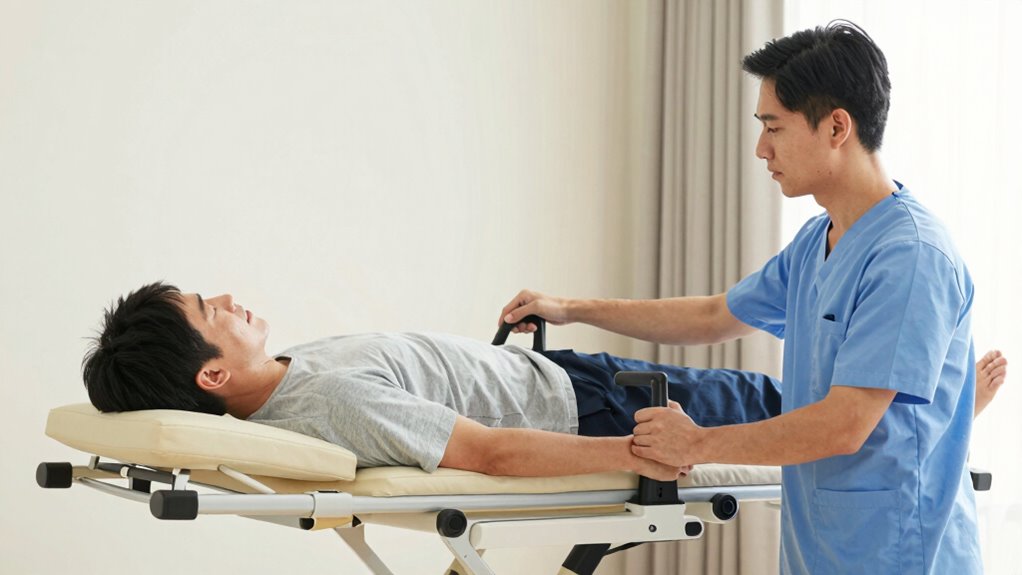
Clear communication is vital during a transfer to guarantee safety and comfort. Use simple verbal cues and verify that the person comprehends before moving. Keep your body language open and friendly to foster trust and cooperation.
Use Clear Verbal Cues
Effective communication is vital during a patient lift to guarantee a safe and smooth transfer. Using clear verbal cues helps your loved one understand what’s happening and reduces anxiety. To improve communication clarity, consider these tips:
- Speak calmly and confidently, giving precise instructions at each step.
- Use simple, direct verbal cues like “Lift now” or “Hold steady” to avoid confusion.
- Keep your tone reassuring, so your loved one feels safe and supported.
Confirm Understanding Before Moving
Before moving your loved one, make sure they’ve understood your instructions by asking them to confirm what will happen next. Clear communication helps guarantee their comfort and reduces anxiety during the transfer. Ask simple questions like, “Are you ready?” or “Do you understand what will happen now?” This step also provides an opportunity for your loved one to voice any concerns or discomfort. Confirming understanding supports patient comfort and helps you maintain caregiver support, as it fosters trust and cooperation. When you’re sure they’re ready, proceed calmly and confidently. Remember, taking a moment to verify understanding can prevent unnecessary stress or movement issues, making the transfer smoother for both of you. Clear, supportive communication is key to a safe, comfortable transfer.
Maintain Open Body Language
Maintaining open body language during the transfer helps guarantee your loved one feels safe and reassured. Your body language and nonverbal cues communicate confidence and calmness, easing their anxiety. To do this effectively:
- Keep your posture relaxed and face your loved one directly, showing you’re attentive.
- Use steady eye contact and gentle gestures to reinforce your support.
- Avoid crossing your arms or turning away, as these signals may seem dismissive or uncertain.
Secure Straps and Supports to Prevent Slips or Falls
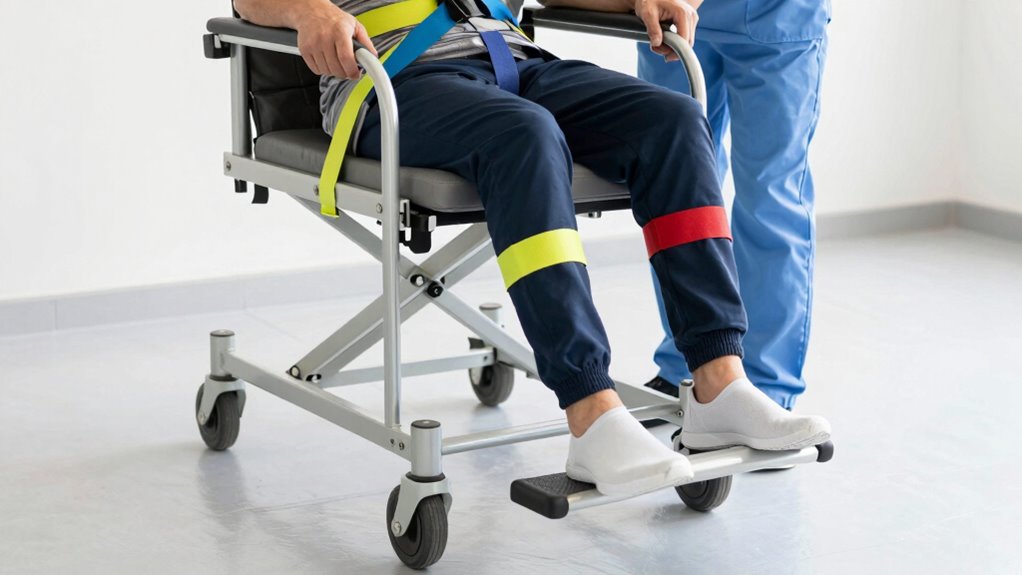
To prevent slips or falls during patient transfers, securing straps and supports on the lift is vital. Proper strap security ensures your loved one stays safely in place, reducing the risk of slip prevention issues. Before lifting, double-check that all straps are snug but comfortable. Attach supports firmly to the designated points on the patient’s body and the lift. Here’s a visual to help:
| Strap Type | Placement | Purpose |
|---|---|---|
| Chest Strap | Around the torso | Secure upper body |
| Leg Straps | Around thighs or calves | Prevent slipping |
| Support Belts | Around waist or hips | Maintain stability |
Ensure each strap is tight enough to hold securely but not so tight as to cause discomfort. Properly secured straps make all the difference in a safe transfer.
Troubleshoot Common Lift Problems and Fix Them

Are you encountering issues with your patient lift not functioning properly? Troubleshooting common issues is key to safe and effective lift use. First, check the lift’s power source—ensure batteries are charged and connections are secure. Second, review the lift’s maintenance schedule; regular lift maintenance helps prevent malfunctions. Third, inspect for loose or damaged parts, like hooks or straps, which can hinder operation. If the lift isn’t raising or lowering smoothly, it could be a hydraulic or motor problem. Always consult the user manual for specific troubleshooting tips and safety guidelines. Addressing these common issues promptly guarantees your lift operates safely, protecting your loved one from unnecessary risk. Regular maintenance and quick fixes keep the lift reliable and safe for everyday use.
After the Lift: Ensure Comfort, Safety, and Clean Your Equipment
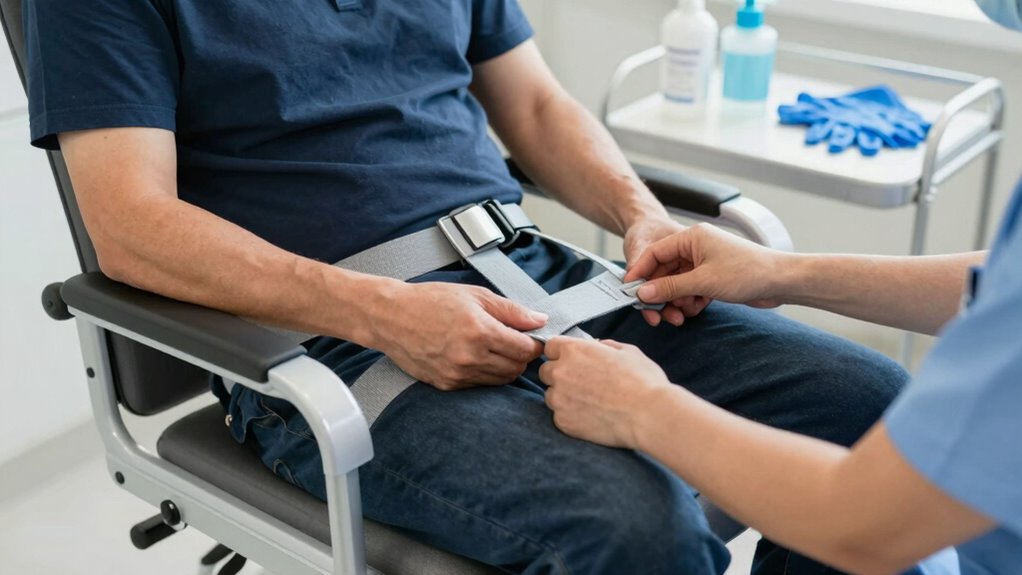
After you’ve safely lowered your loved one, taking a moment to guarantee their comfort and safety is essential. Check that they’re comfortable, with proper positioning and support, to promote post lift comfort. Ensure they feel secure before leaving them. Next, inspect the equipment for any signs of wear or damage, and clean it thoroughly according to manufacturer instructions. Proper equipment cleaning prevents infections and keeps the lift functioning smoothly. Wipe down the slings, straps, and other surfaces with disinfectant, and let everything dry completely before storing. Regularly maintaining your lift equipment not only prolongs its lifespan but also guarantees safety during future transfers. Prioritizing comfort, safety, and cleanliness creates a safer, more comfortable experience for both you and your loved one.
Frequently Asked Questions
How Do I Select the Right Patient Lift for My Loved One’s Needs?
You should choose a patient lift based on your loved one’s specific needs. First, check the lift capacity to make sure it can support their weight safely. Then, consider mobility features like adjustable height, ease of maneuverability, and transfer options. Think about their mobility level and any special requirements. Picking a lift with appropriate capacity and versatile features guarantees safe, comfortable transfers without risking injury.
What Are Signs That My Lift Needs Repairs or Replacement?
Think of your lift as a trusted friend—when it shows signs of wear, it’s time for attention. If you notice strange noises, sluggish movement, or uneven lifting, these are clear repair indicators. Regular lift maintenance keeps it running smoothly, preventing breakdowns. If repairs become frequent or the lift’s performance worsens, it’s a sign you should consider replacement. Staying vigilant guarantees your loved one’s safety and comfort.
How Can I Make My Home Environment More Lift-Friendly?
To make your home more lift-friendly, focus on home safety by removing tripping hazards and ensuring wide, clutter-free pathways. Invest in proper caregiver training so you know how to operate the lift safely and comfortably. Install sturdy, accessible grab bars and secure flooring to prevent slips. These steps help protect both you and your loved one, creating a safer environment for lifting and daily activities.
Are There Specific Clothing or Accessories I Should Avoid During Transfers?
Think of clothing and accessories as potential tripwires during transfers. You should avoid loose, baggy clothing that could catch or bunch, making the process unstable. Stick to snug, secure garments. Also, skip jewelry, watches, or scarves that could snag on equipment. These clothing restrictions and accessory considerations help guarantee a smooth, safe transfer, preventing slips or injuries. Keep it simple and secure for your loved one’s safety.
How Do I Handle Emergencies or Unexpected Issues During a Lift?
In emergencies or unexpected issues during a lift, stay calm and act quickly. Use your emergency preparedness plan and clear communication strategies to alert others and get help if needed. Keep the lift area clear, and don’t hesitate to pause or adjust the equipment if safe. Remember, staying composed and following your training helps prevent injuries and ensures your loved one’s safety during unexpected situations.
Conclusion
Think of using a patient lift like steering a gentle boat through calm waters. With the right tools, clear communication, and careful attention, you guide your loved one safely and smoothly. When you prioritize safety and comfort, you create a journey that’s reassuring and steady—turning a challenging task into a shared voyage of care. Trust in your preparation, and you’ll navigate every transfer with confidence and compassion.