
To guarantee your loved one’s safety using a portable oxygen concentrator, make sure they follow proper handling, keep the device well-maintained, and watch for signs of malfunctions. Safety features like alarms and rugged casings help prevent accidents, but it’s vital to monitor usage and respond quickly if issues arise. Staying informed about best practices and emergency steps can greatly improve safety, and if you want to learn more about keeping them protected, continue exploring these essential tips.
Key Takeaways
- Ensure proper device handling, regular maintenance, and filter cleaning to maintain safety and performance.
- Monitor for device alarms or malfunctions and address issues immediately following manufacturer guidelines.
- Keep the concentrator away from heat, flames, and obstructed vents to prevent hazards.
- Educate your loved one on correct usage, battery management, and emergency procedures.
- Schedule routine inspections and follow safety tips to prevent accidents and ensure reliable oxygen supply.
portable oxygen concentrator safety alarms
As an affiliate, we earn on qualifying purchases.
As an affiliate, we earn on qualifying purchases.
How Portable Oxygen Concentrators Work and Their Safety Features
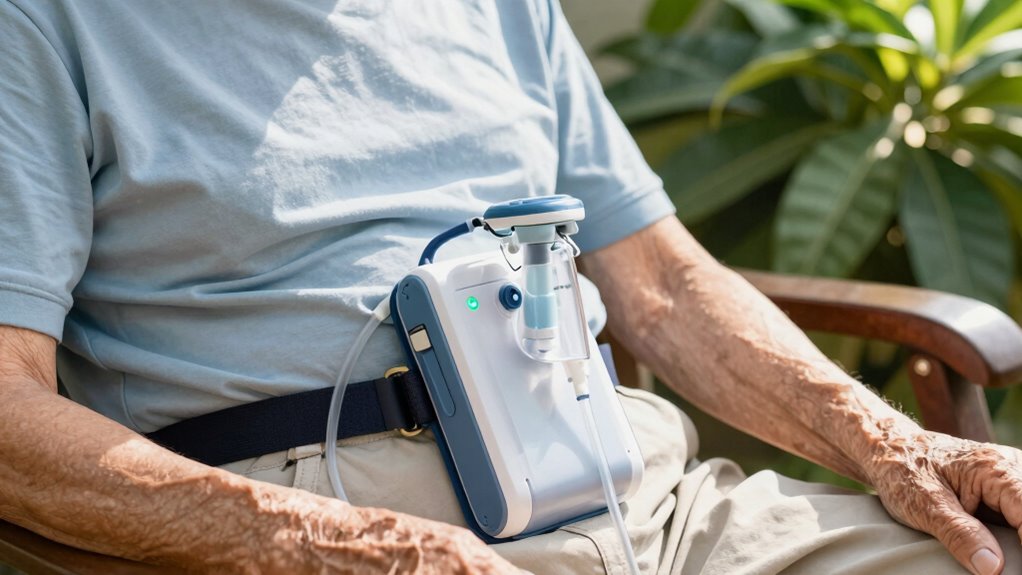
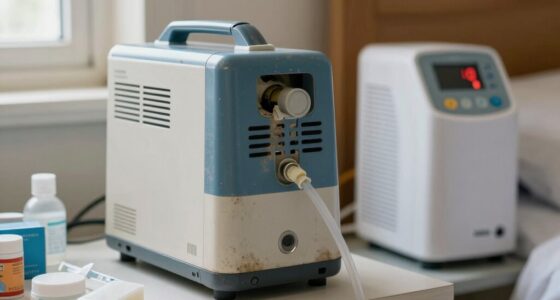
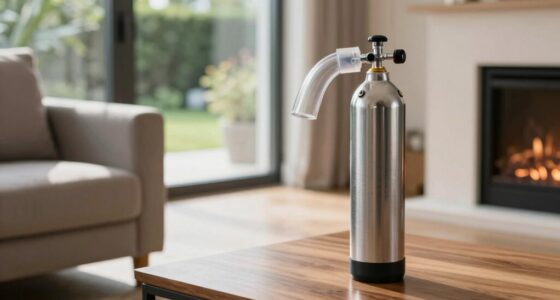
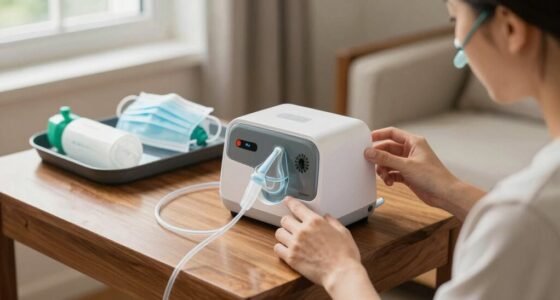
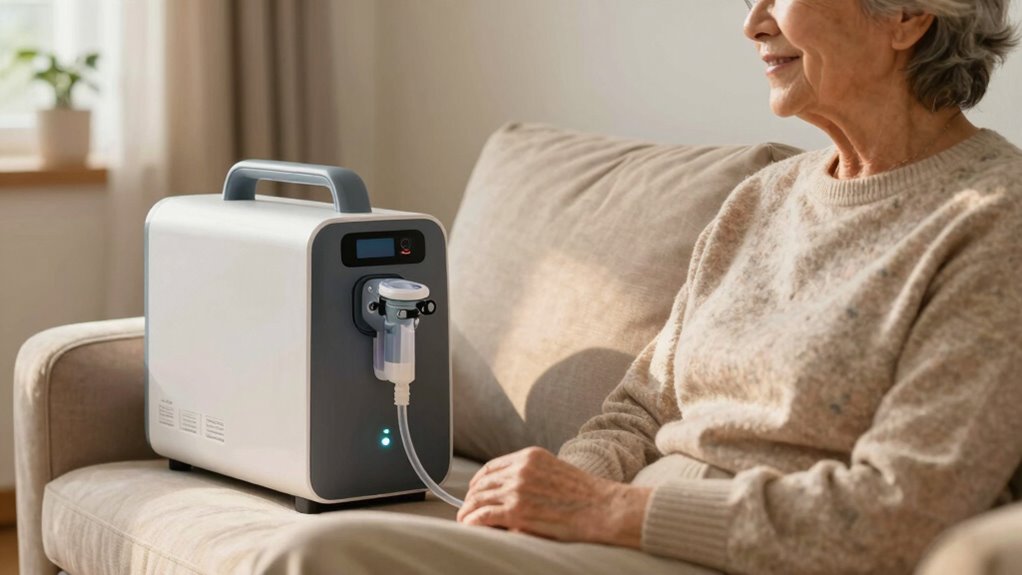
Portable oxygen concentrators (POCs) are compact devices that provide a continuous supply of oxygen by filtering ambient air. They use advanced oxygen concentrator technology to separate oxygen from nitrogen and other gases, delivering pure oxygen to you through a nasal cannula or mask. The portable device design guarantees lightweight, ergonomic handling, making it easy to carry wherever you go. Safety features are built into these devices, such as alarms that alert you to low oxygen levels, battery status, or malfunctions. Many POCs also include rugged casing to protect internal components. These innovations help ensure your safety and reliable oxygen delivery. Incorporating balanced designs and attention to detail in the device’s construction further enhances user safety and comfort. Proper device maintenance—including regular cleaning and inspection—can significantly reduce risks associated with use. Being aware of device safety features can help users respond promptly to potential issues and maintain safe operation throughout use.
Proper Usage and Handling Tips to Prevent Accidents With Portable Oxygen Devices
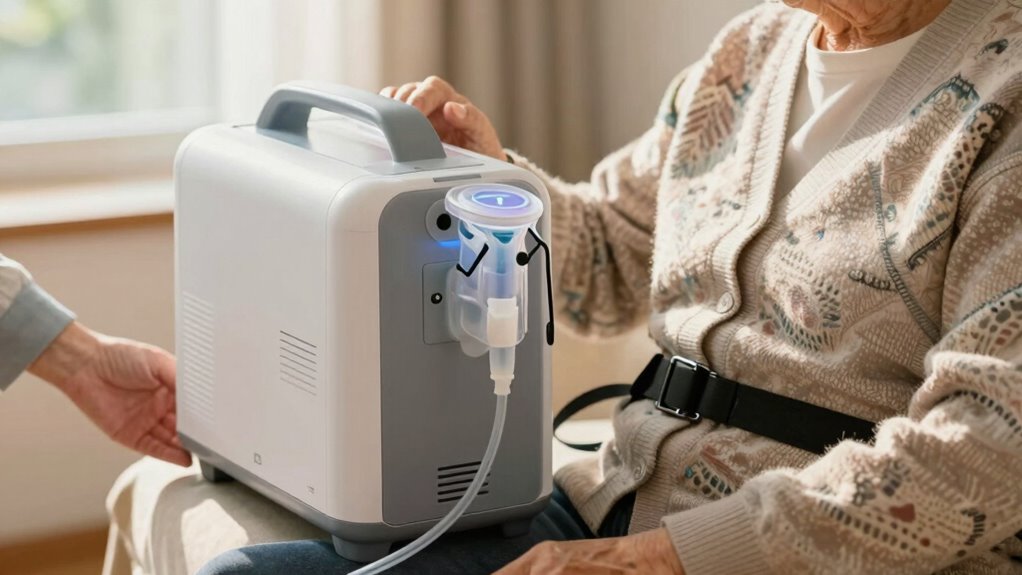
To prevent accidents with your oxygen device, it is vital to handle it with care and follow proper usage guidelines. First, always read the manufacturer’s instructions to avoid common oxygen therapy myths and portable device myths that can lead to misuse. Keep the device away from heat sources and open flames. Handle it gently when moving or cleaning, and never block the airflow vents. Ensure the battery is charged correctly and stored safely. Avoid overloading or mishandling, which can damage the unit or cause malfunctions. Remember that home workouts should feel simple, safe, and confidence-building, and applying the same principles to handling medical devices helps promote safety. Proper device handling and safety protocols are essential for preventing accidents and ensuring reliable oxygen delivery. Being aware of contrast ratio and its importance can help you understand how to better monitor your device’s performance in different environments. Additionally, understanding vetted information can guide you in making informed decisions about your device’s maintenance and use. Regularly updating your knowledge about device safety features can further enhance your safety measures. Here’s a quick guide:
| Do’s | Don’ts |
|---|---|
| Follow manufacturer guidelines | Ignore safety instructions |
| Keep vents clear | Block airflow |
| Regularly inspect for damage | Expose to heat or flames |
Routine Maintenance and Inspection Practices for Ensuring Safe Operation
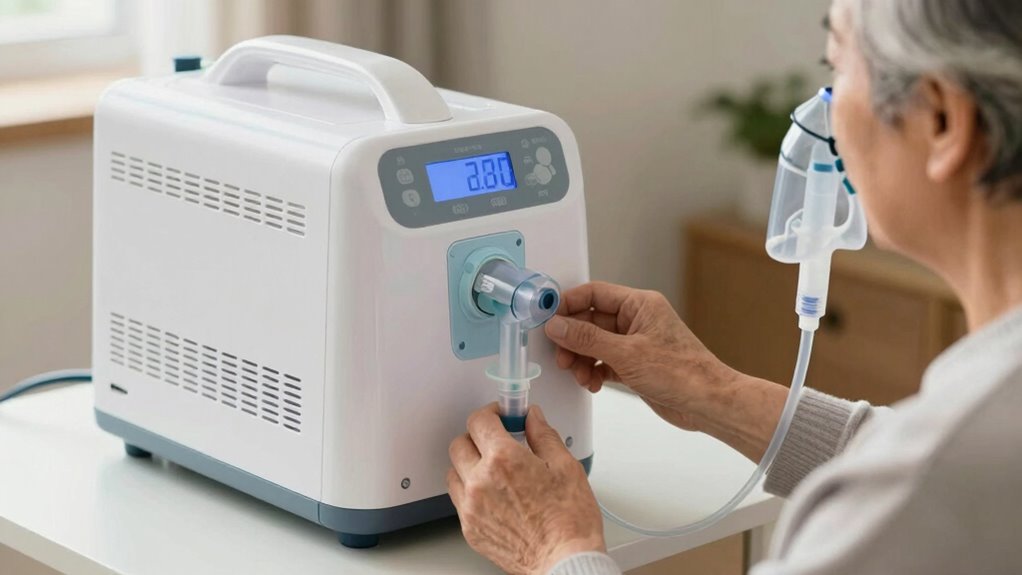
Regular maintenance and thorough inspections are essential for keeping your oxygen concentrator operating safely and efficiently. Check the battery life regularly to confirm it holds a charge and replace batteries when they weaken. Inspect the device for any signs of damage or wear, such as cracks or leaks. Test the oxygen purity with the device’s indicator or as recommended by the manufacturer, ensuring it consistently delivers the correct oxygen levels. Clean or replace filters as instructed, since clogged filters can affect performance. Keep vents unobstructed to prevent overheating. Maintaining ideal battery performance and verifying oxygen purity help prevent malfunctions that could compromise safety. Additionally, understanding how Lifevest Advisors systems are assembled and maintained can inform proper care and troubleshooting of complex equipment. Proper ventilation and airflow are vital in preventing overheating and ensuring optimal device function. Ensuring proper device calibration and following manufacturer guidelines can further enhance safety and reliability. Regularly reviewing maintenance schedules helps keep your loved one’s concentrator in top condition. Consistent inspections and timely maintenance keep your loved one’s concentrator functioning reliably, reducing the risk of interruptions or safety issues.
Emergency Preparedness: What to Do If Your Loved One Experiences a Safety Issue
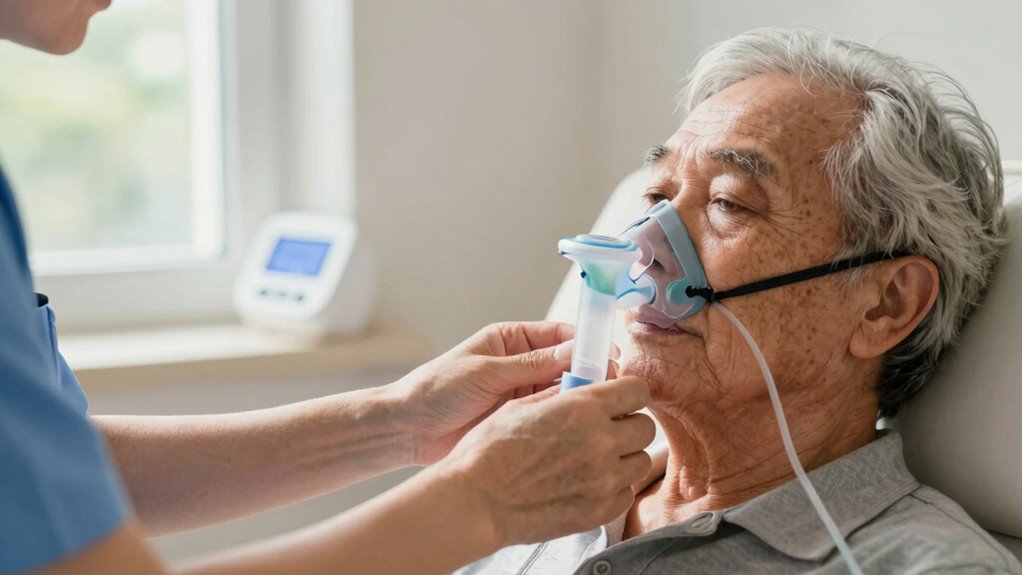
Maintaining your oxygen concentrator through routine inspections helps prevent many issues, but it’s also important to be prepared in case a safety problem arises. If you notice signs of trouble, like unusual smells, sparks, or fire hazards, turn off the device immediately and unplug it. Ensure your loved one is in a safe location away from flammable materials. Call emergency contacts, such as your local fire department and healthcare provider, to report the issue. Keep a fire extinguisher nearby and know how to use it. Stay calm and assist your loved one in safely moving to a secure area if needed. Regularly checking for device malfunction can help identify potential problems early and prevent more serious incidents. Being ready to respond quickly can prevent injuries and reduce risks associated with oxygen equipment malfunctions. Additionally, familiarizing yourself with security zone info can enhance overall safety during emergencies. Regular maintenance and understanding how to recognize oxygen safety protocols further contribute to a safer environment. Remember that keeping emergency preparedness supplies accessible is vital for swift action during an emergency. Moreover, understanding how to interpret device alerts can provide early warnings and improve response times.
Recognizing Signs of Malfunction and When to Seek Professional Assistance
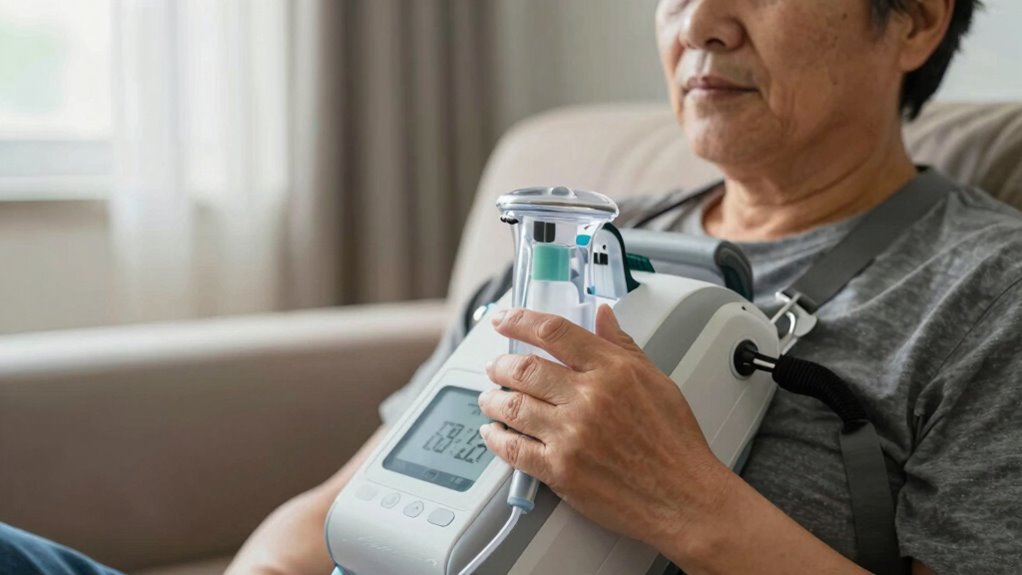
Being able to recognize the early signs of a malfunction can prevent serious safety risks. Pay close attention to device alarms, as they’re designed to alert you to potential issues. Malfunction indicators might include reduced oxygen flow, unusual noises, or the device shutting off unexpectedly. If you notice any of these signs, don’t ignore them. Check the device’s display panel for warning messages or indicator lights. Ensure the concentrator is properly plugged in and the filters are clean. If alarms sound or malfunction indicators appear, turn off the device and contact a professional for inspection. Additionally, understanding nanotechnology advancements can help in choosing more reliable and innovative medical devices. It’s also advisable to review the manufacturer’s instructions regularly to stay informed about proper maintenance procedures. Regular maintenance, device calibration, and staying updated on technological advancements are essential for optimal performance and safety. Familiarizing yourself with air purifier maintenance dos and don’ts can also help in ensuring your equipment functions correctly. Promptly seeking assistance can prevent interruptions in oxygen delivery and reduce safety hazards, ensuring your loved one remains safe and protected.
Frequently Asked Questions
Can Portable Oxygen Concentrators Be Used During Air Travel?
Yes, you can use a portable oxygen concentrator during air travel. You must follow airline regulations and portable device requirements, which often include notifying the airline beforehand, bringing necessary documentation, and ensuring your device complies with safety standards. Check with your airline for specific policies, pack your concentrator properly, and arrive early to handle any paperwork. This way, your loved one stays safe and comfortable throughout the journey.
Are There Age Restrictions for Operating Portable Oxygen Devices Safely?
Age restrictions for operating portable oxygen devices vary, but generally, children should have device training and supervision to guarantee safety. Adults of any age can use these devices safely if they understand how to operate them properly. Always check specific manufacturer guidelines and consult healthcare professionals about age restrictions. Proper device training is essential to avoid accidents and ensure your loved one uses the concentrator safely and effectively.
How Do Weather Conditions Affect the Safety of Portable Oxygen Use?
Weather conditions can turn your loved one’s portable oxygen journey into a wild ride. Extreme temperatures, like scorching heat or freezing cold, pose serious temperature concerns that affect device performance and safety. Rain or snow can damage the equipment or cause slips. Always prioritize weather safety by avoiding outdoor use during harsh conditions, keeping the concentrator in a sheltered spot, and monitoring temperature warnings to guarantee safe oxygen delivery.
What Are Common User Errors That Could Compromise Safety?
You need to stay alert for common user errors that could compromise safety. Always perform regular device maintenance and check for any signs of damage or blockages. Handle the portable oxygen concentrator properly, avoiding dropping or mishandling it. Remember to refill or replace the oxygen supply as needed and keep the device clean. By following these steps, you guarantee safe use and prevent potential hazards while keeping your loved one safe.
Is It Safe to Use Portable Oxygen Concentrators Around Pets?
Yes, using portable oxygen concentrators around pets is generally safe, but you should always prioritize pet safety. Keep the device at a safe distance to prevent pet interference or accidental damage, and guarantee proper ventilation to avoid oxygen toxicity. Never leave the concentrator unattended with pets and check for any signs of distress. Regularly monitor your pets and maintain the device to ensure safe and effective oxygen therapy.
Conclusion
So, while your loved one’s portable oxygen concentrator is designed to keep them safe, it’s funny how we sometimes forget that safety depends on us. Regular checks, proper handling, and quick action can prevent accidents—yet it’s easy to assume all is well until a malfunction strikes. Ironically, the device’s safety features won’t help if you ignore them. Stay vigilant; sometimes, the best protection is just paying attention.