To reduce nighttime falls in Alzheimer’s patients, create a safe bedroom with bright yet even lighting, remove clutter, and secure rugs. Establish calming bedtime routines to promote better sleep and reduce confusion. Use assistive devices like grab bars, walkers, and alarms for extra support. Regularly assess the environment for hazards and seek professional advice if falls continue. Keep your loved one safe and secure—learn how to implement these effective strategies.
Listen free for 30 days with Audible
Thousands of audiobooks and originals — cancel anytime.
As an affiliate, we earn on qualifying purchases.
Key Takeaways
- Implement environmental modifications like bright lighting, clutter removal, and nightlights to improve visibility and prevent trips.
- Establish calming bedtime routines and secure sleep environments to reduce agitation and wandering behaviors.
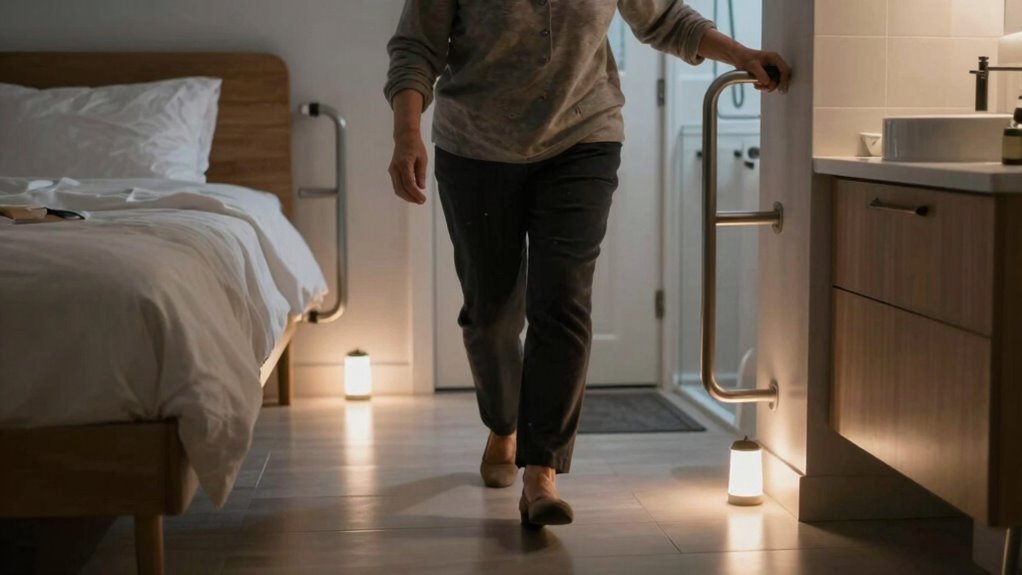
- Use assistive devices such as grab bars and walkers to enhance stability during nighttime movements.
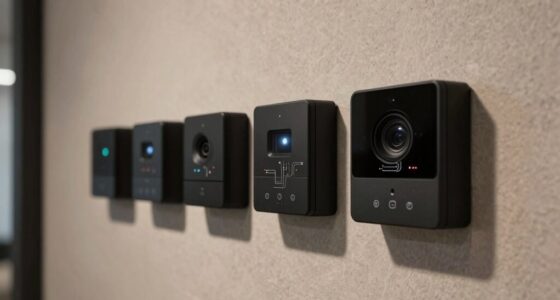
- Install monitoring technology like bed alarms and motion sensors for early detection of wandering or unsafe activity.
- Conduct regular home safety evaluations and consult healthcare professionals to identify hazards and customize fall prevention strategies.
As an affiliate, we earn on qualifying purchases.
Why Nighttime Falls Are Common in Alzheimer’s Patients

Nighttime falls are common in Alzheimer’s patients because the disease affects their ability to recognize hazards and judge distances, making them more prone to tripping or stumbling. Sleep disturbances are frequent, leading to restlessness and difficulty settling down at night. These disruptions can cause patients to wake frequently or experience confusion, increasing the chance of accidents. Wandering behavior is another significant factor, as individuals may leave their safe environment without realizing the risks. They might walk aimlessly, often in unfamiliar or unsafe areas, without understanding potential dangers. This combination of sleep problems and wandering behavior heightens the likelihood of falls during nighttime hours. Recognizing these behaviors helps caregivers anticipate risks and implement strategies to reduce fall incidents. Implementing safety measures such as bed alarms or improved lighting can further help prevent injuries during these episodes. Additionally, understanding the impact of contrast ratio on visual perception can assist in designing safer environments that reduce fall risks, especially considering how visual perception is affected by visual contrast sensitivity in older adults. Proper lighting with high visual contrast can significantly improve visibility and help prevent falls during nighttime. Moreover, ensuring that environmental factors like lighting quality are optimized can make a substantial difference in reducing hazards for those with impaired vision.
How to Create a Safer Bedroom Environment for Night Safety

Creating a safer bedroom environment is essential for reducing fall risks among Alzheimer’s patients. Start by improving lighting—use nightlights and ensure bulbs are bright enough to avoid shadows, helping your loved one see clearly. Rearrange furniture to create clear pathways, removing clutter and sharp-edged pieces that could cause injury. Secure rugs or remove them altogether to prevent tripping. Consider placing essential items within easy reach, reducing the need to stand or stretch. Use the following table to visualize key safety adjustments:
| Safety Feature | Details | Emotional Impact |
|---|---|---|
| Bright, even lighting | Avoid shadows, use nightlights | Feel confident steering space |
| Clear pathways | Remove obstacles, secure cords | Less anxiety, greater independence |
| Accessible essentials | Keep water, glasses nearby | Comfort and reassurance |
| No sharp furniture | Replace or cushion sharp edges | Prevents injuries, promotes peace |
| Non-slip surfaces | Use rugs with non-slip backing | Confidence in every step |
Additionally, ensuring good air quality can contribute to overall well-being, reducing discomfort and helping maintain alertness during nighttime hours. Proper ventilation and air purification can also reduce airborne irritants, which may disturb sleep or cause breathing issues. Regularly monitoring and maintaining ventilation systems can further enhance safety and comfort in the bedroom environment. Moreover, incorporating smart lighting technology can automatically adjust illumination levels, further supporting safe navigation during nighttime hours.
Simple Bedtime Routines and Behavior Tips to Prevent Falls

Implementing simple bedtime routines can substantially reduce the risk of falls for Alzheimer’s patients. Establishing a calming pre-sleep routine helps regulate their dream patterns, leading to more peaceful sleep and fewer nighttime awakenings. Consider reading short, soothing bedtime stories to create a predictable and comforting environment. Keep the routine consistent each night to reinforce a sense of security. Gentle activities like dimming lights, soft music, or deep breathing can signal that it’s time to wind down. Avoid overstimulating activities or abrupt changes in routine, as these can lead to confusion or agitation. When your loved one feels secure and relaxed, they’re less likely to wander or attempt unsafe movements during the night, reducing fall risks and promoting restful sleep. Using bedside safety measures such as night lights and clear pathways can further help prevent falls during nighttime movements. Additionally, maintaining a consistent sleep environment can further enhance their sense of security and reduce nighttime disturbances. Incorporating behavior management techniques can also help minimize agitation that might otherwise lead to unsafe behaviors during the night. Employing auditory environment adjustments, like gentle background sounds, can also contribute to a calming atmosphere that supports safer sleep. Creating a safe and comfortable sleep space tailored to their needs can further lower the risk of nighttime falls and ensure a more restful environment.
Assistive Devices and Technology to Keep Your Loved One Safe at Night
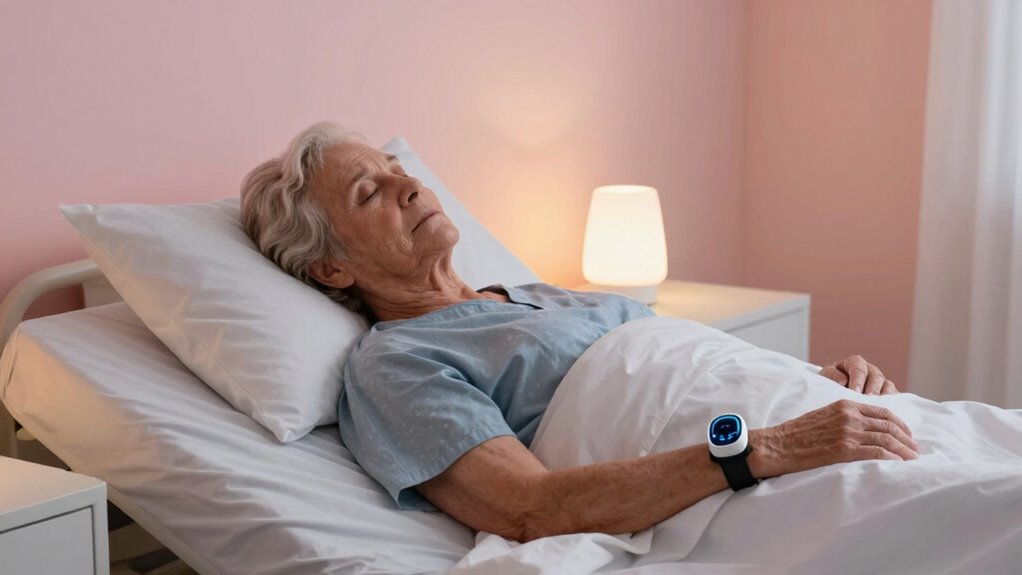
Using assistive devices and technology can considerably enhance safety for your loved one during the night. Wearable alarms alert you immediately if they try to get up, preventing falls. Motion sensors placed around the bed or hallway detect movement and trigger alerts if your loved one wanders. These tools work together to create a safer environment. Consider the options below:
| Device Type | Function | Benefits |
|---|---|---|
| Wearable alarms | Notify caregivers of movement | Immediate response |
| Motion sensors | Detect wandering or getting up | Prevent falls before they happen |
| Bed alarms | Alert when bed is vacated | Ensures supervision at night |
Using these devices helps you respond quickly, providing peace of mind and better safety for your loved one. Additionally, understanding home safety systems can help you integrate these tools effectively into your loved one’s environment. Incorporating risk reduction strategies such as proper lighting and clear pathways can further decrease the likelihood of nighttime falls. Making your home elderly safe involves evaluating and adjusting your environment to support your loved one’s needs. Implementing these measures can also improve overall elderly safety in your loved one’s home.
When to Seek Professional Help for Fall Prevention
Knowing when to seek professional help is crucial if your loved one’s falls become frequent or cause injuries. If you notice a pattern of repeated falls, it’s time to consult healthcare providers who can review medication management, ensuring medications don’t contribute to dizziness or balance issues. They can also assess underlying health conditions that increase fall risk. Additionally, if falls lead to injuries, seek immediate medical attention and discuss strategies for emergency preparedness, so you’re ready to respond effectively. Professionals can recommend personalized interventions, such as physical therapy or environmental modifications, to improve safety. Regular falls risk assessments can help identify potential hazards early and prevent future incidents. Moreover, utilizing home safety evaluations can uncover environmental factors that may contribute to falls and should be addressed promptly. Incorporating assistive devices like grab bars or walkers might further reduce the risk. Implementing a comprehensive fall prevention plan with healthcare professionals can provide ongoing support and adjustments. Staying informed about fall prevention strategies tailored to your loved one’s needs can also enhance safety. Don’t wait for a serious incident; proactive professional guidance can help prevent future falls and keep your loved one safe at night.
Frequently Asked Questions
What Are the Latest Innovations in Fall Prevention Technology?
You can benefit from the latest innovations like wearable sensors and smart flooring to prevent falls. Wearable sensors monitor movement and alert caregivers if unusual activity occurs, while smart flooring detects weight shifts and sudden impacts, triggering alerts in real time. These technologies work together to create a safer environment, helping you respond quickly and prevent injuries, especially during nighttime when risks are higher.
How Can Family Members Best Support Nighttime Safety Efforts?
You can best support nighttime safety efforts by fostering open caregiver communication, ensuring your loved one feels comfortable sharing concerns. Follow safety protocol adherence consistently, like keeping pathways clear and using appropriate lighting. Gently remind them of routines, and stay attentive without causing frustration. Your calm presence reassures them, making safety a shared goal. By actively engaging and maintaining a compassionate approach, you help create a secure environment during those delicate nighttime hours.
Are There Specific Medications That Increase Fall Risk?
Certain medications can increase fall risk due to their side effects, like dizziness, drowsiness, or impairing coordination. You should be aware of these medication side effects and discuss fall risk awareness with your loved one’s healthcare provider. Always review medication labels and ask about potential fall risks before starting new treatments. Staying informed helps you prevent nighttime falls and keeps your loved one safer during their care.
How Do Environmental Factors Like Lighting Affect Fall Prevention?
Think of your home as a lighthouse guiding someone safely through fog. Good lighting conditions act as that beacon, illuminating pathways and highlighting environmental hazards. Proper lighting reduces shadows and dark spots, making it easier for Alzheimer’s patients to navigate safely. By addressing environmental hazards with adequate lighting, you create a safer environment that minimizes fall risks and promotes independence during nighttime hours.
What Emotional or Behavioral Changes Might Signal Increased Fall Risk?
You might notice emotional instability or behavioral agitation, such as increased restlessness, confusion, or aggression, which can signal a higher fall risk. When patients become more emotionally upset or agitated, they may move unpredictably or attempt to get up suddenly, risking falls. Paying close attention to these changes helps you intervene early, providing reassurance and support to minimize the chance of accidents during their increased emotional or behavioral episodes.
Conclusion
While it’s ironic that the very efforts to keep your loved one safe can feel like a full-time job, remember, small changes make a big difference. By creating a secure environment and using helpful tech, you can reduce nighttime falls—yet, they might still happen. But don’t get discouraged; even the best plans aren’t foolproof. Sometimes, the best you can do is stay vigilant, because in the end, safety is a constant work in progress.
NFL season / tailgating Picks
team gear
As an affiliate, we earn on qualifying purchases.