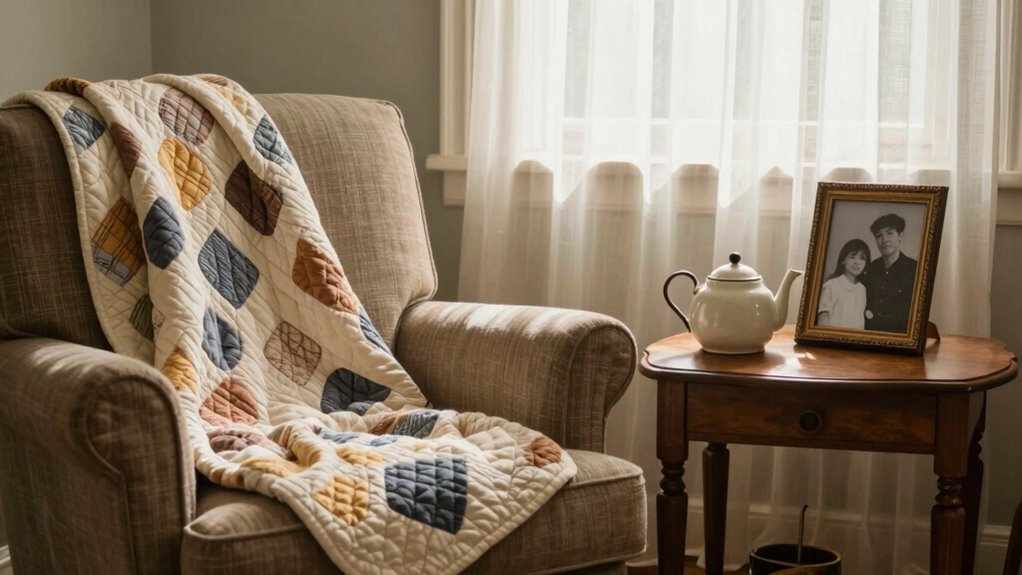

Familiar objects help reduce stress in memory care by evoking positive memories, creating a sense of safety, and encouraging emotional connections. When you provide residents with personal items like photos, keepsakes, or favorite textiles, they feel more secure and engaged. These objects support recognition, reduce confusion, and promote comfort during stressful moments. By understanding how these items impact emotional well-being, you’ll discover ways to create a calming environment that feels more like home—if you choose to explore further.

Turn quiet afternoons into listening time
- Thousands of audiobooks, podcasts and originals
- Listen on your phone, tablet or Echo — also offline
- Cancel anytime
Key Takeaways
- Familiar objects evoke positive memories and emotional connections, creating comfort and reducing anxiety for residents.
- They provide a sense of safety and security, helping residents reconnect with their identities.
- Incorporating familiar items into routines reinforces stability, minimizing confusion and agitation.
- These objects stimulate sensory responses like touch, smell, and sight, promoting calmness and recognition.
- Personalized belongings foster emotional bonding and a sense of belonging, enhancing overall well-being.
As an affiliate, we earn on qualifying purchases.
Why Familiar Objects Help Calm Memory Care Residents
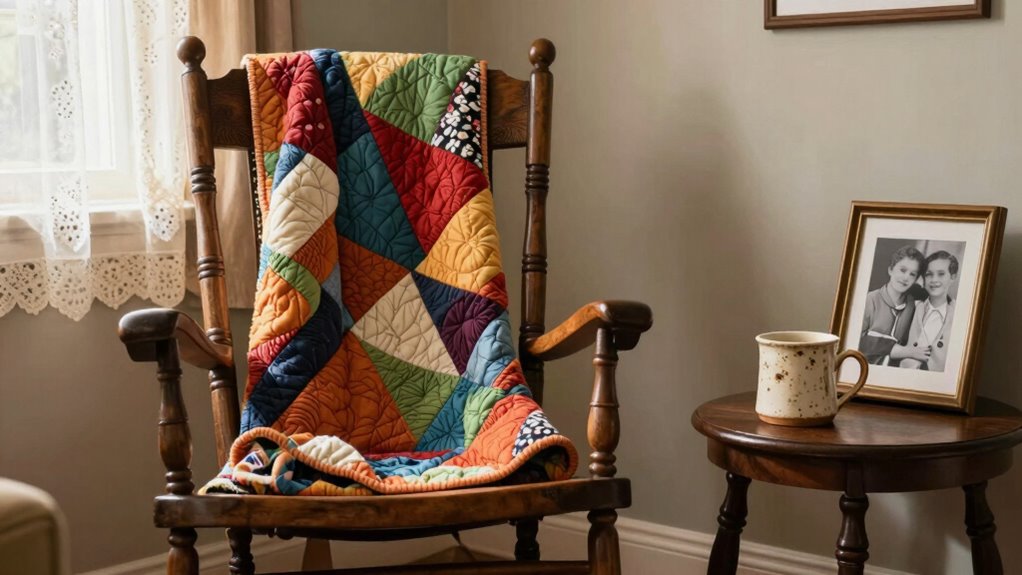
Familiar objects play a crucial role in calming memory care residents because they provide a sense of comfort and security. Theoretical frameworks, such as sensory integration, explain how these objects engage the senses to create a calming effect. When residents interact with familiar items, their brains connect these objects to positive memories, reducing anxiety. Sensory input from familiar objects helps ground residents in the present moment, easing feelings of confusion or agitation. By stimulating multiple senses—touch, sight, even smell—these objects foster a sense of stability and familiarity. This approach aligns with the idea that consistent sensory cues can help residents navigate their environment more comfortably, promoting relaxation and reducing stress in a meaningful, scientifically supported way. Additionally, incorporating personalized items tailored to individual preferences can enhance the effectiveness of these calming strategies. Recognizing the importance of sensory stimulation underscores how essential these objects are in creating a soothing environment that supports emotional well-being. For example, integrating familiar scents can further enhance sensory engagement and comfort. Understanding the role of sensory cues in memory care highlights how thoughtful object selection can significantly improve residents’ quality of life. CrowdStrike outage incidents highlight the importance of cybersecurity measures in protecting sensitive environments like memory care facilities.
How Personal Items Foster Security and Recognition
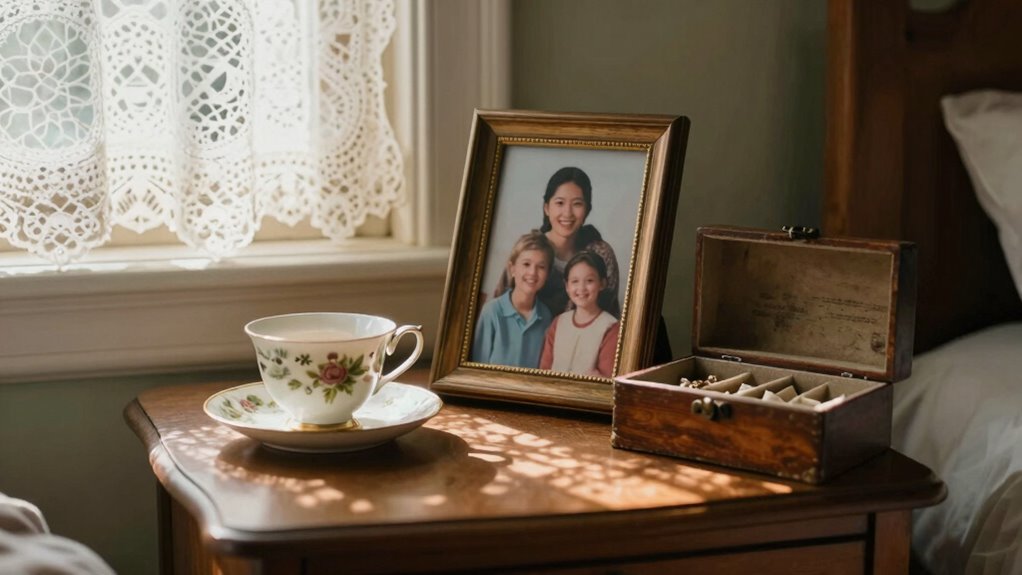
Personal items can trigger memories and make you feel more at ease. When you recognize your belongings, they promote comfort and familiarity. This recognition helps reduce anxiety and creates a sense of security. Incorporating familiar objects with color accuracy can further enhance their calming effects by providing consistent visual cues. Additionally, using visual cues with accurate colors can strengthen the connection between the object and its associated memory, amplifying its comforting effect. Leveraging smart home technology to maintain consistent environmental cues can also support familiar surroundings and reduce confusion. Recognizing the importance of cultural beliefs surrounding personal items can help tailor interventions to individual preferences and backgrounds. Understanding the role of sensory stimulation can further deepen the positive impact of familiar objects on memory and comfort.
Familiar Objects Trigger Memories
When you see a treasured object from your past, it can instantly evoke memories and emotions that provide comfort in stressful moments. Familiar objects serve as powerful symbols, or object symbolism, connecting you to meaningful events or people. These items activate sensory associations—like the smell of a favorite perfume or the texture of a cherished fabric—that anchor you to your history. As a result, they trigger vivid memories, helping you feel more grounded and secure. This connection can reduce anxiety by reminding you of a stable identity and past experiences. When you encounter an object that resonates with your personal story, it acts as a bridge to your memories, fostering recognition and emotional safety amid uncertainty. Incorporating sensory stimulation through familiar objects can further enhance this effect by engaging multiple senses to reinforce memory recall. Additionally, understanding the importance of object symbolism in memory recall highlights how these items can be strategically used to support emotional well-being. Recognizing the role of emotional associations can help caregivers select items that meaningfully resonate with individuals’ histories, and integrating psychological assessment tools can assist in understanding personal preferences and triggers more comprehensively. Moreover, personalized interventions that include familiar objects are increasingly recognized as effective strategies in memory care to promote comfort and stability.
Personal Items Promote Comfort
Objects that hold personal significance do more than trigger memories—they actively promote feelings of safety and reassurance. When you include personal items, such as a favorite blanket or a cherished photo, they provide sensory stimulation that can soothe and comfort. These familiar objects help create an environment where residents feel more secure, reducing anxiety and agitation. Including personal items can also serve as a point of connection, encouraging residents to share stories or memories related to their belongings. Personal items also encourage social interaction, giving residents something to share or talk about, fostering connections with caregivers and loved ones. By surrounding individuals with meaningful belongings, you help reinforce their identity and independence. This sense of familiarity and comfort is essential in memory care, as it creates a supportive space where residents can feel calm, recognized, and valued. Additionally, integrating sensory-rich objects can support auditory processing by providing familiar sounds or cues that reinforce recognition and reduce stress. Utilizing exposure to familiar objects can further enhance residents’ sense of stability and well-being.
Recognizable Items Reduce Anxiety
Recognizable items can considerably reduce anxiety by providing a sense of familiarity and security. When you offer personal objects, they serve as powerful tools for sensory stimulation and cognitive engagement, helping individuals reconnect with their memories. These familiar items create a calming environment, making it easier for residents to feel grounded and less overwhelmed. By engaging their senses through familiar textures, scents, or visuals, you support their emotional well-being. Recognizable objects act as anchors, helping residents navigate their surroundings with confidence. This sense of security lessens feelings of confusion and agitation, fostering a peaceful atmosphere. Incorporating organized documents and familiar items in daily routines helps reduce anxiety and promotes a more comfortable, supportive environment for those in memory care. Additionally, reinforcing familiar routines can further enhance feelings of stability and trust. Using personal belongings as sensory tools can also deepen emotional connections and memories, further supporting overall well-being. Creating a consistent environment helps residents feel more secure and reduces stress levels. Including biodiversity principles in designing spaces can also contribute to a more calming and engaging environment.
The Top Types of Familiar Objects for Comfort

Familiar objects offer a quick and effective way to soothe stress, providing a sense of stability in uncertain moments. For residents, items that evoke positive memories are especially comforting. Common choices include photographs, favorite books, or personal keepsakes. Incorporating these objects into art therapy sessions enhances sensory stimulation, helping residents reconnect with their emotions and memories. Soft textiles like blankets or plush toys also serve as tactile comfort objects, engaging the senses and promoting calmness. Musical items or familiar jewelry can stimulate memories through sound and touch. These familiar objects create a safe environment, helping reduce anxiety and foster emotional well-being. Additionally, vintage or classic items can evoke nostalgia and deepen emotional connections for residents familiar with those eras. By selecting items that resonate personally, you support residents’ comfort and their ability to find peace in everyday moments.
Tips for Choosing Meaningful Items for Residents
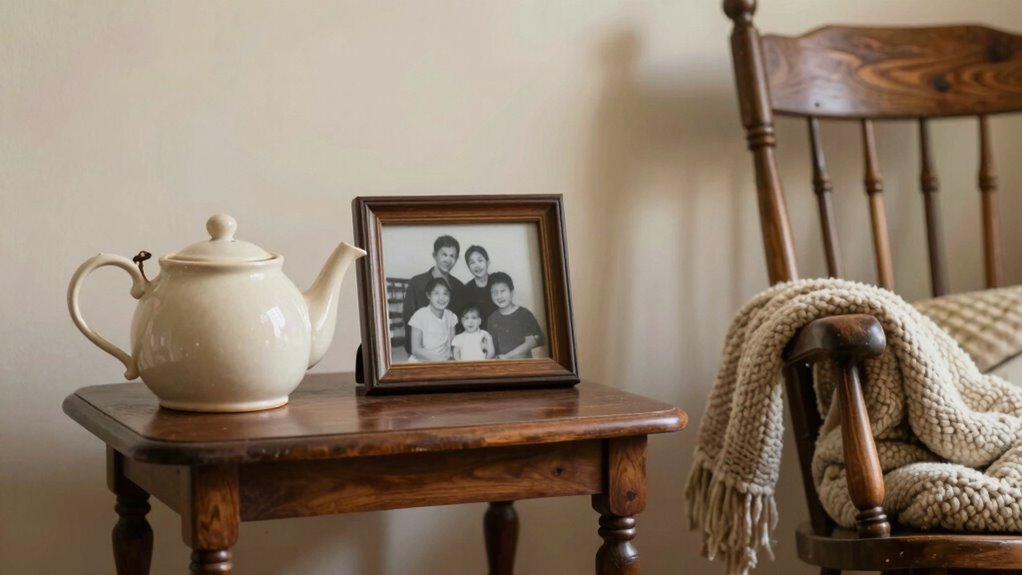
When selecting meaningful items for residents, focus on personalizing objects that hold significant value to them. Incorporate their interests and memories to make each item truly special. Always prioritize comfort and safety to guarantee the objects bring reassurance without risk.
Personalize Items Significantly
Choosing meaningful items for residents can considerably boost their comfort and emotional well-being. Personalizing objects helps create a sense of familiarity and security. Consider selecting items that reflect their history and personality, such as:
- Decorative art featuring family photos or cherished memories.
- Household tools they used daily, like a favorite spoon or sewing kit.
- Personal mementos that evoke positive feelings or past experiences.
- Items with historical or cultural significance to their background.
Incorporate Resident Interests
Incorporating residents’ interests into their belongings shows you value their individuality and helps create a more meaningful environment. When selecting items, consider their hobbies, favorite music, or past experiences. For example, if a resident enjoys music therapy, include familiar songs or musical instruments to evoke positive memories. Incorporating objects linked to their hobbies can also promote sensory stimulation, encouraging engagement and emotional connection. Choosing meaningful items tailored to their preferences helps reduce stress and anxiety by fostering a sense of familiarity. Be attentive to details that resonate with their personal history—this makes interactions more genuine. Ultimately, when residents see their interests reflected in their surroundings, it reinforces their identity and promotes a calming, enriching atmosphere.
Prioritize Comfort and Safety
While selecting meaningful objects that reflect residents’ interests enhances their environment, it’s equally important to prioritize their comfort and safety. Focus on items that promote sensory stimulation without causing harm. Consider environmental modifications, like non-slip rugs or rounded edges, to prevent falls. When choosing items, keep these in mind:
- Ensure they are soft and non-toxic for comfort.
- Opt for familiar objects that evoke positive memories.
- Avoid small parts that pose choking risks.
- Select items easy to clean and maintain for hygiene.
These steps help create a calming environment that reduces stress. By balancing meaningfulness with safety, you support residents’ well-being and comfort, making their space both enriching and secure.
Incorporating Familiar Objects Into Daily Routines
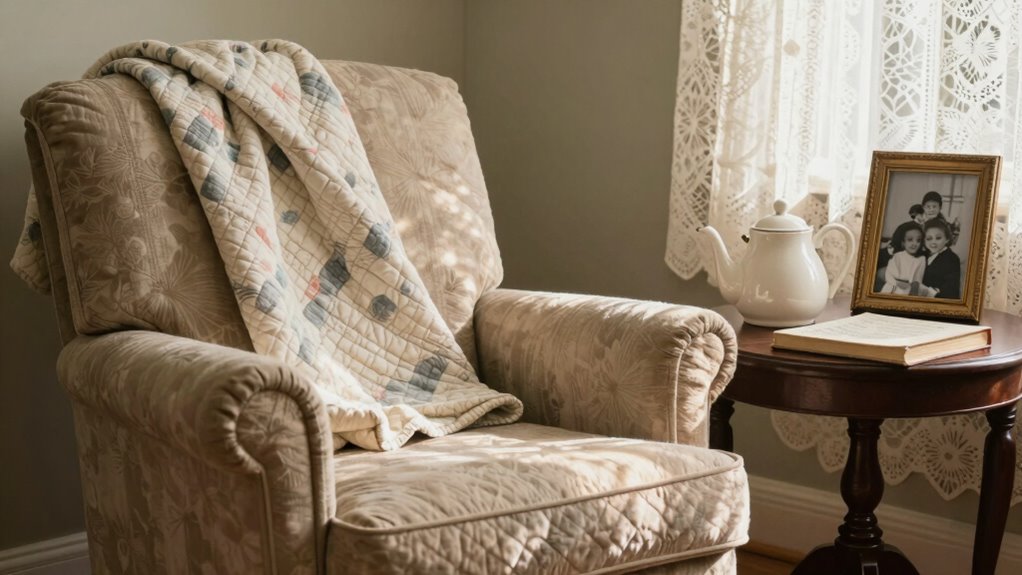
Adding familiar objects to your daily routines can make a significant difference in reducing stress. Incorporate items that residents recognize and feel comfortable with, creating opportunities for sensory stimulation. For example, placing a favorite mug during breakfast or a cherished blanket during rest enhances familiarity. These environmental modifications help anchor residents in their routines, providing a sense of security and calm. Consistently using familiar objects during activities encourages positive associations and reduces anxiety. By thoughtfully integrating these objects into daily tasks, you foster a soothing environment that promotes comfort and stability. This simple approach supports residents’ emotional well-being, making each day more manageable and less stressful. Remember, small changes like these can profoundly improve their overall sense of peace and belonging.
Caregiver Strategies for Maintaining Resident Connections
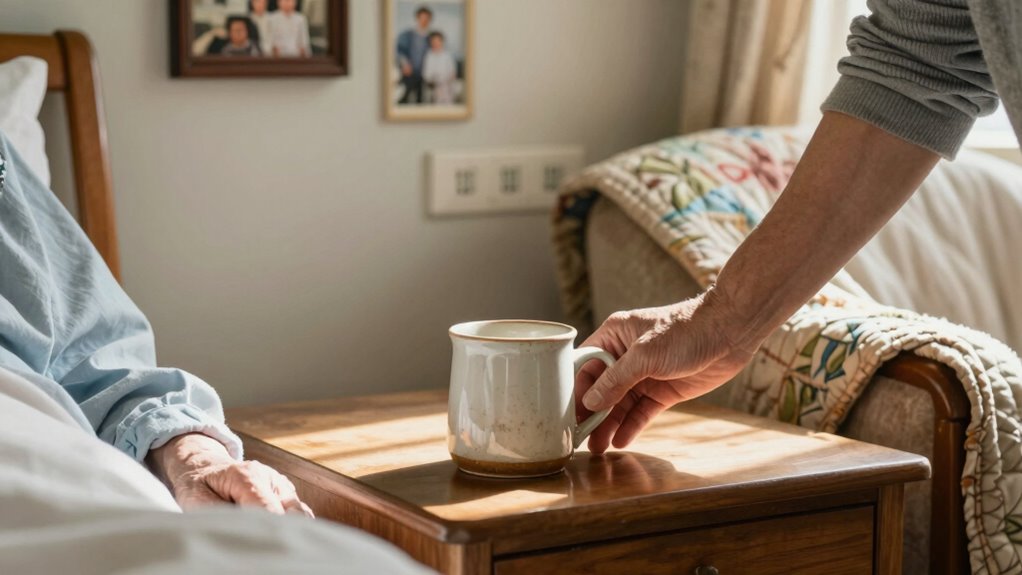
Maintaining strong connections with residents is essential for their emotional well-being, especially during times of stress or change. To foster these bonds, focus on meaningful interactions and consistent presence. Here are four caregiver strategies:
- Prioritize active listening to understand residents’ needs and preferences.
- Use familiar objects to spark conversations and memories, providing emotional support.
- Engage in regular staff training to enhance communication skills and empathy.
- Create routines that promote a sense of familiarity and stability.
Handling Lost or Changed Personal Items Effectively
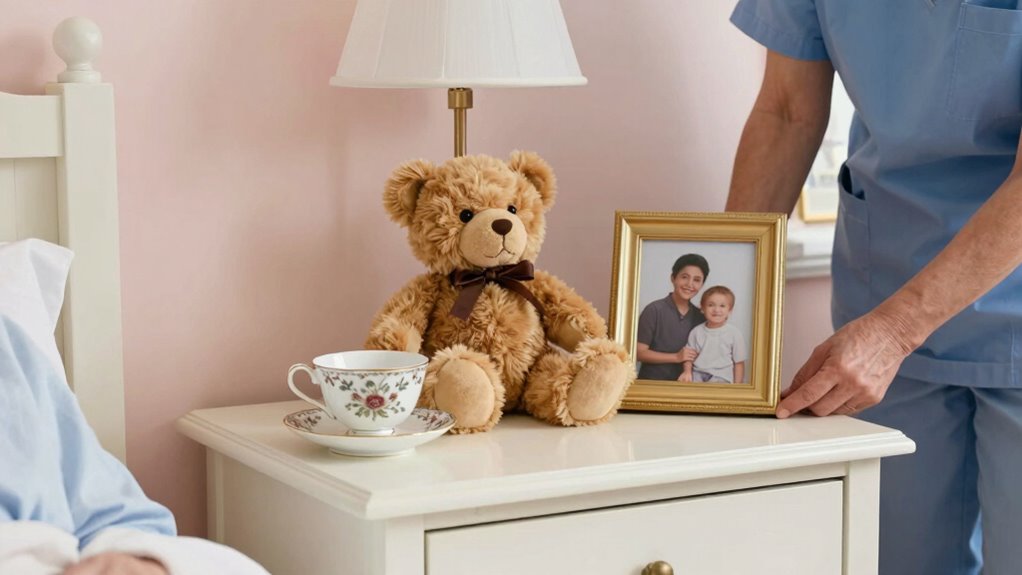
When a personal item is lost or changed, it’s important to recognize its emotional significance for the resident. Using familiar display techniques helps them identify and reconnect with their belongings more easily. Establishing routines for retrieval creates consistency and reassurance during these situations.
Recognize Personal Significance
Losing or changing a personal item can feel upsetting, but recognizing its significance helps you handle the situation more calmly. When you understand the emotional connection tied to an object, it’s easier to stay composed. Sensory engagement, like touching or smelling familiar items, can reconnect you to memories and feelings. Consider these points:
- Acknowledge the emotional bond tied to the item, not just its physical presence.
- Use sensory cues—like holding or smelling the object—to evoke comforting memories.
- Remember that the item’s significance reflects personal history and identity.
- Approach the situation with patience, knowing the object’s value extends beyond its appearance.
Use Familiar Display Techniques
Using familiar display techniques can help you manage the emotional impact of lost or changed personal items. By arranging belongings in consistent, recognizable ways, you create a sense of stability that eases anxiety. Incorporate environmental modifications, such as dedicated shelves or labeled containers, to make items easier to find. Artificial intelligence tools can assist by tracking personal possessions and alerting staff to missing items, reducing confusion. When display methods remain familiar, residents feel more secure and less stressed when items are misplaced or altered. Consistent placement and visual cues reinforce memories and reduce unnecessary distress. These strategies help maintain a comforting environment, making it easier for residents to navigate their belongings without frustration or confusion.
Establish Routines for Retrieval
Establishing clear routines for retrieving personal items can substantially reduce stress when belongings go missing or are altered. Consistent routines provide predictable environmental cues and sensory stimulation, helping residents recognize and locate their belongings more easily. To create effective routines, consider these steps:
- Designate specific spots for personal items, reinforcing environmental cues.
- Use familiar objects and sensory stimuli, like textured or scented items, to trigger recognition.
- Incorporate daily checks or reminders into routines to reinforce memory pathways.
- Keep routines simple and consistent to promote comfort and familiarity.
Success Stories: Using Familiar Objects in Memory Care

Many memory care facilities have found success by incorporating familiar objects into daily routines, helping residents feel more secure and connected. These programs often include technology integration, such as digital photo frames displaying loved ones’ images, which reinforces familiarity and comfort. Staff training plays a vital role, ensuring caregivers understand how to introduce and use these objects effectively without causing confusion. One facility reported reduced agitation and improved engagement when residents interacted with cherished items like old books or favorite blankets. By consistently using familiar objects, staff create a calming environment that supports residents’ emotional well-being. These success stories demonstrate that simple, meaningful items can profoundly enhance quality of life, fostering a sense of stability and belonging in memory care settings.
Practical Guidelines for Implementing Comfort-Boosting Items
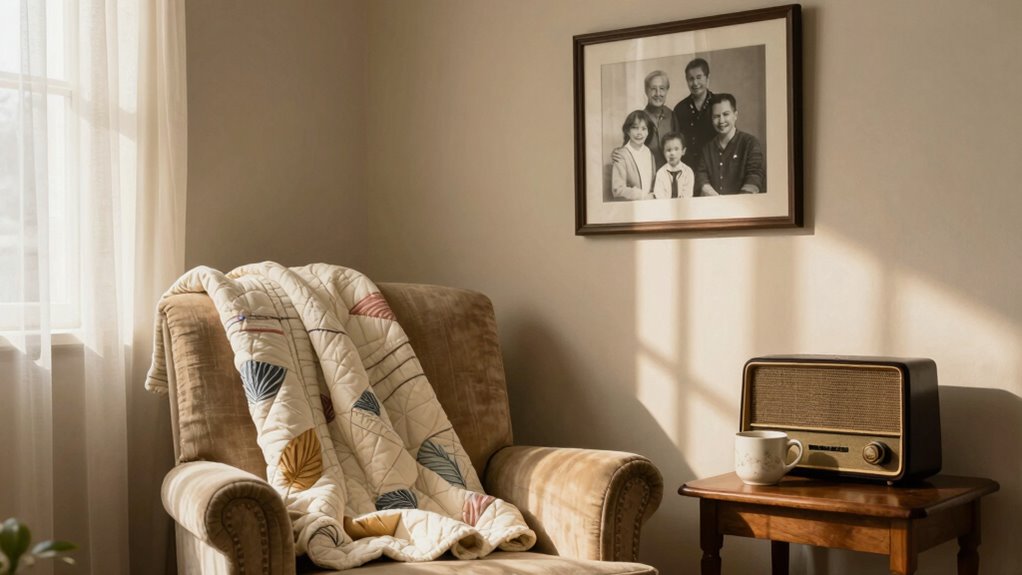
Implementing comfort-boosting items effectively requires careful planning and thoughtful selection. To enhance emotional support and provide sensory stimulation, follow these guidelines:
- Select familiar objects that resonate personally, fostering emotional connection and comfort.
- Ensure items are safe, non-toxic, and easy to handle to promote sensory engagement without frustration.
- Introduce objects gradually, observing how residents respond to maximize emotional support.
- Regularly rotate or update items to maintain interest and avoid habituation, keeping sensory stimulation fresh.
Common Challenges and Solutions When Using Familiar Objects
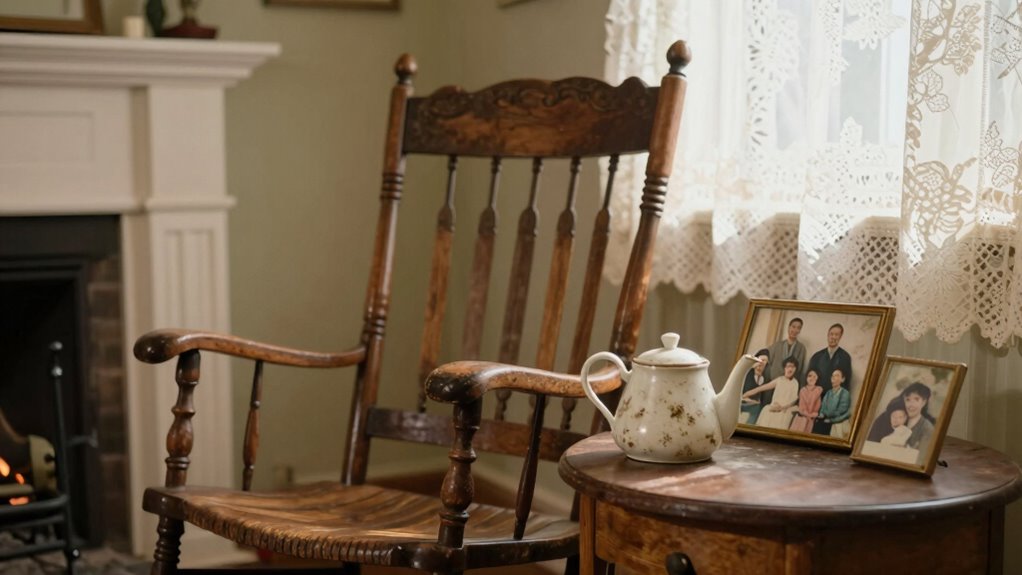
Using familiar objects can substantially reduce stress, but you might face challenges like resistance from residents or unintentional overstimulation. Some residents may be hesitant to accept new objects or may react unpredictably. Technology barriers can also hinder implementation, especially if staff lack training on how to introduce and manage these items effectively. Ensuring staff are well-trained helps address resistance by teaching them to observe individual preferences and responses. Proper staff training also equips caregivers to recognize signs of overstimulation and adjust accordingly. Additionally, introducing familiar objects gradually and tailoring choices to each resident’s history can improve acceptance. By understanding these challenges and proactively using solutions like staff education and personalized approaches, you can create a calming environment that truly benefits residents.
Frequently Asked Questions
How Do Familiar Objects Impact Residents’ Emotional Well-Being Long-Term?
Familiar objects promote long-term comfort and emotional stability for residents by providing a sense of continuity and security. When you incorporate these items into daily routines, residents feel more at ease, which helps reduce anxiety and confusion over time. This ongoing familiarity nurtures trust and connection, supporting their emotional well-being and creating a calming environment that enhances quality of life in memory care settings.
Are There Cultural Considerations When Selecting Familiar Objects for Residents?
Like a tapestry woven with cultural symbolism, selecting familiar objects requires understanding residents’ personal history and cultural backgrounds. You should consider their traditions, colors, and meaningful items that evoke comfort. By honoring these cultural cues, you create a respectful environment that reduces stress, making residents feel seen and valued. Always ask about their preferences and be mindful that what’s familiar in one culture might differ in another, ensuring inclusivity.
What Are Signs That a Resident Is Emotionally Attached to an Object?
You’ll notice signs of emotional attachment when a resident frequently touches, holds, or gazes at an object, showing comfort or familiarity. They may become upset if it’s moved or taken away, indicating a strong connection through object recognition. These behaviors demonstrate emotional attachment, helping you understand how the object provides reassurance and stability, especially as memories fade. Recognizing these signs allows you to support their emotional well-being effectively.
How Often Should Caregivers Update or Rotate Familiar Items for Residents?
You might think updating familiar objects often keeps residents engaged, but too much object rotation can backfire. You should adapt the frequency based on each resident’s attachment—generally, a monthly or bi-monthly schedule works well. Regularly reassess their reactions to ensure the objects still provide comfort. Remember, the key is to balance object rotation and familiarity, avoiding unnecessary stress while maintaining a calming environment.
Can Unfamiliar Objects Sometimes Cause Confusion or Agitation?
Unfamiliar objects can sometimes cause confusion or agitation because they disrupt object recognition, making it harder for residents to identify and connect with their surroundings. This can lead to frustration or sensory overload. To prevent this, you should focus on using familiar objects that offer comforting sensory stimulation, helping residents feel more secure and reducing stress. Introducing new items gradually and observing their reactions also helps manage potential confusion.
Conclusion
Incorporating familiar objects into memory care isn’t just about comfort—it’s about empowering residents to feel secure and recognized. While some may worry these items could cause confusion or dependency, carefully selected personal belongings enhance independence and emotional well-being. When thoughtfully integrated into daily routines, familiar objects create a calming environment that fosters confidence. Ultimately, their positive impact outweighs potential concerns, making them invaluable tools in supporting residents’ dignity and quality of life.
Halloween Picks
halloween
As an affiliate, we earn on qualifying purchases.