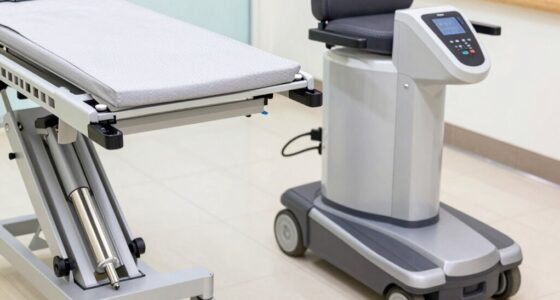

Delaying your transfer equipment upgrades puts safety, efficiency, and compliance at risk. Outdated or worn equipment can lead to accidents, injuries, and workflow disruptions, increasing repair costs and downtime. Regulatory standards also require current safety features, so neglecting upgrades may result in penalties. Investing now helps prevent costly failures and maintains smooth operations. Continuing without action means those risks grow, but understanding how to plan and choose the right equipment can protect your team and your facility.

Turn quiet afternoons into listening time
- Thousands of audiobooks, podcasts and originals
- Listen on your phone, tablet or Echo — also offline
- Cancel anytime
Key Takeaways
- Delaying upgrades increases safety risks, leading to potential injuries and accidents during transfers.
- Postponing equipment replacement raises repair costs and causes operational downtime.
- Outdated transfer gear compromises compliance with safety regulations and environmental standards.
- Waiting too long can result in inefficient workflows and reduced care quality for patients or materials.
- Early investment ensures reliability, minimizes long-term expenses, and enhances overall safety and productivity.
transfer equipment safety upgrade
As an affiliate, we earn on qualifying purchases.
As an affiliate, we earn on qualifying purchases.
Why Transfer Equipment Is Critical for Safe Operations
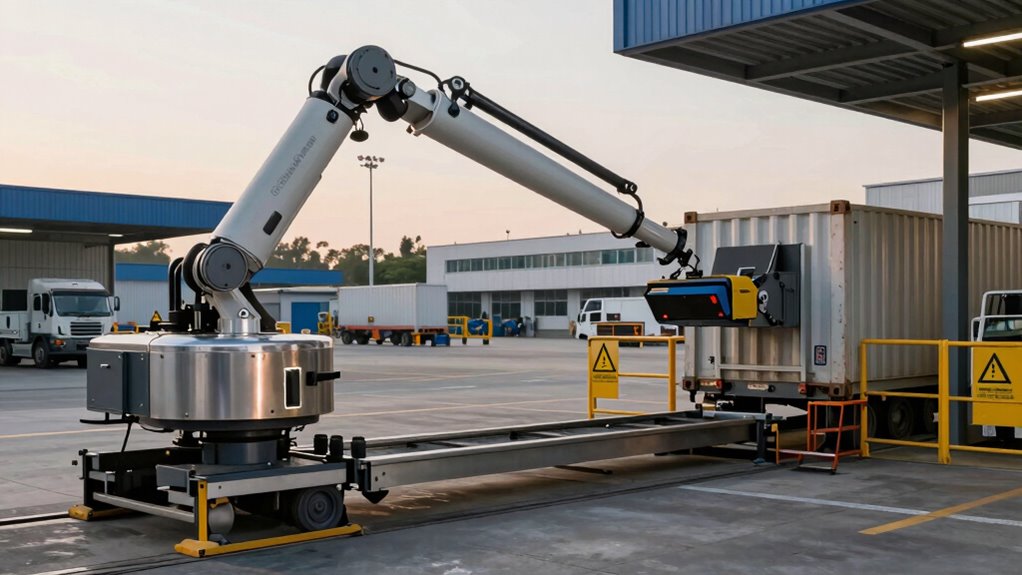
Transfer equipment is essential for maintaining safety during operations because it guarantees the secure and efficient movement of materials. Ensuring material compatibility is crucial; using equipment designed for specific loads prevents accidents and damage. When equipment matches the weight, size, and type of materials, you reduce the risk of slipping, falling, or dropping items. Additionally, ergonomic design plays a vital role in safety. Well-designed transfer tools minimize strain on your body, reducing fatigue and musculoskeletal injuries. This means you can operate equipment more confidently and efficiently. Properly chosen transfer equipment supports safe handling practices, keeps your workspace secure, and prevents accidents. Incorporating material compatibility principles helps ensure that equipment functions correctly under load, further reducing risk. Regular inspection and maintenance practices also ensure that transfer equipment remains in safe working condition, preventing unexpected failures. Additionally, incorporating water safety principles can help prevent slips and falls in environments where water or moisture is present, further enhancing safety. Ultimately, investing in equipment that considers material compatibility and ergonomic design safeguards everyone involved and keeps operations running smoothly.
The Hidden Risks of Delaying Transfer Equipment Upgrades
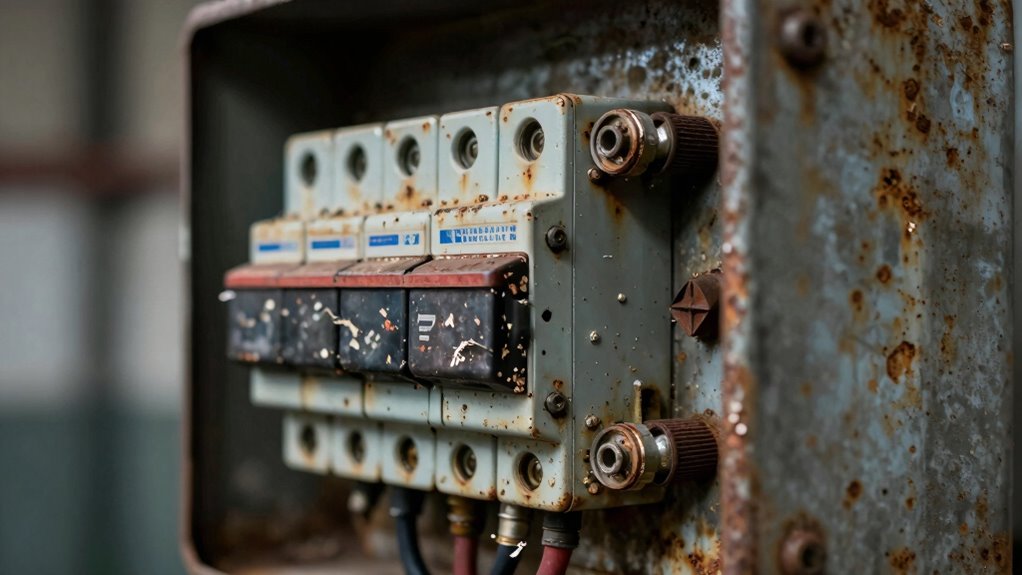
Ignoring the need for timely transfer equipment upgrades can lead to serious safety hazards that endanger your team. Delaying updates also results in higher repair costs and increased chances of operational downtime. Recognizing these hidden risks helps you prioritize maintenance and keep your operations running smoothly. Additionally, outdated transfer equipment can compromise electrical safety, increasing the likelihood of equipment failure or hazards. Regular assessments and timely replacements are essential to prevent equipment failure and ensure ongoing safety compliance. Failing to address these issues promptly can also impact overall workplace safety and lead to costly incidents. Moreover, neglecting proper equipment maintenance can cause further deterioration, making future upgrades more challenging and expensive. Understanding the importance of preventive maintenance can help mitigate these risks before they escalate.
Increased Safety Hazards
Delaying transfer equipment upgrades can substantially increase safety hazards in your facility. Old or outdated equipment may expose you and your team to chemical hazards if leaks or spills occur, risking health and safety. Additionally, worn or poorly maintained gear can lead to ergonomic risks, causing strains or injuries during handling. When equipment isn’t up to date, you may find yourself working in less secure conditions, increasing the chance of accidents. These hazards aren’t just theoretical—they pose real threats to your safety and well-being. Upgrading transfer equipment promptly helps minimize these risks, ensuring safer operations. Proper maintenance procedures play a crucial role in preventing accidents and extending equipment lifespan. Staying current with safety standards is essential for maintaining a secure working environment. Regular inspections and adherence to industry safety regulations can further reduce the likelihood of unforeseen incidents. Implementing technological advancements can also enhance safety features and operational efficiency. Don’t wait until a mishap happens; addressing safety concerns now can save you from dangerous situations later. Protect your team by keeping safety at the forefront of your maintenance plan.
Higher Repair Costs
Neglecting timely upgrades to your transfer equipment can lead to unexpectedly high repair costs down the line. When you skip proper maintenance or delay replacements, small issues compound over time, drastically increasing expenses. A thorough cost analysis reveals that repairs for outdated equipment become more frequent and costly. Imagine:
- Worn-out hydraulics causing leaks and spills
- Corroded components requiring complete replacement
- Failing motors demanding urgent repairs
- Deteriorated safety features leading to shutdowns
These expenses quickly surpass the cost of upgrading on schedule. Plus, postponing upgrades shortens your equipment lifespan, forcing you to replace entire systems sooner. Staying proactive saves money, reduces downtime, and ensures your transfer equipment remains reliable and efficient. Regular inspections and understanding the potential risks of neglecting maintenance can help prevent costly breakdowns before they happen. For example, neglecting maintenance schedules can accelerate equipment deterioration, leading to unexpected failures and higher repair bills. Additionally, ignoring early warning signs like corrosion or leaks can result in more extensive and expensive repairs down the road. Recognizing early warning signs such as unusual noises or vibrations can also help you address issues proactively before they escalate. Moreover, staying informed about technological advancements can help you identify better upgrade options, enhancing both safety and efficiency.
Operational Downtime Risks
Overlooking the importance of timely transfer equipment upgrades can lead to unexpected operational disruptions. When you delay upgrades, you risk increased equipment maintenance issues that cause unexpected breakdowns. These breakdowns force you into unplanned downtime, disrupting workflows and reducing productivity. Additionally, outdated transfer equipment may compromise safety protocols, increasing the chance of accidents and injuries. This can result in additional operational costs that could have been avoided with proactive maintenance. Upgrading transfer equipment proactively ensures smoother operations, minimizes maintenance interruptions, and maintains safety standards. Implementing modern solutions like vetted equipment can further enhance safety and efficiency. Staying current with drone technology allows for more reliable and safer operations. Incorporating smart automation into your transfer processes can further reduce manual errors and optimize performance. By addressing potential issues early, you safeguard your operation from costly downtime and ensure continuous, safe, and efficient performance. Proactive upgrades also support predictive maintenance, helping to identify issues before they escalate. Delaying upgrades only heightens operational risks, making timely investments vital.
How Outdated Transfer Equipment Can Cause Accidents

Outdated transfer equipment increases the risk of accidents because it may no longer meet safety standards or function properly. When safety compliance is neglected, transfer hazards become more likely, endangering everyone nearby. Imagine these scenarios:
- A worn-out pulley system suddenly fails under load, causing a heavy object to drop unexpectedly.
- Old hydraulic lifts leak fluid, creating slippery surfaces and risking slips or falls.
- Rusted rails or tracks cause misalignment, leading to unstable transfers.
- Outdated controls delay response times during emergencies, worsening accidents.
- Relying on obsolete nanotechnology in transfer systems can compromise safety and efficiency.
- Failing to perform regular maintenance on transfer equipment can further increase the likelihood of malfunctions and accidents.
Regular inspections and preventative maintenance are essential to keep equipment functioning safely and reliably.
These issues highlight how aging equipment compromises safety, increasing the chance of injuries. Staying current with transfer equipment helps prevent accidents, ensuring safety compliance and protecting your team from preventable hazards.
Why Equipment Delays Hurt Productivity and Increase Downtime
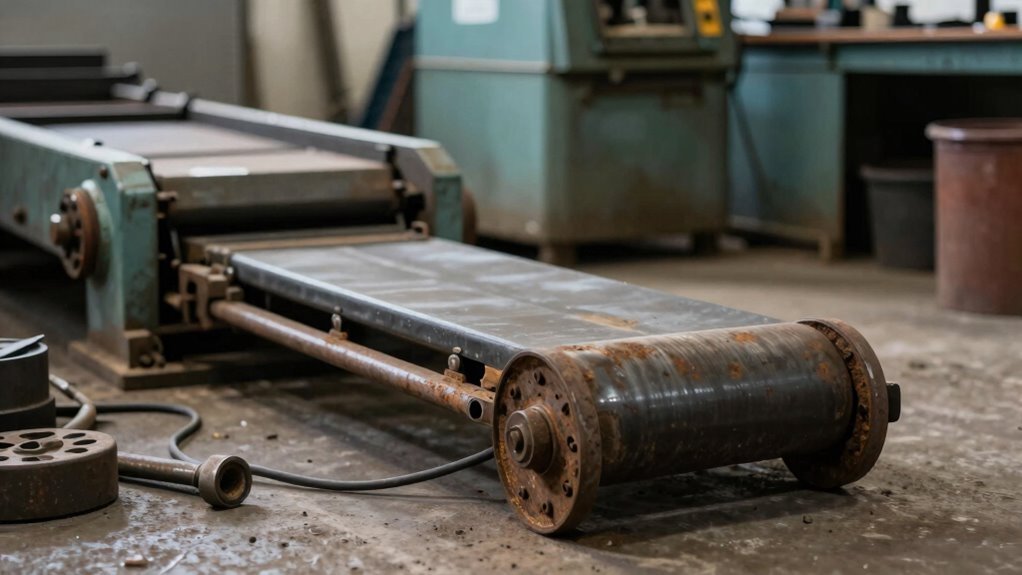
When equipment delays occur, your workflow grinds to a halt, causing productivity to plummet and operational costs to rise. Delayed transfer technology hampers smooth operations, forcing you into costly repairs and extended downtime. Proper equipment maintenance minimizes these delays, ensuring consistent performance. Delays often lead to bottlenecks, decreasing efficiency and increasing labor costs. To illustrate, consider this comparison:
| Impact of Equipment Delay | Effect on Productivity |
|---|---|
| Transfer technology lag | Slower transfer times |
| Maintenance neglect | Frequent breakdowns |
| Equipment aging | Reduced reliability |
| Lack of upgrades | Obsolete performance |
| Emergency repairs | Unscheduled downtime |
Prioritizing timely transfer equipment procurement and maintenance keeps your processes flowing smoothly, reducing downtime and boosting productivity.
Regulations That Require Up-to-Date Transfer Equipment

Regulatory agencies increasingly mandate that transfer equipment meets current safety and efficiency standards to safeguard workers and guarantee compliance. If your equipment isn’t up to date, you risk violations that can halt operations and lead to penalties. Staying compliant with safety regulations ensures your team’s protection and avoids costly fines. Consider these key points:
- Regular inspections to identify outdated components.
- Updated safety features that prevent leaks and spills.
- Proper documentation confirming transfer compliance.
- Training programs aligned with current regulations.
Failing to upgrade can result in non-compliance issues, safety hazards, and operational disruptions. Ensuring your transfer equipment meets the latest safety regulations isn’t just about avoiding fines; it’s about protecting your team and maintaining smooth, legal operations.
Signs It’s Time to Upgrade Your Transfer Equipment
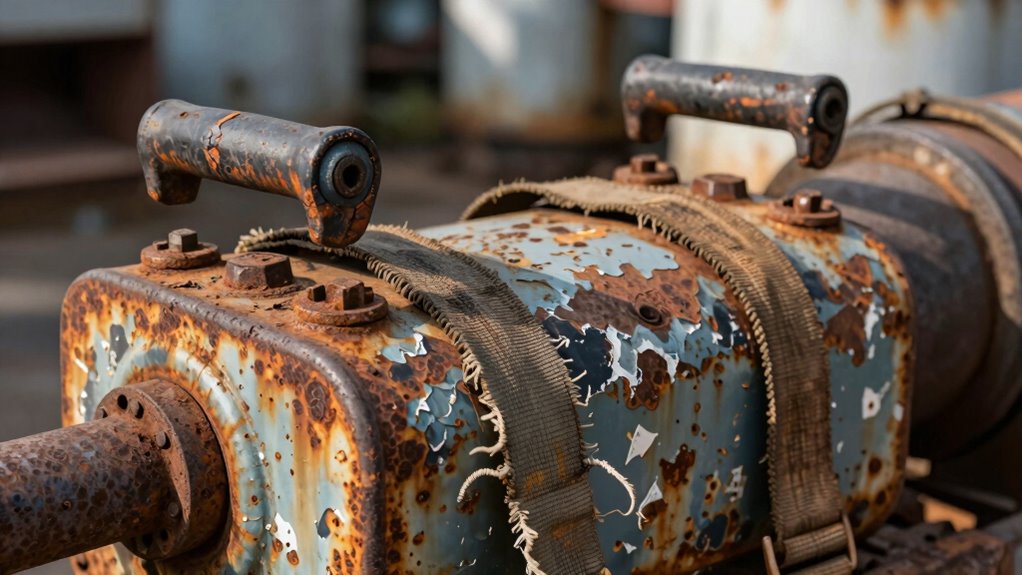
If your transfer equipment keeps breaking down or needs frequent repairs, it’s a clear sign it’s time to upgrade. Rising maintenance costs and longer downtime can hurt your productivity and increase expenses. Additionally, outdated equipment may compromise safety standards, putting your team at risk.
Increased Equipment Downtime
Increased equipment downtime often signals that your transfer equipment is reaching its limit and needs an upgrade. When your machinery frequently breaks down or requires unscheduled repairs, it’s a clear sign that its equipment lifespan is nearing its end. This pattern disrupts maintenance scheduling, making it harder to plan repairs efficiently and increasing operational costs. Imagine these signs:
- Extended delays during transfers, causing bottlenecks
- Frequent breakdowns despite regular maintenance
- Rising repair costs that strain your budget
- Sudden failures that halt production altogether
These issues indicate it’s time to contemplate an upgrade. Relying on aging equipment hampers productivity and can lead to more downtime, emphasizing the importance of replacing transfer equipment before critical failures occur.
Rising Maintenance Costs
Rising maintenance costs are clear evidence that your transfer equipment is nearing the end of its effective lifespan. As equipment ages, repairs become more frequent and expensive, disrupting your maintenance planning and increasing operational expenses. If you notice a steady climb in repair bills or parts replacement frequency, it’s a sign that your equipment is approaching the final stages of its lifecycle. Delaying upgrades only compounds these costs, making maintenance less predictable and more costly over time. Properly evaluating your equipment’s condition helps you make informed decisions about replacement, preventing unexpected breakdowns. Investing in new transfer equipment now can reduce long-term maintenance expenses, improve efficiency, and ensure smoother operations. Don’t wait until costs spiral out of control—act before your current setup becomes a financial drain.
Decreased Safety Standards
As your transfer equipment ages, it may no longer meet current safety standards, putting your team at risk. Outdated equipment can compromise safety protocols and increase the chance of accidents. Signs it’s time to upgrade include:
- Frayed or worn safety guards that fail to prevent injuries
- Corroded or cracked structural components weakening stability
- Inconsistent lifting or transfer performance indicating mechanical issues
- Outdated controls that don’t align with current safety regulations
These issues can hinder employee training, leading to improper use and increased hazards. Relying on old transfer equipment makes it harder to maintain safety standards, risking injury and compliance violations. Upgrading ensures your team works with reliable, safe equipment that meets current safety protocols.
Benefits of Upgrading Transfer Equipment for Safety and Efficiency
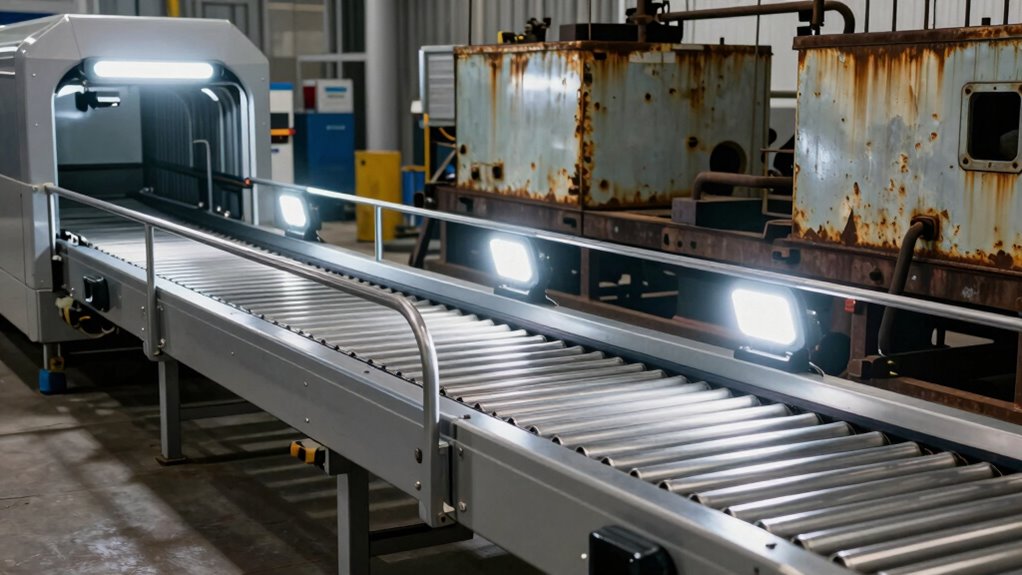
Upgrading transfer equipment considerably enhances safety and efficiency in your operations. Modern transfer innovations improve workflow and reduce risks, helping you meet or exceed safety standards. With newer equipment, you minimize downtime and streamline processes, saving time and costs.
| Benefit | Explanation |
|---|---|
| Enhanced Safety | Reduces accidents and injuries, protecting staff and assets. |
| Increased Productivity | Faster transfers mean more output in less time. |
| Compliance with Safety Standards | Up-to-date equipment ensures adherence to regulations. |
Investing in upgrades isn’t just about staying current; it’s about creating a safer, more efficient environment that benefits your entire operation.
How to Plan and Budget for Transfer Equipment Upgrades
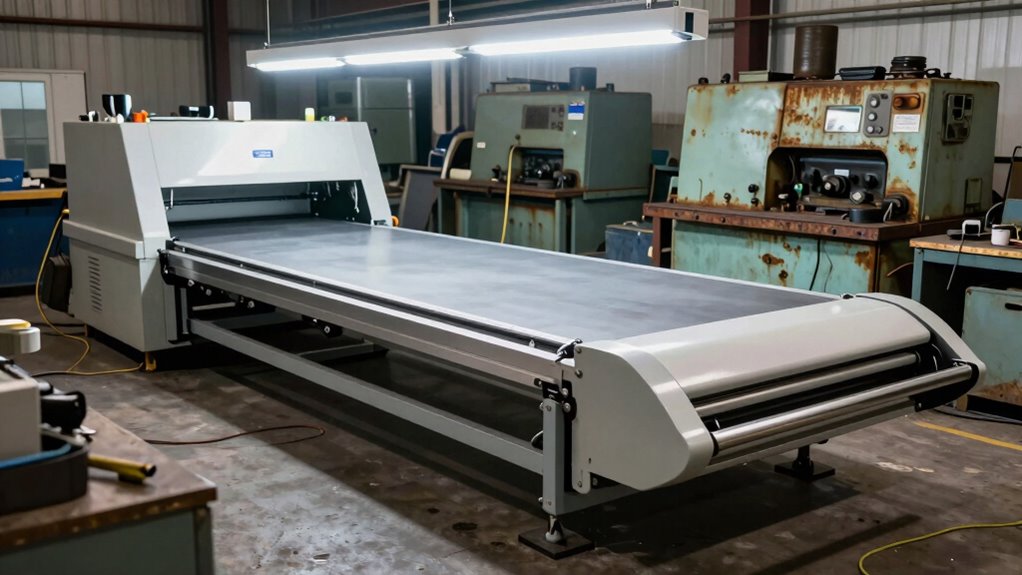
To plan and budget effectively, you need to start by evaluating your current transfer equipment needs and identifying gaps. Then, set a realistic budget that balances your priorities with available resources. Finally, prioritize essential features to guarantee upgrades enhance safety and efficiency without overspending.
Assess Current Needs
Before planning your transfer equipment upgrades, it’s essential to thoroughly assess your current needs. Start by evaluating your existing equipment’s condition and identifying frequent maintenance issues. Consider how staff currently perform transfer tasks—are they efficient, or do they require additional training? Examine your facility’s workflow to pinpoint bottlenecks or safety concerns. Also, review your maintenance planning schedule to determine if current equipment aligns with safety standards and operational demands.
Imagine these four key areas:
- Equipment age and wear
- Staff proficiency and training gaps
- Safety risks and bottlenecks
- Maintenance routines and issues
Addressing these points helps you determine what upgrades are necessary, ensuring your investment improves efficiency and safety.
Set Realistic Budget
Once you’ve identified your current equipment needs, the next step is to create a realistic budget that aligns with your operational goals. Start by conducting a thorough cost analysis to understand the expenses involved, including purchase price, installation, and future maintenance planning. A clear budget helps prevent overspending and ensures you prioritize essential features. To organize your planning, consider this example:
| Item | Estimated Cost | Priority Level |
|---|---|---|
| Transfer Equipment | $10,000 | High |
| Maintenance Fund | $1,000/month | Ongoing |
| Training | $2,000 | Medium |
This structured approach keeps you focused and ready to allocate resources prudently, minimizing delays and unexpected costs.
Prioritize Essential Features
Prioritizing essential features when planning and budgeting for transfer equipment upgrades guarantees you focus your resources on what truly matters. First, determine the key technology integration capabilities needed to improve efficiency. Second, assess staff training requirements to ensure smooth adoption. Third, choose features that enhance safety and reliability, reducing downtime. Fourth, consider future scalability to avoid costly upgrades later. By focusing on these core elements, you maximize your investment’s impact and streamline implementation. This approach helps avoid unnecessary expenses on bells and whistles that don’t add immediate value. When you clearly identify essential features, you ensure your transfer equipment meets operational needs and integrates seamlessly with existing technology, all while preparing your staff for successful use and minimizing disruption.
Choosing the Right Transfer Equipment for Your Needs
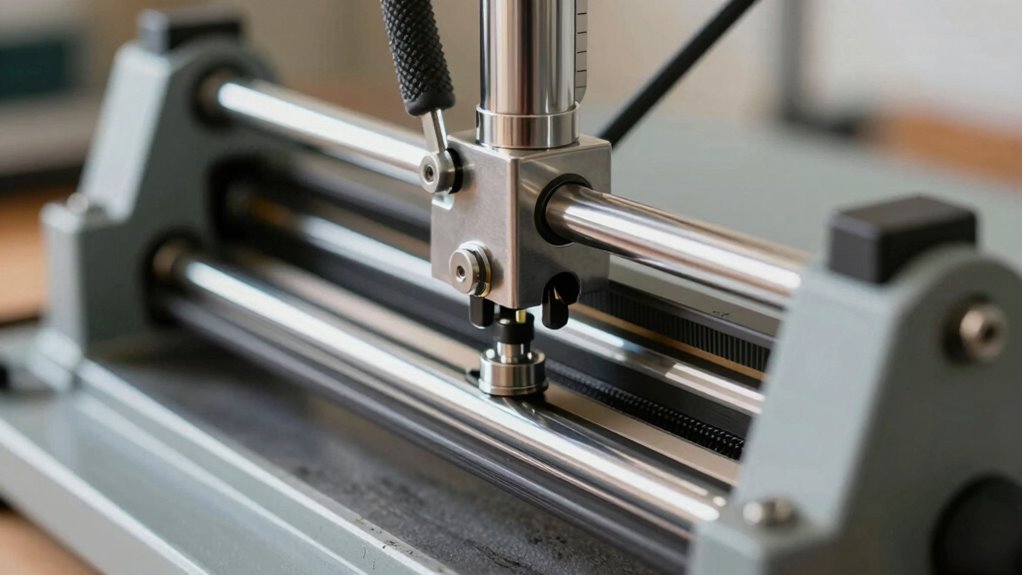
Choosing the right transfer equipment is crucial to guarantee safety, efficiency, and patient comfort. You must consider material compatibility to ensure durability and ease of cleaning, preventing infections. An ergonomic design reduces strain on caregivers and enhances patient safety during transfers. When selecting equipment, think about the specific needs of your environment and patients.
| Transfer Equipment Type | Key Feature |
|---|---|
| Mechanical Lift | Material compatibility, ergonomic design |
| Slide Sheets | Ease of use, material durability |
| Transfer Boards | Compatibility with patient mobility |
| Hydraulic Lifts | Safety features, ergonomic design |
| Stand Assist Devices | Comfort, material quality |
Choosing wisely ensures smooth transfers, reduces risks, and improves overall care quality.
Key Factors to Consider When Investing in Transfer Equipment

When investing in transfer equipment, it’s vital to evaluate several key factors to guarantee you select the best options for your facility. First, consider the material handling needs—will the equipment support your current throughput and future growth? Second, assess durability and ease of maintenance to ensure reliable equipment with minimal downtime. Third, look at safety features to protect workers during transfer operations. Fourth, evaluate compatibility with existing systems to streamline integration. Proper material handling reduces delays, while good equipment maintenance prolongs lifespan and keeps operations smooth. Don’t overlook these factors—they directly impact efficiency, safety, and overall cost. Making informed decisions now prevents costly replacements or repairs later, ensuring your facility runs seamlessly without unnecessary delays.
Frequently Asked Questions
How Often Should Transfer Equipment Be Inspected for Safety?
You should inspect transfer equipment at least monthly to make certain safety standards are met. Regular inspections help identify wear, damage, or leaks that could compromise safety. Keep an inspection schedule and document each check to stay compliant with safety standards. Promptly address any issues found, and schedule more frequent inspections if equipment experiences heavy use or harsh conditions. Staying proactive minimizes accidents and ensures safe, reliable transfer operations.
What Are the Latest Advancements in Transfer Equipment Technology?
Imagine sleek transfer equipment with innovative features that make your tasks smoother and safer. Recent advancements focus on ergonomic design, reducing strain and improving comfort during use. These innovations include lightweight materials, intuitive controls, and enhanced safety mechanisms. By embracing this technology, you’ll experience more efficient transfers, less fatigue, and greater confidence, ensuring your safety and productivity. Upgrading now means you’re always equipped with the latest, most effective transfer solutions.
Can Upgrading Transfer Equipment Reduce Operational Costs Long-Term?
Upgrading your transfer equipment can greatly reduce operational costs in the long run. Modern equipment offers better efficiency, cutting energy and maintenance expenses, leading to substantial cost savings. Plus, new transfer gear typically has a longer equipment lifespan, delaying replacement costs and downtime. By investing now, you guarantee smoother operations, lower expenses, and improved reliability, making your facility more cost-effective over time.
How Do I Identify When Transfer Equipment Is Nearing the End of Its Lifespan?
Did you know that over 60% of transfer equipment failures are linked to overlooked maintenance indicators? You can tell your equipment is nearing the end of its lifespan if you notice decreased equipment durability, unusual noises, or frequent breakdowns. Regular inspections of maintenance indicators, such as wear and tear or corrosion, help you catch issues early. Addressing these signs promptly guarantees safety, efficiency, and prevents costly downtime.
What Training Is Needed for Safe Operation of New Transfer Equipment?
You need proper training certification to operate new transfer equipment safely. This includes understanding safety protocols, proper handling procedures, and emergency response steps. You should attend manufacturer-led training sessions or approved safety courses to guarantee you’re fully prepared. Regular refresher courses also help maintain your knowledge, reducing risks. Always follow the safety protocols strictly, and never operate equipment unless you’re properly trained and certified to do so.
Conclusion
So, the irony is clear—you might think delaying transfer equipment upgrades saves money, but it actually costs you more in safety risks, downtime, and potential accidents. Don’t wait until a mishap forces your hand. Upgrading now might seem like an expense, but it’s really an investment in keeping your operations smooth, safe, and compliant. After all, avoiding problems before they happen is the smartest move you can make—don’t delay what could save you big in the long run.
Halloween Picks
halloween
As an affiliate, we earn on qualifying purchases.