
TL;DR

Turn quiet afternoons into listening time
- Thousands of audiobooks, podcasts and originals
- Listen on your phone, tablet or Echo — also offline
- Cancel anytime
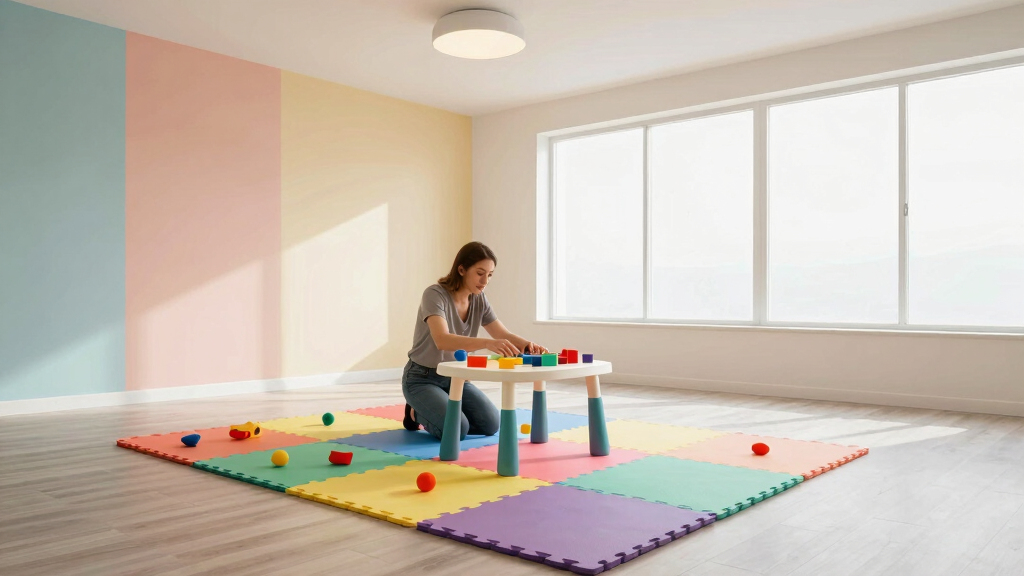
Many American children spend most of their time indoors due to limited outdoor access and screen time. This trend raises concerns about socialization, physical health, and development. The situation is driven by suburban living patterns and parental restrictions.
Most American children are increasingly confined indoors, with a new survey indicating that 58% of 6-year-olds are not allowed to play in their yards unsupervised, despite having internet-connected tablets.
The survey conducted by the Institute for Family Studies found that 60% of 6-year-olds have access to internet-connected tablets, yet a majority face restrictions on outdoor play. This indoor shift is linked to suburban living patterns, parental safety concerns, and the digital age’s influence on childhood activities.
Experts warn that this trend may have negative implications for children’s social skills, physical health, and overall development. The reliance on screens as a primary form of entertainment and supervision is increasingly common, especially as parents balance safety and busy schedules.
Why It Matters
This trend matters because it potentially impacts the social, physical, and mental health of future generations. Reduced outdoor activity can lead to poorer physical fitness, diminished social skills, and increased reliance on digital devices, which may influence long-term well-being and societal cohesion.
As an affiliate, we earn on qualifying purchases.
Background
Over recent years, concerns about screen time and outdoor activity have grown, driven by studies linking excessive device use to health issues. The shift to indoor living has been accelerated by the COVID-19 pandemic, urbanization, and suburban safety concerns. Historically, outdoor play has been a cornerstone of childhood development, but recent patterns suggest a significant departure from this norm.
“The increasing indoor confinement of children is a serious concern that could affect their social skills and physical health in the long run.”
— Dr. Lisa Johnson, child development expert
“Parents are caught between safety worries and busy schedules, leading to more restrictions on outdoor play and more screen time for their kids.”
— Parent and researcher Mark Evans
What Remains Unclear
It is still unclear how long-lasting these trends will be or how they will directly affect long-term health and societal outcomes. Further research is needed to quantify the impact of indoor childhood on future generations.
What’s Next
Researchers and policymakers are expected to investigate the long-term effects of indoor confinement on children’s development. Future initiatives may focus on encouraging outdoor activities and balancing screen time with physical play. Monitoring trends and implementing safer outdoor environments could be key steps.
Key Questions
What are the main reasons children are kept indoors more often?
The main reasons include parental safety concerns, busy schedules, urban and suburban living patterns, and increased reliance on screens for entertainment and supervision.
What are the potential health effects of children spending more time indoors?
Potential effects include decreased physical fitness, social skill development issues, mental health concerns, and increased screen addiction risks.
Are there any initiatives to encourage outdoor activity among children?
Yes, some community programs and schools are promoting outdoor play and physical activity, but widespread change remains limited by safety and environmental factors.
Source: Google Trends
Fall Picks
fall essentials
As an affiliate, we earn on qualifying purchases.