TL;DR
Heat exhaustion and heat stroke are serious heat-related conditions with distinct symptoms. Recognizing the signs early can prevent severe health outcomes. This article details how to tell them apart and when to seek urgent medical help.
Health authorities stress that distinguishing between heat exhaustion and heat stroke is critical for effective response during heat waves, as both conditions can escalate if untreated. Accurate identification can save lives and prevent severe complications.
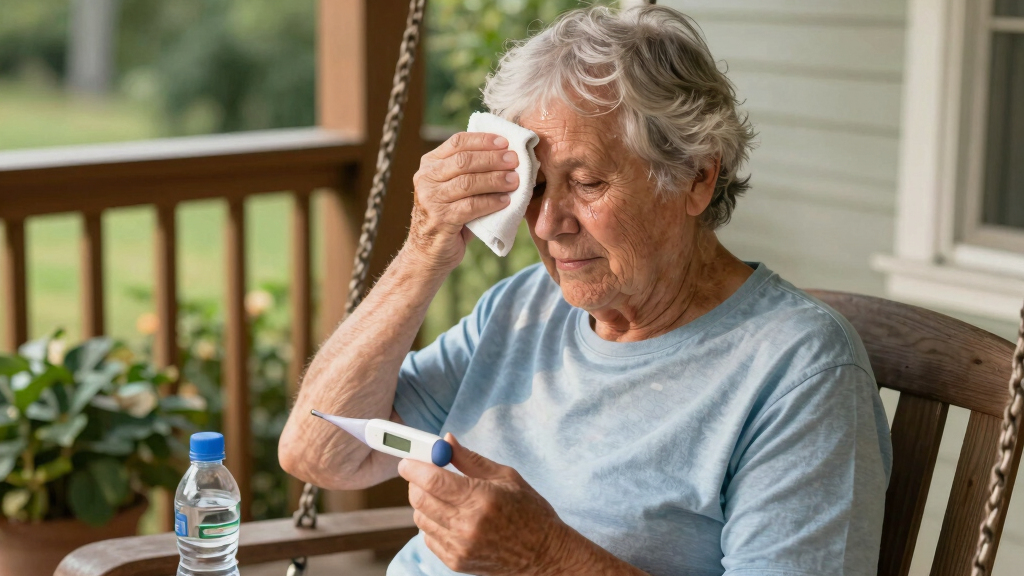
Heat exhaustion occurs when the body’s core temperature rises but remains below 104°F (40°C), presenting symptoms like dizziness, nausea, headache, heavy sweating, and weakness. It typically results from prolonged exposure to high temperatures and humidity, especially during physical activity or in dehydrated states.
Heat stroke is a more severe condition characterized by a core temperature exceeding 104°F (40°C), often accompanied by confusion, seizures, passing out, or hallucinations. It can rapidly lead to organ failure and requires immediate emergency treatment, including cooling the person down with water immersion or ice packs. Medical intervention is crucial to prevent lasting damage or death.
According to Lifehacker, recognizing early signs of heat exhaustion can allow individuals to cool down and hydrate before escalation. Conversely, signs of heat stroke demand urgent medical attention, with first aid measures like cold water immersion being essential while awaiting emergency services.
Why Accurate Differentiation Matters for Safety
Understanding the differences between heat exhaustion and heat stroke is vital because the latter can be life-threatening if not treated immediately. Early recognition and appropriate response can prevent serious health consequences, especially during heat waves when outdoor activities increase risks.
Public awareness about these conditions helps individuals respond correctly, potentially saving lives and reducing the burden on emergency services. As climate change increases the frequency of extreme heat events, this knowledge becomes even more critical.
As an affiliate, we earn on qualifying purchases.
Both heat exhaustion and heat stroke are increasingly common as global temperatures rise, with heat waves becoming more frequent and intense. Experts note that physical activity, dehydration, and environmental factors like humidity significantly influence risk levels. While heat exhaustion is more common and less severe, it can quickly progress to heat stroke without prompt care. Recognizing the progression and symptoms is essential for effective intervention.
Previous health advisories have emphasized hydration, avoiding strenuous activity during peak heat, and wearing appropriate clothing. Medical professionals warn that vulnerable populations—elderly, obese, or those with certain medical conditions—are at higher risk for severe heat-related illnesses.
“Recognizing early signs of heat exhaustion can prevent escalation to heat stroke, which requires urgent medical intervention.”
— an anonymous researcher
Uncertainties in Self-Assessment and Treatment
While the symptoms of heat exhaustion and heat stroke are well-documented, individual responses can vary, and misdiagnosis remains a risk. It is not always clear whether a person with mild confusion or dizziness is experiencing heat exhaustion or progressing toward heat stroke, making cautious judgment essential. Additionally, the best immediate cooling methods may depend on available resources and circumstances, which can differ widely.
Experts agree that more research is needed on effective first aid measures in various environments and for diverse populations, especially in resource-limited settings.
Public Education and Emergency Response Improvements
Health agencies plan to expand public education campaigns to improve recognition of heat-related illnesses. Emergency services are also preparing protocols to ensure rapid response for suspected heat stroke cases, including training for first responders and community outreach programs. Researchers continue to study optimal cooling techniques and risk factors to refine guidelines further.
Individuals are encouraged to stay informed about weather alerts, hydrate regularly, and know the signs of heat exhaustion and heat stroke to act swiftly during heat events.
Key Questions
How can I tell if someone has heat exhaustion or heat stroke?
Heat exhaustion typically involves heavy sweating, weakness, dizziness, and nausea, while heat stroke includes symptoms like confusion, seizures, passing out, and a core temperature above 104°F. When in doubt, treat any suspected heat stroke as an emergency.
What should I do if I suspect someone has heat stroke?
Call emergency services immediately. While waiting, move the person to a cooler place, remove excess clothing, and cool them with water immersion, cold towels, or ice packs. Do not give them fluids if they are unconscious or having seizures.
Can heat exhaustion turn into heat stroke?
Yes, without prompt treatment, heat exhaustion can progress to heat stroke, which is life-threatening. Recognizing early signs and cooling the person down promptly are essential to prevent escalation.
Are certain groups more at risk for heat-related illnesses?
Vulnerable populations include the elderly, children, people with chronic illnesses, those taking certain medications, and individuals engaging in strenuous activity in hot weather. Staying vigilant and taking preventive measures is especially important for these groups.
Stay hydrated, avoid strenuous activity during peak heat, wear lightweight clothing, take frequent breaks in shaded or air-conditioned environments, and monitor weather alerts. Recognizing early symptoms can also help prevent severe outcomes.
Source: Lifehacker