

TL;DR

Turn quiet afternoons into listening time
- Thousands of audiobooks, podcasts and originals
- Listen on your phone, tablet or Echo — also offline
- Cancel anytime
Amid ongoing concerns about aging leaders like Senator Mitch McConnell, experts suggest creating an independent office to assess the health and fitness of senior officials. This move aims to ensure transparency and public safety, but implementation details remain uncertain.
Amid ongoing questions about the health of senior U.S. leaders, experts are advocating for the creation of an independent Office of the Medical Adviser to routinely evaluate the fitness of Congress members and the president. This initiative responds to concerns raised by recent incidents involving aging officials, such as Senator Mitch McConnell’s unexplained absence following a fall, and aims to improve transparency and public trust.
Currently, there is no independent body responsible for assessing or publicly reporting on the health of top U.S. officials. The Office of the Attending Physician, which provides emergency and occupational health services, offers limited information about officials’ health, often only in response to specific incidents. The proposed Office of the Medical Adviser (OMA) would conduct regular, comprehensive evaluations—approximately every two years—to determine whether officials can reliably fulfill their duties. These evaluations would involve reviewing medical records, referring officials for specialized testing, and assessing cognitive and physical capacity.
The evaluations would result in brief, structured reports that publicly affirm whether an official is fit to serve, without disclosing detailed medical information. This approach aims to balance transparency with privacy, ensuring the public knows whether leaders can perform their responsibilities effectively. The initiative draws parallels to health assessments required in professions like aviation, the military, and healthcare, where regular fitness checks are standard practice.
Supporters argue that such a system would prevent incapacity from unduly influencing governance, especially as the U.S. faces an aging leadership demographic. Critics, however, raise concerns about privacy, potential politicization, and the logistics of implementing such evaluations across the government.
Implications for Public Trust and Governance Stability
This proposal aims to address growing public concern over the health of aging leaders, such as Senator Mitch McConnell, whose recent absence has fueled speculation about their capacity to serve. Establishing an independent health assessment office could enhance transparency, bolster public confidence, and ensure that governance is not compromised by health-related issues. However, it also raises questions about privacy rights, the potential for politicization, and how evaluations would be standardized across diverse officials.
Products Worth Considering

OMRON VIVA 360+ Body Composition Monitor and Smart Scale
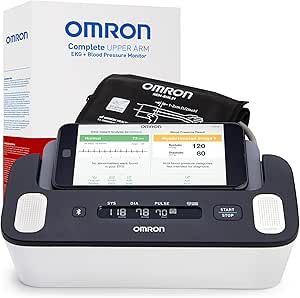
OMRON Complete 2-in-1 Upper Arm Blood Pressure Monitor with EKG

Oura Ring 5 Smart Ring – Silver – Size 10
As an affiliate, we earn on qualifying purchases.
Aging Leadership and Past Incidents in U.S. Politics
The United States has seen a series of high-profile incidents involving senior officials whose health has come into question. Senator Mitch McConnell, aged 81, has not been seen publicly since falling at his home two months ago, prompting widespread speculation. Several other members of Congress have died or exhibited signs of cognitive decline, including recent deaths of six elderly members this term and episodes of incapacity among others. Former President Donald Trump and current President Joe Biden, both in their late seventies and early eighties, have faced scrutiny over age-related health concerns, which influence public discourse about leadership fitness.
Historically, norms have prioritized privacy and discretion regarding health, but recent events have intensified calls for more transparent, routine assessments. The idea of a formal evaluation process is gaining traction as a way to modernize oversight and address the limitations of current practices.
Unanswered Questions About Implementation and Scope
It is not yet clear how the proposed Office of the Medical Adviser would be established, funded, or protected from political influence. Details about the evaluation process, frequency, and privacy safeguards remain to be developed. There is also debate over whether assessments should be mandatory for all officials or voluntary, and how the results would be communicated publicly without breaching privacy rights. The potential for politicization of health assessments raises concerns about fairness and objectivity.
Next Steps Toward Formalizing Health Oversight for Leaders
Legislative proposals are expected to be introduced in Congress in the coming months, with debates over scope, funding, and oversight procedures. Advocacy groups and medical professionals are likely to push for clear guidelines to balance transparency with individual privacy. Monitoring the legislative process will be crucial to understanding whether this initiative gains bipartisan support and how it might be integrated into existing oversight frameworks.
Key Questions
Why is there a need for a new office to evaluate leaders’ health?
The current system lacks a dedicated, routine evaluation process, which has led to concerns about the health and capacity of aging officials, especially after recent incidents involving senior leaders like Senator McConnell.
How would the proposed evaluations work?
Officials would undergo periodic assessments—about every two years—conducted by medical professionals authorized by the new office. These evaluations would focus on cognitive and physical capacity relevant to their duties and would be summarized in public reports.
Would these evaluations infringe on officials’ privacy?
The proposal aims to balance transparency with privacy by releasing only brief, structured reports that confirm functional capacity without disclosing detailed medical information.
Could this system be politicized?
There is concern that evaluations could be used for political leverage. Establishing independent, bipartisan oversight and clear guidelines would be essential to minimize such risks.
What happens if an official is found unfit to serve?
The evaluations could lead to recommendations for medical treatment, temporary leave, or other adjustments. In some cases, it might prompt discussions about retirement or replacement, depending on the severity of health issues.
Source: The Atlantic