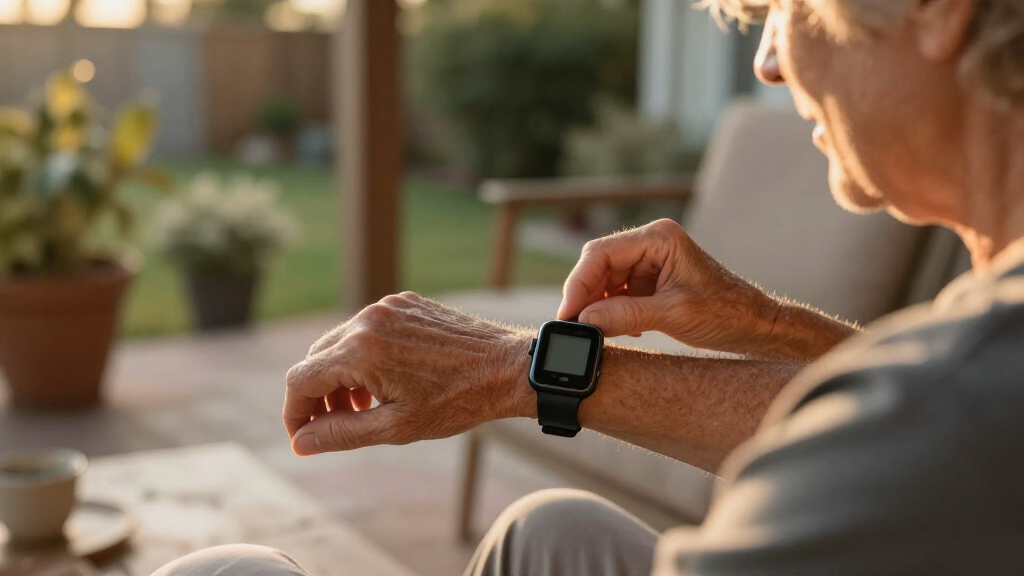

Choosing the best wearable glucose monitor in 2026 involves balancing accuracy, comfort, and convenience. The Lingo Continuous Glucose Monitor stands out as the overall top pick thanks to its reliable performance and affordability. For those prioritizing extended wear, the Stelo Glucose Biosensor & App offers up to 15 days of continuous monitoring. Meanwhile, the Ribili Trackpro 2.0 excels with its user-friendly design and stylish look. All options come with tradeoffs, such as sensor lifespan, cost, and compatibility. Keep reading for a detailed breakdown to find the best fit for your glucose monitoring needs.
Complete the kit


Key Takeaways
- Extended sensor lifespan, like the 15-day options, reduces the need for frequent replacements but often comes with a higher upfront cost.
- Ease of use and app compatibility significantly influence daily experience, especially for new users or those with dexterity challenges.
- Accuracy varies between models; some monitors require calibration, which can add to user burden and impact reliability.
- Design and comfort are critical for continuous wear; discreet, lightweight sensors tend to be better tolerated over long periods.
- Price points differ widely, with premium models offering more features but not always proportional accuracy or convenience.
| Lingo Continuous Glucose Monitor (CGM) 2-Pack |  | Best Overall for Versatile Mobile Integration | Number of Monitors: 2 | Monitoring Duration per Sensor: up to 2 weeks | Water Resistance: Water-resistant | VIEW LATEST PRICE | See Our Full Breakdown |
| Stelo 2 Pack |  | Best Value for Extended Supply at an Affordable Price | Quantity: 2 sensors | Sensor lifespan: 2-15 days | Supply duration: 1 month | VIEW LATEST PRICE | See Our Full Breakdown |
| Stelo 1 Pack |  | Best for Long-Term, Simple Monitoring | Model: CGM | Duration: 15 days | VIEW LATEST PRICE | See Our Full Breakdown | |
| Stelo Glucose Biosensor & App – 2-Pack (Up to 15 Days Each) for iOS & Android | 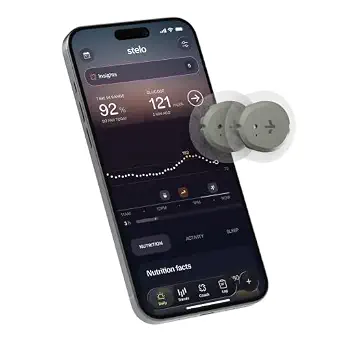 | Best for Active Users and Tech-Savvy Adults | Number of sensors: 2 | Wear time per sensor: 15 days | Waterproof: Yes | VIEW LATEST PRICE | See Our Full Breakdown |
| Gee-Seven 15-Day Wearable Computer Sensor Monitor |  | Best for Fitness-Focused Users Tracking Multiple Metrics | VIEW LATEST PRICE | See Our Full Breakdown | |||
| Lingo Continuous Glucose Monitor (CGM), 24/7 Glucose Tracking |  | Best Overall Wearable Glucose Monitor | Eligibility: HSA/FSA | Sensor Duration: Up to 2 weeks | Water Resistance: Water-resistant | VIEW LATEST PRICE | See Our Full Breakdown |
| Ribili Trackpro 2.0 Glucose and Blood Sugar Monitor (Pink) |  | Best Stylish Blood Glucose Monitor | Item shape: Square | Color: Pink, Black | VIEW LATEST PRICE | See Our Full Breakdown | |
| iHealth Acacia AG-607 Blood Glucose Monitor Kit, 100 Strips & Lancets |  | Best for Simple, Manual Blood Glucose Testing | Includes: 100 test strips, 100 lancets, monitor, lancing device, carrying bag, manual, quick guide | Blood sample size: 0.7µl | Testing time: 5 seconds | VIEW LATEST PRICE | See Our Full Breakdown |
| 2 Plus CGM Sensor – Continuous Glucose Monitoring, No Finger Pricks, 15-Day Sensor (1 Pack) |  | Best Value for Long-Term Continuous Monitoring | Sensor Duration: 15 days | Pack Size: 1 | VIEW LATEST PRICE | See Our Full Breakdown |
More Details on Our Top Picks
Lingo Continuous Glucose Monitor (CGM) 2-Pack
The Lingo CGM stands out for its compatibility with both iOS and Android, making it a flexible choice for users who prefer different devices. Unlike the Stelo 2 Pack, which is limited to sensor lifespan and lacks app integration details, Lingo’s sensors last up to two weeks and sync seamlessly with popular health apps, providing a comprehensive view of glucose trends. The main tradeoff is the need for the app for full functionality and potential sensor replacements if issues arise early. Its water resistance adds durability for active lifestyles, and eligibility for HSA/FSA makes it financially accessible for many. However, users with incompatible phones or those seeking a purely hardware-focused device might find its reliance on app connectivity a hassle.
Pros:- Painless, finger-prick free glucose monitoring
- Sensors last up to two weeks, reducing frequent replacements
- Syncs with popular health apps for detailed tracking
- HSA/FSA eligible and no prescription needed
Cons:- Requires smartphone app for full functionality
- Sensors may need early replacement if malfunctioning
- Limited to specific mobile operating systems
Best for: Tech-savvy users seeking flexible smartphone compatibility and long sensor wear without prescriptions
Not ideal for: Individuals without smartphones or those preferring standalone devices without app dependency
- Number of Monitors:2
- Monitoring Duration per Sensor:up to 2 weeks
- Water Resistance:Water-resistant
- Compatibility:iOS and Android
- App Integration:Apple Health, Health Connect
Our verdict“This option makes the most sense for users who want reliable, app-integrated continuous monitoring on their smartphone platform.”
Stelo 2 Pack
The Stelo 2 Pack offers a budget-friendly way to secure a month’s supply of sensors, each lasting between 2 to 15 days. Compared with the Stelo 1 Pack, which provides only a single 15-day sensor, the 2-pack ensures continuous coverage with multiple sensors, but lacks detailed info on app compatibility or advanced features. Its longer sensor lifespan makes it suitable for those who prioritize fewer replacements, though the absence of integration details might be a drawback for tech-dependent users. For users comfortable with basic monitoring, this pack delivers reliable performance without extra bells and whistles, but it might fall short for those seeking detailed data insights or app support.
Pros:- Provides a 1-month supply with 2 sensors
- Long sensor lifespan up to 15 days
- Cost-effective option for extended monitoring
- Simple pack for ongoing glucose tracking
Cons:- Limited sensor lifespan per unit
- Lacks detailed product features or app compatibility info
Best for: Budget-conscious users who want reliable sensors for a month-long program without needing advanced app features
Not ideal for: Tech enthusiasts requiring seamless app integration or detailed analytics
- Quantity:2 sensors
- Sensor lifespan:2-15 days
- Supply duration:1 month
Our verdict“This pick is well-suited for users seeking affordable, extended monitoring without complex tech requirements.”
Stelo 1 Pack
The Stelo 1 Pack delivers a straightforward 15-day continuous glucose monitoring experience. Compared with the Stelo 2 Pack, which offers more sensors for extended coverage, this single-pack is suited for users who want a simple, no-fuss option for a defined period. However, the limited product details and lack of info on app integration restrict its appeal for those seeking detailed data or connected features. It’s ideal for users who prioritize a long-lasting sensor and minimal setup over advanced analytics, but it may not meet the needs of tech-savvy users expecting seamless connectivity and comprehensive insights.
Pros:- Long-lasting 15-day monitoring period
- Simple design for easy use
- Suitable for basic glucose tracking needs
Cons:- Limited product details available
- No info on app compatibility or additional features
Best for: Users who prefer straightforward, long-term monitoring without the need for extensive app features
Not ideal for: People seeking detailed app analytics or multiple sensors for ongoing tracking
- Model:CGM
- Duration:15 days
Our verdict“This device is best for users who want reliable, extended monitoring with minimal complexity.”
Stelo Glucose Biosensor & App – 2-Pack (Up to 15 Days Each) for iOS & Android
The Stelo Biosensor & App offers a comprehensive package with two sensors supporting up to 15 days of wear each, making it ideal for users who want continuous, intelligent monitoring. It distinguishes itself with AI-powered coaching, personalized insights, and seamless data syncing with both iOS and Android devices. Unlike the Gee-Seven 15-Day Sensor, which lacks app features or detailed insights, this option emphasizes user engagement through its virtual support and smart analysis. Its main limitation is that it’s designed solely for individuals not using insulin or those without complex health conditions. The waterproof design adds durability for active lifestyles, but smartphone dependence might be a barrier for some.
Pros:- Long-lasting 15-day sensors with two units
- AI-powered coaching and personalized insights
- Waterproof, suitable for active lifestyles
- Compatible with both iOS and Android
Cons:- Only for non-insulin users
- Requires smartphone compatibility and app use
- Not suitable for certain health conditions like dialysis
Best for: Active adults who want intelligent, app-driven glucose management without the need for prescriptions
Not ideal for: Individuals on insulin therapy or with complex health needs requiring specialized devices
- Number of sensors:2
- Wear time per sensor:15 days
- Waterproof:Yes
- Compatibility:iOS & Android
- Support:Virtual AI coaching
Our verdict“This device fits well for health-conscious adults seeking smart, long-term monitoring with digital support.”
Gee-Seven 15-Day Wearable Computer Sensor Monitor
The Gee-Seven Sensor Monitor offers a 15-day activity tracking experience, emphasizing fitness and overall health metrics rather than specialized glucose monitoring. Compared with dedicated CGMs like the Lingo CGM or Stelo 1 Pack, its focus on activity insights makes it more suitable for users who want to integrate glucose data with broader health tracking. The limited product details and absence of specific features such as app compatibility or health data analysis suggest it’s more of an activity tracker than a dedicated glucose monitor. Its long battery life and sensor-based tracking appeal to fitness enthusiasts, but it’s less relevant for precise diabetes management.
Pros:- Long 15-day battery life
- Sensor-based health and activity tracking
- Useful for holistic fitness monitoring
Cons:- Limited product details and specific features
- Not designed for detailed glucose measurement
- Lacks app support or integration info
Best for: Fitness-minded individuals seeking multi-metric activity tracking over a 15-day span
Not ideal for: People needing accurate, dedicated glucose monitoring or detailed health analytics
Our verdict“This device is best for users who want a long-term activity tracker rather than precise glucose management.”
Lingo Continuous Glucose Monitor (CGM), 24/7 Glucose Tracking
The Lingo CGM stands out for its painless, no-prick design and seamless integration with smartphones, making it an excellent choice for those seeking continuous monitoring without the discomfort of traditional finger pricks. Compared to the 2 Plus CGM Sensor, it offers real-time insights that can improve daily health decisions, especially for managing prediabetes or supporting heart health. The main tradeoff involves replacing the sensor every two weeks, which could be inconvenient for some users, and it’s limited to those with compatible smartphones. Its water resistance and app compatibility make it suitable for active lifestyles, but adhesion issues could occasionally disrupt wear. Overall, this pick is ideal for users prioritizing comfort and connectivity over longer sensor durations or standalone use.
Pros:- Painless, no finger pricking required
- Real-time glucose tracking helps manage health goals
- Water-resistant and comfortable to wear
- Compatible with popular health apps
Cons:- Requires sensor replacement every two weeks
- Limited to users with compatible smartphones
- Some users may experience sensor adhesion issues
Best for: Individuals who want painless, real-time glucose tracking integrated with their smartphone and prefer a comfortable, water-resistant device.
Not ideal for: Users seeking a long-term, standalone device without the need for frequent sensor replacements or those without compatible smartphones.
- Eligibility:HSA/FSA
- Sensor Duration:Up to 2 weeks
- Water Resistance:Water-resistant
- Compatibility:iOS and Android, Apple Health, Health Connect
- Sensor Placement:Back of the arm
- No Finger Prick:Yes
Our verdict“This device suits users looking for a comfortable, connected monitoring experience with frequent sensor changes.”
Ribili Trackpro 2.0 Glucose and Blood Sugar Monitor (Pink)
The Ribili Trackpro 2.0 combines a sleek square design with blood sugar and glucose tracking, appealing to users who want a stylish device that also provides essential health data. Unlike the iHealth Acacia AG-607, which emphasizes simplicity and manual testing, the Trackpro offers a more modern appearance and the potential for continuous monitoring if paired with compatible tech. Its main limitation is the lack of detailed specs like battery life or app compatibility, which could complicate long-term use. It’s best suited for users who value aesthetics and basic health tracking in a wearable that doubles as a fashion statement, but it may fall short for those seeking comprehensive digital health management or detailed data analysis.
Pros:- Stylish square display design
- Available in multiple colors
- Tracks glucose and blood sugar levels
- Appears as a fashionable accessory
Cons:- Limited product details provided
- No information on battery life or compatibility
- Potentially complex setup for health monitoring
Best for: Style-conscious users who want a wearable device that tracks glucose and blood sugar levels without complex setup.
Not ideal for: Individuals needing detailed app integration, long-term data tracking, or comprehensive digital management features.
- Item shape:Square
- Color:Pink, Black
Our verdict“Ideal for users prioritizing style and basic health monitoring over detailed data management or long-term features.”
iHealth Acacia AG-607 Blood Glucose Monitor Kit, 100 Strips & Lancets
The iHealth Acacia AG-607 offers a straightforward approach to blood glucose management, emphasizing ease of use with no need for app integration or coding, making it a top choice for users preferring manual testing. Compared with wearable options like the 2 Plus CGM Sensor, it lacks continuous monitoring but excels in providing quick, accurate readings with minimal fuss. Its large memory storage supports tracking over time, yet the absence of digital connectivity limits its appeal for those wanting seamless data analysis or trend tracking. This kit is especially suitable for people who want reliable, simple blood sugar testing without technical barriers or digital dependencies.
Pros:- Easy to use with no coding or app required
- Quick and precise blood glucose testing
- Large memory storage for tracking results
- Adjustable lancing depth for comfort
Cons:- No app integration for digital tracking
- Requires manual setting adjustments
- Limited to blood glucose testing only
Best for: Individuals who prefer straightforward, manual blood glucose testing without needing app-based tracking or continuous monitoring.
Not ideal for: Tech-savvy users seeking automated, digital health management or those interested in continuous glucose monitoring.
- Includes:100 test strips, 100 lancets, monitor, lancing device, carrying bag, manual, quick guide
- Blood sample size:0.7µl
- Testing time:5 seconds
- Memory capacity:500 readings
- Standards:ISO 15197:2013
- Lancing device levels:9 levels
Our verdict“Best suited for users who want a reliable, simple blood glucose testing device without digital or continuous monitoring features.”
2 Plus CGM Sensor – Continuous Glucose Monitoring, No Finger Pricks, 15-Day Sensor (1 Pack)
The 2 Plus CGM Sensor provides up to 15 days of continuous glucose monitoring, making it a cost-effective choice for those who want extended, hassle-free tracking. Unlike the Lingo CGM, which requires a smartphone, this sensor offers a straightforward approach—though it’s limited to a single sensor per pack, increasing ongoing costs. Its main drawback is the short lifespan per sensor, which means frequent replacements and potentially higher expenses over time. However, for users comfortable with manual data management or who already have compatible devices, this sensor offers a practical, long-term solution for consistent glucose monitoring without finger pricks.
Pros:- No finger pricks required
- 15-day sensor lifespan reduces frequent replacements
- Convenient continuous monitoring
- Cost-effective per sensor
Cons:- Limited to 15 days per sensor
- Only one sensor per pack increases ongoing costs
- Lacks detailed app compatibility info
Best for: Budget-conscious users seeking extended continuous monitoring with minimal maintenance per sensor cycle.
Not ideal for: Users wanting a device with smartphone integration or longer sensor lifespan in a single unit, or those seeking extensive data analysis features.
- Sensor Duration:15 days
- Pack Size:1
Our verdict“Suitable for users who want affordable, extended continuous glucose monitoring with minimal finger pricks, accepting short sensor lifespan per unit.”
How We Picked
To determine the best wearable glucose monitors, I evaluated each product based on accuracy, wearability, battery life, ease of use, app integration, and overall value. Devices that offer reliable readings with minimal calibration were prioritized, as accuracy directly impacts health management. Usability factors, such as sensor comfort and app interface, were also key, particularly for daily wear. Value was assessed by considering the lifespan of sensors relative to their cost and how well the monitors fit different user needs. The ranking reflects a balance of these factors, highlighting products that excel in real-world usage while acknowledging tradeoffs like price and sensor longevity.Factors to Consider When Choosing Best Wearable Glucose Monitors
When choosing a wearable glucose monitor, it’s vital to consider several factors that affect daily use, long-term reliability, and overall value. The right device depends on your lifestyle, budget, and health priorities. A well-chosen monitor can simplify diabetes management, but overlooking key features may lead to frustration or inaccurate readings. Here are the main points to keep in mind beyond just the specs and reviews.Sensor Lifespan and Replacement Frequency
Longer-lasting sensors reduce the hassle of frequent replacements and can save money over time. However, sensors with extended life tend to come at a higher initial cost. Consider how often you’re willing to replace sensors and whether the upfront price aligns with your budget. Some users prefer quick, cheaper sensors for flexibility, while others prioritize fewer replacements for convenience.
Accuracy and Calibration Needs
Accuracy is paramount because unreliable readings can lead to improper management decisions. Many monitors require calibration with blood samples, which adds to daily effort. Models that provide factory calibration or do not need calibration at all tend to be more user-friendly, though they may vary in precision. Check reviews or clinical data if available, to assess performance in real-world conditions.
Ease of Use and App Integration
Intuitive interfaces and seamless app connectivity can make continuous monitoring less burdensome. Look for apps that display clear data, provide alerts, and sync effortlessly with your smartphone. Compatibility with your device ecosystem (iOS or Android) can also influence your overall experience. Ease of insertion and removal of sensors is equally important for comfort and daily routine.
Design and Comfort
Since wearable monitors are meant to be worn continuously, their design impacts compliance. Discreet, lightweight sensors that adhere securely and cause minimal skin irritation tend to be more tolerable over long periods. Consider your activity level and skin sensitivity, and look for options with flexible or adjustable adhesives to improve comfort.
Cost and Overall Value
While premium models offer more features, they are not always the best value for everyone. Balance the initial cost, sensor lifespan, and ongoing expenses for replacements or subscriptions. Sometimes, a less expensive device with adequate accuracy and durability provides better value, especially for casual or budget-conscious users. Evaluate what features are essential versus optional based on your health needs.
Frequently Asked Questions
Do wearable glucose monitors require calibration?
Many wearable glucose monitors do require calibration with fingerstick blood tests, especially in the initial days. Calibration helps improve accuracy, but it adds to daily effort. Some newer models are factory calibrated and do not need calibration, making them more convenient for regular use. Always check the product specifications to understand calibration requirements and plan accordingly.
How accurate are these wearable glucose monitors compared to traditional blood tests?
Wearable monitors are generally quite accurate, but they can vary based on the model and usage conditions. Most are designed to provide trend data and approximate readings rather than precise blood glucose levels. For critical decisions, such as insulin dosing, confirm readings with fingersticks, especially if the monitor indicates unusual results or symptoms. Advances in sensor technology continue to improve accuracy, but no device completely replaces traditional testing in all situations.
Can I wear these devices during exercise or swimming?
Many wearable glucose monitors are designed to be water-resistant or waterproof, allowing wear during activities like exercise, swimming, or bathing. However, durability varies; always verify the specific water resistance rating of each model. Proper application and adhesion are essential to prevent sensors from falling off during vigorous activity. Check manufacturer instructions for limits on water exposure and activity types.
Are wearable glucose monitors suitable for children or elderly users?
Wearable monitors can be suitable for both children and elderly users, provided the design and interface meet their needs. For children, sensors that are discreet and cause minimal discomfort are preferable. For elderly users, ease of use and clear alerts are critical. Some devices offer simplified interfaces or larger displays, which can enhance usability. Always consult a healthcare provider to choose the most appropriate device for specific age groups or health conditions.
What should I consider regarding costs and insurance coverage?
Costs for wearable glucose monitors include the initial device, sensors, and potential subscription fees. Some insurance plans may cover part or all of the expenses, especially if prescribed by a healthcare professional. It’s important to verify coverage beforehand to avoid unexpected expenses. Additionally, consider the long-term costs of sensor replacements and whether the device’s price aligns with your budget and health management routine.
Conclusion
For most users seeking reliable daily tracking, the Lingo Continuous Glucose Monitor offers a balanced mix of accuracy and affordability, making it the best overall choice. If you want extended wear with minimal hassle, the Stelo Glucose Biosensor & App makes sense for long-term monitoring. Budget-conscious buyers benefit from models like the iHealth Acacia AG-607, which provide essential features at a lower price. For beginners, simple-to-use devices with straightforward app interfaces are ideal, while those with specific needs, such as athletes or children, should look for models emphasizing comfort and durability. Overall, choose based on your priorities—accuracy, lifespan, ease, or cost—to find the best wearable glucose monitor for your lifestyle.