
TL;DR
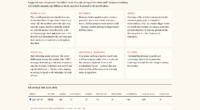
Mumbai reports a surge in swine flu cases, reaching 441 confirmed infections. Health authorities are monitoring the situation as public concern grows. The exact cause of the spike remains under investigation.
Swine flu cases in Mumbai have surged to 441, according to recent reports from The Hindu. This sharp increase has prompted health officials to intensify monitoring and response efforts amid growing public concern. The rise marks a significant development in the ongoing management of infectious diseases in the city, with authorities emphasizing the importance of early detection and preventive measures.
As of the latest update, Mumbai has confirmed 441 cases of swine flu, a notable increase from previous weeks, according to health department sources. The surge has been observed across multiple districts within the city, affecting a wide demographic range, including children, adults, and the elderly. Officials attribute the rise to increased testing and awareness, but the exact cause of the spike remains under investigation.
Health authorities have issued advisories urging residents to remain vigilant, practice good hygiene, and seek medical attention if symptoms such as fever, cough, sore throat, or body aches appear. Hospitals in Mumbai have been instructed to prepare for an influx of patients, with dedicated isolation wards set up to manage suspected cases. The city’s health department is also ramping up vaccination efforts for high-risk groups.
Local government officials have emphasized that there is no evidence yet of a new strain or a more virulent form of the virus. However, the sharp rise in cases has prompted concern among public health officials about the potential for further transmission, especially with upcoming festivals and gatherings. The situation is being closely monitored, with daily updates provided to the public.
Implications of the Rising Swine Flu Cases in Mumbai
The surge to 441 confirmed cases of swine flu in Mumbai highlights ongoing challenges in managing infectious diseases in densely populated urban areas. This development underscores the importance of sustained surveillance, vaccination campaigns, and public awareness to prevent widespread outbreaks. For residents, it signals the need to remain cautious and adhere to health advisories, especially as the city approaches festival seasons where crowding could facilitate transmission.
From a broader perspective, the rise could strain healthcare resources and increase the burden on hospitals. It also raises questions about the virus’s transmission dynamics and whether new variants are emerging. The situation could influence policy decisions on vaccination priorities and public health interventions in the coming weeks.
As an affiliate, we earn on qualifying purchases.
Recent Trends and Past Swine Flu Incidents in Mumbai
Swine flu, caused by the H1N1 influenza virus, has periodically affected Mumbai and other parts of India, with outbreaks typically linked to seasonal changes or increased travel. Historically, the city experienced significant outbreaks in 2009 and 2015, prompting government response measures including vaccination drives and public awareness campaigns. The current surge follows a period of relatively stable case numbers, making the recent increase notable.
Experts note that increased testing and heightened awareness may contribute to higher reported case numbers, but the recent spike suggests a potential shift in transmission patterns. The city’s health infrastructure has been preparing for such developments, but the rising figures indicate the need for ongoing vigilance.
Previous outbreaks prompted mass vaccination campaigns and public health advisories, which helped contain the spread. However, the current situation indicates that continuous efforts are essential to prevent a large-scale epidemic, especially with seasonal factors and mobility patterns influencing disease spread.
Unclear Factors Behind the Case Surge
It is not yet confirmed whether the rise in cases is due to a new, more transmissible strain of the virus or other factors such as increased testing or reporting. The exact source of the surge remains under investigation by health authorities.
Details about the demographic distribution of cases, severity, and hospitalization rates are still emerging, and it is unclear if the current increase will lead to a broader outbreak or if containment measures will be effective.
Next Steps in Managing Swine Flu in Mumbai
Health officials are expected to continue ramping up testing, vaccination, and public awareness campaigns over the coming weeks. Authorities will monitor case trends closely and may implement additional containment measures if the situation worsens.
Further data on virus strains and transmission dynamics will inform targeted interventions. The city’s health infrastructure remains on alert, with hospitals prepared for possible increases in patient load.
Public advisories will likely be reinforced, emphasizing hygiene, vaccination, and early treatment to prevent further spread. Officials also plan to review existing policies to adapt to the evolving situation.
Key Questions
What is causing the surge in swine flu cases in Mumbai?
The exact cause is still under investigation. Authorities are examining whether it is due to a new variant, increased testing, or other factors.
Are there any new strains of the virus involved?
It has not yet been confirmed whether a new strain is responsible. The investigation is ongoing to determine if a variant has emerged.
What precautions should residents take?
Residents are advised to practice good hygiene, wear masks in crowded places, seek medical attention if symptoms appear, and get vaccinated if eligible.
Is the healthcare system prepared for an increase in cases?
Health authorities have prepared additional isolation wards and increased testing capacity. Hospitals are on alert to handle potential surges.
Will there be a vaccination drive?
Yes, vaccination efforts for high-risk groups are being intensified as part of the ongoing response to control the outbreak.
Source: local