
TL;DR

Turn quiet afternoons into listening time
- Thousands of audiobooks, podcasts and originals
- Listen on your phone, tablet or Echo — also offline
- Cancel anytime
A 2024 study based on interviews with caregivers and health professionals examined where care transitions for people with dementia can break down after hospitalization or rehabilitation. Its findings, reported by Being Patient on October 19, 2026, point to the need for caregiver training, clearer discharge plans and follow-up support; the supplied report does not include the study’s sample size or full results.
A 2024 study of caregivers and health professionals found that transitions between hospital, rehabilitation and home can leave families without enough support to manage dementia care, according to a report published by Being Patient on October 19, 2026. The findings focus on a practical gap: a patient may be medically ready to leave while the caregiver is not prepared to carry out the care plan at home.
Researchers at the Michael E. DeBakey VA Medical Center in Houston interviewed family caregivers and health professionals, including social workers and geriatrics providers, about care transitions involving people with dementia. The report says interviews with caregivers took place an average of 18 days after discharge. It does not provide the number of participants or the study’s full methods and results.
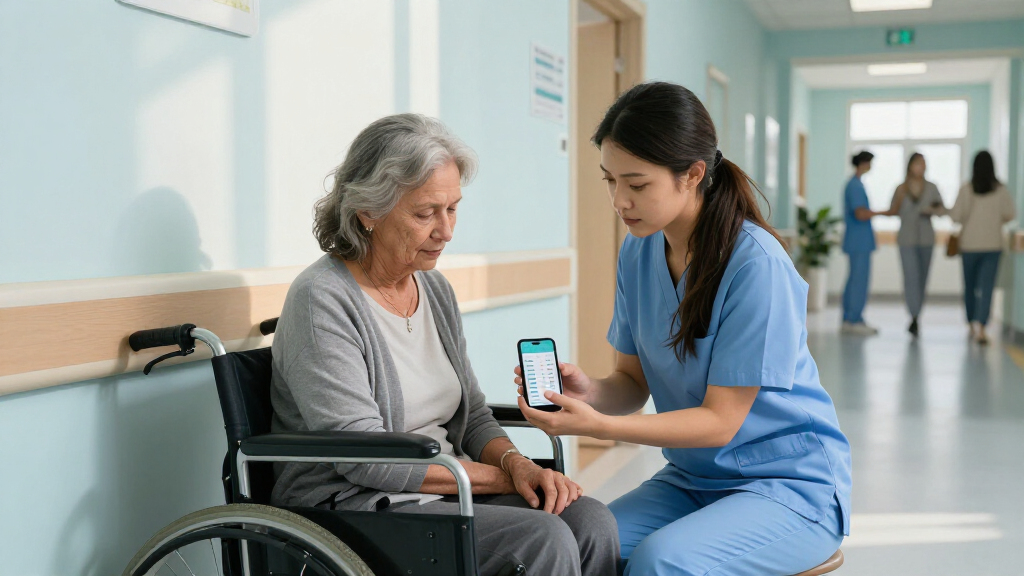
The transitions examined included discharge from a hospital to home, from a hospital to rehabilitation and from rehabilitation to home. The report describes difficulties that can arise when caregivers take on tasks previously shared among hospital staff, including managing medications, meals, mobility, bathing, appointments and safety, as well as watching for changes in a patient’s condition.
Being Patient reports that the researchers recommend treating caregivers as partners in the care team, offering dementia-specific information and training, connecting families with home- and community-based services, and providing support after discharge. The article also relays practical guidance from care professionals, including asking what changed during the hospital stay, what needs to happen next and which symptoms or behaviors should prompt a call for help.
When Discharge Plans Reach Home
Discharge instructions can set out a plan, but families may have to carry it out without the staff, equipment or routines available in a hospital. For a person with dementia, communication or memory difficulties can make tasks such as taking a new medication more complicated. The report’s example of a patient refusing a pill illustrates why a written instruction alone may not prepare a caregiver to handle problems that arise.
The issue matters because care can become harder just as a patient returns from an illness or hospital stay. The Being Patient report says hospitalization raises the risk of falls, delirium and functional decline for people with dementia. It also says that about one-third of U.S. adults with dementia are hospitalized each year, though the article does not specify the underlying source or time period for that estimate.
Better preparation could help caregivers understand medication changes, arrange follow-up and recognize when a patient’s condition has changed. The report also emphasizes that support for caregivers matters in its own right: families need to be able to manage their own health and responsibilities while providing care.
As an affiliate, we earn on qualifying purchases.
The Study Behind the Report
The 2024 research described by Being Patient used guided interviews with caregivers and health professionals to learn about the experience of moving dementia care across settings. Caregivers were interviewed, on average, 18 days after discharge, giving researchers a chance to hear about problems encountered after patients had left the hospital or rehabilitation facility.
The article places those interviews against a common handoff: in a hospital, nurses, physicians, therapists and other professionals manage different parts of a patient’s care. At home, many responsibilities shift to a family member. The report does not describe the study as a trial or claim that its recommendations have been shown to reduce hospital readmissions or other outcomes.
“We have to look beyond whether a discharge plan is medically appropriate and ask whether it is executable at home.”
— Faris Flournoy, CEO of Flournoy Health Systems
Study Details Still Missing
The supplied Being Patient report does not state the study’s participant count, full findings or publication details, and it does not identify the journal or provide a link to the research paper. The interviews provide accounts from caregivers and professionals, but the material supplied does not establish how common each reported problem is across all dementia discharges.
The article also does not give a location-specific account of which services are available or who qualifies. Home health, rehabilitation and other support can depend on clinical assessments, insurance and local service capacity. Nixon’s comments about Medicare and home care are attributed to her; the report does not offer a complete eligibility guide.
Questions to Raise Before Discharge
The report’s practical focus is on clarifying care before the patient leaves and knowing whom to contact afterward. Caregivers can ask hospital staff to explain what changed, what happens next and what warning signs need attention. They can review each medication’s name, dose, timing and purpose, and compare the discharge list with the medicines already at home. If instructions conflict or are unclear, Flournoy advises contacting the appropriate physician, pharmacist or clinician rather than guessing.
Families can also ask whether follow-up appointments, fall precautions, home health or therapy have been arranged, and what behavioral or cognitive changes may follow hospitalization. The report does not announce a new policy or a specific implementation deadline. The next step described is practical coordination among caregivers and care professionals, with support after discharge where available.
Key Questions
What did the 2024 dementia-care study examine?
According to Being Patient, researchers at the Michael E. DeBakey VA Medical Center interviewed caregivers and health professionals about transitions between hospital, rehabilitation and home for people with dementia.
What can caregivers clarify before a patient leaves the hospital?
The report advises asking what changed during the stay, what needs to happen next, which symptoms or behaviors should prompt help, and how medications and follow-up care should be managed.
Does the report say every patient with dementia qualifies for home health care?
No. It discusses possible home-based support, but does not provide universal eligibility rules. Availability and qualification depend on the patient’s situation and applicable coverage; families can ask the care team or insurer about specific options.
What remains unknown about the study?
The supplied report does not give the participant count, the full study results or publication details. It also does not quantify how often particular discharge problems occur across all dementia patients.
Source: rss
Cold & flu season Picks
humidifiers
As an affiliate, we earn on qualifying purchases.