

Car rides can trigger panic in someone with Alzheimer’s because their brain struggles to process familiar surroundings, leading to confusion and fear. They may not recognize landmarks or scenery, making the environment feel unfamiliar and unsafe. Routine disruptions or unpredictable routes increase their distress, especially if they feel lost. To help, you can create familiar routines and use visual cues. If you want practical tips to make trips more comfortable, you’ll find helpful ideas ahead.

Turn quiet afternoons into listening time
- Thousands of audiobooks, podcasts and originals
- Listen on your phone, tablet or Echo — also offline
- Cancel anytime
Key Takeaways
- Sudden fear and confusion during rides stem from unfamiliar routes and difficulty recognizing landmarks.
- Memory impairment causes disorientation, making previously familiar routes feel strange and threatening.
- Lack of routine or unpredictable journeys heighten anxiety and trigger panic responses.
- Environmental cues or scenery deviations can increase feelings of danger and distress.
- Cognitive decline reduces spatial awareness, leading to a perception of being lost or unsafe during car rides.
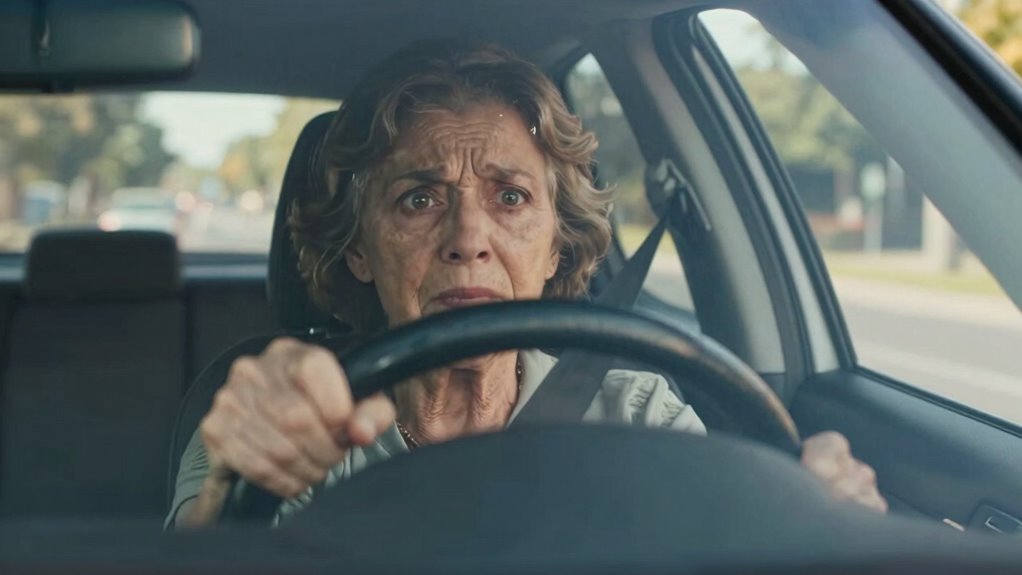
For many people with Alzheimer’s disease, car rides can suddenly become sources of fear and confusion. You might notice your loved one becoming restless, agitated, or even panicked when it’s time to get in the car. This reaction often stems from travel anxiety, which can intensify as their brain struggles to process familiar surroundings and navigate new or changing environments. When they can’t recognize the route or feel uncertain about where they’re headed, their sense of safety diminishes, triggering anxiety and sometimes outright panic.
One of the main reasons for this is the loss of route familiarity. Alzheimer’s affects memory and spatial awareness, making previously familiar routes seem strange and unpredictable. Your loved one might ask repeatedly where they’re going or become upset when they see unfamiliar landmarks or scenery. This confusion can escalate quickly if they feel lost or if the journey deviates from what they expect. It’s not just about being in a car; it’s about losing the mental map that makes travel feel secure. When they can’t recognize the route, their brain perceives danger, even if you’re simply driving around the neighborhood or to a familiar location like the grocery store.
To help ease this anxiety, you can try to establish routines that promote route familiarity. For example, consistently taking the same route to a favorite place helps reinforce a mental map, reducing feelings of unfamiliarity. Using visual cues, like landmarks or familiar objects inside the car, can also provide reassurance. Talking through the journey beforehand, explaining where you’re going and what they can expect, can reduce uncertainty and help them feel more in control. Recognizing the importance of spatial awareness and familiar routines can significantly lessen travel-related stress for individuals with Alzheimer’s.
Keeping car rides short and predictable can make a big difference. If your loved one begins to show signs of distress, pulling over in a safe spot and offering reassurance can help ground them. Distractions like favorite music or calming conversations might also ease their travel anxiety. Remember, it’s not only about the destination but also about making the journey as comfortable and familiar as possible. As their memory deteriorates, your patience and understanding become vital tools in making car rides less frightening and more manageable. By recognizing the importance of route familiarity and addressing travel anxiety proactively, you can help turn stressful trips into moments of connection rather than distress. Being aware of home environment factors that influence their comfort can further improve the experience and reduce anxiety. Additionally, understanding how cognitive decline affects their perception can guide you in developing more effective coping strategies.
Understanding how environmental cues impact their sense of security can also play a crucial role in reducing travel-related distress.
Products Worth Considering

Oral-B iO Series 5 Rechargeable Electric Toothbrush with Travel Case and 3 Brush Heads, Black

Theragun Mini 3rd Generation Massage Gun – Travel Essential (Black)

Bowflex SelectTech 840 Adjustable Kettlebell
As an affiliate, we earn on qualifying purchases.
Frequently Asked Questions
How Can Caregivers Prevent Panic During Car Rides?
To prevent panic during car rides, you should create a calming environment. Use music therapy with soothing tunes to ease anxiety and employ aromatherapy techniques, like lavender or chamomile, to promote relaxation. Keep the ride short and familiar, and maintain a comfortable temperature. Speak softly and reassure your loved one throughout the journey. These strategies work together to reduce stress and help make car rides more peaceful.
Are There Specific Routes That Reduce Anxiety?
Think of your loved one’s journey as a gentle river, flowing smoothly along familiar routes. Choosing routes they recognize reduces anxiety, much like visiting a cherished hometown. Stick to familiar roads and incorporate calming techniques like soft music or gentle conversation. These strategies help create a sense of stability, easing panic during car rides. Consistency and familiarity act as comforting anchors amid the uncertainties of travel.
What Are Early Signs of Panic During Car Rides?
Early signs of panic during car rides include rapid breathing, sweating, trembling, or a racing heart. You might notice your loved one becoming visibly distressed, agitated, or trying to escape the vehicle. To improve driving anxiety and enhance road trip comfort, keep the environment calm, stick to familiar routes, and guarantee regular breaks. Recognizing these signs early helps you respond calmly, easing your loved one’s panic and making the ride more manageable.
How Long Does a Panic Episode Typically Last?
Panic episodes often last anywhere from a few minutes to about 20 minutes, depending on the panic triggers and emotional responses involved. You might notice that once the initial surge hits, it gradually subsides, but the timing varies with each person. During these moments, calming techniques can help, as emotional responses are heightened by the triggers. Being patient and reassuring can make a significant difference in helping manage the duration.
Can Medication Help Manage Panic During Car Trips?
Yes, medication management can help manage panic during car trips. It often includes anti-anxiety medications or sedatives that reduce anxiety and help calm your loved one. These medications can be effective for anxiety reduction, making car rides less stressful. Always consult a healthcare professional to determine the right medication and dosage, ensuring safe and appropriate use. Proper management can improve comfort and safety during trips, easing your loved one’s panic episodes.
Conclusion
Imagine taking your loved one for a simple drive, only to see them become overwhelmed and panicked. This is a common experience for those with Alzheimer’s. By understanding their triggers, like unfamiliar routes or loud noises, you can help ease their fears. For example, a family discovered that playing familiar music during car rides calmed their grandmother. Small adjustments make a big difference, helping both of you enjoy peaceful journeys together.