
TL;DR

Turn quiet afternoons into listening time
- Thousands of audiobooks, podcasts and originals
- Listen on your phone, tablet or Echo — also offline
- Cancel anytime
Scientists are using in-ear sensors to analyze bodily sounds, such as heartbeat and breathing, for early detection of Alzheimer’s and Parkinson’s. This approach aims to identify subtle signs before symptoms become severe, potentially enabling earlier treatment.
Researchers are developing in-ear sensor devices that analyze bodily sounds to diagnose Alzheimer’s and Parkinson’s diseases before traditional symptoms appear. This innovative approach could enable earlier intervention, which is critical for managing these neurodegenerative conditions.
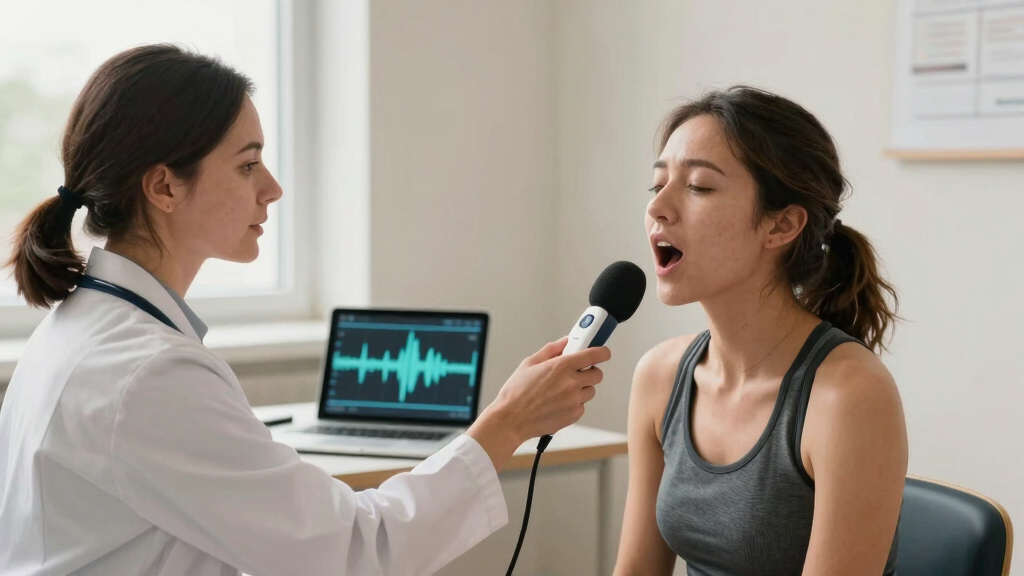
The research, led by experts at ÉTS, involves a small device fitted with microphones and speakers placed inside the ear. It captures internal sounds such as heartbeats, breathing, and swallowing, which are affected in early stages of neurodegenerative diseases. These signals are then processed using machine learning algorithms to distinguish subtle changes indicative of disease progression. The team has demonstrated that stress levels can be detected from heart signals during quiet moments, which could be particularly useful for patients with cognitive impairments. Two studies are currently underway: one focusing on Parkinson’s disease patients and their caregivers, and another comparing healthy individuals with those diagnosed with neurodegenerative disorders.
Why It Matters
This development could revolutionize early diagnosis of Alzheimer’s and Parkinson’s, allowing treatments to be administered sooner and potentially slowing disease progression. It addresses a critical gap in current clinical practices, which often detect these diseases only after significant symptoms emerge. Early detection through noninvasive, continuous monitoring could improve patient outcomes and reduce healthcare costs.
As an affiliate, we earn on qualifying purchases.
Background
Currently, diagnoses of neurodegenerative diseases rely heavily on clinical observation of visible symptoms, which often appear late in disease progression. Early signs, such as changes in speech, breathing, or eye movements, are subtle and difficult to detect with standard methods. Wearable sensors and advanced algorithms are emerging as promising tools for continuous health monitoring, with in-ear devices representing a novel approach to capturing physiological signals that reflect early disease markers.
“Using in-ear sensors to analyze internal sounds offers a new window into early signs of neurodegenerative diseases, potentially enabling diagnosis well before symptoms become obvious.”
— Professor at ÉTS
“Our machine learning algorithms can differentiate subtle changes in bodily sounds that are linked to disease progression, opening new avenues for noninvasive diagnostics.”
— Research team member
What Remains Unclear
It remains unclear how accurately these in-ear sensors can distinguish early signs across diverse populations and disease stages. The long-term reliability and clinical validation of these methods are still in progress. Additionally, how these signals will be integrated into routine clinical practice has yet to be determined.
What’s Next
The ongoing studies aim to validate the technology’s effectiveness in larger and more diverse cohorts. Future steps include refining algorithms, improving device comfort, and working towards regulatory approval for clinical use. Researchers also plan to explore the potential for continuous, real-world monitoring outside laboratory settings.
Key Questions
How early can these in-ear sensors detect neurodegenerative diseases?
While still under research, preliminary results suggest they can identify subtle signs months or even years before traditional diagnosis, depending on the disease and individual variability.
Are these devices safe and comfortable for everyday use?
The devices are designed to be minimally invasive and comfortable, but further testing is needed to confirm their suitability for long-term, daily wear.
Will this technology replace current diagnostic methods?
It is more likely to serve as a complementary tool for early screening and continuous monitoring rather than replacing existing clinical assessments.
When might these devices become available for clinical use?
If ongoing studies confirm their effectiveness, regulatory approval could be sought within the next few years, with potential availability within five years.
Cold & flu season Picks
humidifiers
As an affiliate, we earn on qualifying purchases.