

If someone with Alzheimer’s clenches their hands, using gentle techniques can help release tension and increase comfort. Try soft hand massages with slow, circular motions and light pressure, focusing on each finger. Gentle stretching exercises, like spreading and bending fingers carefully, can also improve flexibility. Creating a calm environment with soothing textures and distraction strategies like soft music or familiar visuals supports relaxation. Keep practicing these compassionate methods, and discover additional tips to promote ease and trust.
Key Takeaways
- Recognize clenched hands as a sign of neurological decline, discomfort, or stress in Alzheimer’s patients.
- Use gentle, controlled massage and finger stretching to relax tight muscles and improve circulation.
- Incorporate calming sensory stimuli like soft textures, soothing music, or aromatherapy to ease tension.
- Maintain a calm environment with routine, clear communication, and patience to foster trust and reduce anxiety.
- Observe responses carefully, adjusting techniques to ensure comfort and prevent overstimulation during hand releases.
Amazon Product B0F62GYY19
As an affiliate, we earn on qualifying purchases.
Understanding Why Hands Clench in Alzheimer’s
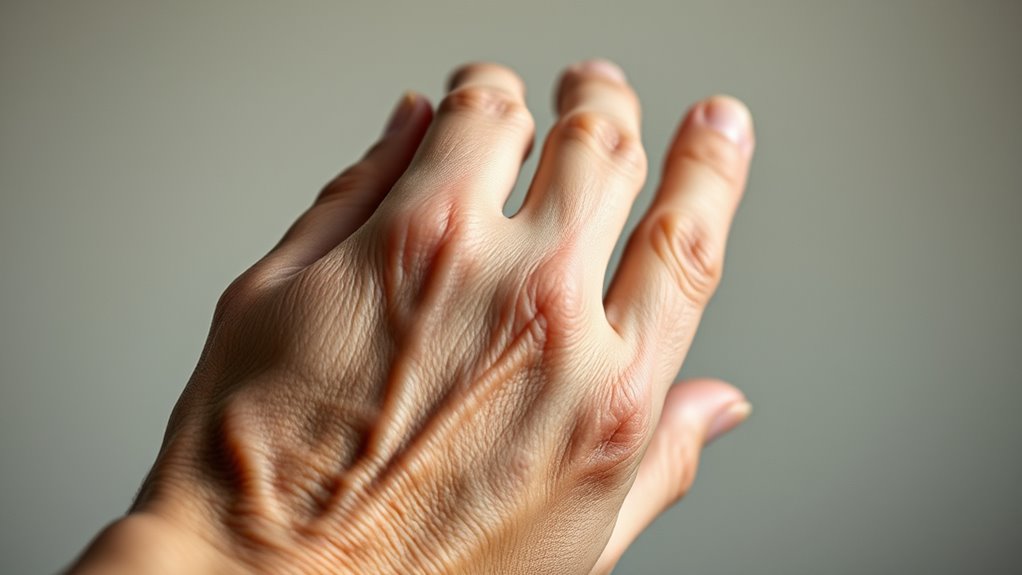
When someone with Alzheimer’s experiences clenched hands, it often reflects underlying changes in their brain. These clenched fists can be a response to neurological deterioration affecting muscle control and nerve signals. As Alzheimer’s progresses, it impacts areas responsible for voluntary movements, leading to increased muscle tension and rigidity. This muscle tension can also be exacerbated by neurological deterioration, which further disrupts normal muscle function. The tightening isn’t always a sign of pain but may be a reaction to confusion or discomfort. Brain changes also disrupt the body’s ability to relax muscles, causing involuntary clenching. Additionally, the loss of communication between the brain and muscles can make it harder for the person to release their grip. Recognizing that muscle tension increases due to neurological changes can guide caregivers in providing appropriate comfort and interventions. The presence of muscle stiffness can also limit mobility and increase the risk of injury, making gentle handling even more crucial. Moreover, employing gentle release techniques can help ease discomfort and promote relaxation.

MAHOMICO Power Lift Recliner Chair for Elderly with Vibration Massage and Lumbar Heating, Electric Lift Recliner Single Sofa with Side Pocket, Two Cup Holders and USB Charge Port for Living Room
𝗣𝗼𝘄𝗲𝗿 𝗟𝗶𝗳𝘁 𝗥𝗲𝗰𝗹𝗶𝗻𝗲𝗿 𝗖𝗵𝗮𝗶𝗿: Elevate your relaxation with the MAHOMICO power recliner chair. This advanced lift chair recliner...
As an affiliate, we earn on qualifying purchases.
Recognizing Signs of Discomfort in Clenched Hands

You can notice discomfort in clenched hands through tension signs like stiff fingers or trembling. Pay attention to changes in hand posture, such as rigidity or curled fingers, which may signal distress. Recognizing these signs helps you understand when your loved one isn’t comfortable and may need support. Monitoring for signs of discomfort can help prompt gentle release techniques to ease their tension. Additionally, understanding the data privacy concerns related to health information can ensure respectful and secure support.
Tension Indicators in Hands
Clenched hands often serve as a silent signal of discomfort or tension, especially in individuals with Alzheimer’s. You might notice their fingers tightly curled or fists clenched, even when they’re at rest. Look for persistent gripping or rigidity that doesn’t ease with relaxation. Tension indicators include knuckles turning white from pressure, stiff fingers that resist gentle movement, or a constant curl that doesn’t relax naturally. These signs suggest underlying discomfort or anxiety. Recognizing these cues early helps you understand their emotional state and allows you to intervene with gentle techniques. Pay attention to subtle changes in hand posture or grip strength, as these are key indicators of ongoing tension. Addressing these signs can help reduce stress and promote comfort.
Changes in Hand Posture
Changes in hand posture are a clear sign that someone may be experiencing discomfort or stress. If you notice clenched fists or rigid fingers, it could indicate underlying tension or pain. Watch for hands that remain tightly curled or refuse to open naturally, as this suggests the person is holding onto distress. Sudden changes from relaxed to rigid positions can signal escalating discomfort. Pay attention to how the hands move or hold objects—tight grips or trembling may reveal unease. Recognizing these posture shifts allows you to respond early, offering gentle reassurance or relief. Understanding these signs helps you better support someone with Alzheimer’s who might not express discomfort verbally, ensuring you can intervene with care before discomfort escalates.
Signs of Discomfort
When hands remain tightly clenched or refuse to open naturally, it often signals that the person is experiencing discomfort or distress. Recognizing these signs helps you respond calmly and compassionately. Here are some indicators to watch for:
- Increased muscle tension, making the fists hard to open
- Rapid or shallow breathing around the hands
- Flinching or pulling away when you try to touch or loosen the fists
- Facial expressions showing frustration, pain, or confusion
These signs suggest the person might be overwhelmed or in pain. Addressing their discomfort gently and offering reassurance can help ease their distress. Being attentive allows you to respond with patience and care, promoting a sense of safety and trust.

CANMOV Large Power Lift Recliner with Massage and Heat for Elderly, Heavy Duty Lift Recliner for Seniors with USB Port, 2 Hidden Cup Holders (Camel Brown)
8-Point Massage & Lumbar Heating: The electric lift recliners offers an advanced 8-point massage system with 2 different...
As an affiliate, we earn on qualifying purchases.
Preparing a Calm and Comfortable Environment

Creating a calm environment helps reduce anxiety and clenched hands. You can do this by minimizing loud noises, adjusting the lighting to be gentle, and adding soothing aromas. These simple steps make your loved one feel more comfortable and secure. Incorporating relaxation techniques such as calming music or gentle touch can further promote relaxation and ease tension.
Minimize Noise Distractions
Since noise can easily overwhelm someone with Alzheimer’s, it’s essential to establish a calm and quiet environment. First, choose a space away from busy areas or external sounds. Second, turn off or lower volume on TVs, radios, and devices. Third, close windows and doors to block out street noise. Fourth, use soft furnishings like curtains and rugs to absorb sound. Keep conversations gentle and avoid loud noises or sudden sounds that can startle. Consistently maintaining a quiet space helps reduce stress and anxiety, making it easier for your loved one to stay relaxed and focused. By controlling noise levels, you create a peaceful environment that supports their comfort and well-being.
Adjust Lighting Comfortably
Adjusting the lighting to a comfortable level is essential for creating a calm environment for someone with Alzheimer’s. Bright, harsh lights can cause confusion or agitation, while dim lighting might make it hard to see clearly. Aim for soft, even illumination that mimics natural daylight without creating glare or shadows. Use lamps with adjustable brightness or dimmer switches to fine-tune the lighting as needed. Avoid flickering or overly fluorescent lights, which can be unsettling. Keep the environment well-lit but gentle, especially in common areas and bedrooms. You want the space to feel safe and inviting, helping to reduce anxiety and make it easier for your loved one to navigate their surroundings comfortably.
Use Soothing Aromas
Using soothing aromas can considerably help calm an individual with Alzheimer’s and create a more relaxing environment. Aromatherapy has been shown to reduce agitation and promote comfort. To maximize its benefits, consider these steps:
- Choose calming scents like lavender, chamomile, or vanilla, which are known for their relaxing properties.
- Use a diffuser or a few drops of essential oil in a cotton ball placed nearby to disperse the aroma gently.
- Verify the scent isn’t overpowering; subtlety is key to avoid overwhelming the senses.
- Combine aromatherapy with other calming techniques, like soft music or gentle touch, for a more holistic calming effect.
This approach helps create a peaceful setting that can ease tension and promote relaxation.
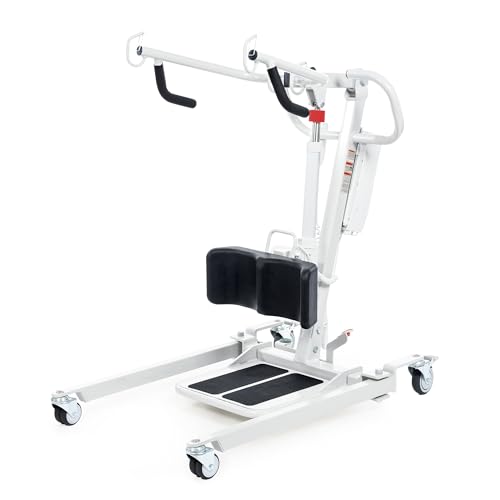
RESTISLAND Stand Up Electric Patient Lift, Sit to Stand, Electric Power Patient Lift, Full Body Patient Transfer Lifter for Home Use and Facilities, 400 lb. Weight Capacity. Rechargeable Battery
Advantage: The electric patient lift provides safety, comfort and stability for both user and caregiver. Effectively reduce the...
As an affiliate, we earn on qualifying purchases.
Gentle Hand Massage Techniques

Gentle hand massage techniques can provide soothing relief for individuals with Alzheimer’s who clench their hands. Begin by using light, circular motions with your fingertips on the palm and fingers. Apply gentle pressure to relax tight muscles and promote circulation. Focus on each finger, gently kneading and stretching them if tolerated. Use slow, deliberate strokes to avoid causing discomfort or overstimulation. Incorporate soft, calming touch to help ease anxiety and promote relaxation. Keep your movements steady and gentle, paying attention to the person’s responses. You might also incorporate warm, moist towels or massage oils to enhance comfort. Consistency is key; regular hand massages can help reduce clenching and foster a sense of calm. Additionally, body awareness techniques can further support relaxation and reduce muscle tension. Being aware of the person’s emotional state can help tailor your approach to ensure they feel safe and comfortable throughout the massage.
Simple Finger Stretching Exercises

When performing finger stretching exercises with someone who has Alzheimer’s, it’s important to move slowly and attentively. This helps them feel safe and reduces discomfort. Here are simple steps to guide you:
- Gently hold their hand, and with your thumb and index finger, gently stretch each finger outward.
- Carefully bend each finger toward the palm, then straighten it fully.
- Slightly spread their fingers apart, then bring them back together.
- Repeat these movements slowly, paying attention to their comfort and response.
- Incorporating regular exercise can further support their hand mobility and overall well-being. Engaging in hand mobility exercises can also help maintain their dexterity and prevent stiffness. Being mindful of sensory stimulation during these exercises can enhance their comfort and engagement. These exercises promote flexibility and circulation, helping to ease tension. Using gentle, soothing techniques can also reduce any potential discomfort and make the experience more pleasant. Consistent practice with therapeutic interventions can lead to better outcomes over time. Keep your movements smooth and gentle, and always watch for any signs of discomfort. Regular practice can make a meaningful difference in their hand comfort and mobility.
Using Soft Textures for Relaxation

Soft textures can have a calming effect on individuals with Alzheimer’s, helping to reduce anxiety and promote relaxation. When you introduce gentle fabrics like velvet, fleece, or silk, you create a soothing sensory experience. These textures engage the sense of touch, encouraging calmness and comfort. To personalize the approach, consider choosing textures based on preferences and sensitivities. Additionally, selecting appropriate textures can enhance the sensory benefits and ensure comfort. Properly implementing sensory stimulation techniques can further improve relaxation and emotional well-being. Below is a simple guide to help you select suitable textures:
| Texture Type | Sensory Benefit | Suitable For |
|---|---|---|
| Velvet | Smooth, calming | Sensitive skin |
| Fleece | Warm, soft | Anxiety relief |
| Silk | Cool, gentle | Gentle stimulation |
Using soft textures can be a powerful tool to ease tension and support relaxation in your loved one. Incorporating sensory-friendly fabrics can further enhance the calming experience and cater to individual needs. Additionally, understanding the importance of emotional well-being can help in creating a more holistic approach to comfort.
Incorporating Relaxation and Distraction Strategies

Incorporating relaxation and distraction strategies can effectively reduce anxiety and agitation in individuals with Alzheimer’s. You can gently shift their focus and create calm by trying simple activities. Here are some ideas:
- Engage in rhythmic activities like clapping or tapping to soothe nerves.
- Use visual stimuli, such as watching calming videos or looking at familiar photos.
- Play soft music or nature sounds to promote relaxation.
- Offer hands a gentle, soothing activity like squeezing a textured ball or folding cloth.
- Incorporate communication techniques to better understand and communicate with individuals experiencing confusion or distress.
- Utilize essential oils for calming—such as lavender or frankincense—by diffusing them in the environment to enhance relaxation. Additionally, selecting safe and soothing products can contribute to a more calming atmosphere.
- Understanding neurodegenerative conditions helps caregivers tailor activities that reduce agitation and promote comfort.
These strategies help divert attention from distressing thoughts, reduce physical tension, and foster a sense of safety. By consistently applying these techniques, you create a soothing environment that encourages calm and comfort.
Tips for Consistent and Compassionate Care

Providing consistent and compassionate care is essential for supporting individuals with Alzheimer’s, as it helps build trust and reduces confusion. When your approach remains steady, your loved one feels safer and more understood. Use gentle, clear communication, and maintain routines to create familiarity. Show patience and empathy, acknowledging their feelings without judgment. Remember, small gestures like eye contact or a reassuring touch can make a big difference. To emphasize key points, consider this table:
| Consistency | Compassion | Communication |
|---|---|---|
| Establish routines | Listen actively | Use simple language |
| Be predictable | Show patience | Speak calmly |
| Maintain familiar environments | Validate feelings | Use non-verbal cues |
| Use gentle touch | Offer reassurance | Be attentive |
| Stay calm during distress | Show empathy | Repeat information if needed |
Additionally, understanding the emotional effects of Alzheimer’s can help caregivers tailor their approach to better meet the needs of their loved ones. Recognizing the importance of consistent routines can also reduce anxiety and provide a sense of security.
Frequently Asked Questions
Can Clenched Hands Indicate Specific Emotional States in Alzheimer’S Patients?
You might wonder if clenched hands signal specific emotional states. Yes, they can. For example, tight fists often show frustration, anxiety, or discomfort, while relaxed hands may indicate calmness or contentment. Recognizing these subtle cues helps you understand what someone is feeling. By paying attention to hand gestures and tension, you can better respond to their needs, offering comfort or reassurance when needed.
Are There Age-Related Differences in Hand Clenching Among Alzheimer’S Individuals?
You might notice that hand clenching varies with age, even among individuals with Alzheimer’s. Younger individuals may show different patterns compared to older ones, possibly due to changes in muscle tone or neurological factors. These differences could influence how you approach comfort and care, helping you better understand their needs. Recognizing age-related variations allows you to tailor gentle release techniques, making interventions more effective and comforting for each person.
How Can Caregivers Prevent Hand Clenching From Causing Skin Irritation?
Think of your hands as delicate gardens needing gentle care. To prevent skin irritation from clenching, you can regularly massage and moisturize your loved one’s hands, keeping the skin soft and healthy. Using soft gloves or mittens during rest can protect skin from friction. Encourage gentle stretching exercises to ease tension, much like watering and tending a garden, ensuring comfort and reducing the risk of irritation.
What Are Signs That Hand Clenching Is Due to Medical Complications?
When you notice your loved one’s hand clenching, look for signs like sudden pain, swelling, redness, or warmth, which could indicate an underlying medical issue. Also, watch for changes in color, temperature, or if the clenched hand persists despite gentle efforts. If you observe these symptoms, it’s important to seek medical attention promptly to identify and treat any potential complications.
How Long Should Hand Release Techniques Be Practiced for Optimal Comfort?
Ever wondered how long to practice hand release techniques for comfort? You should aim for sessions lasting 10 to 15 minutes, repeating as needed throughout the day. Consistency is key to seeing benefits, but listen to your body—if you feel relaxed sooner, you can end the session. Regular practice helps ease stiffness and tension, improving comfort over time. Wouldn’t you want to find a routine that feels best for you?
Conclusion
By understanding why hands clench, recognizing signs of discomfort, and preparing a calm environment, you create a space for comfort. Through gentle massages, simple stretches, and soft textures, you soothe and relax. Incorporating relaxation and distraction strategies helps ease tension, while consistent, compassionate care builds trust. Remember, patience and kindness are your best tools — because gentle touch, gentle words, and gentle presence make all the difference in helping your loved one feel safe and loved.