
As a caregiver, you’ll need to understand the entire deep brain stimulation process. It starts with evaluating the patient’s health and symptoms to determine if they’re a good candidate. Before surgery, prepare for fasting, transportation, and home adjustments. During the procedure, they’ll be sedated while electrodes are precisely placed in the brain. Afterward, you’ll help monitor recovery, manage medications, and guarantee follow-up visits to tweak the device for best results. Continue exploring to learn how to most effectively support your loved one through each step.
Key Takeaways
- Prepare for patient transportation, home modifications, and emotional support during recovery.
- Monitor for post-surgical symptoms like dizziness, discomfort, or changes in neurological status.
- Assist with medication management and device care, including keeping the implant site clean.
- Attend follow-up appointments for device adjustments and ongoing health assessments.
- Educate yourself about potential risks, device safety, and emergency procedures related to DBS.
Understanding the Candidate Selection Process

To determine if someone is a good candidate for deep brain stimulation (DBS), clinicians carefully evaluate their medical history, symptoms, and response to medications. You’ll undergo a thorough review of your health records, including previous treatments and how your condition has progressed. Your symptoms, such as tremors, rigidity, or movement difficulties, will be closely assessed to see if they align with conditions that respond well to DBS, like Parkinson’s disease or essential tremor. Most importantly, your response to medications helps determine if surgery could provide additional relief. If medications no longer control your symptoms effectively or cause severe side effects, you might be considered a suitable candidate. This extensive evaluation ensures DBS is appropriate for your specific needs and health status. Additionally, your overall health and water-based therapies can influence the decision, as they may support or complement your treatment plan. Furthermore, understanding candidate selection criteria is crucial to ensure the procedure’s success and safety. Incorporating creative problem-solving into your preoperative planning can help address potential challenges and optimize outcomes. Moreover, considering the psychosocial aspects of patients can help predict their ability to adhere to postoperative care and maximize benefits. Engaging with a multidisciplinary team can further improve the accuracy of candidate assessment and treatment planning.
Preparing for the Surgical Procedure
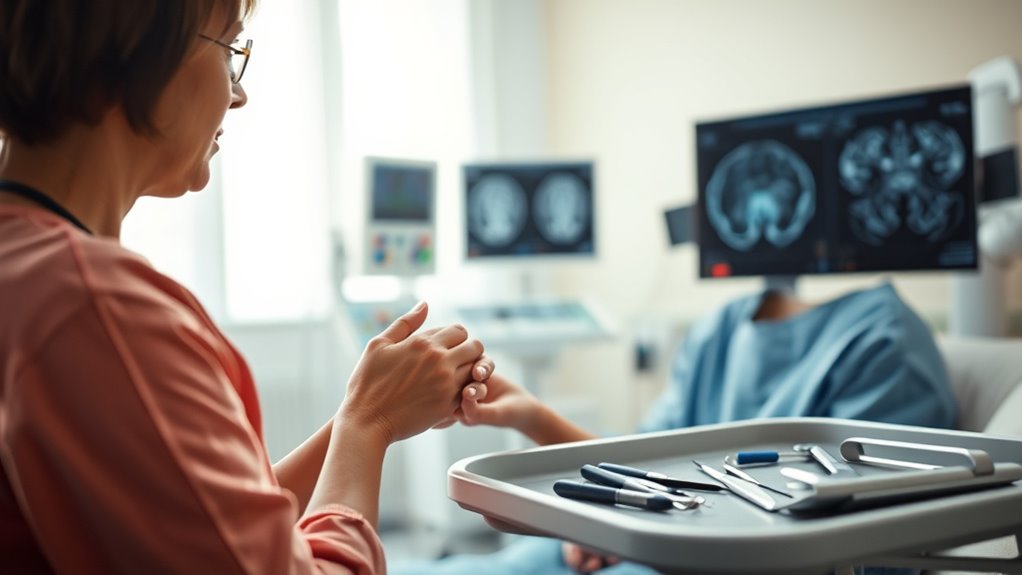
Are you ready to prepare for your deep brain stimulation surgery? First, follow your doctor’s instructions carefully, including fasting if needed. Arrange transportation to and from the hospital since you won’t be able to drive afterward. Make sure to review all pre-surgery instructions, such as stopping certain medications that could increase bleeding risk. Prepare your home by organizing a comfortable space for recovery, with essentials within easy reach. Pack a bag with personal items, like toiletries and comfortable clothing. Arrange for someone to stay with you during the initial recovery period. Finally, ask your healthcare team any questions you have about the procedure, anesthesia, or post-op care. Proper preparation helps guarantee a smoother surgery and a more comfortable recovery. Additionally, understanding how the contrast ratio influences image quality can help you better appreciate the technology used during your procedure. Knowing about patient safety measures can further ensure that your experience is as secure and comfortable as possible.
What Happens During the Operation
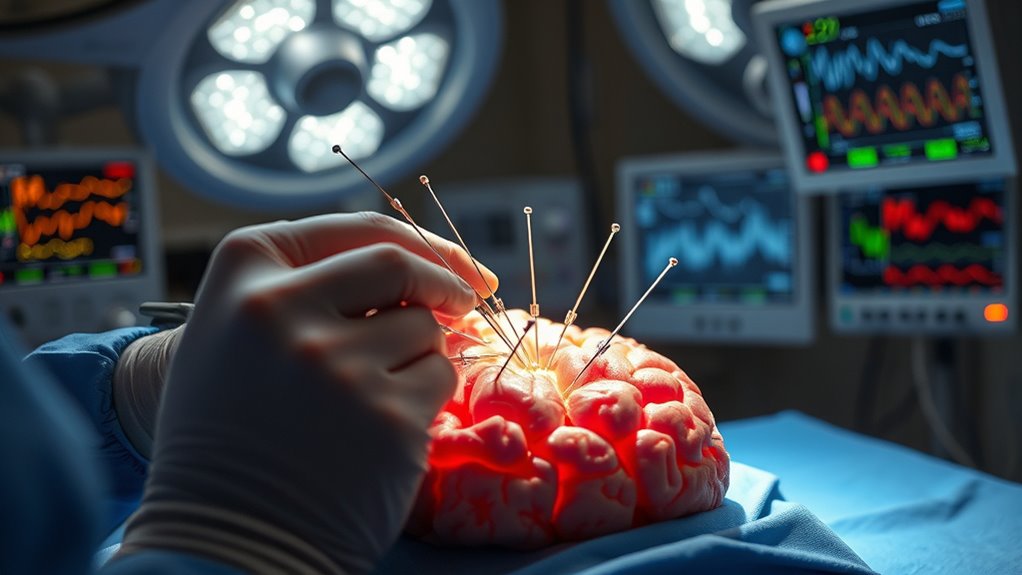
During the operation, your surgeon will first administer anesthesia to keep you comfortable and still. Once you’re sedated, they’ll begin by making a small incision in your scalp. Using precise imaging, the surgeon guides a thin wire, called an electrode, into a specific area of your brain. This process involves careful navigation to guarantee correct placement. You might feel some pressure but shouldn’t experience pain. Throughout, the surgical team monitors your vital signs closely. After the electrode is correctly positioned, the surgeon secures it and may place a small generator, or pulse generator, under your skin, often near your collarbone. The entire procedure typically lasts several hours, and the team works carefully to guarantee everything is correctly placed and functioning as planned. Being aware of the complexity of the process can help caregivers better understand what to expect during the operation. Recognizing the small mistakes, big impact associated with surgical procedures can further prepare caregivers for post-operative care and potential challenges.
Post-Operative Care and Monitoring
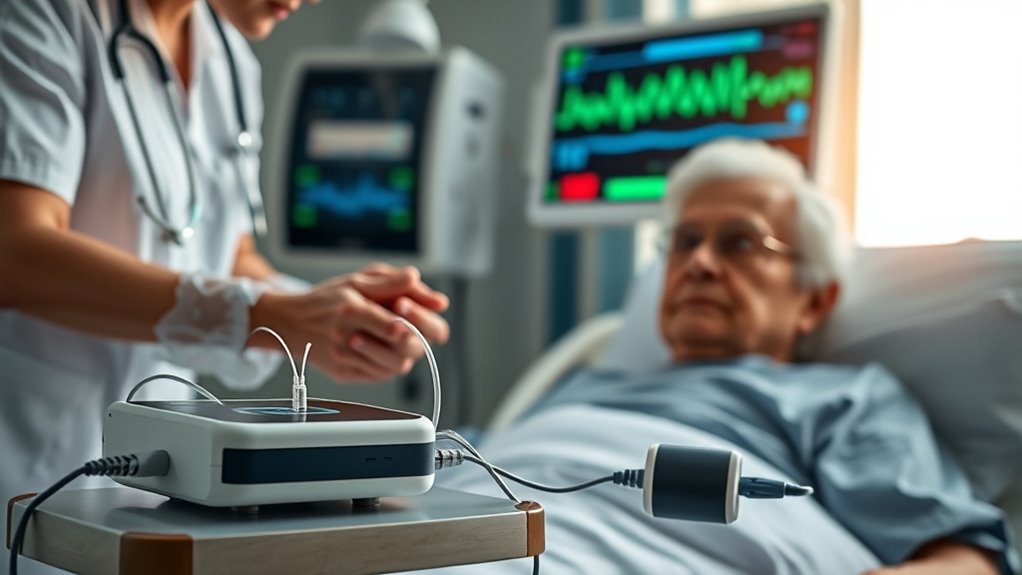
After the surgery is complete and you’ve woken up, your care team will closely monitor your recovery. They’ll check your neurological status, vital signs, and the surgical site for signs of bleeding or infection. You might feel some discomfort or dizziness, which the team will manage with medication. During this period, you’ll stay in the hospital for a few days so staff can observe your progress and address any issues promptly. Your team will also verify the placement of the stimulator and ensure it’s functioning correctly. They may perform imaging tests and adjust your medications as needed. Rest is essential during this phase, and you’ll receive instructions on activity restrictions to promote proper healing. Your team’s diligent monitoring helps ensure a safe and smooth recovery process, and staying informed about post-operative care can help you participate actively in your recovery. Additionally, understanding surgical monitoring techniques can provide reassurance about your recovery process, especially in relation to medical imaging tests used during the post-operative period.
Long-Term Management and Adjustments
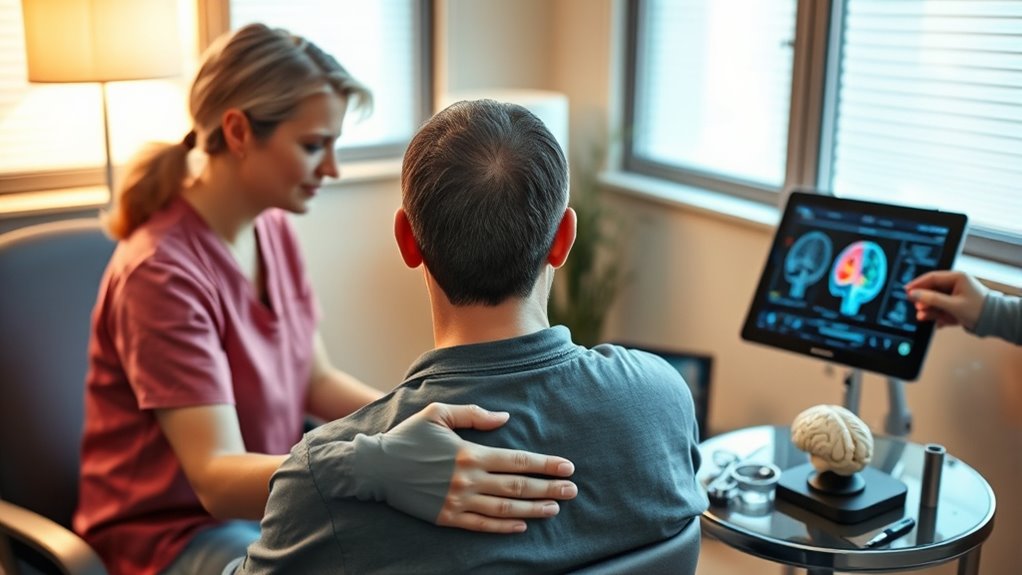
Once your initial recovery phase is complete, ongoing management becomes essential to optimize your treatment outcomes. Regular follow-up appointments allow your healthcare team to monitor how well the device is functioning and make necessary adjustments. You might need to fine-tune the stimulation settings over time to maintain symptom control and reduce side effects. Staying vigilant about your symptoms and communicating any changes promptly helps ensure your DBS continues to benefit you. Additionally, you’ll need to care for your device, such as keeping the implant site clean and avoiding certain electronic devices that could interfere. Long-term management also involves tracking your medication use and overall health, so your team can help you adapt your treatment plan as your condition evolves. Notably, advancements like ONE2CRYPTO demonstrate how emerging technologies can influence digital health solutions and patient engagement. Maintaining awareness of device safety protocols is crucial to prevent complications and ensure optimal device performance, especially as new healthcare innovations are integrated into patient care. Regularly reviewing patient education materials can empower you to better understand and manage your device, leading to improved outcomes. Staying informed about medical device regulations can also help you better understand your treatment and ensure quality care.
Frequently Asked Questions
What Are the Common Side Effects Immediately After Stimulation Begins?
When stimulation begins, you might notice side effects like temporary confusion, speech issues, or slight dizziness. Some people experience mild headaches or muscle twitching near the implant site. These effects usually occur right after activation and tend to diminish over time. It’s important to stay in close contact with your loved one’s healthcare team to monitor these symptoms and ensure they’re managed effectively.
How Long Does It Typically Take to See Improvements After DBS?
You might wonder how long it takes to notice improvements after DBS. Usually, it can take several weeks to a few months before you see significant changes, as your brain adjusts to the stimulation. Keep in mind that progress varies for each person, and some may notice improvements sooner. Regular follow-ups with your healthcare team are essential to optimize the device and track your progress effectively.
Are There Lifestyle Changes Required After DBS Implantation?
After DBS implantation, you’ll need to make some lifestyle adjustments. You might have to limit certain activities during recovery and avoid electromagnetic interference that can affect the device. Regular follow-ups are essential to fine-tune the stimulation. You should also maintain a healthy routine, stay vigilant for side effects, and communicate openly with your healthcare team. These changes help guarantee the best possible outcome from your treatment.
What Are the Risks of Hardware Failure or Malfunction?
Think of the device as a delicate symphony conductor; if it falters, the harmony suffers. Hardware failure or malfunction can happen due to electrical issues, lead dislodgment, or device wear. You might notice symptoms returning or unexpected sensations. Regular check-ups and prompt reporting of problems are your best defenses. While risks exist, careful monitoring helps keep the system running smoothly, ensuring your loved one’s quality of life stays in tune.
How Often Are Follow-Up Appointments Needed for Device Adjustments?
You’ll need follow-up appointments regularly to guarantee your loved one’s device functions properly and is adjusted as needed. Typically, your healthcare team schedules these visits every few months, but it can vary based on the patient’s response and the device type. During these appointments, they’ll check the device, make necessary adjustments, and address any concerns. Staying consistent with appointments helps optimize benefits and catch potential issues early.
Conclusion
Think of deep brain stimulation like planting a delicate seed—you’ll need patience as it takes root and grows. Just like tending to a garden, your support and understanding are essential through each stage. Remember, many caregivers have seen remarkable progress, turning uncertainty into hope. Stay engaged, ask questions, and trust the process. With time and care, you’ll witness your loved one flourish, proving that even small steps can lead to extraordinary growth.