

After a stroke, emotional lability can cause sudden mood swings like crying, laughing, or frustration. To cope, recognize these signs and communicate openly with loved ones using simple language. Practice calming techniques like deep breathing, mindfulness, or journaling to manage triggers. Seek support from healthcare professionals or support groups, and create a calm environment for emotional recovery. If you want to learn more about effective strategies, keep engaging with the full guidance.
Key Takeaways
- Practice deep breathing, mindfulness, and relaxation techniques to manage sudden emotional shifts effectively.
- Foster open communication with loved ones and professionals to express feelings safely.
- Recognize emotional triggers and keep a journal to monitor patterns and responses.
- Seek support from healthcare providers and support groups for guidance and reassurance.
- Create a calming environment with patience, understanding, and respectful boundaries to support emotional stability.
Understanding Emotional Lability and Its Causes

Emotional lability often occurs after a stroke because the brain’s emotional regulation centers are affected. When these areas are damaged, your ability to control your emotions becomes disrupted. You might find yourself crying unexpectedly, laughing without cause, or feeling intense anger or frustration. This happens because the stroke impacts the parts of your brain responsible for balancing emotions, particularly the frontal lobes and limbic system. The change is not within your control; it’s a result of the brain injury. Understanding this helps you realize that emotional outbursts are a direct consequence of stroke-related brain damage, rather than personal weakness. Recognizing the cause can ease feelings of guilt or confusion and motivate you to seek appropriate support and coping strategies. Additionally, the disruption in brain connectivity can further contribute to emotional lability, making it more challenging to regulate your feelings effectively. Regular monitoring of symptoms and working with healthcare professionals can help manage these emotional changes more effectively. Advances in AI in healthcare are increasingly aiding in the development of targeted therapies and support tools for stroke survivors experiencing emotional challenges.
Recognizing Common Signs and Symptoms

After a stroke, you may notice sudden and unpredictable changes in your emotional responses. You might find yourself crying unexpectedly or laughing without a clear reason. Mood swings can happen rapidly, leaving you feeling confused or overwhelmed. You may also experience feelings of frustration, anger, or sadness that seem out of proportion to the situation. Physical signs like rapid heartbeat, sweating, or trembling can accompany these emotional shifts. Sometimes, you may have trouble controlling your reactions, leading to embarrassing or distressing moments. Recognizing these signs early helps you understand that emotional lability is common after a stroke. Being aware of these symptoms allows you to seek support and develop coping strategies to manage your emotional health effectively. Additionally, understanding how AI safety measures are developed can provide reassurance about the ongoing efforts to manage risks associated with emerging technologies. Recognizing the importance of mental health support can also aid in recovery and improve overall well-being. Remember that emotional regulation techniques and professional guidance can significantly help in managing these emotional fluctuations, especially when combined with support networks that provide encouragement and understanding.
Communicating Effectively With Loved Ones

To communicate effectively with your loved one, use clear and simple language to avoid misunderstandings. Practice active listening by giving your full attention and showing empathy during conversations. This approach helps build trust and makes it easier for both of you to navigate emotional changes. Incorporating calming aromatherapy techniques, such as lavender or eucalyptus oils, can also support emotional well-being and reduce stress during interactions. Additionally, understanding the importance of mental health can guide you in providing appropriate emotional support. Utilizing predictive analytics can help identify emotional patterns and improve personalized coping strategies, fostering better understanding and connection. Recognizing the offensive security measures involved in ethical hacking can enhance your ability to support your loved one’s emotional resilience during recovery. Choosing a dog name that reflects positivity and reassurance can also enhance emotional connection during these interactions.
Use Clear Language
Clear communication is essential when talking with loved ones about your feelings and needs. Use simple, direct language to express yourself, avoiding complicated words or vague phrases. Speak slowly and clearly, giving your loved ones enough time to understand and respond. Be specific about what you’re experiencing, whether it’s frustration, sadness, or confusion. If you find yourself getting overwhelmed, pause and take a deep breath before continuing. Remember, your goal is to be understood, so avoid assumptions or expecting others to guess what you mean. Using clear language helps reduce misunderstandings and ensures your loved ones can support you effectively. Keep your messages straightforward, and don’t hesitate to repeat or rephrase if needed.
Practice Active Listening
Practicing active listening improves your communication with loved ones by showing you genuinely care about their feelings and perspectives. Focus on giving your full attention, making eye contact, and avoiding interruptions. Reflect what they say to make sure you understand correctly, and ask clarifying questions if needed. This demonstrates empathy and encourages open dialogue. Keep your body language welcoming—nodding and leaning slightly forward—and avoid distractions like phones. Be patient and avoid rushing their responses. Validating their emotions helps them feel heard and supported, which is essential during emotional lability after a stroke. By practicing active listening, you strengthen your relationship, reduce misunderstandings, and create a safe space for your loved ones to express themselves honestly.
Developing Emotional Regulation Techniques

Developing effective emotional regulation techniques is essential for managing lability after a stroke. You need tools that help you stay grounded and respond thoughtfully. Start by practicing deep breathing exercises, which can calm your nervous system during emotional spikes. Second, try mindfulness meditation to increase awareness of your feelings without judgment, giving you space to choose your reactions. Ultimately, develop positive self-talk, replacing negative thoughts with reassuring statements to reduce emotional intensity. These strategies help you build resilience and control over your emotional responses. Consistent practice makes these techniques more effective over time, enabling you to better manage mood swings. Being aware of Louisiana alimony laws can also guide you in understanding how legal factors might influence your emotional well-being during the divorce process. Recognizing the importance of emotional regulation techniques can empower you to take proactive steps in your recovery journey. Additionally, understanding emotional triggers can help you identify patterns that lead to mood swings. Remember, patience and persistence are key to mastering emotional regulation and improving your quality of life after a stroke.
Utilizing Support Networks and Professional Help
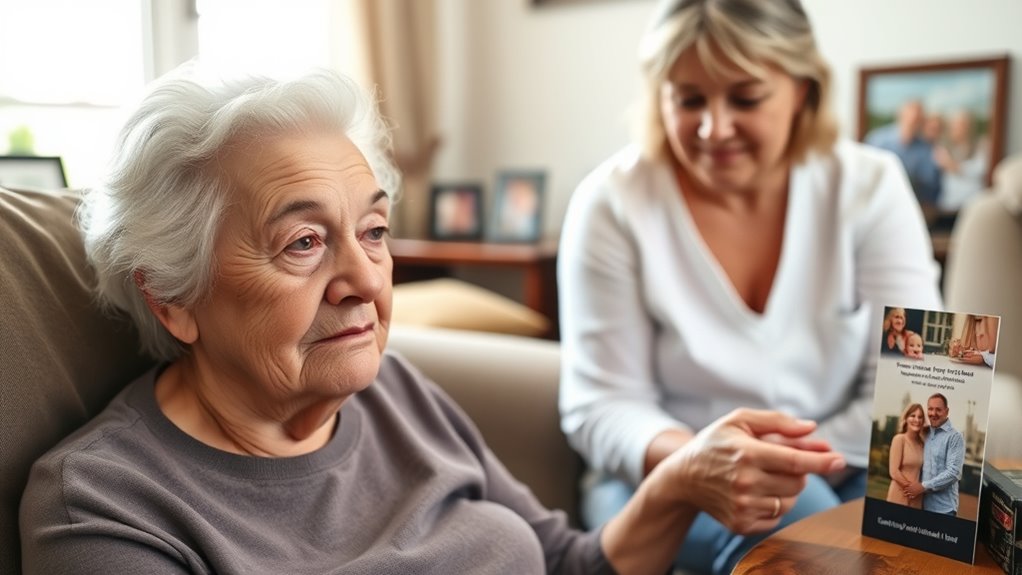
Since emotional lability after a stroke can be overwhelming, reaching out to support networks and professionals is crucial for effective management. Connecting with family, friends, or support groups provides emotional reassurance and practical advice. Sharing your feelings helps reduce isolation and normalizes your experiences. Additionally, consulting mental health professionals, such as psychologists or counselors, offers tailored strategies to cope with mood swings and emotional outbursts. They can guide you through therapy options like cognitive-behavioral therapy or medication if necessary. Recognizing emotional regulation as a skill that can be developed is important in your recovery journey. Remember, seeking help isn’t a sign of weakness; it’s a proactive step toward recovery. Building a strong support network ensures you don’t face emotional challenges alone, empowering you to manage symptoms more effectively and regain confidence in your daily life. Incorporating emerging popularity among local and tourist diners can also introduce you to new culinary experiences that may lift your spirits during recovery.
Incorporating Relaxation and Mindfulness Practices

Incorporating relaxation and mindfulness practices into your daily routine can considerably help manage emotional lability after a stroke. These techniques help you stay grounded, reduce stress, and improve emotional regulation. Start with simple breathing exercises to calm your mind during overwhelming moments. Practice mindfulness meditation to increase awareness of your emotions without judgment. Incorporate these strategies regularly to build resilience. To deepen your practice, consider:
- Engaging in guided meditation sessions to enhance focus and relaxation.
- Using progressive muscle relaxation to release physical tension.
- Keeping a mindfulness journal to track emotional responses and progress.
Additionally, understanding the importance of attention in creative practice can help reinforce your focus during relaxation exercises, making them more effective.
Consistency is key; over time, these practices can foster a calmer, more stable emotional state, making recovery easier.
Creating a Supportive Environment for Recovery

You can help your loved one recover by encouraging open communication and listening without judgment. Creating a safe space allows them to express feelings and frustrations freely. Together, fostering honesty and understanding builds a stronger foundation for emotional healing. Supporting their emotional well-being is crucial, especially as self-watering plant pots can be a practical tool for maintaining consistent care routines and reducing stress. Additionally, understanding emotional lability after stroke can help you respond compassionately to fluctuating emotions and promote a supportive environment. Recognizing the importance of remembering special moments shared can also provide comfort and a sense of connection during recovery. Staying aware of free crypto opportunities may seem unrelated but can serve as a motivational distraction, helping to foster a positive outlook during difficult times.
Fostering Open Communication
Creating an environment where open communication is encouraged is essential for supporting stroke survivors experiencing emotional lability. When you foster honest conversations, you help your loved one feel understood and validated, reducing frustration and emotional outbursts. To promote this, consider these strategies:
- Listen actively, showing genuine interest without interrupting or judging.
- Use clear, simple language to avoid misunderstandings and ensure comfort.
- Encourage your loved one to express feelings openly, reassuring them that all emotions are valid.
Establishing Safe Spaces
Establishing safe spaces is essential for supporting stroke survivors as they navigate emotional lability. You create an environment where your loved one feels secure and understood, reducing anxiety and emotional overwhelm. To do this, keep communication calm, non-judgmental, and free of criticism. Respect their boundaries and give them space to express feelings without fear of judgment. Ensure the setting is comfortable, quiet, and free from distractions that might trigger emotional outbursts. Offer reassurance and patience, letting your loved one know they’re supported regardless of their mood swings. By fostering a safe space, you help your loved one regain confidence and stability, making their recovery journey less intimidating and more manageable. Your support can markedly influence their emotional well-being and resilience.
Frequently Asked Questions
How Long Does Emotional Lability Typically Last After a Stroke?
You’re wondering how long emotional lability lasts after a stroke. Typically, it can persist for weeks to months as your brain heals, but the duration varies for each person. Some experience quick improvements, while others may struggle longer. The key is to be patient and seek support. With proper coping strategies and therapy, you can manage these emotional swings and regain stability over time.
Can Medication Help Manage Emotional Lability Effectively?
Like a knight with a trusty sword, medication can sometimes be your best weapon against emotional lability. You might find that certain antidepressants or mood stabilizers help regulate your emotions more effectively. However, they’re not a cure-all and should be paired with therapy and coping strategies. Talk to your doctor about your symptoms, as they can tailor a treatment plan that best suits your needs.
Are There Specific Therapies Tailored for Emotional Regulation Post-Stroke?
You can explore specific therapies designed for emotional regulation after a stroke. Techniques like cognitive-behavioral therapy (CBT) help you recognize and change emotional responses. Mindfulness-based stress reduction (MBSR) teaches you to stay present and manage intense feelings. Working with a trained therapist or counselor can tailor these approaches to your needs, giving you practical tools to cope and improve your emotional stability post-stroke.
How Can Caregivers Support Emotional Stability in Stroke Survivors?
Think of yourself as a steady lighthouse amid a storm, guiding your loved one through emotional waves. You can support their emotional stability by offering a calm, reassuring presence, encouraging open conversations, and acknowledging their feelings without judgment. Help them find grounding through routines and relaxation techniques. Your patience and understanding act as anchors, helping them navigate the turbulent waters of emotional lability with hope and resilience.
What Lifestyle Changes Can Reduce Emotional Lability Episodes?
You can reduce emotional lability episodes by adopting healthy lifestyle habits. Regular exercise helps stabilize your mood, while a balanced diet provides essential nutrients for brain health. Prioritize consistent sleep routines to improve emotional regulation, and practice stress-reducing activities like meditation or deep breathing. Limiting alcohol and caffeine intake also helps prevent mood swings. By making these changes, you support your emotional well-being and reduce the frequency of emotional lability episodes.
Conclusion
Understanding emotional lability after a stroke can feel overwhelming, but remember, you’re not alone. Research suggests that emotional fluctuations result from brain changes, not personal weakness, making coping more manageable. By recognizing signs, communicating openly, and using relaxation techniques, you can regain emotional balance. Building a strong support network and seeking professional help can accelerate your recovery. With patience and the right strategies, you can navigate these challenges and move toward emotional stability.