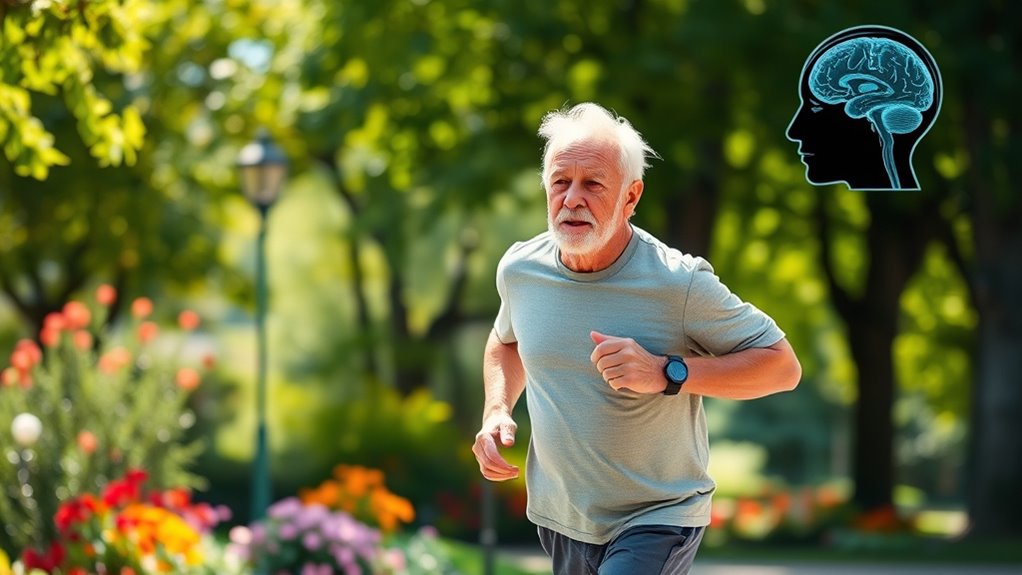
Engaging in regular exercise can provide significant neuroprotective benefits for Parkinson’s disease, helping slow progression and support brain health. Physical activity boosts neuroplasticity, encouraging the brain to rewire and form new connections. It also releases growth factors like BDNF and VEGF, which promote neuron survival and blood flow. Exercise reduces neuroinflammation and improves mitochondrial health, aiding cell function. Keep exploring to discover how different exercise types can optimize your neuroprotection journey.
Key Takeaways
- Exercise promotes neuroplasticity and rewiring, enhancing neural connections and compensating for damaged pathways in Parkinson’s.
- Physical activity increases neurotrophic factors like BDNF and VEGF, supporting neuron survival and brain resilience.
- Regular exercise reduces neuroinflammation and oxidative stress, protecting neurons from degeneration.
- Different exercise modalities, such as aerobic, resistance, and balance training, optimize neuroprotective effects.
- Consistent physical activity slows disease progression, improves motor control, and enhances long-term brain health in Parkinson’s.
Understanding Parkinson’s Disease and Its Impact on the Brain
Parkinson’s disease is a progressive neurological disorder that primarily affects movement control. It damages nerve cells in the brain that produce dopamine, a chemical essential for smooth, coordinated movements. As dopamine levels decline, you may experience tremors, stiffness, slowed movements, and balance issues. The disease also impacts non-motor functions, including mood, sleep, and cognition. Over time, these symptoms worsen, making daily tasks more challenging. Understanding how Parkinson’s alters brain function is vital for managing its progression. The loss of dopamine-producing neurons disrupts communication within the motor circuits, leading to the characteristic symptoms. While the exact cause remains unknown, factors like genetics and environmental influences contribute. Recognizing these impacts helps you appreciate the importance of early intervention and ongoing management strategies. Neuroprotective benefits of exercise can help slow the progression of neuronal loss and support brain health in Parkinson’s patients. Incorporating exercise-induced neuroprotection strategies may further enhance brain resilience and delay disease progression. Additionally, research indicates that engaging in regular physical activity can promote brain plasticity, which is essential for adapting to neurodegenerative changes. Evidence also suggests that physical activity may influence neuroinflammation, a key factor involved in Parkinson’s disease pathology. Moreover, cybersecurity measures are vital to protect sensitive health data from potential cyber threats as digital health tools become more integrated into Parkinson’s management.
The Role of Neuroplasticity in Parkinson’s Management

Neuroplasticity allows your brain to rewire itself, offering hope for managing Parkinson’s symptoms. Exercise promotes synaptic growth, strengthening connections that can compensate for lost functions. By understanding these mechanisms, you can harness activity to support your brain’s adaptive capacity. Creative practice can also serve as a form of mental stimulation that enhances neuroplasticity, further supporting neuroprotective benefits. Engaging in physical activity has been shown to stimulate neurogenesis and reinforce neural pathways involved in motor control. Additionally, ongoing research highlights how brain remodeling plays a crucial role in adapting to neurodegenerative changes. Incorporating nutritional insights from fruit juices, such as antioxidants and polyphenols, may further support neural health and resilience.
Brain Rewiring Mechanisms
When engaging in regular exercise, your brain actively rewires itself through neuroplasticity, which plays a essential role in managing Parkinson’s symptoms. This rewiring involves forming new neural connections and strengthening existing ones, helping to bypass damaged pathways. Exercise increases the production of neurotrophic factors like BDNF, which support neuron survival and growth. As a result, your brain adapts by rerouting signals around affected areas, improving motor control and coordination. This process also helps reduce rigidity and tremors by enhancing communication between different brain regions. Over time, these changes make your neural networks more efficient, enabling better control of movement and potentially slowing disease progression. By continuously challenging your brain through exercise, you promote a resilient and adaptable neural landscape, fundamental for Parkinson’s management.
Exercise-Driven Synaptic Growth
Engaging in regular exercise stimulates the growth of new synapses, enhancing your brain’s ability to adapt and compensate for damaged neural pathways. This process, called synaptogenesis, strengthens existing connections and creates new ones, improving communication between neurons. As you exercise consistently, your brain responds by increasing the production of neurotrophic factors like BDNF, which support synaptic growth and plasticity. This adaptive change helps counteract the neural degeneration seen in Parkinson’s, improving motor control and cognitive function. Exercise also encourages the formation of more efficient neural networks, allowing your brain to reroute signals around damaged areas. By promoting synaptic growth, exercise not only supports neuroplasticity but also builds a resilient brain capable of better managing Parkinson’s symptoms.
How Exercise Influences Brain Chemistry and Function

When you exercise, your brain releases more neurotransmitters like dopamine and serotonin, which help improve mood and motor control. It also promotes brain plasticity, making neural connections stronger and more adaptable. Additionally, exercise stimulates growth factors that support neuron survival and repair, boosting overall brain health. Regular physical activity can also help protect against neurodegenerative diseases by supporting anti-aging effects in the brain. Moreover, engaging in consistent exercise can enhance neuroplasticity, leading to better cognitive resilience over time. This process is further supported by the tuning of neural circuits, similar to how performance upgrades enhance a vehicle’s handling and efficiency. Exercise has been shown to influence brain chemistry positively, leading to improved cognitive function. Incorporating exercise into daily routines can also promote better sleep, which is crucial for mental health and brain recovery.
Boosts Neurotransmitter Levels
Exercise actively stimulates the release of key neurotransmitters in the brain, which can enhance communication between neurons. When you engage in physical activity, your brain increases production of dopamine, serotonin, and norepinephrine. These chemicals play essential roles in mood regulation, motivation, alertness, and motor control—areas often affected in Parkinson’s. Elevated dopamine levels, in particular, help counteract the dopamine deficiency common in Parkinson’s patients, improving movement and reducing symptoms. Serotonin boosts mood and emotional well-being, while norepinephrine enhances focus and energy. Regular exercise keeps these neurotransmitter systems functioning effectively, supporting brain health and resilience. By increasing neurotransmitter availability, exercise not only improves daily functioning but also contributes to long-term neuroprotection.
Enhances Brain Plasticity
By increasing neurotransmitter levels, exercise not only improves mood and motor function but also promotes the brain’s ability to adapt and reorganize itself—a process known as neuroplasticity. This means your brain can form new connections, strengthen existing ones, and better compensate for Parkinson’s-related damage. Here’s how exercise boosts this essential process:
- Stimulates synaptic growth, enhancing communication between neurons
- Promotes the formation of new neural pathways
- Strengthens existing connections, improving overall brain efficiency
- Encourages the reorganization of neural circuits to compensate for lost functions
Stimulates Growth Factors
Engaging in physical activity triggers the release of key growth factors that are essential for brain health. When you exercise, your body increases the production of substances like brain-derived neurotrophic factor (BDNF), vascular endothelial growth factor (VEGF), and insulin-like growth factor (IGF-1). These chemicals promote the growth of new neurons, strengthen existing neural connections, and improve overall brain function. BDNF, in particular, plays a crucial role in enhancing learning, memory, and neuroplasticity. VEGF encourages the growth of blood vessels, ensuring your brain receives adequate oxygen and nutrients. By stimulating these growth factors, exercise not only supports brain resilience but also helps combat neurodegeneration associated with Parkinson’s disease. This chemical boost fosters a healthier, more adaptable brain, empowering you to maintain cognitive vitality.
Types of Physical Activity Beneficial for Neuroprotection

Certain types of physical activity are especially effective for promoting neuroprotection in Parkinson’s disease. Aerobic exercises boost blood flow and stimulate brain growth factors, supporting neuron health. Resistance training helps improve muscle strength and coordination, which can reduce fall risk. Mind-body activities like yoga and tai chi enhance balance, flexibility, and reduce stress. Additionally, engaging in regular physical activity can help maintain overall brain health and prevent cognitive decline. Incorporating activities that promote neuroplasticity may also help adapt and strengthen neural pathways, offering additional neuroprotective benefits. Furthermore, test case management tools can assist in monitoring progress and consistency in exercise routines, maximizing benefits. Involving professional guidance ensures exercises are performed safely and effectively, further enhancing their neuroprotective potential. Finally, high-intensity interval training (HIIT) has shown promise in increasing neuroplasticity and resilience. These activities target different aspects of motor and cognitive function, making them versatile options for managing symptoms and potentially slowing disease progression. Incorporating best airless paint sprayers into your routine may also promote overall well-being by encouraging active movement and reducing fatigue. By choosing a variety of these exercises, you can optimize neuroprotective benefits while keeping your routine engaging and sustainable. Remember, consistency is key to maximizing these protective effects.
Evidence From Clinical Studies on Exercise and Disease Progression

Recent clinical studies provide compelling evidence that regular exercise can slow the progression of Parkinson’s disease. Researchers have observed improvements in motor skills, cognitive function, and quality of life among participants who engage in consistent physical activity. These studies compare different exercise types and intensities, highlighting their impact on disease markers. To visualize this, consider the following table:
| Exercise Type | Disease Impact |
|---|---|
| Aerobic | Slows motor decline, boosts endurance |
| Resistance | Preserves muscle strength, reduces falls |
| Flexibility | Improves mobility, decreases rigidity |
| Balance | Prevents falls, enhances stability |
| Mind-Body (Yoga) | Reduces stress, supports neuroplasticity |
This evidence underscores exercise’s role in mitigating disease progression, giving you a powerful tool to influence your health trajectory. Understanding neuroplasticity can further enhance your approach to managing Parkinson’s disease through targeted physical activity. Additionally, engaging in consistent exercise routines may promote long-term neuroprotection and functional independence.
Mechanisms Behind Exercise-Induced Neuroprotection

Exercise promotes neuroprotection in Parkinson’s disease by activating multiple biological pathways that support neuron survival and function. These mechanisms include boosting neurotrophic factors, reducing inflammation, enhancing mitochondrial health, and promoting neurogenesis. A broader scope of approaches, such as monitoring and risk assessments, contribute to understanding and optimizing these benefits. 1. Increasing Brain-Derived Neurotrophic Factor (BDNF): Exercise elevates BDNF levels, which helps protect and repair dopaminergic neurons. 2. Reducing Neuroinflammation: It modulates immune responses, decreasing harmful inflammation that damages neurons. 3. Improving Mitochondrial Function: Exercise enhances mitochondrial efficiency, ensuring neurons have the energy needed for proper function. 4. Stimulating Neurogenesis: Physical activity encourages the growth of new neurons, supporting brain plasticity and resilience against degeneration.
Practical Strategies for Incorporating Exercise Into Treatment Plans

Integrating exercise into Parkinson’s treatment plans requires a tailored approach that considers individual capabilities and preferences. Start by evaluating your current fitness level and setting realistic goals. Choose activities you enjoy to promote consistency. Incorporate a mix of aerobic, strength, and flexibility exercises for balanced benefits. Establish a routine, but remain flexible to accommodate fluctuations in symptoms. Seek guidance from healthcare professionals to customize your plan and ensure safety. Regular progress reviews help you stay motivated and adapt your program as needed. Use the table below for quick ideas on exercise types and scheduling:
| Exercise Type | Frequency | Tips |
|---|---|---|
| Aerobic (walking, cycling) | 3-5 times/week | Start slow, increase gradually |
| Strength | 2-3 times/week | Focus on major muscle groups |
| Flexibility | Daily or every other day | Gentle stretching |
Adapt these strategies to fit your lifestyle and needs.
Challenges and Considerations for Exercise Programs in Parkinson’s
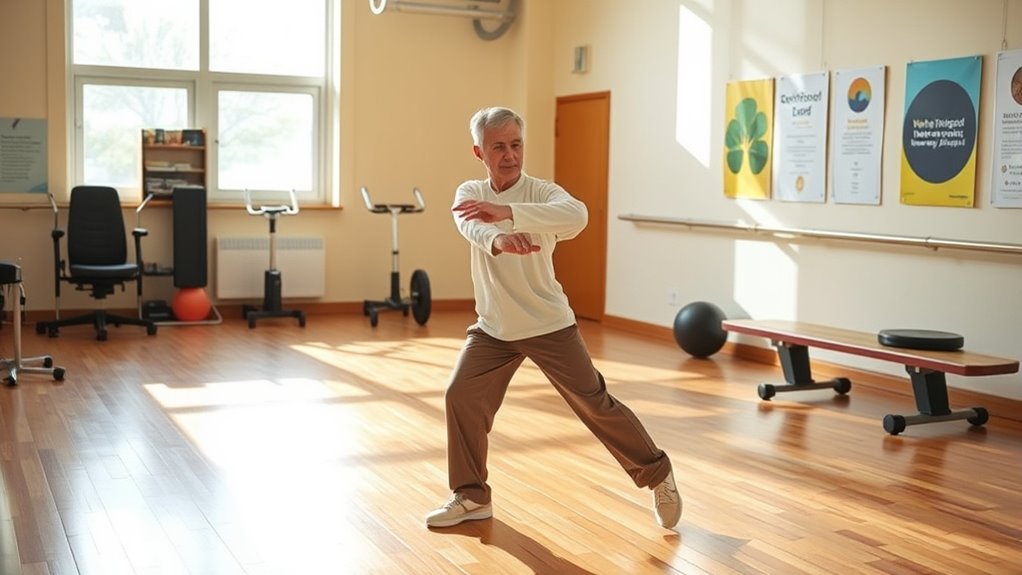
Developing an effective exercise program for Parkinson’s can be challenging due to motor symptoms, fatigue, and fluctuating abilities. These factors can make consistency difficult and require tailored approaches. Consider these key challenges:
- Motor fluctuations: Symptoms like tremors or rigidity can interfere with performing exercises safely and effectively.
- Fatigue: Exhaustion may limit your workout duration and intensity, making gradual progress essential.
- Motivation: Fluctuating mood and motivation levels can impact adherence; setting realistic goals helps.
- Safety concerns: Balance issues increase fall risk, so supervision or modifications are often necessary.
Addressing these considerations with flexibility and personalized adjustments helps you create sustainable, safe exercise routines that maximize benefits.
Future Directions in Research on Exercise and Neuroprotection

Advances in understanding how physical activity influences neuroprotection in Parkinson’s disease open new avenues for research. You should focus on identifying best exercise types, intensities, and durations that maximize neuroprotective effects. Exploring the underlying biological mechanisms, such as neurotrophic factor release and neuroinflammation reduction, can help tailor personalized interventions. Researchers are also looking into long-term adherence strategies, ensuring sustained benefits. Additionally, combining exercise with emerging therapies like gene editing or neurostimulation could enhance outcomes. You need to prioritize large-scale, controlled studies to validate findings and translate them into clinical practice. Exploring how to assess the credibility of a gold dealer can ensure the safety and reliability of investments supporting long-term health strategies. Ultimately, these future directions aim to refine exercise protocols, making neuroprotective strategies more effective, accessible, and personalized for individuals with Parkinson’s.
Frequently Asked Questions
Can Exercise Slow the Progression of Parkinson’S Disease Long-Term?
You wonder if exercise can slow Parkinson’s progression long-term. While research suggests exercise improves symptoms and may protect neurons, definitive evidence on long-term slowing isn’t conclusive. However, staying active increases blood flow, reduces stiffness, and boosts overall brain health, which can help manage your condition. So, incorporating regular exercise into your routine is beneficial, even if it may not fully halt disease progression.
Are Certain Exercises More Effective for Neuroprotection Than Others?
You’re asking if some exercises pack a bigger punch for brain health than others. While any physical activity helps, aerobic exercises like walking or cycling seem to have a stronger impact on neuroprotection. They increase blood flow and stimulate brain growth. But don’t put all your eggs in one basket—mixing different types of exercise can give you the best shot at supporting your brain’s resilience. Keep moving, and stay consistent.
How Soon Can Patients See Benefits From Exercise Routines?
You might start noticing benefits from exercise within a few weeks, as many Parkinson’s patients report improvements in flexibility, balance, and mood. Consistency is key, so sticking to your routine helps your brain and body adapt more quickly. While some may see early changes, others might need several months to experience significant benefits. Keep motivated, and remember that regular exercise supports long-term neuroprotection and overall well-being.
Is There an Optimal Intensity or Duration for Exercise in Parkinson’S?
Did you know that moderate exercise for just 30 minutes a day can substantially improve Parkinson’s symptoms? The ideal intensity varies, but generally, you should aim for a level that challenges you without causing fatigue. Consistency matters most, so find a routine you enjoy and can sustain. You don’t need maximum effort; regular, manageable workouts often provide the best neuroprotective benefits and help maintain your mobility.
Are There Risks of Exercise Exacerbating Symptoms or Causing Injuries?
You might worry that exercise could worsen your symptoms or lead to injuries. While some risks exist, they’re generally low if you start slowly and listen to your body. Avoid overexertion, and choose exercises suited to your ability, with guidance from your healthcare provider. Proper warm-up, cool-down, and using correct techniques can help prevent injuries, making exercise safe and beneficial without exacerbating your symptoms.
Conclusion
By embracing regular physical activity, you gently nurture your brain’s resilience, helping it adapt and flourish even amidst challenges. Exercise becomes like a comforting friend, quietly supporting your journey and fostering subtle yet meaningful improvements. With each mindful movement, you’re gently guiding your mind and body toward a brighter, more balanced future. Remember, small steps can create a lasting ripple of positive change, making your path through Parkinson’s a little smoother and more hopeful.