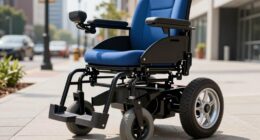
To handle freezing episodes safely, stay calm and recognize early signs like hesitation or feet feeling stuck. Use grounding techniques, such as shifting your weight or focusing on a fixed point, to break free. Keep your environment clutter-free and make certain assistive devices are nearby. Work closely with your healthcare team to optimize medication and develop a personalized action plan. Maintaining routines and confidence plays a big role. Explore these strategies further to feel more in control during episodes.
Key Takeaways
- Recognize early signs of freezing to respond promptly with grounding and movement techniques.
- Use assistive devices like canes or grab bars for stability during episodes.
- Maintain a safe environment by removing clutter and installing grab bars to prevent falls.
- Collaborate with healthcare providers to develop personalized action plans and optimize medication.
- Stay calm, practice deep breathing, and focus on deliberate movements to regain control safely.
Recognizing Early Signs of Freezing
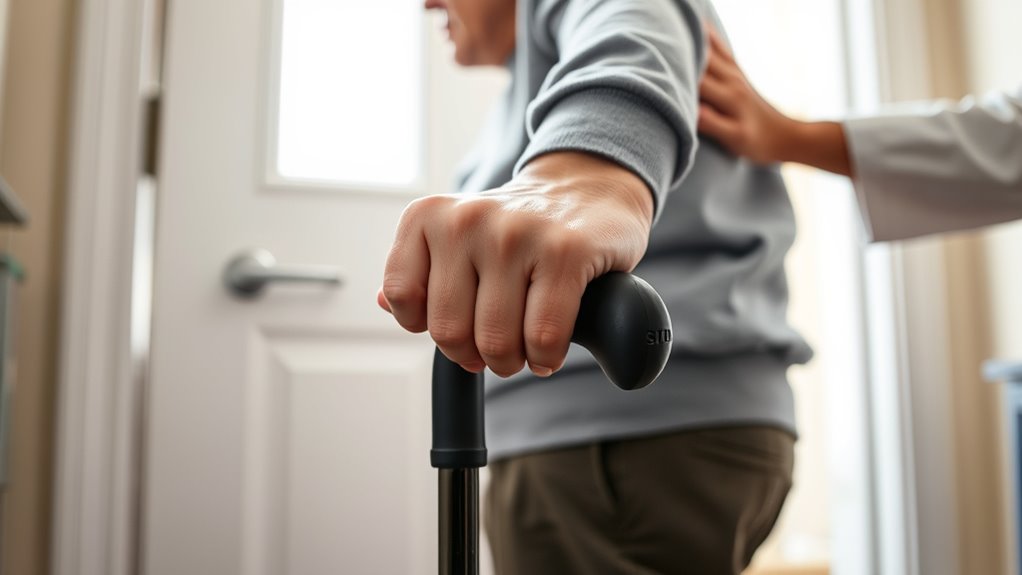
Recognizing the early signs of freezing is essential for managing episodes effectively. You might notice your steps becoming suddenly hesitant or your feet feeling glued to the floor, even when you want to move forward. A sensation of tightness or stiffness in your legs can signal an upcoming freeze. You may also experience a feeling that your feet are stuck or that your movement is suddenly interrupted. Sometimes, you’ll catch yourself taking hesitant, shuffling steps or pausing without warning. These signs often happen just before a full freeze, giving you a chance to act. Paying close attention to these subtle cues allows you to respond quickly, reducing the risk of falls or injuries and helping you regain control more safely. Understanding the importance of contrast ratio can help in creating a safer environment, as proper lighting and visual cues may assist in reducing freezing episodes. Additionally, being aware of sensory cues can further aid in early detection and intervention.
Employing Physical Techniques to Break Freezing

When you feel a freeze coming on, employing specific physical techniques can help you break free and regain movement quickly. One effective method is stepping in place or taking small, deliberate steps to shift your weight and restart walking. Clenching and releasing your fists or tapping your foot can stimulate your muscles and help break the freeze. Another technique is rocking gently from side to side or shifting your weight forward and backward to stimulate movement. Using visual cues, like focusing on a fixed point or looking at your feet, can also help reroute your brain’s signals. Remember to stay calm and patient, as panicking can worsen the freeze. Practicing these techniques regularly so they become automatic responses when a freeze occurs can make a significant difference. Additionally, exploring anime movies can provide a calming distraction and comfort during challenging moments. Being aware of sensorimotor techniques can further enhance your ability to manage freezing episodes effectively. Incorporating celebrity lifestyle insights into your routine, such as engaging in relaxing activities or ambient entertainment, may also support emotional well-being during these episodes.
Adjusting Your Environment for Safety

Adjusting your environment can greatly reduce the risk of falls and injuries during freezing episodes. Keep pathways clear of clutter, loose rugs, and electrical cords that can cause tripping. Install grab bars and handrails in key areas like bathrooms and hallways for extra support. Make certain good lighting throughout your home to help you see obstacles clearly. Use non-slip mats in the shower and on bathroom floors to prevent slipping. Arrange furniture to allow easy movement and avoid sharp corners that could cause injury if you fall. Keep frequently used items within reach to avoid unnecessary stretching or balancing. Regularly review and modify your environment as needed to create a safer space, helping you feel more confident and reducing the chances of accidents during freezing episodes.
Medication Strategies to Minimize Episodes

Optimizing your medication timing can help reduce freezing episodes and improve your mobility. Working with your doctor to adjust your dosage effectively guarantees your treatment stays aligned with your needs. Proper management of these strategies can make a noticeable difference in your daily safety and independence. Incorporating medication management techniques can also support overall well-being and energy levels. Additionally, understanding wall organization solutions can help create a safer environment by reducing clutter and preventing falls during mobility challenges. Implementing routines and cues can further assist in minimizing episodes by providing consistent support during movement.
Medication Timing Optimization
Timing your medication carefully can markedly reduce the frequency and severity of freezing episodes in Parkinson’s. Taking your medication consistently, at prescribed intervals, helps maintain stable dopamine levels, preventing the dips that trigger freezing. Consider setting alarms or reminders to guarantee you don’t miss doses or take them late. If you notice your episodes worsening at certain times of day, discuss adjusting your schedule with your doctor. Eating a balanced meal before taking medication can improve absorption, while avoiding high-fat foods that may delay absorption. Staying on a regular routine minimizes fluctuations that can lead to freezing. Monitoring your symptoms and maintaining open communication with your healthcare team are key steps in optimizing your medication timing for better control.
Adjusting Dosage Effectively
Since Parkinson’s symptoms and medication responses can vary, fine-tuning your dosage can be essential in reducing freezing episodes. Work closely with your healthcare provider to find the right balance—too much medication can cause dyskinesia, while too little may leave you vulnerable to freezing. Adjust your doses gradually, tracking when episodes occur and how you feel. Sometimes, splitting doses or changing timing can make a big difference. Avoid sudden increases, which can lead to side effects. If your medication isn’t controlling symptoms effectively, discuss options like medication adjustments or adding adjunct therapies. Consistent communication with your doctor ensures your dosage remains optimized, helping to minimize freezing episodes and improve your overall mobility.
Using Assistive Devices Effectively

Using assistive devices can make maneuvering daily life safer and more manageable during freezing episodes. Devices like canes, walkers, or grab bars help provide stability and reduce the risk of falls. Make certain your device is appropriate for your needs and fits well; a poorly chosen or adjusted device can hinder movement. Practice using your assistive tools regularly so you become comfortable and confident in their use. Keep them within easy reach, especially in areas where freezing is likely to occur. When you feel a freeze coming on, use your device to steady yourself before moving forward. Remember, assistive devices are designed to support you—don’t hesitate to ask your healthcare provider for guidance on the best options for your lifestyle.
Building a Supportive Routine and Planning Ahead

Creating a daily routine tailored to your needs can considerably reduce the likelihood of freezing episodes and help you manage them more effectively. Plan your activities during times when you feel most alert and energized. Break tasks into smaller, manageable steps to avoid feeling overwhelmed. Incorporate regular rest periods to prevent fatigue, which can trigger freezing. Keep important items and assistive devices within easy reach to minimize disruptions. Think ahead by identifying potential obstacles in your environment and addressing them proactively. Practice consistent habits for walking and turning, which can reduce unexpected freezes. Staying organized and maintaining a predictable schedule helps you feel more in control, reducing anxiety that may contribute to freezing episodes. Establishing reliable routines provides familiarity and certainty, making daily navigation easier and safer. Planning ahead creates a sense of stability, empowering you to navigate daily activities safely.
Collaborating With Healthcare Providers for Management

Collaborating closely with your healthcare team is crucial for managing freezing episodes safely and effectively. Your providers can help tailor strategies specific to your needs, adjusting medications or therapies as necessary. Regular check-ins ensure your treatment plan stays effective and adapts to changes in your condition. Be open about your experiences, noting what triggers freezing and what helps relieve it. Your healthcare team can recommend physical or occupational therapy to improve mobility and safety. They can also provide education on safe movement techniques and help you develop a personalized action plan. Staying proactive and maintaining clear communication with your providers empowers you to manage freezing episodes confidently and reduces the risk of falls or injuries. Your team’s support is indispensable for maintaining your independence and safety.
Staying Calm and Maintaining Confidence During Freezing

When a freezing episode occurs, staying calm is essential to prevent panic and maintain control. Take slow, deep breaths to center yourself, which helps reduce anxiety and clears your mind. Remind yourself that freezing is temporary and will pass. Shift your focus to a steady, deliberate movement—like pressing your foot down firmly or shifting your weight. Confidence comes from trusting your ability to overcome the freeze; avoid rushing or panicking. Use grounding techniques, such as focusing on your surroundings or counting softly, to stay present. Remember, freezing is a common part of Parkinson’s, and maintaining confidence helps you regain movement more easily. With practice, staying calm becomes instinctive, empowering you to face episodes with greater control. Incorporating grounding techniques like engaging with your environment can further enhance your ability to stay composed. Additionally, practicing mindfulness during everyday activities can improve your overall response to freezing episodes. Developing an understanding of symptom management strategies can also help you prepare for and handle freezing episodes more effectively. Recognizing early warning signs can help you act proactively to minimize the impact of freezing.
Frequently Asked Questions
Are There Specific Dietary Changes That Can Reduce Freezing Episodes?
You wonder if dietary changes can help reduce freezing episodes. While there’s no specific diet proven to prevent freezing, maintaining balanced blood sugar levels and staying hydrated may improve overall mobility. Eating regular, nutritious meals and avoiding caffeine or alcohol might help minimize symptoms. Focus on a diet rich in fruits, vegetables, lean proteins, and whole grains. Always consult your healthcare provider for personalized advice tailored to your Parkinson’s management plan.
How Can Caregivers Best Support Someone Experiencing Freezing Safely?
Imagine you’re guiding someone through a turbulent storm, steadying their ship when waves threaten to swallow them. You can support someone experiencing freezing by calmly encouraging them to focus on their steps, suggesting they take small, deliberate movements. Keep their environment safe, offer reassurance, and consider tools like a cane or rhythmic cues. Your steady presence acts as a lighthouse, helping them navigate through moments of uncertainty safely.
What Are the Latest Technological Advancements for Managing Freezing?
Recent advancements in managing freezing include wearable devices that detect early signs and send alerts, helping you respond quickly. Smart insoles track gait patterns to predict freezing episodes, allowing timely intervention. Additionally, virtual reality tools now offer immersive exercises to improve mobility and reduce freezing frequency. These technologies empower you to take proactive steps, enhancing safety and independence during episodes, and providing peace of mind for both you and your loved ones.
Can Freezing Episodes Be Completely Eliminated With Treatment?
While it’s understandable to wish for complete elimination, freezing episodes in Parkinson’s often can’t be fully eradicated with treatment. Instead, you’ll likely find that management strategies, medication adjustments, and therapies can markedly reduce their frequency and severity. Staying proactive and working closely with your healthcare team helps you develop personalized plans, allowing you to better navigate these episodes and maintain your independence and quality of life.
How Do Emotional Stress and Anxiety Impact Freezing Frequency?
You might notice that emotional stress and anxiety can increase your freezing episodes in Parkinson’s. When you’re anxious, your muscles tense up, making it harder to move smoothly. Stress also triggers adrenaline, which can disrupt your motor control. As a result, freezing becomes more frequent or severe. Managing stress through relaxation techniques, deep breathing, or therapy can help reduce the occurrence of freezing episodes and improve your overall mobility.
Conclusion
By staying aware and employing these strategies, you can navigate your daily journey with grace and confidence. Remember, every moment is an opportunity to gently guide yourself through life’s twists and turns. With patience and support, you’ll find your rhythm again and continue moving forward. Embrace each step as a new chapter, knowing you’re equipped to handle whatever comes your way with resilience and hope. Your path is yours to shape, one mindful moment at a time.