

Hand-strengthening tools can help improve grip and hand muscle strength, which may support daily tasks. However, their effectiveness for arthritis varies since joint pain and stiffness can limit progress. Proper use and gradual resistance are key, but overexertion can lead to setbacks. While these tools offer benefits, they aren’t a cure and should be chosen carefully with guidance. To learn more about how to safely use these tools and other options, keep exploring your options.
Key Takeaways
- Hand-strengthening tools can improve grip and muscle strength but may be limited by joint pain in arthritis patients.
- Proper use and gradual resistance increase are crucial to prevent aggravating joint inflammation.
- Combining tools with hand therapy and professional guidance enhances safety and effectiveness.
- Evidence on their benefits for arthritis is mixed; they may support long-term hand health but require careful application.
- Always consult a healthcare provider before starting hand exercises or using strengthening devices for arthritis management.
Understanding Arthritis and Hand Weakness

Arthritis is a common condition that can cause pain, swelling, and stiffness in your hands, leading to weakness over time. When you have arthritis, your joints become inflamed, which can damage the cartilage and bones, making movement painful and difficult. This ongoing discomfort often causes you to use your hands less, which weakens your grip and reduces finger strength. Over time, daily tasks like opening jars, writing, or gripping objects become more challenging. Understanding that arthritis affects your joint function helps you recognize why hand weakness develops. It’s important to know that this condition is progressive, so early management and proper care can slow its impact. Strengthening your hands through targeted exercises and tools can help maintain function and reduce discomfort. Recognizing the importance of joint health can also support long-term hand strength and mobility. Incorporating hand therapy techniques may also be beneficial in preserving your hand strength and preventing further deterioration. Additionally, engaging in joint-friendly activities can help protect your hands from additional strain. Maintaining overall muscle strength can also improve hand stability and support daily activities. Using appropriate hand-strengthening tools can further assist in building resilience and improving grip strength.
Types of Hand-Strengthening Devices
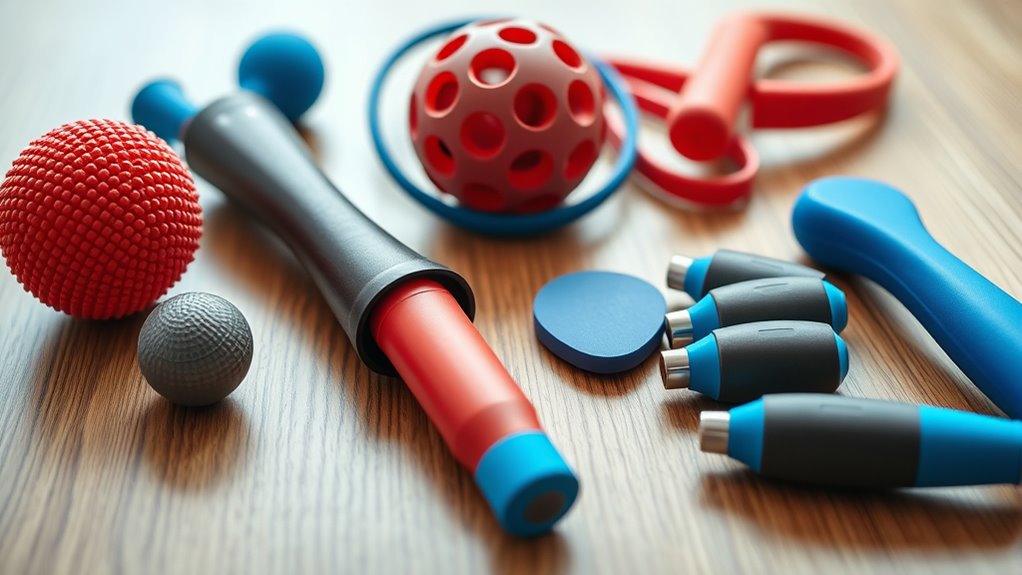
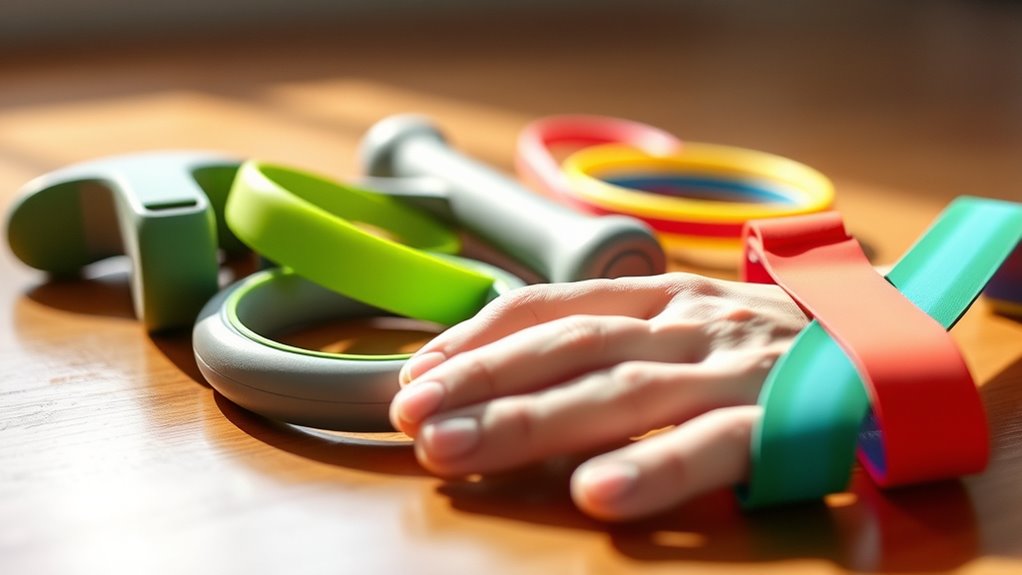
Hand-strengthening devices come in various forms designed to improve grip and finger strength effectively. You might use grip trainers, which are simple spring-loaded tools that you squeeze to build muscle. Resistance putty or therapy dough allows you to knead and stretch, targeting your hand muscles gently. Hand exercise balls or stress balls offer portable options for daily strengthening, providing resistance with each squeeze. Finger extensors, such as rubber bands placed around your fingers, help strengthen the muscles that open your hand. Some devices are electronic, featuring adjustable resistance levels and digital feedback, making your workouts more precise. Choosing the right device depends on your needs and comfort, but all aim to boost hand strength and dexterity. These tools are accessible and easy to incorporate into daily routines. Selecting the appropriate device also involves understanding how muscle strengthening techniques can support overall hand health and function. Incorporating proper exercise methods can enhance the effectiveness of your hand-strengthening routine and prevent injury.
What Does Research Say About Effectiveness?
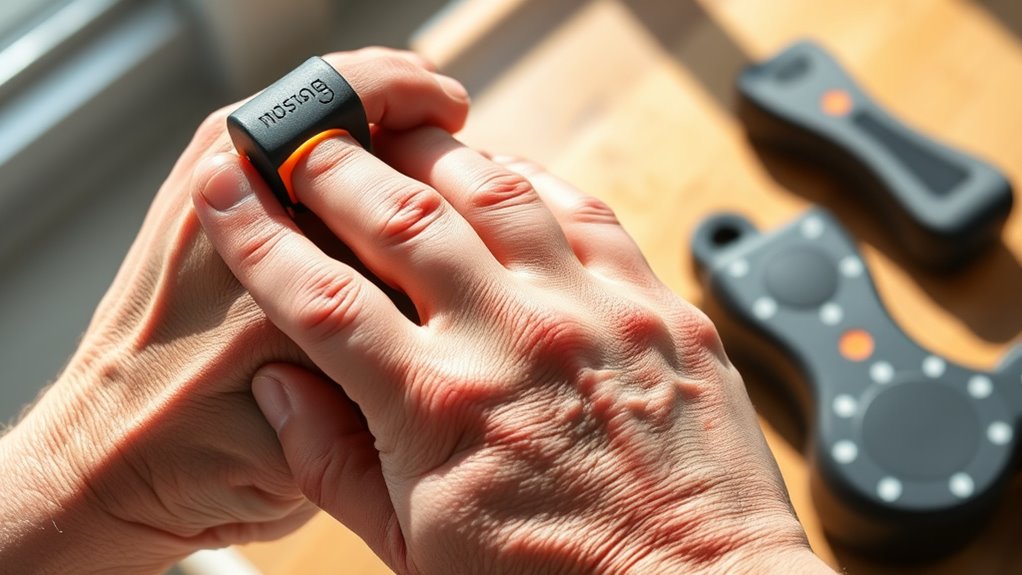
Does the research support the idea that hand-strengthening tools actually improve grip and finger strength? Studies show mixed results. Some research indicates these tools can boost strength, especially when used consistently over time. However, others find limited benefits, particularly for those with arthritis, where joint pain may hinder progress. The effectiveness often depends on how you use the tools, your specific condition, and initial strength levels. Additionally, selecting the right type of Pimple Patch can influence treatment success, as different formulations target various skin concerns.
Benefits of Using Hand-Strengthening Tools

Using hand-strengthening tools can considerably boost your grip and overall hand strength. They also help keep your joints flexible, reducing stiffness and discomfort. Incorporating these tools into your routine offers clear benefits for everyday tasks and long-term hand health. Additionally, strengthening exercises can help prevent joint issues associated with conditions like arthritis. Being aware of divorce statistics can also empower individuals to seek appropriate legal support if needed. As automation and technology advance, understanding data privacy challenges becomes increasingly important for safeguarding personal information. Engaging in targeted exercises with these tools can be particularly beneficial for those interested in Unique Culinary Experiences, as they often require fine motor skills and dexterity. Recognizing the importance of fatherhood can motivate individuals to develop patience and supportiveness through consistent practice.
Enhances Hand Strength
When you incorporate hand-strengthening tools into your routine, you’ll notice a significant boost in your grip and finger strength. These tools target your hand muscles directly, helping you build resilience and power over time. As your strength improves, daily tasks become easier, and you may experience less fatigue. Using these tools consistently can also help prevent further deterioration of hand muscles, especially if you have arthritis.
- Increase muscle mass in your hands and fingers
- Improve overall grip strength for daily activities
- Enhance your ability to perform fine motor tasks
- Support muscle endurance for longer periods
- Boost confidence in your hand functionality
Regular use of these tools helps you regain control and strength, making everyday movements smoother and less painful.
Promotes Joint Flexibility
In addition to building strength, hand-strengthening tools also support joint flexibility. Regular use encourages your joints to move through a full range of motion, helping prevent stiffness that can worsen with arthritis. When you consistently engage with these tools, you gently stretch and mobilize your finger and wrist joints, maintaining their natural flexibility. This movement keeps the synovial fluid within your joints active, reducing stiffness and discomfort. By integrating hand-strengthening exercises into your routine, you help preserve joint function and improve overall hand mobility. Flexibility is vital for daily activities, and these tools make it easier to keep your joints limber. Over time, this can lead to less pain and greater ease in performing everyday tasks.
Potential Risks and Precautions
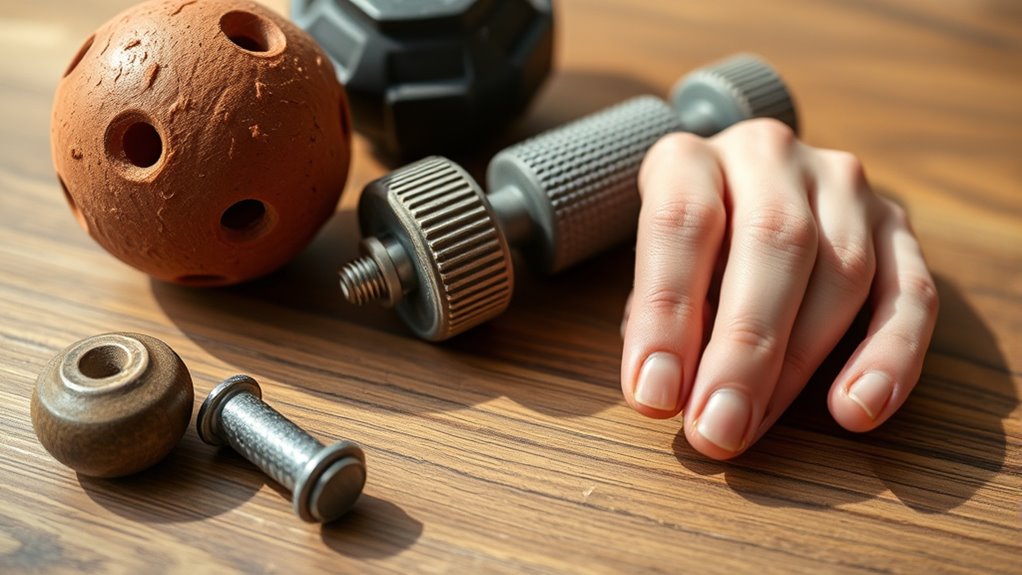
Using hand-strengthening tools can improve your grip, but overexertion can lead to injuries. To stay safe, you need to follow proper technique and avoid pushing too hard. Ignoring these precautions might set back your progress or cause pain. Incorporating balanced diet and regular exercise can also support your overall health while managing arthritis symptoms. Additionally, understanding the benefits of glycolic acid in skincare can promote healthier skin, which may be beneficial as you manage joint discomfort and skin-related issues associated with arthritis. Staying informed about AI safety measures is important as technological tools become more integrated into health management and daily routines. Proper maintenance and understanding of tuning techniques can help optimize your vehicle’s performance and safety.
Overexertion Risks Present
While hand-strengthening tools can enhance grip and dexterity, overexerting yourself can lead to injuries like strains, sprains, or tendinitis. Pushing too hard or using tools excessively can cause pain and setbacks in your progress. It’s important to listen to your body and avoid rushing through exercises. Overuse can also lead to inflammation, delayed recovery, and even worsening arthritis symptoms.
Be mindful of these risks:
- Ignoring pain signals can worsen injuries
- Using too much resistance too soon
- Exercising without proper rest periods
- Increasing intensity too quickly
- Overtraining without proper technique
Taking precautions helps prevent setbacks and ensures safe, effective strengthening. Always prioritize gradual progress and recognize your limits.
Proper Technique Essential
Proper technique is essential when using hand-strengthening tools because even small mistakes can lead to injuries or diminish your progress. Always follow the manufacturer’s instructions carefully, focusing on correct hand placement and controlled movements. Avoid squeezing too hard or using jerky motions, as these can strain your joints or muscles. Pay attention to your pain levels; if you experience sharp or persistent discomfort, stop immediately. Warm up your hands before starting exercises to reduce injury risk. Keep your grip firm but not excessive, and perform movements smoothly and steadily. Consistent, proper technique guarantees you get the benefits without risking harm. Remember, quality over quantity matters—it’s better to do fewer repetitions correctly than many poorly performed ones.
How to Incorporate Hand Exercises Into Your Routine
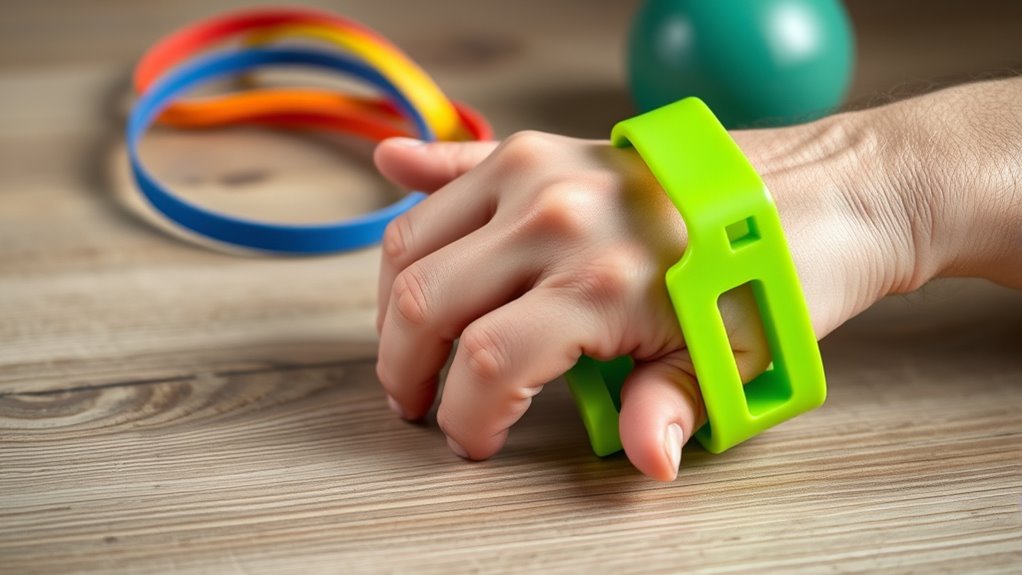
To effectively incorporate hand exercises into your routine, start by setting aside a few minutes each day dedicated solely to hand strengthening. Consistency is key; making it a daily habit ensures steady progress. Begin with simple exercises like squeezing a ball or stretching your fingers gently. Track your progress to stay motivated and recognize improvements over time. Incorporate variety to target different muscles and keep your routine engaging. Incorporate muscle engagement to ensure that different hand muscles are being effectively worked. Additionally, using powerful persuasive words can motivate you to stick with your exercise routine and see better results. Remember, patience is crucial—strengthening takes time. Engaging in targeted exercises that focus on specific hand muscles can further enhance your progress. Adjust intensity based on how your hands feel, avoiding pain or discomfort.
Alternatives to Hand-Strengthening Tools

If you don’t have access to traditional hand-strengthening tools, there are plenty of effective alternatives you can try. Simple household items can work well; for example, squeezing a stress ball, using rubber bands around your fingers to improve dexterity, or pinching small objects like marbles or coins can strengthen your grip. You might also try finger stretches and gentle range-of-motion exercises, which require no equipment but still help maintain flexibility. Resistance exercises using your own body weight, such as pushing against a wall or performing gentle finger presses, can also be beneficial. These alternatives allow you to customize your routine based on what’s available and comfortable, helping you stay active and manage arthritis without specialized tools. Additionally, understanding the evolution of the English language can inspire you to adapt your routines creatively, much like how cultures adapt their traditions and practices over time.
Making an Informed Decision About Hand Therapy
Choosing the right hand therapy approach involves weighing your options carefully. You need to examine your specific needs, goals, and the advice of your healthcare provider. Research different therapies, including exercises, splints, or hand-strengthening tools, to understand their benefits and limitations. Think about your daily routine and how therapy fits into it—consistency is key. Discuss potential risks and expected outcomes with your therapist before starting. Making an informed decision means balancing realistic expectations with the possible improvements in strength and mobility. Evaluating evidence supporting each approach can help you choose the most effective method for your situation. Incorporating mindfulness techniques into your routine may also enhance your overall well-being and support recovery. Trust your healthcare team’s guidance for personalized advice.
Frequently Asked Questions
Can Hand-Strengthening Tools Prevent the Progression of Arthritis?
You might wonder if hand-strengthening tools can stop arthritis from getting worse. While they won’t prevent progression entirely, they can help maintain your hand strength and flexibility, which may slow the worsening of symptoms. Regularly using these tools, combined with other treatments and exercises, can support joint health. However, always talk to your doctor before starting new routines to make sure they suit your condition and won’t cause harm.
How Long Should I Use Hand-Strengthening Devices Daily?
You should aim to use hand-strengthening devices for about 10 to 15 minutes daily, depending on your comfort level. Start with short sessions and gradually increase as your hand strength improves. Listen to your body—if you experience pain or discomfort, reduce the duration or take breaks. Consistency is key, so incorporate these exercises into your daily routine to see gradual improvements over time.
Are There Specific Brands Recommended for Arthritis Patients?
Ever wondered which brands are best for arthritis? While many options exist, quality and comfort matter most. Look for reputable brands like Gripmaster, Therapy Putty, or HandGrip, which are designed with arthritis-friendly features. Do you prioritize ease of use and durability? Focusing on trusted brands guarantees you get effective tools that won’t aggravate your condition, helping you strengthen your hands safely and confidently.
Do Hand Exercises Replace the Need for Medication?
You might wonder if hand exercises can replace medication for arthritis. While exercises improve strength and flexibility, they don’t eliminate pain or inflammation caused by arthritis. Medications often target these symptoms directly, providing relief that exercises alone can’t match. Instead, combining prescribed treatments with hand exercises offers the best approach. Always consult your healthcare provider to develop a balanced plan that meets your specific needs and manages your condition effectively.
How Can I Tell if a Hand Device Is Suitable for My Condition?
When choosing a hand device, you should consider your specific condition and consult your healthcare provider. Look for tools designed for your needs, ensuring they’re comfortable and easy to use. Check if the device is recommended for arthritis, and read reviews or ask for recommendations. If it causes pain or discomfort, stop using it and seek professional advice. Properly selected tools can support your hand health effectively.
Conclusion
If you’re considering hand-strengthening tools for arthritis, weigh the potential benefits against the risks. While they can improve grip and reduce weakness, results vary. Are you ready to take control of your hand health and visualize stronger, more functional hands? With proper use and guidance, these tools might just help you regain confidence in your daily activities. Remember, making an informed choice is the first step toward better hand mobility and comfort.