

Managing urinary incontinence in Lewy Body Dementia involves understanding its neurological causes, such as brain disruptions affecting bladder control, and recognizing early signs like sudden urgency or accidents. You can help your loved one by implementing scheduled toileting, using environmental aids like grab bars, and encouraging pelvic exercises. Combining these strategies with medication and emotional support can improve comfort and dignity. To learn more about effective approaches, consider exploring additional tips for all-encompassing care.
Key Takeaways
- Recognize signs like sudden urgency, leaks, or skin irritation to seek timely medical help for urinary incontinence in LBD.
- Implement regular toileting schedules and fluid management to reduce accidents and nighttime incontinence.
- Use environmental modifications and assistive devices such as grab bars, nightlights, and bedpads to enhance safety and dignity.
- Employ behavioral strategies like pelvic exercises, reminders, and positive reinforcement to improve bladder control.
- Approach emotional stress with patience, reassurance, and calm communication to support the person’s emotional well-being.
urinary incontinence bed pads for adults
As an affiliate, we earn on qualifying purchases.
As an affiliate, we earn on qualifying purchases.
Understanding the Causes of Urinary Incontinence in LBD

Understanding the causes of urinary incontinence in Lewy Body Dementia (LBD) requires recognizing how the disease affects the brain and bladder control. LBD impacts areas of the brain responsible for managing bladder functions, such as the frontal cortex and brainstem. As these regions deteriorate, signals between the brain and bladder become disrupted, leading to loss of control. Neurochemical changes also play a role, impairing nerve signals that signal when to hold or release urine. Additionally, Lewy bodies—abnormal protein deposits—disrupt normal nerve function, further weakening bladder regulation. These neurological changes make it difficult for you to recognize the urge to urinate or to hold it once the need arises. Furthermore, the presence of high contrast ratios in neuroimaging studies helps highlight the extent of brain deterioration associated with LBD, providing insight into the severity of neurological impairment. Understanding these underlying mechanisms helps you grasp why urinary incontinence is common in LBD.
grab bars for bathroom safety
As an affiliate, we earn on qualifying purchases.
As an affiliate, we earn on qualifying purchases.
Recognizing Symptoms and When to Seek Help

You should stay alert for signs like increased accidents, discomfort, or sudden urgency. If these symptoms become frequent or disruptive, it’s time to contact your healthcare provider. Prompt help can improve comfort and prevent further complications.
Signs to Watch
Recognizing the signs of urinary incontinence in Lewy Body Dementia is essential for timely intervention. Watch for sudden or frequent urges to urinate, especially if your loved one cannot reach the bathroom in time. Accidents or dribbling may happen unexpectedly. Changes in behavior, such as increased agitation or withdrawal when needing to go, are also red flags. Additionally, watch for discomfort or redness around the genital area, which can indicate skin irritation. Use this simple table to identify key signs:
| Sign | What to Watch For | Action Needed |
|---|---|---|
| Sudden Urges | Rapid, intense bathroom requests | Seek medical advice |
| Incontinence Episodes | Unexpected leaks | Track and report symptoms |
| Behavioral Changes | Anxiety or agitation when needing to go | Consult your healthcare provider |
When to Consult
Being alert to the signs of urinary incontinence helps you recognize when it’s time to seek professional guidance. If your loved one experiences frequent leaks, sudden urges, or becomes unable to reach the bathroom in time, it’s a clear sign to consult a healthcare provider. Also, if incontinence worsens or is accompanied by pain, discomfort, or signs of infection like fever or foul odor, don’t delay seeking help. Changes in behavior or confusion related to toileting may indicate underlying issues that need medical attention. Prompt consultation ensures proper diagnosis and management, helping to improve comfort and prevent complications. Trust your instincts—timely intervention can make a significant difference in quality of life.
adult pelvic floor exercise kit
As an affiliate, we earn on qualifying purchases.
As an affiliate, we earn on qualifying purchases.
Medical Treatments and Pharmacologic Options

Managing urinary incontinence in Lewy Body Dementia often involves a combination of pharmacologic treatments aimed at reducing symptoms and improving quality of life. Your healthcare provider might prescribe medications such as anticholinergics or beta-3 adrenergic agonists to help relax the bladder muscles and increase its capacity. However, these drugs can have side effects, especially in older adults or those with cognitive issues. Sometimes, cholinesterase inhibitors are used to improve cognitive function and may indirectly benefit bladder control. It’s important to work closely with your medical team to find the right medication and dosage, monitoring for adverse effects. Remember, medication alone may not fully manage incontinence, so it’s often combined with other strategies for ideal results.
nightlights for elderly bathroom
As an affiliate, we earn on qualifying purchases.
As an affiliate, we earn on qualifying purchases.
Behavioral Strategies to Manage Incontinence

Behavioral strategies play a vital role in controlling urinary incontinence in Lewy Body Dementia, especially when medication alone doesn’t fully address the issue. You can establish a regular toileting schedule, encouraging your loved one to use the bathroom at set times throughout the day. This helps reduce accidents and builds routine. Monitoring fluid intake is also helpful; limiting fluids before bedtime can decrease nighttime incontinence. Encourage your loved one to practice pelvic floor exercises if possible, strengthening bladder control. Providing gentle reminders and cues can support timely bathroom visits. Additionally, using positive reinforcement encourages cooperation and confidence. Incorporating self-sufficiency techniques can further empower your loved one to manage incontinence effectively. Incorporating hydration management strategies, such as offering small amounts of fluids at regular intervals, can help balance hydration without overloading the bladder. Understanding incontinence management options is essential for creating a comprehensive care plan. Being aware of specialized care approaches can improve overall management and comfort. For example, selecting appropriate clothing and continence aids can enhance dignity and ease of use. Remember, consistency and patience are key to implementing these strategies successfully, helping your loved one maintain dignity and reduce the stress caused by incontinence.
Environmental and Assistive Devices for Support
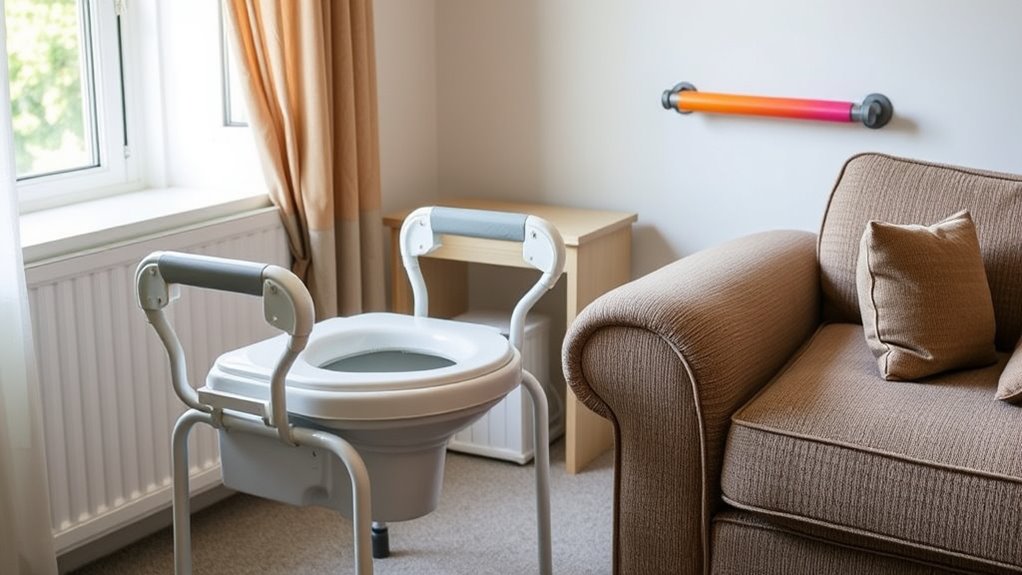
Environmental and assistive devices can markedly enhance safety and independence for your loved one with Lewy Body Dementia. Installing grab bars near the toilet provides stability and reduces the risk of falls. Consider raised toilet seats to make sitting and standing easier. Nightlights along hallways and in the bathroom help prevent accidents during nighttime trips. Urinal devices or bedpads can offer discreet support when access to the bathroom is delayed or difficult. Easy-to-use, clearly labeled alarms alert your loved one or caregivers when they need to use the bathroom, reducing accidents. Securely placed mats can catch leaks or spills, minimizing mess and discomfort. Incorporating air quality into the environment can also help stimulate your loved one’s cognitive functions and promote comfort. Additionally, selecting the right dog names can create a comforting and familiar atmosphere for your loved one, especially if they have a pet. Recognizing cheating behaviors and addressing emotional detachment in caregivers can improve the overall support system for your loved one. These tools collectively foster a safer environment, encouraging your loved one to maintain independence while reducing your caregiving burden.
Supporting Emotional Well-being and Addressing Anxiety

Creating a safe and supportive environment with assistive devices can help reduce physical risks, but addressing your loved one’s emotional well-being is just as important. Anxiety can increase confusion and agitation, so offer reassurance and gentle communication. Encourage activities that promote relaxation, like listening to calming music or engaging in simple hobbies. Recognizing signs of stress allows you to respond with patience and empathy. To help you understand their needs, here’s a quick guide:
| Emotional State | Suggested Response | Helpful Tip |
|---|---|---|
| Anxiety | Offer reassurance, stay calm | Use soothing tones |
| Confusion | Simplify explanations | Maintain routine |
| Fear | Validate feelings | Use familiar objects |
| Frustration | Show patience | Break tasks into small steps |
| Calm | Celebrate progress | Encourage social interactions |
Tips for Caregivers: Maintaining Comfort and Dignity

Maintaining your loved one’s comfort and dignity is essential as they navigate urinary incontinence. You can do this by using respectful language and avoiding embarrassment or shame. Offer reassurance and stay calm, creating a safe environment for them. Dress them in easy-to-remove clothing to reduce frustration and discomfort. Encourage regular bathroom visits to prevent accidents and stick to a routine that minimizes surprises. Use discreet, absorbent products that maintain their dignity. Always approach the situation with patience and understanding, acknowledging their feelings. Remember, your calm presence and respectful attitude can profoundly ease their anxiety and help them feel valued and respected despite the challenges. Your support makes a meaningful difference in preserving their dignity during these difficult times.
Frequently Asked Questions
How Can I Differentiate Between Urinary Incontinence and Other Bladder Issues in LBD?
To tell urinary incontinence apart from other bladder issues, pay attention to symptoms. Incontinence involves involuntary leakage, often sudden or uncontrollable. Other bladder problems, like infections or overactive bladder, may cause pain, urgency, or frequency without leakage. You should notice if there’s discomfort, burning, or difficulty urinating. Consulting a healthcare professional for proper diagnosis and testing is key to understanding the cause and choosing the right treatment.
Are There Specific Dietary Changes That Can Help Manage Incontinence in Lewy Body Dementia?
You might consider adjusting your diet to help manage incontinence. Limit bladder irritants like caffeine, alcohol, and spicy foods, which can increase urgency. Incorporate more fiber-rich foods to prevent constipation, which can worsen incontinence. Staying well-hydrated with water during the day but reducing fluid intake before bedtime can also help. Keep a food diary to identify triggers, and consult your healthcare provider for personalized advice tailored to your needs.
What Are the Latest Advancements in Non-Invasive Incontinence Management for LBD Patients?
Oh, the irony isn’t lost on you—new non-invasive methods promise relief, yet managing Lewy Body Dementia symptoms remains tricky. Recent advancements include wearable bladder sensors that alert you when it’s time to go and pelvic floor exercises tailored for cognitive challenges. These innovations aim to empower you with less reliance on medications or invasive procedures, making daily life a bit easier without adding more complexity.
How Do I Address Incontinence-Related Social Stigma for My Loved One?
You can help your loved one feel more comfortable by openly discussing their feelings and reassuring them that incontinence is a common health issue. Encourage them to participate in support groups or counseling if needed, and educate family and friends to foster understanding. Maintaining dignity and privacy is essential—use discreet incontinence products and create a supportive environment. Your empathy and acceptance will go a long way in reducing social stigma.
What Are Effective Communication Strategies for Discussing Incontinence Concerns With Patients?
Think of discussing incontinence like tending a garden—you need patience and gentle care. Start by choosing a private, comfortable setting, and use clear, compassionate language. Listen actively and avoid judgment. Share information openly, reassuring them it’s common and manageable. For example, I once helped a patient feel more at ease by normalizing concerns, which opened the door for honest conversations. Your approach can make all the difference.
Conclusion
While managing urinary incontinence in Lewy Body Dementia can feel overwhelming, it’s surprisingly manageable with the right strategies. Ironically, what often feels like a relentless challenge can become a moment of connection and care. By understanding the causes, using helpful tools, and maintaining compassion, you might find that the hardest part isn’t the incontinence itself, but the opportunity it offers to deepen your bond and show love in the most unexpected ways.