Understanding reinforcement schedules helps you strengthen behaviors effectively. Fixed schedules reward you for specific responses or set times, creating predictability and stability, especially during initial learning. Variable schedules, on the other hand, reward unpredictably, boosting motivation and resilience over time. Using a mix can keep behaviors consistent and engaging. If you want to learn how to optimize your strategies with these schedules, keep exploring how they work together for lasting results.
Key Takeaways
- Fixed schedules reinforce behavior after predictable responses or time intervals, providing consistency and stability in behavior shaping.
- Variable schedules reinforce behavior unpredictably, fostering resilience and sustained motivation over time.
- Fixed reinforcement supports initial learning, while variable reinforcement maintains long-term engagement and prevents extinction.
- Over-reliance on fixed schedules can lead to stagnation, whereas combining schedules enhances behavioral flexibility.
- Choosing the appropriate schedule depends on the behavior stage, individual needs, and goal for reinforcement consistency or variability.

Spacewalk 4 Wheel Mobility Scooter for Seniors - with Dual Baskets, 350W Motor, 264 lbs Capacity, 15 Miles Range, USB Charging Port, Foldable Heavy Duty Mobile Scooter for Elderly
【Friendly control panel】: color battery indicator, horn, headlight switch, speed control knob and lock switch, forward, reverse levers,...
As an affiliate, we earn on qualifying purchases.
Understanding Reinforcement Schedules in Behavior Management

Reinforcement schedules are essential tools in behavior management because they determine how and when a behavior is reinforced, shaping how quickly and consistently it occurs. When you understand these schedules, you can tailor your approach to encourage desired behaviors effectively. For example, some schedules reinforce behavior after every occurrence, while others do so only after certain intervals or number of responses. This control impacts how likely a behavior is to persist over time. Recognizing the pattern helps you predict responses and adjust your strategy accordingly. By choosing the right schedule, you can strengthen new behaviors or maintain existing ones with greater reliability. Additionally, understanding trends in consumer preferences, such as the rise of breakfast delivery options, can help in designing reinforcement strategies that align with current market demands. Mastering reinforcement schedules empowers you to create more effective, consistent behavior management plans that promote lasting change.

Serianie Foldable Mobility Scooters for Seniors, 4 Wheel Lightweight Mobility Scooters for Adults, Powered Electric Wheelchair, Mobility Scooter with Seat, Folding Travel Motorized Scooter - Red
Comprehensive Performance Upgrades – Engineered with Dual motors 500W total, this mobility scooter effortlessly navigates urban sidewalks, uneven...
As an affiliate, we earn on qualifying purchases.
The Core Differences Between Fixed and Variable Reinforcement

Understanding the key differences between fixed and variable reinforcement is essential for effectively shaping behavior. Fixed reinforcement provides rewards after a set number of responses or time, creating predictability. In contrast, variable reinforcement offers rewards after unpredictable intervals, maintaining engagement and resisting extinction. This distinction influences how behaviors are learned and maintained. Consider the following table:
| Feature | Fixed Reinforcement | Variable Reinforcement | Effect on Behavior |
|---|---|---|---|
| Schedule type | Consistent, predictable | Unpredictable | Stability vs. resistance to extinction |
| Reward timing | Set number or time | Random responses or intervals | Faster acquisition vs. sustained response |
| User predictability | High | Low | Clear expectations vs. surprise |
| Typical use case | Learning new skills | Maintaining established behaviors | Reinforcement clarity vs. resilience |
Mastering these core differences helps you select the right schedule for your goals. Additionally, understanding how reinforcement schedules influence motivation can aid in designing more effective behavior plans.

Rascal Venture 4-Wheel Portable Mobility Scooter for Travel, Easy Disassembly, Compact Design, 300 lb Capacity, Battery Included
FDA CLASS II MEDICAL DEVICE: FDA Class II Medical Devices are designed to aid individuals with mobility impairments....
As an affiliate, we earn on qualifying purchases.
Advantages of Using Fixed Reinforcement Schedules

Fixed reinforcement schedules offer several advantages, making them a popular choice for shaping and strengthening behaviors. They provide consistency, allowing you to predict when reinforcement will occur, which helps establish clear expectations. This predictability can motivate individuals to repeat desired behaviors, knowing reinforcement is guaranteed after a set number of responses or time intervals. This structured approach can also aid in behavioral conditioning, ensuring behaviors are reinforced at regular intervals. This predictability in reinforcement delivery can also support behavioral reinforcement strategies, leading to more effective learning outcomes. Fixed schedules also simplify tracking progress, as you can easily measure performance against the known reinforcement pattern. Additionally, they are effective during initial training phases, helping to quickly establish new behaviors. Because reinforcement is delivered at regular, predictable intervals, these schedules reduce frustration and increase motivation for learners. Moreover, understanding how water-based activities like aquatic exercises can enhance motivation and engagement is beneficial when designing reinforcement plans. Incorporating behavioral principles such as consistency and predictability further enhances the effectiveness of fixed schedules. For instance, utilizing reinforcement management techniques can optimize the reinforcement process. Overall, fixed reinforcement schedules create a stable environment that encourages consistent behavior and facilitates efficient learning.

AlveyTech 3.00-4 (10"x3", 260X85) Foam-Filled Mobility Tire with Durotrap C9210 Tread (2-5/8" Bead Width) - Replacement Scooter Flat-Free Tires for Electric Scooters, Non-Marking Gray (TIRSOLI1020)
Direct Replacement – Our 3.00-4 (10”x3”, 260X85) with 2-5/8" bead to bead tires will get your scooter or...
As an affiliate, we earn on qualifying purchases.
Benefits of Implementing Variable Reinforcement Strategies
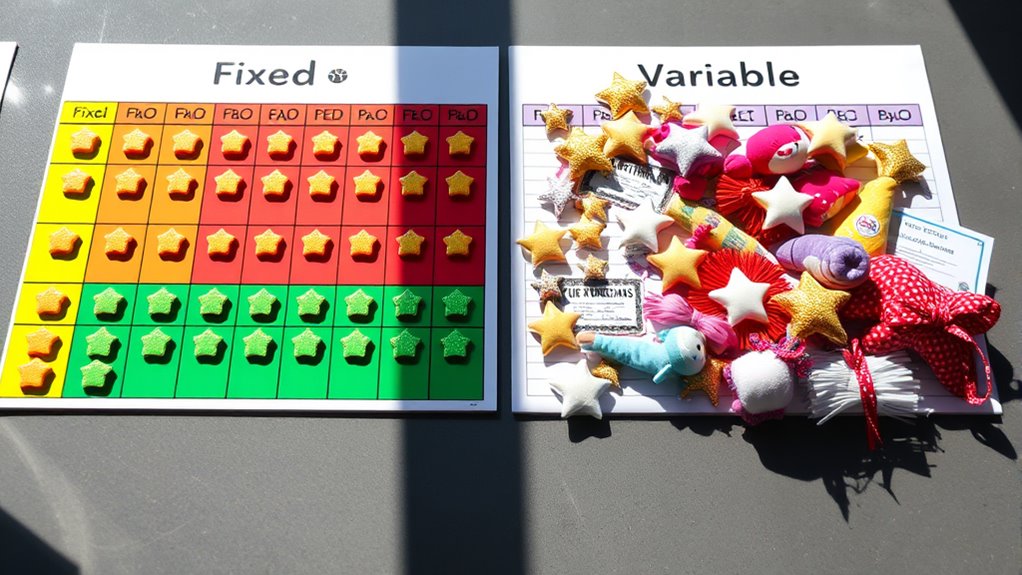
Implementing variable reinforcement strategies can boost your engagement levels by keeping behaviors unpredictable and interesting. This approach also encourages long-term compliance because individuals remain motivated, unsure of when the next reinforcement will occur. Additionally, incorporating dog names that reflect the personality or breed can enhance the effectiveness of reinforcement by creating a stronger emotional connection. Recognizing toxic foods for dogs, such as grapes, emphasizes the importance of understanding what is safe, ensuring that reinforcement methods are both effective and safe. Ultimately, these strategies help create more resilient habits that stick over time.
Enhances Engagement Levels
Variable reinforcement strategies markedly boost engagement because they create an element of unpredictability that keeps individuals motivated. When rewards are unpredictable, you stay more attentive and eager to participate, as you never know when the next reinforcement will come. This uncertainty triggers the brain’s reward system, encouraging sustained effort and focus. Unlike fixed schedules, where rewards become expected and can diminish motivation over time, variable schedules keep you on your toes, making the experience more stimulating. This heightened engagement is especially useful in behavior plans, where maintaining interest and participation is vital. By introducing variability, you reduce boredom and increase the likelihood that individuals will remain actively involved, fostering a more dynamic and motivating environment.
Promotes Long-Term Compliance
Because rewards are unpredictable, variable reinforcement strategies encourage you to maintain your efforts over the long term. When reinforcement occurs randomly, it creates anticipation and motivation, making you less likely to give up. This approach fosters consistent compliance because you can’t predict when the next reward will come, so you stay engaged. To understand this better, consider the following table:
| Benefit | Explanation |
|---|---|
| Sustained Motivation | Unpredictability keeps you interested and committed. |
| Long-Term Adherence | Encourages ongoing compliance without reliance on regular rewards. |
| Reduced Extinction Risks | Less likely to stop behaviors when rewards are inconsistent. |
| Adaptive Behavior | Builds resilience to changes in reinforcement patterns. |
Implementing variable reinforcement keeps you engaged and committed over time.
Practical Applications and Tips for Behavior Plans
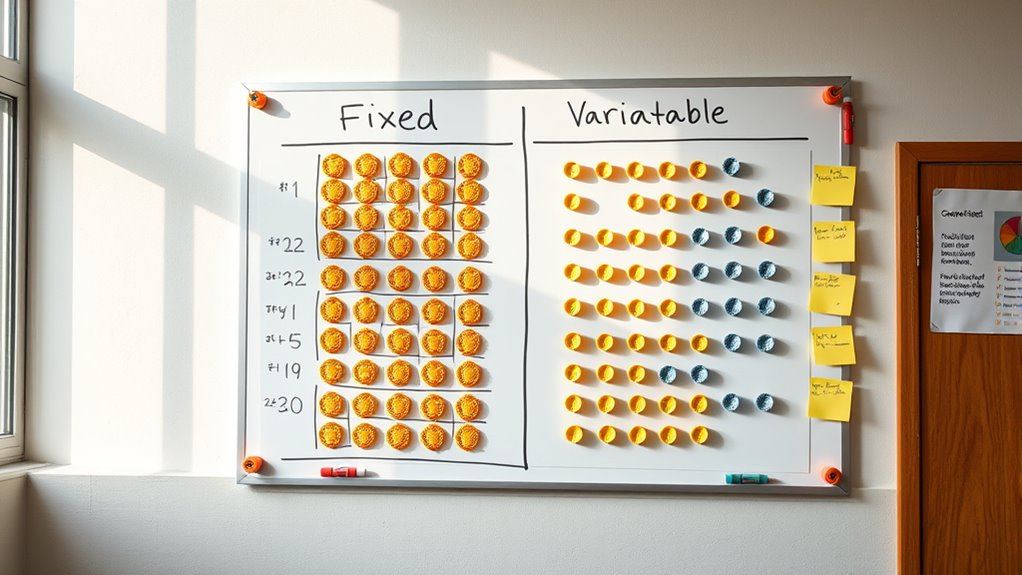
Practical applications of reinforcement schedules can substantially enhance the effectiveness of behavior plans by making reinforcement more targeted and sustainable. First, identify which behaviors need strengthening and select an appropriate schedule—fixed or variable—to match the situation. For example, use fixed schedules to establish new behaviors, providing consistent reinforcement that encourages learning. Once the behavior is stable, shift to variable schedules to maintain motivation and prevent extinction. Be consistent in delivering reinforcement, but also vary the timing to keep the individual engaged. Keep track of responses to adjust the schedule as needed, ensuring reinforcement remains meaningful. Remember, the goal is to reinforce desired behaviors without creating dependence on constant reinforcement, fostering long-term independence.
Common Mistakes and How to Avoid Them

One common mistake in applying reinforcement schedules is relying too heavily on fixed schedules without considering the individual’s progress. This can lead to frustration or stagnation when expectations become too predictable. To avoid this, remember that flexibility is key. Mix fixed and variable schedules to keep motivation high and behaviors consistent. Be attentive to your client’s responses and adjust accordingly. Incorporating behavioral variability can enhance engagement and prevent predictability from undermining progress. Additionally, understanding the role of reinforcement schedules in fostering sustainable behavior change can help tailor approaches effectively. Recognizing the importance of individual differences can further optimize reinforcement strategies and improve long-term outcomes. Incorporating personalized reinforcement strategies ensures that interventions remain relevant and effective for each individual. Recognizing that nutrient-rich ingredients can boost metabolism and engagement in health routines can also inform more dynamic reinforcement strategies.
Frequently Asked Questions
How Do Reinforcement Schedules Influence Long-Term Behavior Change?
Reinforcement schedules shape how lasting your behavior change becomes. When you receive consistent rewards, you’re more likely to stick with new habits. Variable schedules, which offer unpredictable rewards, can keep you motivated longer because they tap into your natural curiosity. By choosing the right schedule, you can strengthen your new behaviors, making them more resistant to fading over time. This strategic approach boosts your chances of long-term success.
Can Mixed Reinforcement Schedules Be More Effective Than Fixed or Variable Alone?
You might find that mixed reinforcement schedules are more effective than fixed or variable ones alone because they keep you engaged and motivated. When you experience unpredictable rewards alongside consistent ones, it prevents boredom and encourages persistence. This combination can strengthen your behavior more robustly, as it offers both stability and excitement. So, blending reinforcement types helps maintain your interest and promotes long-term change better than using just one schedule.
What Are the Ethical Considerations in Applying Reinforcement in Behavior Plans?
When applying reinforcement in behavior plans, you should consider ethics to guarantee you’re respecting the individual’s dignity and autonomy. Avoid manipulative or overly controlling strategies, and ensure rewards are meaningful and appropriate. Always seek informed consent and monitor for potential negative effects. Prioritize transparency and fairness, making sure reinforcement promotes positive growth without causing harm or dependency, and adjust your approach if ethical concerns arise.
How Do Reinforcement Schedules Differ Across Age Groups or Developmental Stages?
You might notice that reinforcement schedules vary across age groups or developmental stages because younger individuals often need more consistent, immediate reinforcement to learn new behaviors. As you work with older individuals, you may use more flexible schedules, like variable reinforcement, to promote long-term behavior change. Tailoring these schedules helps you meet each person’s developmental needs, ensuring effective learning and motivation at every stage.
Are There Specific Behaviors Better Suited for Fixed Versus Variable Reinforcement?
You wonder if certain behaviors respond better to fixed or variable reinforcement. Generally, behaviors that need consistency and quick learning benefit from fixed schedules, providing predictable rewards that strengthen habits. Conversely, variable reinforcement works well for encouraging persistence and resistance to extinction, especially in behaviors where you want to delay gratification or make responses more resilient. Matching the reinforcement schedule to the behavior’s nature enhances learning and maintenance.
Conclusion
By understanding the differences between fixed and variable reinforcement, you can tailor your behavior plans for better results. While some might worry that variable schedules are unpredictable, they actually promote lasting behavior change by keeping individuals engaged. When used thoughtfully, both schedules can complement each other, creating a balanced approach. Don’t be discouraged by initial challenges; with practice, you’ll see how these strategies foster consistent, meaningful progress.