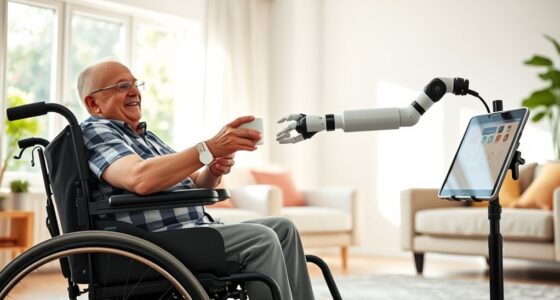

To create a safe exercise space for your wander-prone loved one with Alzheimer’s, start by evaluating your environment for hazards and ensuring enough room to move freely. Add sturdy barriers like tall fencing and secure gates, and incorporate safety features such as non-slip flooring, good lighting, and grab bars. Keep the area engaging and comforting with familiar objects, while maintaining regular safety checks. Continue exploring these tips to make exercise both safe and enjoyable.
Key Takeaways
- Install secure, tall barriers and gates with childproof locks to prevent wandering during exercise.
- Use non-slip flooring and padded mats in activity areas to reduce fall risks.
- Ensure proper lighting and remove hazards like cords or clutter for a safe environment.
- Incorporate familiar visuals and calming colors to promote comfort and engagement.
- Regularly inspect safety features and maintain clear, obstacle-free pathways for continuous safety.
Assessing and Planning Your Space
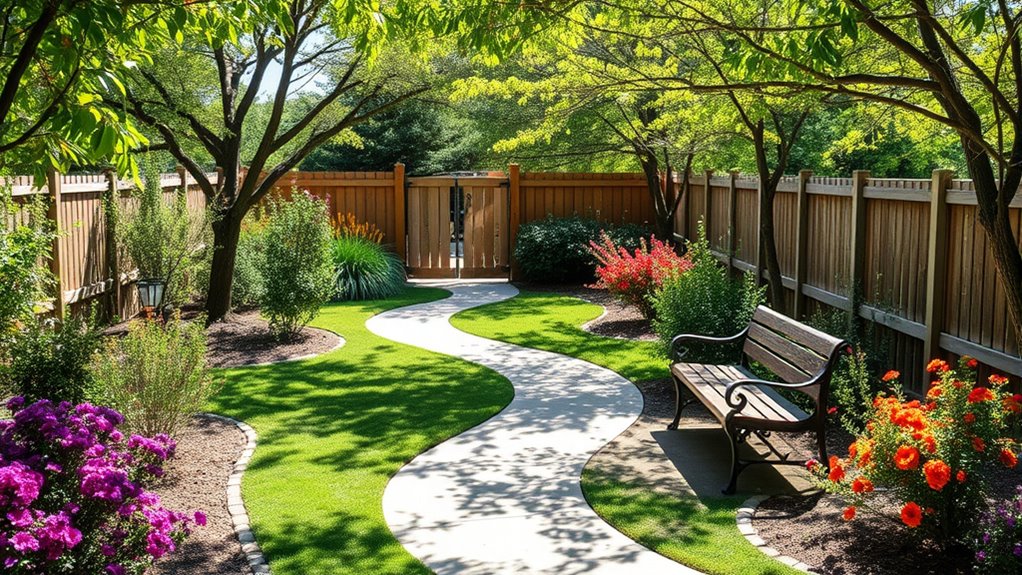
Before creating a safe exercise space for your loved one, it’s essential to evaluate your current environment thoroughly. Walk through your home and note potential hazards, like loose rugs, clutter, or furniture edges. Measure the available space to ensure it’s large enough for movement but free of obstacles. Consider lighting—bright but not harsh—and check for uneven flooring. Think about accessibility, making sure items your loved one might need are within easy reach. Identify areas where they might feel overwhelmed or confused and plan to minimize distractions. This assessment helps you understand what modifications are necessary to create a safe, supportive environment. Incorporating specialized safety measures can further help prevent accidents and promote confidence during exercise. Additionally, understanding juice detox side effects can be useful if dietary changes are part of your overall health plan. Being aware of common mistakes in home safety can assist you in avoiding overlooked hazards and ensuring a secure environment. Conducting a home safety audit regularly ensures ongoing safety as your loved one’s needs evolve. Staying informed about relevant safety protocols and updates in home safety standards can help you maintain a secure environment over time. Planning carefully now ensures you’ll be able to design a space that promotes safe exercise while reducing risks.
Designing Secure Boundaries and Barriers
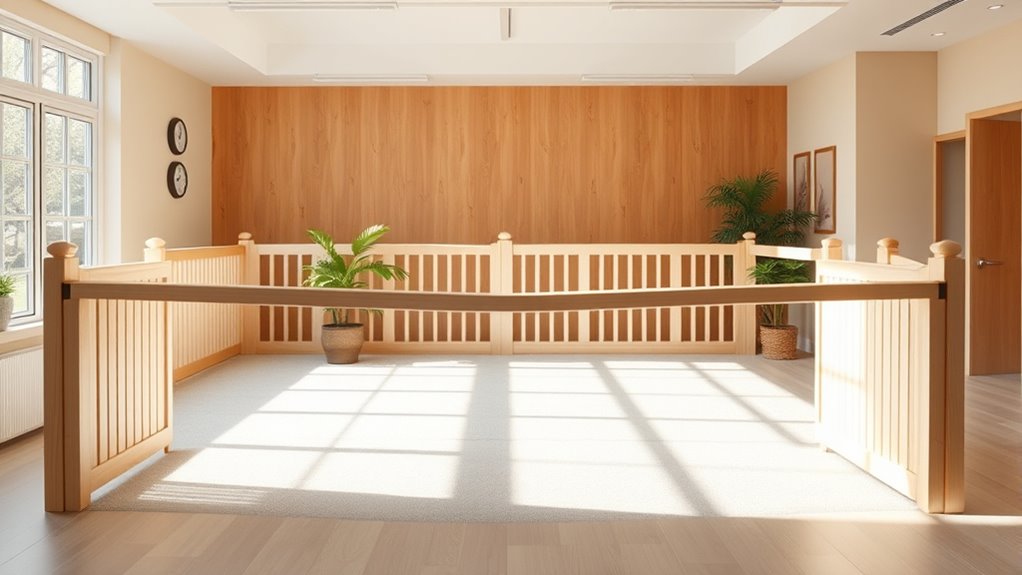
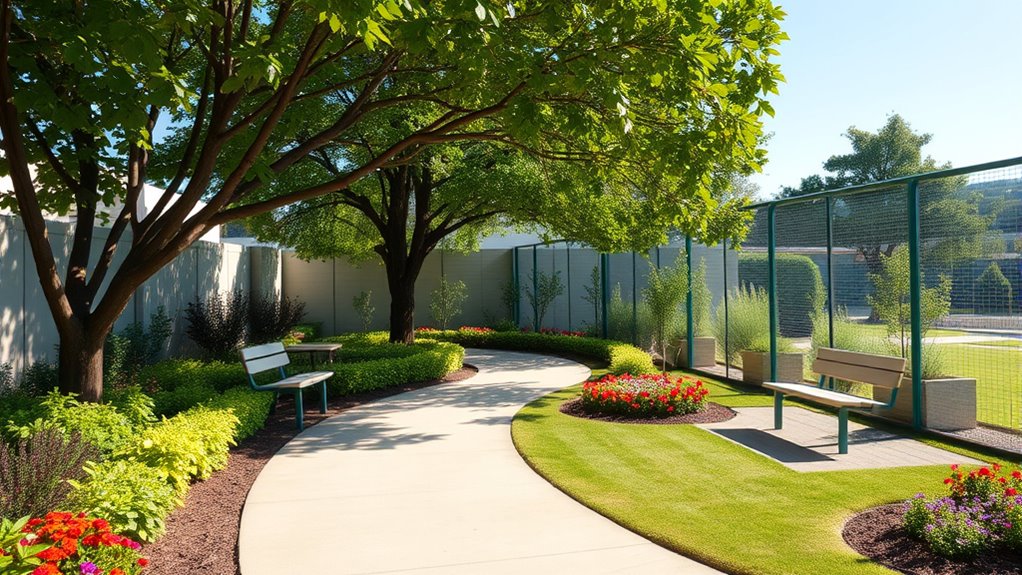
Creating secure boundaries and barriers is essential to prevent your loved one from wandering into unsafe areas or leaving the designated exercise space. Start by installing sturdy fencing or walls that are tall enough to deter climbing or jumping. Use materials that blend with your home’s decor but remain durable and secure. Consider adding gates with childproof locks to control access and prevent accidental escapes. Avoid gaps or weak points where your loved one might squeeze through. You can also use landscaping features, like hedges or low fences, to create natural boundaries. Ensure all barriers are stable and well-maintained, checking regularly for damage or wear. Effective use of pimple patches can serve as a metaphor for strategically placed barriers that promote healing and containment. Incorporating self-watering planters into your outdoor space can help maintain greenery and create calming environments without frequent maintenance. Additionally, understanding AI in education can inform how technology might assist in monitoring or managing safe areas with smart sensors. These measures help keep your loved one safely contained while allowing freedom of movement within a controlled environment, and employing safety-conscious design principles can further enhance security and peace of mind. To ensure the barriers are effective, it’s also important to consider breed-specific traits, which can influence how high or sturdy the barriers need to be based on your loved one’s tendencies.
Incorporating Safety-Enhancing Features

Incorporating safety-enhancing features into your loved one’s exercise space can make a significant difference in preventing accidents and ensuring peace of mind. Start by installing non-slip flooring to reduce falls, especially in high-traffic areas. Use good lighting to eliminate shadows and dark corners, making hazards easier to spot. Place grab bars near entrances, exits, and key areas to support stability. Consider adding padded mats or cushioning in areas where falls are more likely. Keep the space free of clutter and securely store equipment to prevent trips. Use visual cues, like bright tape or color contrasts, to highlight boundaries or doorways. Regularly inspect safety features to ensure they remain secure and effective. Additionally, incorporating safety measures like monitoring devices or alarms can further enhance security and peace of mind. Recognizing tuning options for vehicles like Hyundai can inspire ways to customize and optimize your environment for safety and comfort. These small adjustments create a safer, more supportive environment for your loved one to exercise confidently.
Creating Engaging and Supportive Environments
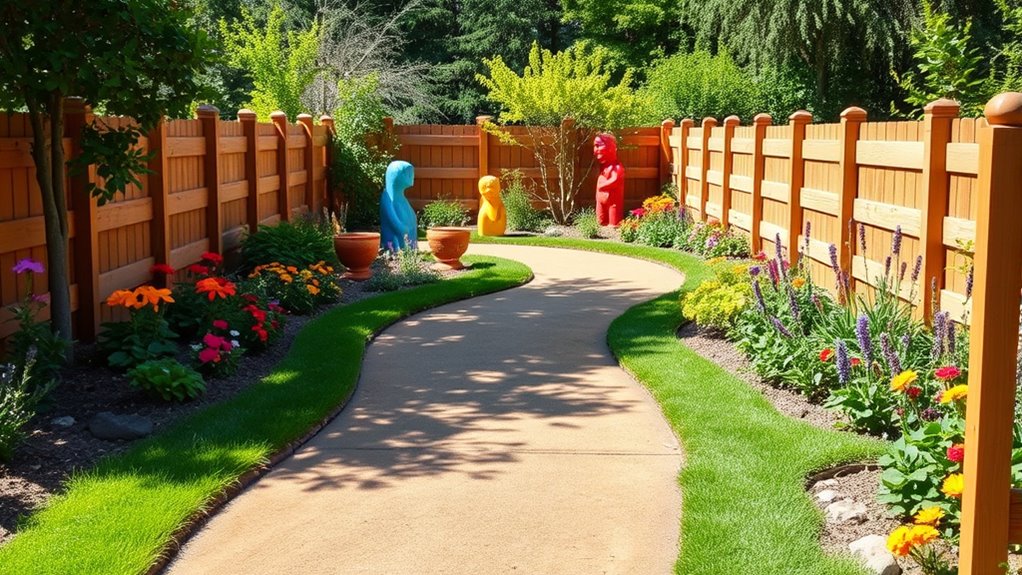
Engaging and supportive environments motivate your loved one to participate actively in exercise, which can enhance their mood and overall well-being. To create such spaces, incorporate familiar objects and inviting visuals that encourage exploration without overwhelming them. Use bright, calming colors and arrange equipment at accessible heights to promote independence. Incorporate meaningful activities like music, nature scenes, or tactile elements that stimulate senses and spark interest. Guarantee the layout is open and clutter-free, allowing for safe movement while offering variety to prevent boredom. Friendly signage and clear pathways help your loved one navigate confidently. Most importantly, foster a positive atmosphere where encouragement and patience are central, making exercise enjoyable and reinforcing their confidence and sense of security. Additionally, understanding the importance of vibrational alignment can help caregivers create a more harmonious environment that supports emotional well-being.
Ongoing Maintenance and Safety Checks

Regular maintenance and safety checks are essential to guarantee your loved one’s exercise space remains secure and functional. You should regularly inspect all equipment, ensuring there are no loose parts or damage that could cause injury. Check the flooring for wear or tears that might lead to slips or trips, and clean surfaces to prevent buildup of dirt or debris. Test all safety features, such as locks, gates, or alarms, to confirm they work properly. Keep pathways clear of clutter, cords, and obstacles to minimize fall risks. Additionally, review the space periodically for any changes that might compromise safety, like furniture shifting or new hazards. Conducting routine safety assessments can help identify potential issues before they result in accidents. Incorporate security protocols into your safety checks to further enhance the environment’s safety. Regularly updating your safety procedures based on these assessments ensures continuous protection. Consistent checks help you promptly address issues, creating a safe environment where your loved one can exercise confidently.
Frequently Asked Questions
How Can I Involve My Loved One in Choosing Their Exercise Space?
You can involve your loved one by observing their preferences and encouraging their input. Take them on a tour of potential spaces, asking what they like or dislike about each one. Use familiar environments to make them feel comfortable, and let them help choose the area if possible. This involvement gives them a sense of control and guarantees the space feels safe and inviting, making exercise more enjoyable.
What Are Cost-Effective Safety Modifications for Limited Budgets?
Imagine turning a simple room into a safe haven without breaking the bank. You can start by installing low-cost door alarms or motion sensors that alert you if your loved one wanders. Use furniture arrangements to eliminate tripping hazards and add bright, contrasting tape on edges. Regularly inspect and maintain these modifications, making safety feel effortless and affordable, so your loved one can exercise confidently.
How Do I Handle Emergencies or Accidents in the Exercise Area?
When emergencies happen, stay calm and act quickly. Keep a phone nearby to call for help immediately. If someone is injured, provide first aid if you’re trained, and avoid moving them unless necessary. Clearly communicate with emergency responders, sharing details about the injury or situation. Regularly review safety protocols and make sure all caregivers know emergency procedures so you can respond confidently and efficiently during any incident.
Are There Specific Safety Guidelines for Outdoor Exercise Spaces?
You’re asking about safety guidelines for outdoor exercise spaces. You should guarantee the area is fully enclosed with secure fencing to prevent wandering. Regularly inspect the ground for hazards like uneven surfaces or debris. Provide shaded shelters and hydration stations to protect from sun exposure. Install clear signage and ensure the space is well-lit at night. Keep emergency contact info visible and consider supervision to promptly handle any issues.
How Often Should Safety Features and Barriers Be Reviewed or Updated?
Think of safety features as the steady lighthouse guiding your loved ones safely home. You should review or update barriers and safety measures at least every six months, or whenever you notice wear, damage, or changes in your loved one’s behavior. Regular checks verify these safeguards remain strong, like a sturdy ship’s hull, protecting them from unseen dangers. Staying vigilant keeps their environment secure and your peace of mind intact.
Conclusion
By thoughtfully evaluating your space and adding simple safety features, you create a secure environment where your loved one can move freely. Sometimes, it’s the little details—like a hidden latch or a gentle barrier—that make all the difference. As you stay vigilant with regular checks, you might find that safety becomes second nature, almost like a quiet coincidence guiding both your efforts and your loved one’s well-being. Together, you foster peace of mind and freedom.