
Tele-rehab offers various options for rural stroke survivors, including live video therapy sessions, pre-recorded modules, wearable monitoring devices, and virtual group classes. These services help you access expert care, personalize your recovery plan, and track progress from home. Reliable internet, compatible devices, and supportive platforms are essential. Many programs have successfully helped others regain movement and confidence. To discover how tele-rehab can support your recovery journey, explore the details that follow.
Key Takeaways
- Tele-rehab delivers live and asynchronous therapy sessions via video calls and online modules, increasing access for rural stroke survivors.
- Remote monitoring tools like wearable devices track progress and customize exercises, enhancing therapy effectiveness.
- Reliable internet, compatible devices, and user-friendly platforms are essential for successful tele-rehab implementation.
- Support from providers includes technical assistance, tailored education, and caregiver involvement to overcome technological barriers.
- Future innovations such as AI-driven personalization and virtual reality will further improve tele-rehab options for rural patients.
Understanding Tele-Rehab and Its Benefits for Rural Communities
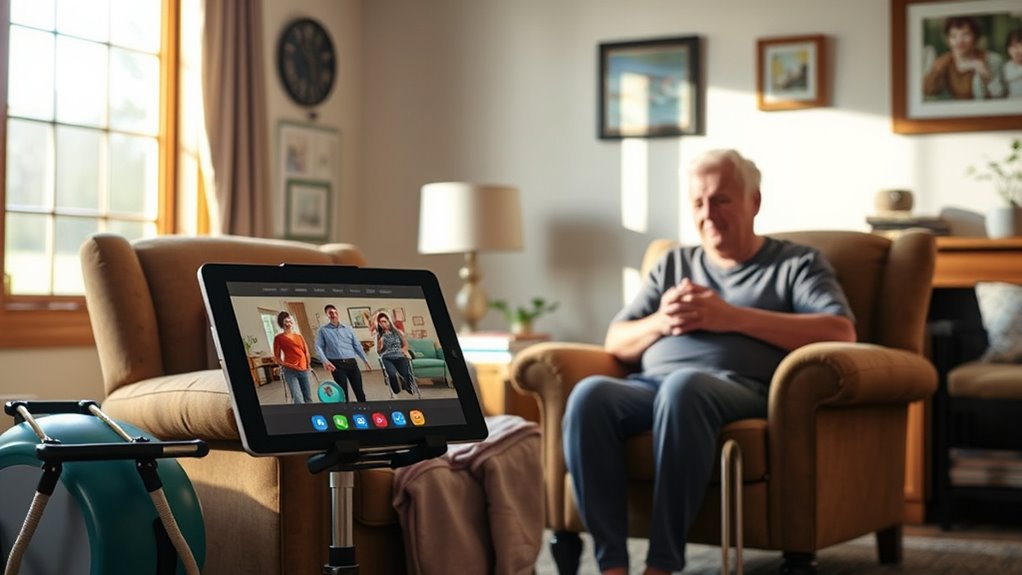
Tele-Rehab is transforming how stroke survivors living in rural areas access rehabilitation services. It allows you to receive therapy sessions through video calls, apps, or online platforms, eliminating long travel distances. This means you can stick to your recovery plan without the hassle of traveling to distant clinics. Tele-Rehab offers flexibility, so you can schedule sessions around your daily routine, making it easier to stay consistent. It also connects you with specialists who might not be available locally, ensuring you get expert care. Additionally, using remote tools can help you monitor your progress closely, empowering you to take an active role in your recovery. Regular use of eye patch benefits can further support your eye health during recovery, especially if you experience visual fatigue or other related issues. Implementing high-quality telehealth technology can enhance the effectiveness of your rehabilitation sessions. Incorporating personalized treatment plans tailored to your specific needs can further improve your recovery outcomes. Moreover, integrating mindfulness techniques into your routine may help reduce stress and improve focus during recovery. Utilizing evidence-based therapies can also ensure that your rehabilitation approach is grounded in proven methods. Overall, Tele-Rehab makes rehabilitation more accessible, convenient, and personalized for rural stroke survivors like you.
Types of Tele-Rehabilitation Services Available

There are several types of tele-rehabilitation services designed to support your recovery after a stroke. One common option is live video therapy sessions, where you interact in real-time with a therapist to work on motor skills, speech, or cognitive exercises. Another is asynchronous services, which include pre-recorded videos, tutorials, or online modules you can access anytime to practice specific skills at your own pace. Remote monitoring tools enable your healthcare team to track your progress through wearable devices or apps, providing feedback and adjustments as needed. Additionally, some programs offer virtual group sessions that foster social support and shared learning. These varied services help you receive targeted, flexible care from the comfort of your home, making recovery more accessible and manageable. Incorporating tele-rehab technology can also enhance your engagement and motivation during rehabilitation. Furthermore, advances in automation technologies are improving the customization and responsiveness of tele-rehabilitation programs to better suit individual needs. Recognizing the importance of accessible hours of operation, many tele-rehab services are designed to be available outside traditional hours, accommodating diverse schedules and increasing convenience.
How Tele-Rehab Facilitates Personalized Stroke Recovery Plans
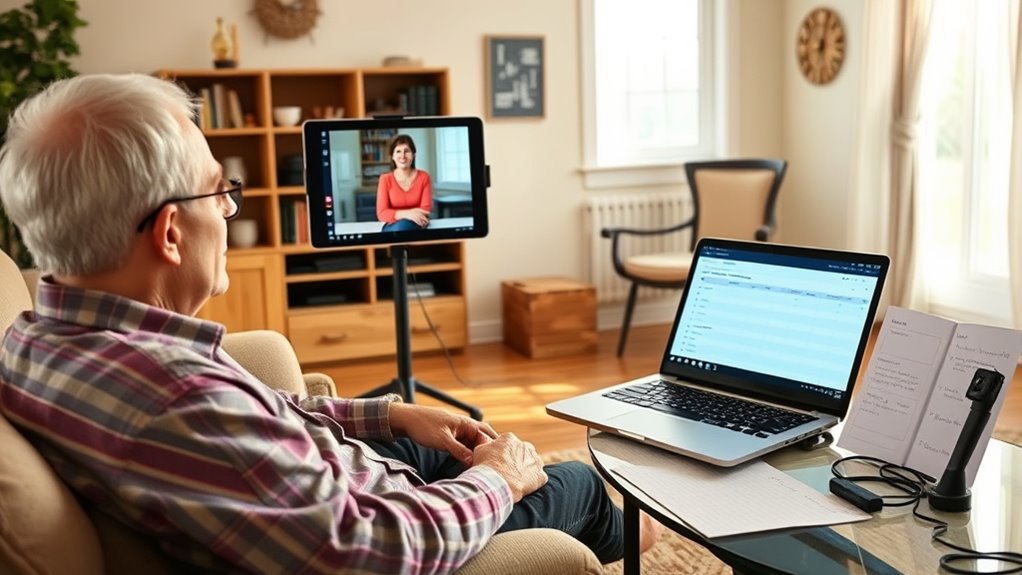
By leveraging digital tools and real-time feedback, tele-rehabilitation enables healthcare providers to create highly personalized stroke recovery plans tailored to your unique needs and progress. Through remote monitoring and data collection, your providers can track your improvements and adjust exercises instantly. This tailored approach guarantees that each activity aligns with your current abilities, challenges, and goals. Additionally, tele-rehab allows your care team to identify specific areas requiring more attention, making interventions more precise. This personalized planning keeps you engaged and motivated, increasing the likelihood of successful recovery. Moreover, adaptive therapy techniques can be integrated into your program to ensure continuous challenge and progress. Implementing personalized treatment plans further enhances the effectiveness of your rehabilitation process. Incorporating evidence-based practices ensures that interventions are grounded in the latest research, optimizing outcomes. The use of home-based exercises can also promote consistency and convenience outside of scheduled therapy sessions. Incorporating remote patient monitoring technology provides a comprehensive view of your progress outside of therapy sessions, fostering better communication between you and your care team. Overall, tele-rehab turns a standard program into a dynamic, adaptable process focused entirely on your individual journey to regain independence.
Technology Requirements for Effective Tele-Rehab Sessions
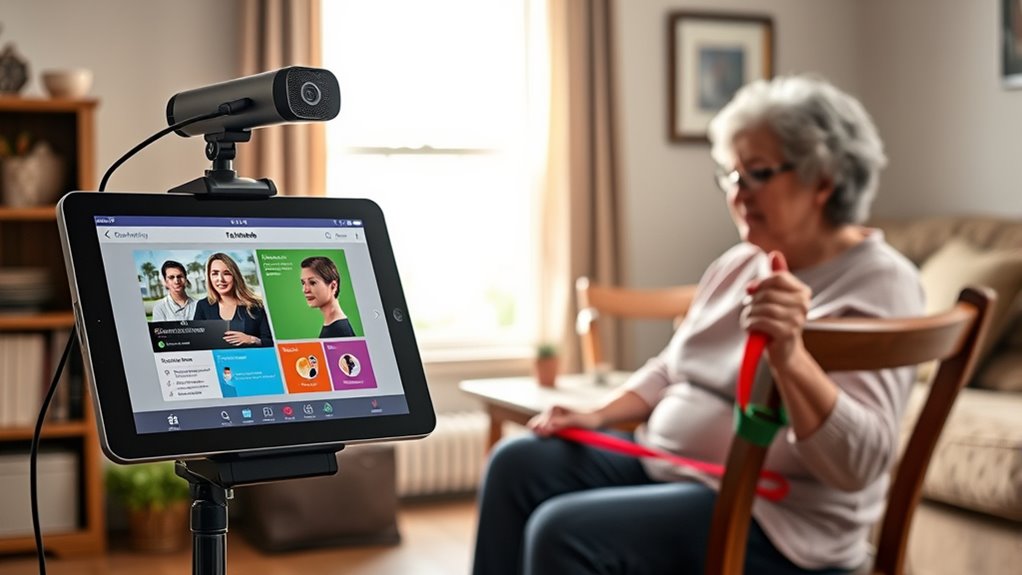
To participate effectively in tele-rehab sessions, you need reliable technology that supports clear communication and accurate data transmission. A stable high-speed internet connection is essential to prevent disruptions and lag. You’ll also need a device with a camera and microphone, like a smartphone, tablet, or computer, to enable real-time interaction with your therapist. Make sure your device’s software is up to date and compatible with the tele-rehab platform used. A quiet, well-lit space helps improve video quality and minimizes distractions. Additionally, having the necessary accessories, such as headphones or a stabilizing mount, can enhance your experience. Ensuring your technology setup is dependable will help you stay engaged, follow instructions accurately, and get the most out of your recovery sessions. Inspiration for support from the profound impact of family bonds can motivate you to stay committed to your rehabilitation journey. Maintaining technology reliability is crucial to avoid interruptions that could hinder progress.
Providers and Platforms Offering Rural Tele-Rehab Solutions
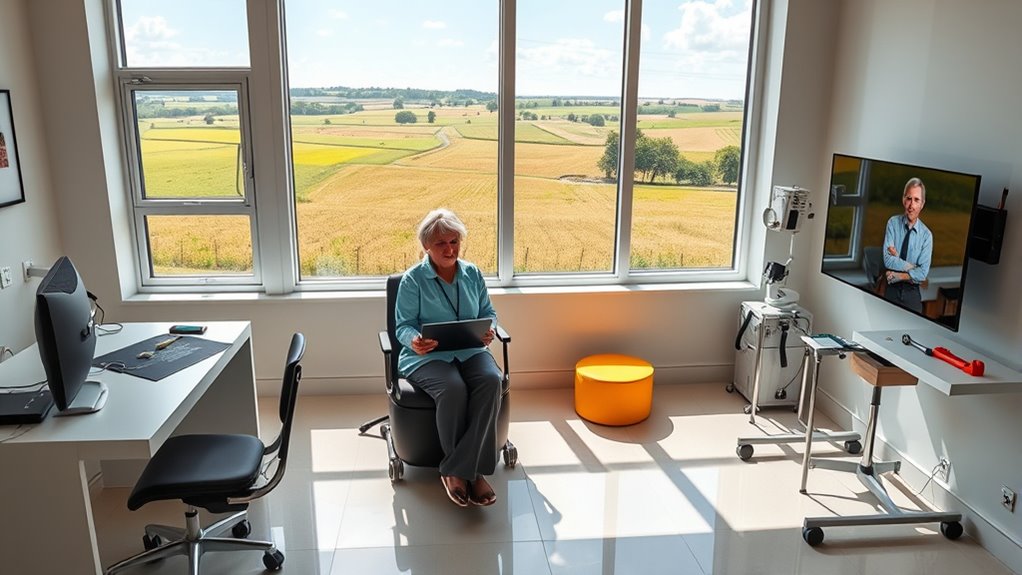
Several providers and platforms now deliver tele-rehab services tailored to rural stroke survivors, helping bridge the gap in access to specialized care. These platforms connect you with licensed therapists and offer targeted exercises, progress tracking, and real-time feedback. Some popular options include Telerehab Solutions, which specializes in stroke recovery, and NeuroRehab Online, focusing on neurological rehabilitation. These services often integrate video calls, mobile apps, and remote monitoring devices to deliver personalized care directly to your home. The table below highlights some key providers and their features:
| Provider | Platform Features |
|---|---|
| Telerehab Solutions | Video therapy, progress tracking, therapist support |
| NeuroRehab Online | Neurological focus, remote monitoring, tailored plans |
| StrokeConnect | Mobile app, caregiver integration, exercise modules |
| RehabAnywhere | Video sessions, progress reports, flexible scheduling |
| TeleRehab Hub | Multi-disciplinary teams, goal-oriented programs |
In addition, integrating remote monitoring devices can enhance the effectiveness of tele-rehab by providing real-time data to therapists. Moreover, some platforms are exploring artificial intelligence tools to customize rehabilitation plans further, making remote therapy even more responsive to individual needs.
Overcoming Challenges and Barriers to Tele-Rehab Access
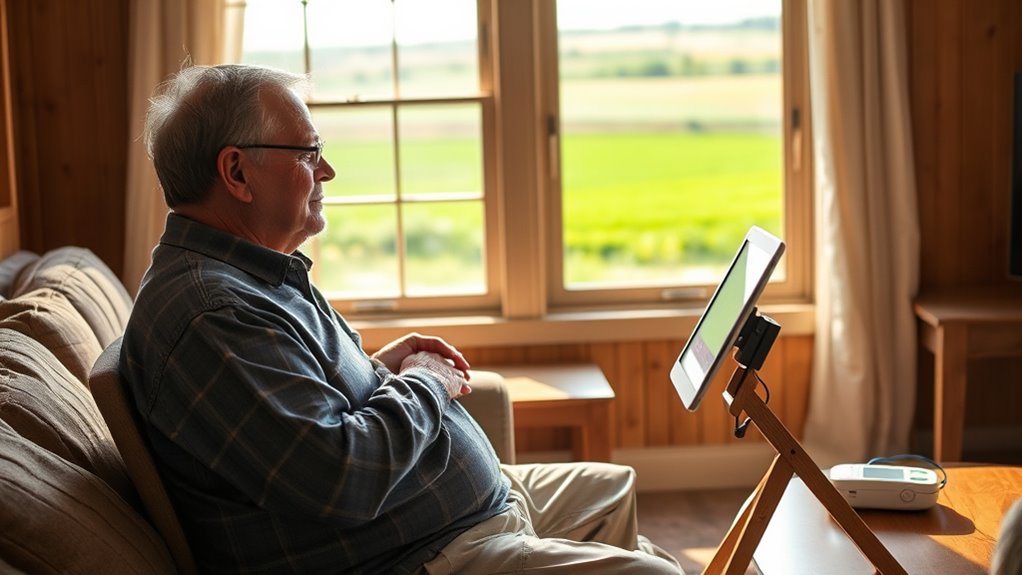
While tele-rehab offers promising solutions for rural stroke survivors, numerous challenges can hinder access and effective use. Limited internet connectivity is a major barrier, making video sessions difficult or impossible for some. You might also face technological unfamiliarity or discomfort with new devices, which can discourage ongoing participation. Cost is another concern; not everyone can afford the necessary equipment or high-speed internet. Additionally, some communities lack local support or training to help you navigate tele-rehab platforms confidently. Privacy and security worries may also prevent you from fully engaging in virtual therapy. Overcoming these obstacles requires targeted efforts, such as improving infrastructure, offering user-friendly platforms, and providing education and technical support tailored to your needs. Understanding different types of headphone jacks can also help you select compatible devices to enhance your tele-rehab experience. Moreover, familiarizing yourself with personal finance management strategies can help plan for the costs associated with technology upgrades or internet service.
Success Stories: Rural Stroke Survivors Thriving With Tele-Rehab
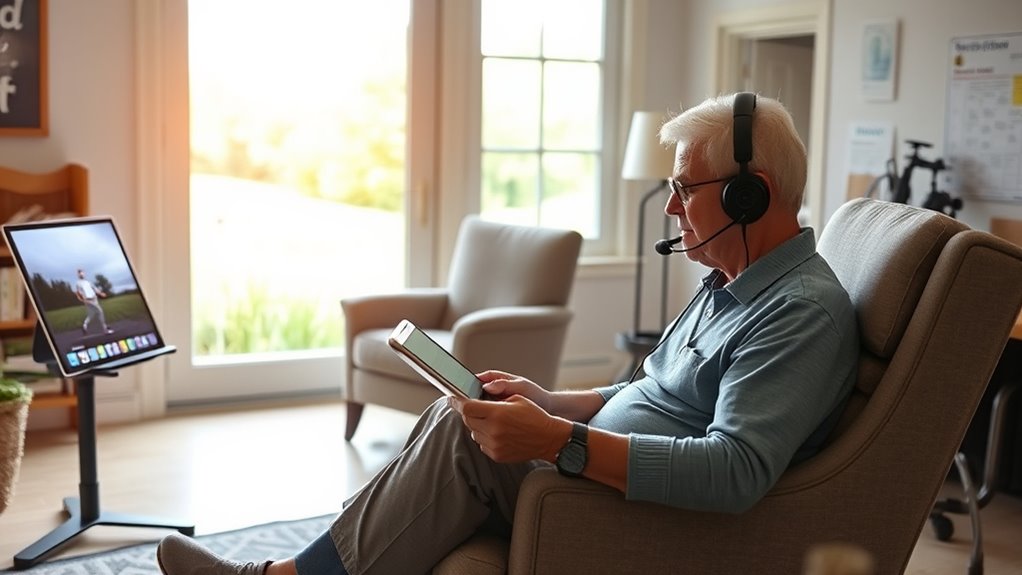
Despite the challenges many rural stroke survivors face in accessing tele-rehab, inspiring stories highlight how persistence and support can lead to remarkable progress. You’ll see individuals regaining mobility, confidence, and independence through dedicated tele-rehab programs. These stories demonstrate that with consistent effort, remote therapies can be highly effective. Many survivors overcome barriers like distance and limited local resources, proving that tele-rehab can be a game-changer. Regular maintenance of tele-rehab equipment and programs ensures sustained success for patients.
Future Developments in Tele-Rehab for Rural Healthcare

Advancements in technology and increased investment in rural healthcare are paving the way for innovative tele-rehab solutions. Expect to see smarter devices, like wearable sensors and virtual reality tools, that monitor your progress more accurately and provide real-time feedback. Artificial intelligence will personalize your therapy plans, adapting exercises based on your performance and needs. Enhanced internet infrastructure will enable smoother video sessions and remote assessments, reducing delays and improving engagement. Additionally, remote monitoring systems will allow healthcare providers to track your recovery continuously, intervening early if issues arise. These developments aim to make tele-rehab more effective, accessible, and tailored to your unique recovery journey, ensuring you get the support you need right from your home, regardless of your rural location. Emerging technologies are set to further revolutionize remote healthcare delivery, offering even more precise and responsive care, leveraging telehealth advancements to improve patient outcomes.
Tips for Maximizing the Effectiveness of Tele-Rehab at Home
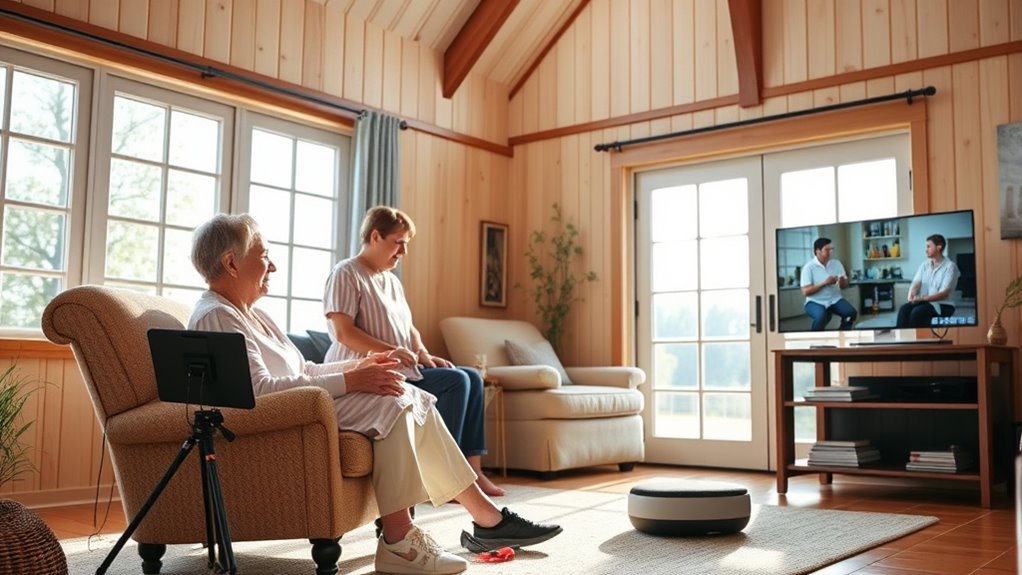
As technology continues to improve and internet access expands, you have more tools than ever to make your tele-rehab sessions at home effective. To get the most out of your therapy, create a dedicated, quiet space free of distractions. Follow your therapist’s instructions carefully and stay consistent with your schedule. Keep a journal to track your progress and note any challenges you encounter. Guarantee your device is fully charged, updated, and has a stable internet connection before each session. Communicate openly with your therapist if you experience difficulties or need adjustments. Staying motivated and engaged is key to success.
Enhance your tele-rehab at home with a dedicated space, reliable tech, and open communication for better progress.
- Set up a distraction-free environment
- Follow your prescribed routine closely
- Keep open communication with your therapist
Frequently Asked Questions
How Do I Choose the Best Tele-Rehab Platform for My Needs?
When choosing the best tele-rehab platform for your needs, you should consider ease of use, compatibility with your devices, and whether it offers the specific therapy services you need. Look for platforms with secure, private connections and reliable customer support. Also, check reviews and ask your healthcare provider for recommendations. Prioritize options that fit your schedule and budget, ensuring consistent access to quality care that’s tailored to your recovery goals.
What Privacy Measures Are in Place During Tele-Rehabilitation Sessions?
Many believe tele-rehab is insecure, but it actually prioritizes your privacy. During sessions, platforms use encryption to protect your data, ensuring your conversations stay confidential. They also implement strict access controls, requiring secure logins and user authentication. Regular security updates and compliance with healthcare privacy laws like HIPAA further safeguard your information. Rest assured, these measures are designed to keep your personal health details private and secure during every session.
Are There Financial Assistance Programs for Tele-Rehab Services?
You might wonder if financial assistance programs exist for tele-rehab services. Many organizations, including government agencies and non-profits, offer grants or sliding scale fees to help cover costs. You should check with your local health department or insurance provider, as they often have programs or resources to reduce expenses. Some tele-rehab platforms also partner with funding sources to make services more affordable, ensuring you get the care you need without financial stress.
How Can Family Members Assist During Tele-Rehab Sessions?
Did you know family support improves stroke recovery outcomes markedly? During tele-rehab sessions, you can assist by setting up the technology, ensuring the environment is quiet and comfortable, and encouraging your loved one to stay focused. You might also help them follow exercises correctly and motivate them to stay engaged. Your involvement provides emotional reassurance, making the sessions more effective and boosting their confidence in the recovery process.
What Signs Indicate I Should Speak With My Doctor About Tele-Rehab?
If you notice persistent or worsening symptoms like weakness, difficulty speaking, or loss of coordination, you should talk to your doctor about tele-rehab. Also, if you’re struggling to follow therapy exercises or feel unsure about your progress, it’s important to seek medical advice. These signs indicate that professional guidance can help optimize your recovery, and tele-rehab might be a beneficial option to explore with your healthcare provider.
Conclusion
Tele-rehab is like a bridge connecting you to recovery, no matter how remote your location. By embracing these digital options, you can access personalized care, overcome barriers, and stay motivated on your stroke recovery journey. With the right technology and support, you’ll find that healing becomes more manageable and less intimidating. Keep moving forward—because just like a steady stream, your progress can flow smoothly, bringing you closer to renewed strength and independence.