Volunteering as a caregiver offers meaningful ways to support others while gaining personal growth. You can provide companionship, assist with daily tasks, or participate in activities like music or pet therapy. These roles help reduce patient loneliness and improve their well-being. Volunteering builds valuable skills such as communication and empathy, creating a sense of purpose and connection. If you want to learn more about the different opportunities and the benefits you can enjoy, keep exploring—there’s much more to discover.
Key Takeaways
- Volunteer roles include providing companionship, assisting with daily activities, and supporting end-of-life care in local organizations.
- Opportunities are available through hospices, senior centers, religious groups, and community organizations, often requiring training and background checks.
- Benefits include developing empathy, patience, and communication skills, while experiencing personal growth and a sense of purpose.
- Volunteering reduces feelings of depression and anxiety, promotes physical health, and offers emotional fulfillment through meaningful connections.
- Building community connections through caregiving fosters social bonds, enhances neighborhood cohesion, and supports collective resilience.
Exploring Different Types of Caregiving Volunteer Roles
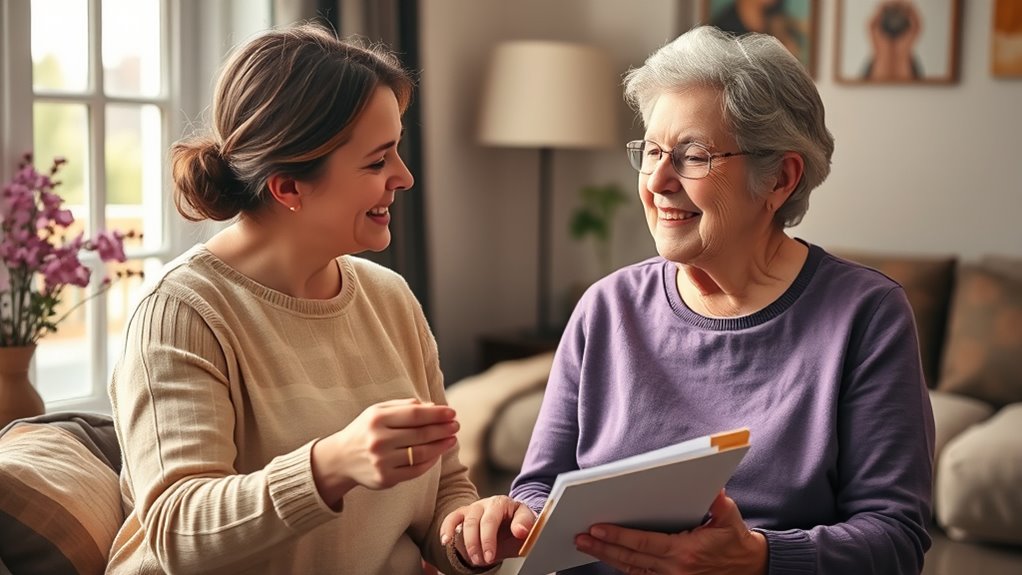
Have you ever wondered about the various ways volunteers can support caregivers and patients? As a volunteer, you can take on many roles in caregiving. You might provide companionship and emotional support, helping patients feel less isolated in hospitals, assisted living, or at home. In addition, many volunteers contribute to the exploration of mysteries that lie at the intersection of health and well-being.
Some volunteers run errands or assist with daily activities like meal prep or mobility, giving family caregivers a much-needed break. Many organizations offer specialized training to prepare you for sensitive tasks, ensuring safety and professionalism. Additionally, you might find that certain volunteering roles, such as providing support activities, can greatly enhance patient morale and recovery, especially when incorporating newborn feeding options that promote overall health. Volunteering can also provide opportunities to learn about end-of-life care options, which can be invaluable in supporting patients and their families.
You could also participate in support activities like music or pet therapy, which boost patient well-being. These roles are flexible, allowing you to contribute through visits, phone calls, or virtual support, fitting different schedules and physical abilities. Additionally, volunteering can provide emotional support to caregivers, who often face significant stress and challenges in their roles.
How to Get Involved in Caregiving Volunteer Opportunities
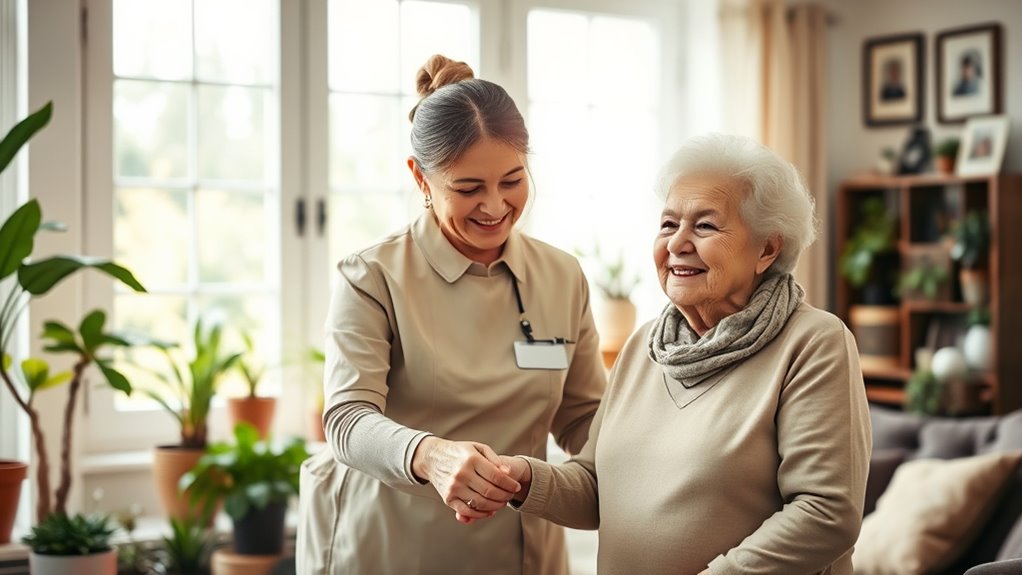
To get started, find local organizations like hospice groups or nonprofits that offer caregiving opportunities. You’ll need to complete volunteer training and orientation to be prepared for the role. Once you’re trained, you can choose from flexible activities that match your skills and schedule. Additionally, consider exploring the role of color accuracy in caregiving environments to enhance the overall experience for those you assist. In some countries, like Zambia, cultural events often prioritize local customs over Western celebrations, which can influence caregiving practices. Furthermore, understanding AI’s role in cybersecurity can help ensure that the data collected during caregiving is protected from potential breaches. Engaging in caregiving can also provide valuable insights into global intelligence practices, as volunteers often encounter diverse perspectives and approaches to care.
Find Local Organizations
Finding local organizations that need volunteer caregivers is a great way to get involved and make a difference in your community. Many organizations like hospices, senior centers, and non-profit health agencies regularly offer volunteer opportunities with specific caregiver roles. These organizations often list openings online and guide you through application processes, including background checks and orientation sessions. Community centers and religious institutions also serve as hubs, connecting volunteers with nearby caregiving opportunities.
Additionally, engaging in volunteer work can enhance your dynamic communication skills and help you connect better with those you are caring for. Tools like AmeriCorps Seniors’ pathfinder or organization-specific portals can help you find suitable local roles. Notably, volunteering in caregiving can provide valuable experience that may aid in personal and professional development. Additionally, many states impose state tax implications on retirement income that can affect your financial planning as a volunteer caregiver. It is essential to recognize that volunteering also offers opportunities for self-discovery as you explore your emotions and thoughts while helping others. Whether providing companionship, emotional support, or assistance with daily activities, these organizations offer tailored training to prepare you for your caregiving role. Additionally, some organizations may provide information about self-care practices to help volunteers maintain their well-being while caregiving.
Taking these steps makes it easier to find meaningful volunteer opportunities nearby.
Complete Volunteer Training
Before you start volunteering as a caregiver, completing an extensive training program is crucial. This guarantees you’re prepared to provide quality patient care and support families effectively. Training sessions occur twice a year, usually in spring and fall at locations like the TMC campus or in El Campo, Texas. Both patient care and non-patient care volunteers must attend to develop the skills needed for compassionate caregiving. The program covers listening skills, grief management, HIPAA compliance, and spiritual aspects of end-of-life care. Here’s a quick overview of what you’ll learn:
| Skills Covered | Focus Area |
|---|---|
| Listening & Communication | Patient interaction |
| Privacy & Ethics | HIPAA & confidentiality |
| Emotional Support | Grief & spiritual care |
Completing this training makes you an essential part of the caregiving team. Additionally, understanding the emotional support needs of those you care for can enhance your ability to connect and provide comfort. Engaging in unique beetroot recipes can also promote healthy eating habits, which is beneficial for families you support. Furthermore, the training program emphasizes the importance of effective communication skills, which are vital in fostering trust and rapport with patients and their families. Moreover, integrating spiritual practices can further enhance your ability to provide comfort and reduce anxiety for both patients and their families. Proper training can also help in recognizing potential side effects of caregiving situations, enabling volunteers to respond effectively to the needs of patients.
The Physical and Emotional Benefits for Caregiving Volunteers
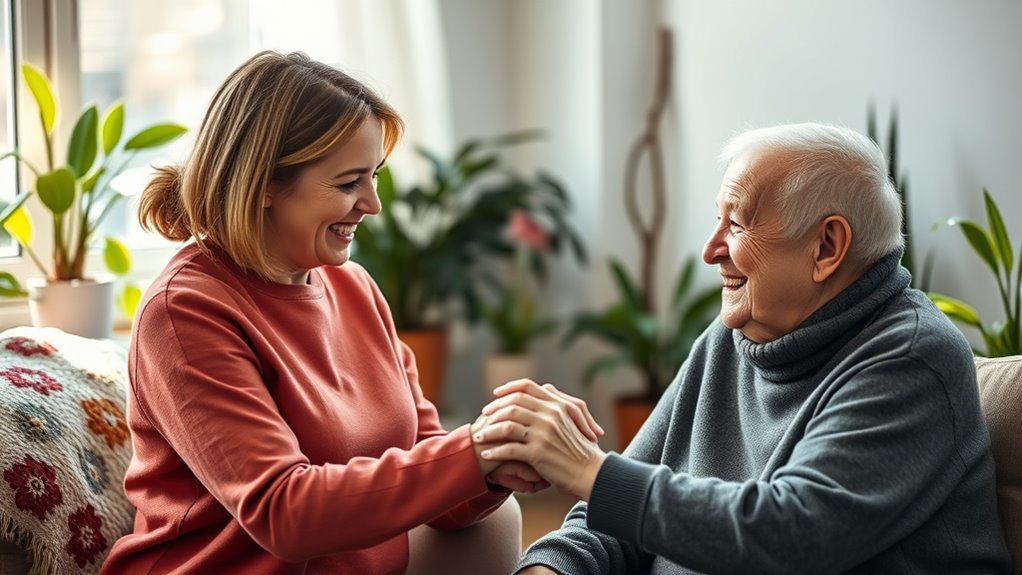
Volunteering as a caregiver offers significant physical and emotional benefits that can enhance your overall well-being. When you provide emotional support and companionship, you can help reduce symptoms of depression and anxiety, boosting your mental well-being. Engaging in caregiving also promotes physical health by encouraging activity that can lower blood pressure and lower the risk of hypertension. Additionally, caring for others gives you a sense of purpose and hope, strengthening resilience. Practicing mindfulness techniques during your caregiving activities can further enhance your emotional and physical health, as research indicates potential psychological benefits from engaging in such practices. Moreover, adopting effective relaxation techniques can help you manage stress while providing care. Sound design, for instance, often employs techniques like field recording to create immersive experiences that can be beneficial for relaxation.
You’ll also benefit from:
- Improved emotional fulfillment through meaningful connections
- Enhanced physical health via active engagement
- Increased longevity and overall well-being
- Broadened social networks through diverse interactions
These benefits make caregiving a rewarding experience that fosters both your emotional resilience and physical vitality.
Building Community Connections Through Caregiving
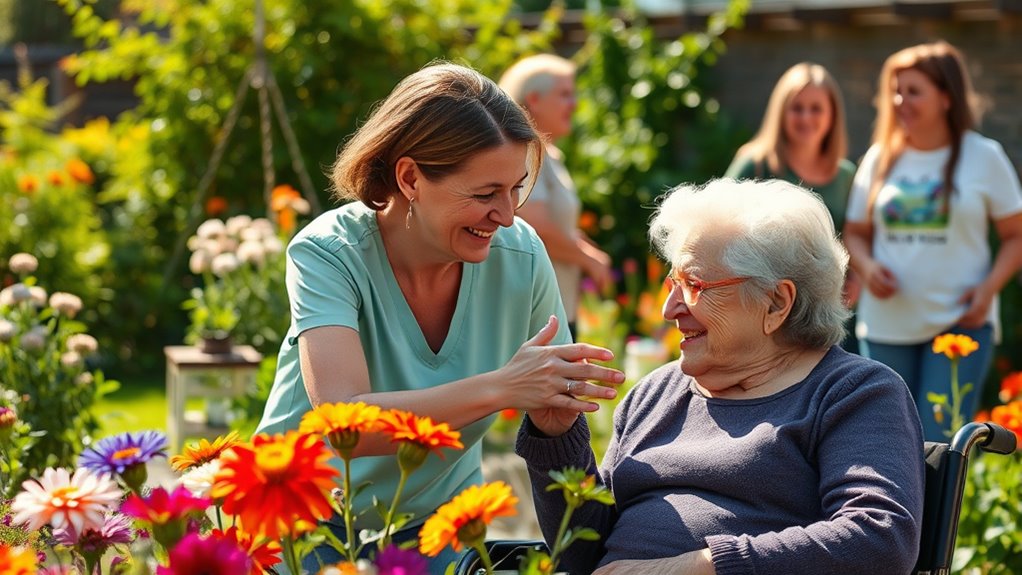
Engaging in caregiving not only benefits individuals but also plays a pivotal role in strengthening community ties. When you volunteer, you help build strong community bonds by fostering shared compassion and support. Your involvement expands social networks, reducing loneliness and encouraging neighborhood cohesion. This sense of collective responsibility promotes a more connected community. Through caregiving, you facilitate intergenerational interactions, creating mutual understanding and respect across age groups. These connections enrich everyone involved and reinforce the social fabric of your neighborhood. Here’s how caregiving strengthens community ties:
| Benefits of Caregiving | Impact on Community |
|---|---|
| Builds diverse social networks | Fosters neighborhood cohesion |
| Promotes intergenerational interactions | Encourages mutual understanding |
Additionally, volunteering in caregiving can help develop important skills that are increasingly valuable in AI cybersecurity jobs, enhancing both personal growth and community resilience.
Skills and Qualities That Make a Successful Caregiver Volunteer
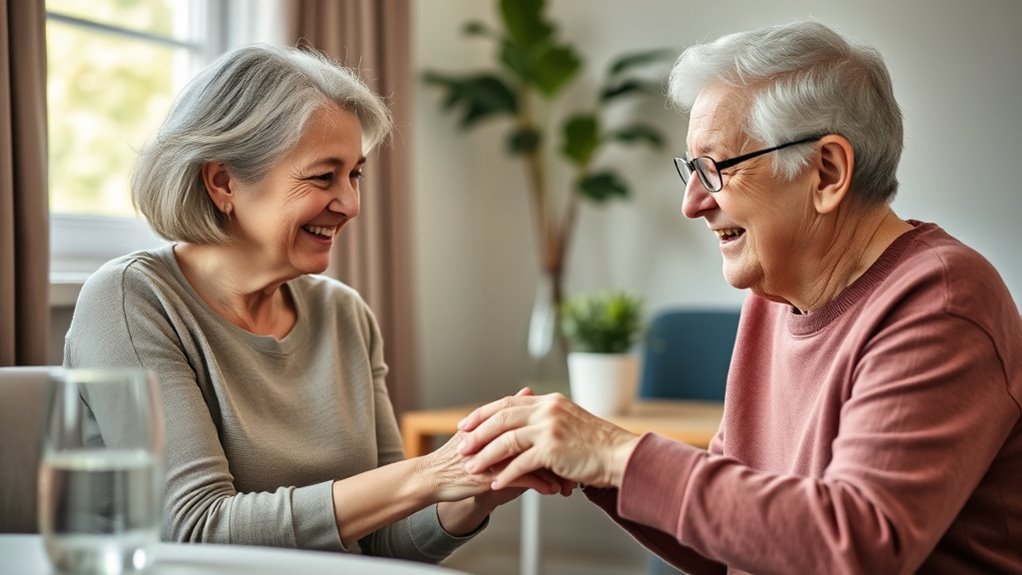
To be an effective caregiver volunteer, you need a combination of key skills and personal qualities that enable you to meet the diverse needs of those you assist. Compassion is indispensable for providing emotional support and understanding patients’ feelings.
Empathy helps you connect on a deeper level, responding sensitively to their physical and emotional states. Reliability and punctuality ensure consistent, dependable care, building trust with patients and their families.
Strong communication skills are crucial for understanding needs and collaborating with healthcare professionals. Additionally, adaptability allows you to handle various situations gracefully.
Successful caregiver volunteers often possess:
- Compassion and patience
- Empathy and emotional intelligence
- Reliability and punctuality
- Effective communication skills
These qualities empower you to make a meaningful difference in the lives of those you serve.
Personal Stories of Impact From Caregiving Volunteers
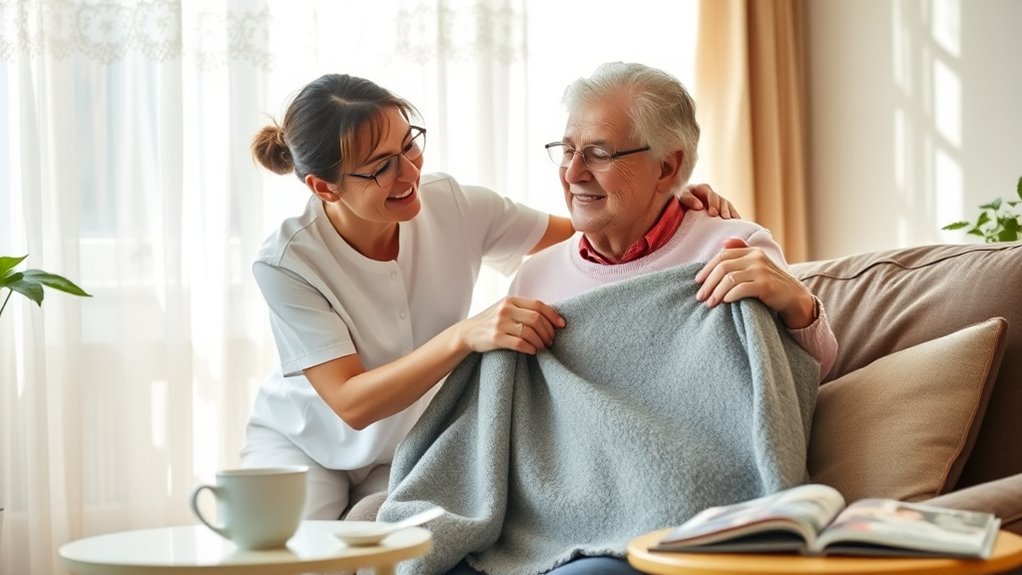
Personal stories from caregiving volunteers reveal powerful moments of connection and transformation. You’ll hear how offering compassionate care fosters deep empathy and creates life-changing experiences. Many volunteers describe feeling a renewed sense of purpose and fulfillment, especially when supporting patients through difficult days. These moments often lead to personal growth, developing patience, understanding, and appreciation for life’s fragility. Sharing these stories highlights the rewarding impact of making a tangible difference in patients’ comfort and dignity. Consider this glimpse into volunteer experiences:
| Moment of Connection | Challenge Overcome | Personal Growth Achieved |
|---|---|---|
| Comforting a patient in pain | Supporting during difficult days | Increased empathy and patience |
| Sharing a heartfelt conversation | Navigating emotional moments | Greater understanding of life |
| Providing end-of-life care | Managing personal emotions | Deepened compassion and resilience |
| Celebrating small victories | Ensuring dignity in final days | Enhanced appreciation for life |
| Building trust with patients | Facing challenging situations | Personal fulfillment and purpose |
Resources and Tips for Starting Your Volunteer Journey
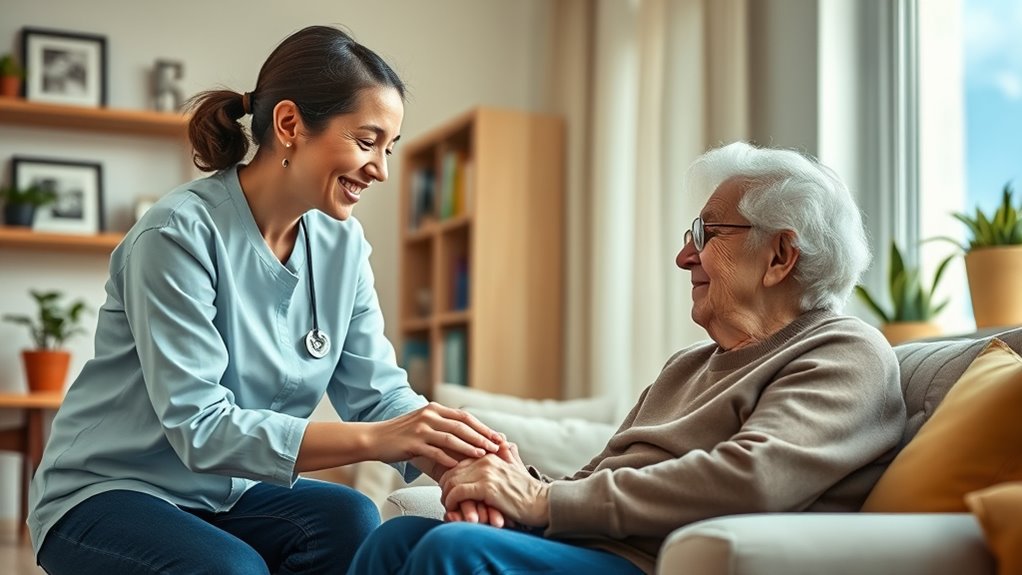
Getting started as a volunteer caregiver is easier when you identify opportunities that match your skills and interests.
Make sure to complete any required background checks and training to prepare yourself properly.
Connecting with support groups or mentors can also boost your confidence and help you stay motivated along the way.
Finding Suitable Opportunities
Are you wondering how to find the right caregiving volunteer opportunity for you? The key is to explore resources that match your interests and skills.
Many organizations, including hospitals, nonprofits, and community centers, actively seek volunteers for diverse roles. Use tools like local volunteer centers, online platforms, and AmeriCorps Seniors’ matching services to connect with opportunities nearby.
When searching, consider roles such as direct care, companionship, or administrative support, which suit different physical abilities and schedules.
To start, you can:
- Research local organizations offering caregiving opportunities
- Fill out interest forms on volunteer websites
- Attend informational sessions or orientation events
- Reach out directly to organizations that align with your care interests
Finding the right fit makes volunteering rewarding and impactful.
Preparing for Volunteering
Before you begin volunteering, it’s important to gather the right resources and prepare yourself effectively. Start by researching local organizations and their volunteer programs to find opportunities that match your skills and interests.
Completing any required training or orientation sessions is essential to understanding your responsibilities and expectations. Make sure you gather all necessary documentation, such as background checks, health clearances, or TB tests, which are often prerequisites for caregiving roles.
Additionally, developing key skills like communication, empathy, and patience can make a significant difference. You can enhance these skills through online resources or workshops.
Building Support Networks
Building a strong support network can considerably enhance your volunteer experience from the start. Connecting with experienced volunteers and organization staff provides mentorship, guidance, and ongoing encouragement. These relationships help you navigate challenges and stay motivated.
To build your support network, consider these tips:
- Use local community centers and websites like AmeriCorps Seniors to find suitable opportunities.
- Participate in community activities and events to expand your social connections.
- Maintain regular communication with fellow volunteers and coordinators.
- Seek mentorship opportunities to gain insights and advice from seasoned caregivers.
A well-established support network boosts your resilience, keeps you engaged, and makes your caregiving journey more rewarding. Starting early ensures you have the resources and encouragement needed to thrive as a volunteer caregiver.
Frequently Asked Questions
What Is a Benefit of Volunteering in a Healthcare Setting?
A benefit of volunteering in a healthcare setting is that you help reduce patient anxiety and improve their emotional well-being. By offering your time and support, you make patients feel more comfortable and cared for during difficult times.
Additionally, your involvement can create meaningful social connections, lessen feelings of loneliness, and give you a sense of purpose and fulfillment. This positive impact benefits both patients and volunteers like you.
What Does a Volunteer Caregiver Do?
Imagine you visit an elderly patient in a nursing home, offering companionship and listening to their stories. As a volunteer caregiver, you provide emotional support, help with daily tasks like reading or running errands, and give respite to family members.
You may also assist with activities tailored to their needs. Your role is flexible, focusing on kindness, patience, and understanding to improve their well-being and brighten their day.
What Are the Benefits of Being a Volunteer?
When you volunteer, you gain many benefits that enhance your life. You’ll experience improved mental health by lowering depression and anxiety through social interactions and purposeful activities.
Volunteering also boosts your physical health, encourages movement, and can even increase your lifespan.
Plus, helping others gives you a deep sense of fulfillment, gratitude, and personal growth.
It also helps you build strong community ties and expand your social network, making your life more meaningful.
Why Do I Want to Volunteer at a Nursing Home?
You want to volunteer at a nursing home because it allows you to make a real difference in residents’ lives. By offering your time and compassion, you help combat loneliness and bring joy to those who need it most.
It’s also a chance for you to develop valuable skills like patience and communication, while feeling a deep sense of fulfillment and connection. Ultimately, you’ll find purpose in giving back to your community.
Conclusion
Stepping into the world of caregiving is like planting a seed of kindness that blossoms into lasting change. Your time and compassion can light up someone’s darkest hours, creating ripples of hope across your community. With each act of service, you’re weaving a tapestry of connection and care that enriches both your life and theirs. Embrace this journey—your willingness to give can transform lives, including your own, in ways you never imagined.