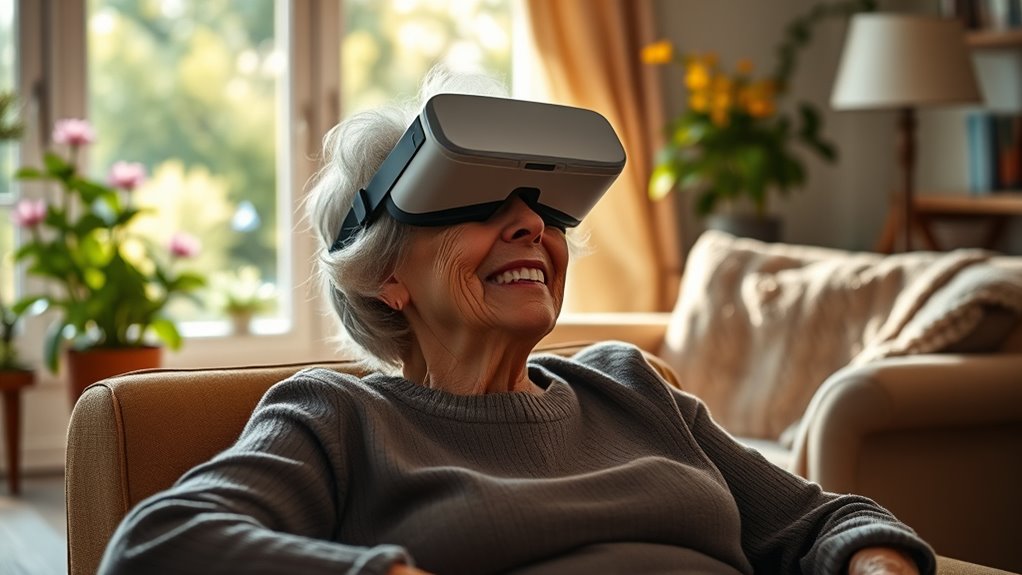

Using virtual reality for reminiscence therapy lets you immerse yourself in personalized, authentic environments that evoke meaningful memories and improve emotional well-being. With advanced VR headsets and sensory cues, you can revisit familiar places or significant life events, triggering positive emotions and strengthening memories. This innovative approach enhances engagement, reduces loneliness, and supports mental health. If you want to explore how VR creates these powerful experiences, there’s much more to discover ahead.
Key Takeaways
- VR recreates familiar environments with authentic details and sensory cues to stimulate memory recall and emotional engagement.
- Personalization of virtual scenes enhances relevance and emotional connection, improving therapy effectiveness.
- VR technology, including headsets and haptic devices, creates immersive experiences that promote mental and emotional well-being.
- It helps reduce loneliness, anxiety, and depression by reactivating positive memories and encouraging social interaction.
- Ongoing advancements aim to make VR reminiscence therapy more realistic, accessible, and impactful for diverse patient needs.
The Concept Behind VR-Based Reminiscence Therapy
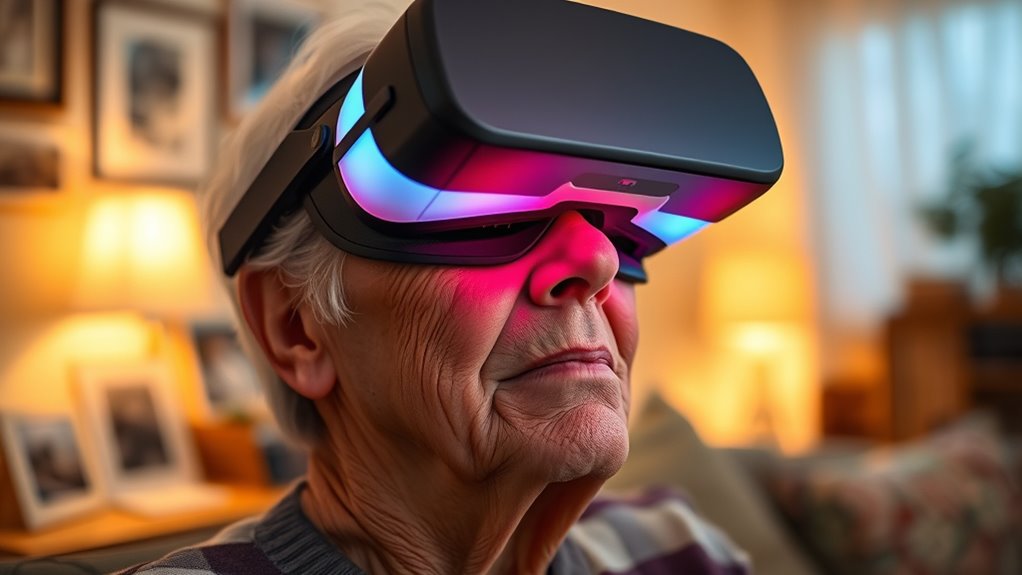
Virtual reality (VR)-based reminiscence therapy leverages immersive technology to help individuals revisit past experiences and memories. It creates a simulated environment that feels real, allowing you to step back in time and engage with familiar places, objects, or scenes from your past. This approach taps into your brain’s natural ability to recall memories through vivid visual and auditory cues. Unlike traditional methods, VR offers a personalized and controlled setting, making it easier to access specific memories without external distractions. The goal is to stimulate your mind and evoke feelings associated with meaningful moments, which can be particularly beneficial for those experiencing memory decline or emotional distress. By immersing yourself in these environments, VR aims to reconnect you with your personal history in a powerful, engaging way. Additionally, incorporating high-quality visuals such as projector technology can enhance the realism and immersion of the virtual experience. Utilizing immersive environments further amplifies the effectiveness by creating a more authentic and emotionally resonant experience. The integration of advanced display systems can also improve the clarity and detail of the virtual scenes, enriching the overall experience. Moreover, understanding the state-specific regulations around VR therapy can help ensure safe and effective implementation. Incorporating sensory stimulation techniques can also enhance the emotional impact and effectiveness of the therapy sessions.
How Virtual Reality Enhances Emotional Well-Being
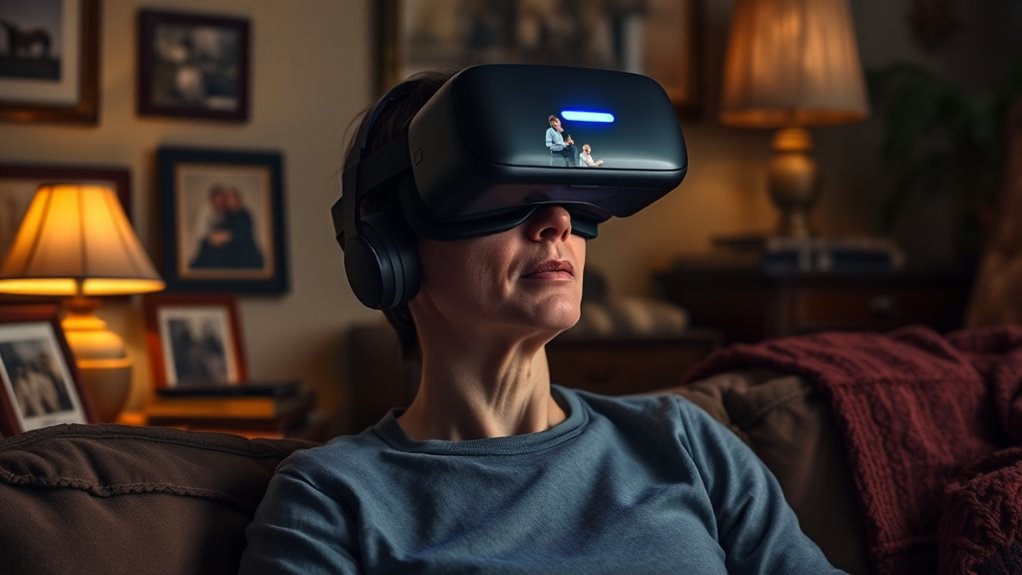
By immersing yourself in carefully crafted virtual environments, VR-based reminiscence therapy can markedly boost emotional well-being. It helps you reconnect with positive memories, reducing feelings of loneliness and depression. As you explore familiar places, your mood lifts, and a sense of comfort grows. You might find yourself smiling at scenes that evoke warmth and nostalgia. Virtual reality also provides a safe space to process difficult memories, promoting emotional resilience. The immersive experience can foster feelings of accomplishment and joy, reinforcing your sense of identity. Imagine revisiting a childhood home, strolling through a cherished park, or sharing a family gathering—all designed to evoke happiness and soothe anxiety. These experiences help you feel more connected, valued, and emotionally balanced. Additionally, incorporating sound design techniques from trailer music can heighten emotional responses and deepen the immersive experience. Engaging with immersive technology further enhances the therapeutic potential by creating more realistic and emotionally impactful environments. Incorporating evidence-based practices ensures that the therapy aligns with proven mental health strategies, maximizing its effectiveness. Recognizing the importance of personalized content can further tailor the virtual environments to individual memories and preferences, increasing therapeutic impact. Incorporating specialized hardware can also improve comfort and accessibility, making the therapy more effective for diverse users.
Key Technologies and Devices Used in VR Reminiscence

To create immersive and effective VR reminiscence experiences, developers rely on a range of advanced technologies and devices. Headsets like Oculus Quest or HTC Vive deliver high-quality visuals and spatial audio for realism. Motion controllers track your movements, enabling interaction with virtual environments. Eye-tracking improves immersion and can tailor content to your focus. Creativity can be cultivated by anyone, regardless of skill level, which allows for innovative ways to enhance user engagement and personalization. Below is a comparison of key devices:
| Device Type | Function |
|---|---|
| VR Headsets | Display immersive 3D environments |
| Motion Controllers | Enable interaction and navigation |
| Eye-Tracking Devices | Enhance realism and adapt content |
| Haptic Feedback Devices | Provide tactile sensations for immersion |
These technologies work together to create compelling, memory-triggering experiences.
Designing Effective Virtual Environments for Memory Recall

To create effective virtual environments for memory recall, you need to focus on authentic environmental details that resonate with users’ personal experiences. Personalization and context are vital, as they help trigger stronger memories and emotional connections. By carefully tailoring these elements, you can enhance the therapy’s impact and make the experience more meaningful. Incorporating sensory cues like familiar sounds or scents can further improve environmental authenticity and deepen the reminiscence experience. Additionally, understanding the importance of energetic alignment can help in designing environments that foster positive emotional responses and support mental well-being. Recognizing the significance of cultural relevance can also enhance the engagement and relatability of virtual environments, making reminiscence therapy more effective. Regular exposure to these tailored environments may also promote collagen production, leading to more vibrant and resilient memories over time.
Authentic Environmental Details
Creating authentic virtual environments is essential for effective reminiscence therapy because it helps trigger genuine memories. When designing these environments, focus on including specific details that mirror real-life settings from the past. These details could be subtle, yet powerful enough to evoke emotional responses and memories. For example, consider the sights, sounds, and textures that define a place. Incorporate elements like familiar furniture, vintage signage, or a specific scent associated with that time. These authentic touches deepen immersion and make the experience more meaningful. By paying close attention to environmental authenticity, you help users reconnect with their memories more vividly and authentically.
- A cozy living room with a crackling fireplace and old family photos
- The aroma of freshly baked bread wafting through a bakery scene
- The distant hum of a streetcar passing by a neighborhood storefront
Personalization and Context
Personalization and context elevate virtual environments from generic recreations to meaningful triggers for memory recall. When designing these environments, you should incorporate personal details that resonate with the individual’s life experiences, such as familiar places, objects, or routines. This tailored approach helps activate deeper memories by creating a sense of familiarity and relevance. Context is equally important; understanding the person’s background allows you to craft scenes that reflect their unique history and cultural background. By combining personalized elements with accurate context, you foster emotional connections and enhance the therapy’s effectiveness. Ultimately, this targeted approach makes the virtual experience more engaging and meaningful, increasing the likelihood of successful memory retrieval and emotional response.
Benefits for Individuals With Cognitive Impairments
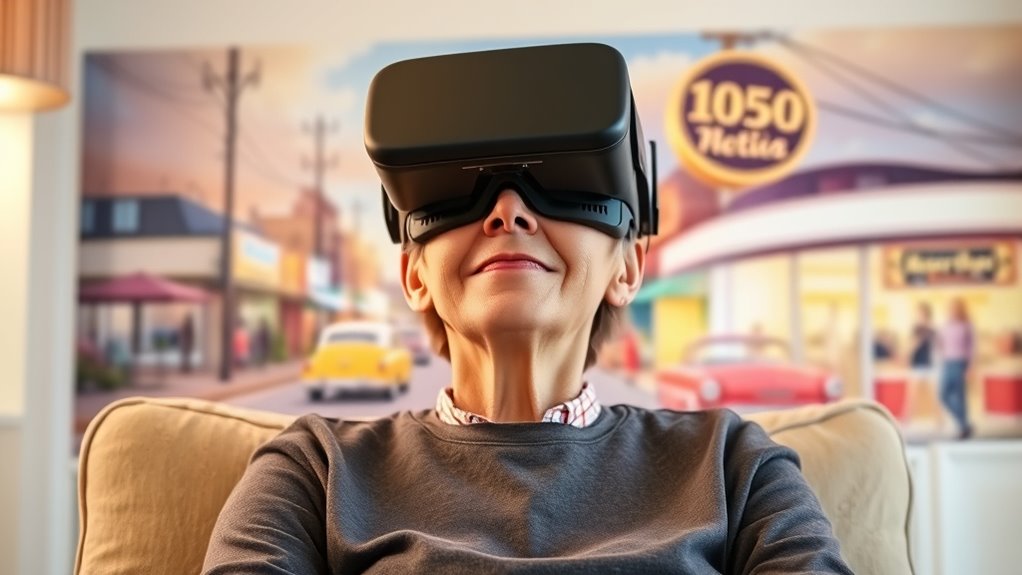
Virtual reality can considerably improve memory recall for individuals with cognitive impairments, helping them reconnect with meaningful experiences. It also boosts emotional well-being by providing engaging and comforting environments. Additionally, VR encourages social interaction, reducing feelings of isolation and fostering connections with others. Moreover, empowering families with accessible tools like VR can enhance overall caregiving and support strategies. Recognizing the significance of angel number soulmate patterns can also inspire hope and positive outlooks during therapy. Drawing from the historical use of seeds like chia, which were valued for their nourishing and restorative properties, VR can similarly serve as a therapeutic resource that promotes resilience and well-being in modern mental health practices. Understanding the importance of real couples in relationships can help tailor immersive experiences that reinforce social bonds and emotional support. Incorporating vibrational energy principles from the Law of Attraction may further enhance the effectiveness of VR therapy by aligning emotional states with desired outcomes.
Enhances Memory Recall
When used effectively, virtual reality can considerably boost memory recall in individuals with cognitive impairments. It immerses you in familiar environments, triggering past experiences and strengthening neural connections. This sensory engagement helps access memories that might otherwise remain distant. As you explore virtual scenes, your brain actively retrieves associated memories, reinforcing cognitive pathways. Imagine walking through a childhood neighborhood, smelling familiar scents, or hearing old songs. This vivid stimulation creates a powerful link between senses and memories. The immersive quality helps overcome barriers to recall, making it easier to remember personal stories and details. With consistent use, VR can become a valuable tool for revitalizing fading memories, offering a more engaging way to reconnect with the past and improve mental agility.
- Walking through a childhood home
- Listening to familiar music
- Seeing cherished photographs
Promotes Emotional Well-being
Engaging with virtual reality can considerably boost emotional well-being in individuals with cognitive impairments. It offers immersive experiences that evoke positive memories, reducing feelings of loneliness and depression. When you explore familiar places or revisit cherished moments, it creates a sense of comfort and happiness. Virtual reality can also help manage anxiety by providing calming environments tailored to your needs. As you engage with these soothing virtual settings, your mood improves, and you feel more connected to your past. This emotional uplift can enhance your overall quality of life and help you better cope with daily challenges. By fostering positive emotions, virtual reality becomes a valuable tool in promoting mental health and emotional resilience among individuals with cognitive impairments.
Encourages Social Interaction
By fostering positive emotions and reducing feelings of loneliness, virtual reality creates opportunities for social interaction among individuals with cognitive impairments. It allows you to connect with loved ones, caregivers, or peers in immersive environments that stimulate conversation and shared experiences. Imagine participating in a virtual family reunion, reminiscing about past holidays, or exploring familiar places together. These interactions can boost confidence and encourage communication. Virtual reality also facilitates group activities, where multiple users engage simultaneously, strengthening social bonds. Visualize sitting with friends in a virtual garden, reminiscing about old times, or exploring a childhood neighborhood. This shared experience helps reduce isolation, promotes engagement, and nurtures a sense of community among individuals with cognitive challenges.
Challenges and Ethical Considerations in VR Therapy
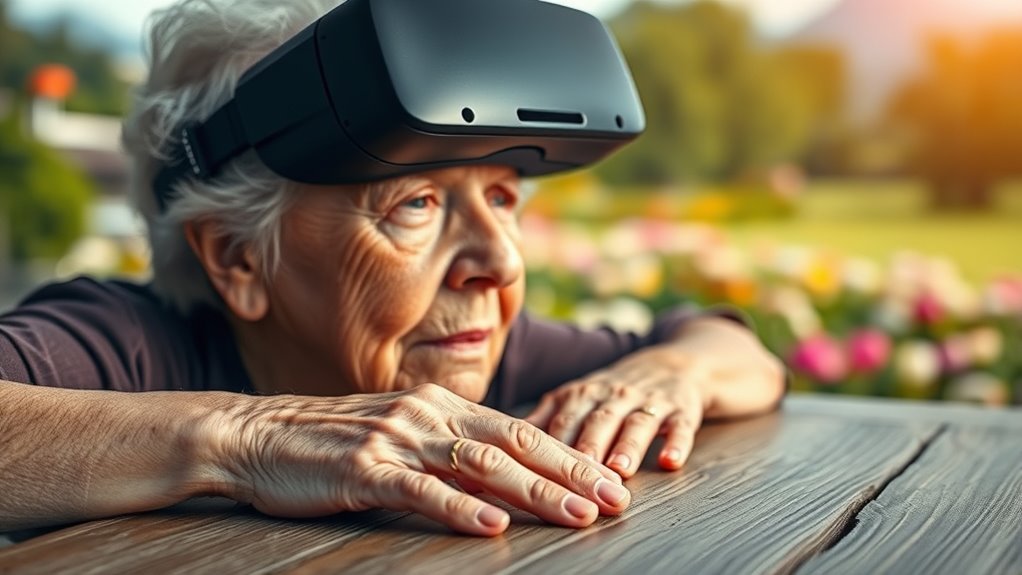
Despite its promising potential, VR therapy faces significant challenges and ethical concerns that must be addressed. You need to contemplate issues like user safety, such as motion sickness or disorientation, which can affect comfort and well-being. Privacy is another concern, as VR often collects sensitive data about users’ behaviors and responses, raising questions about consent and data security. Additionally, there’s the risk of emotional distress if simulations trigger traumatic memories without proper support. Ethical considerations also include ensuring accessibility for all users, avoiding dependency, and preventing over-reliance on virtual environments at the expense of real-world interactions. Furthermore, understanding the importance of cookie categories helps in managing user data and consent effectively. Addressing these challenges requires careful planning, clear guidelines, and ongoing evaluation to ensure VR therapy remains beneficial and ethically sound. For example, considering user safety and implementing protocols can mitigate risks associated with disorientation and discomfort during sessions. Moreover, integrating best practices in data protection can help safeguard user privacy and build trust in virtual therapies. Recognizing the impact of automation in healthcare can also inform how VR tools are integrated into therapeutic settings to enhance safety and efficacy.
Integrating VR Into Existing Care Programs
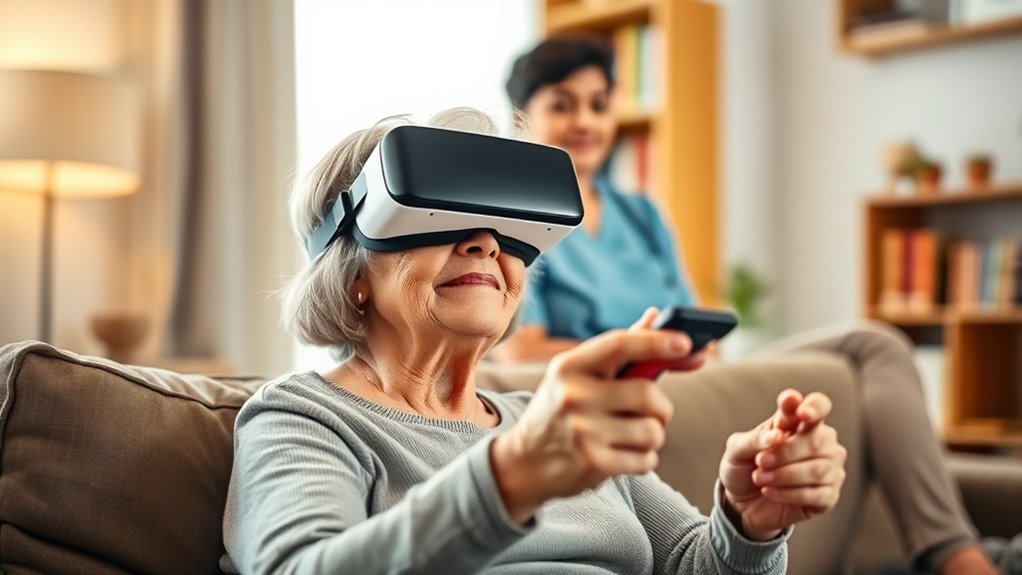
Successfully integrating VR into existing care programs requires careful planning to guarantee it complements traditional therapies without disrupting established routines. You’ll need to assess your current workflow and identify where VR can enhance, not replace, existing activities. Training staff is essential to ensure they feel confident using the technology seamlessly. You should also involve caregivers and patients in the process to gather feedback and address concerns early on. Imagine:
Carefully plan VR integration to enhance routines without disrupting established care practices.
- A familiar room with a VR headset seamlessly added to the therapy corner
- Staff smoothly guiding residents through immersive experiences
- Residents engaging in reminiscence activities with ease and comfort
Future Directions and Innovations in VR Reminiscence
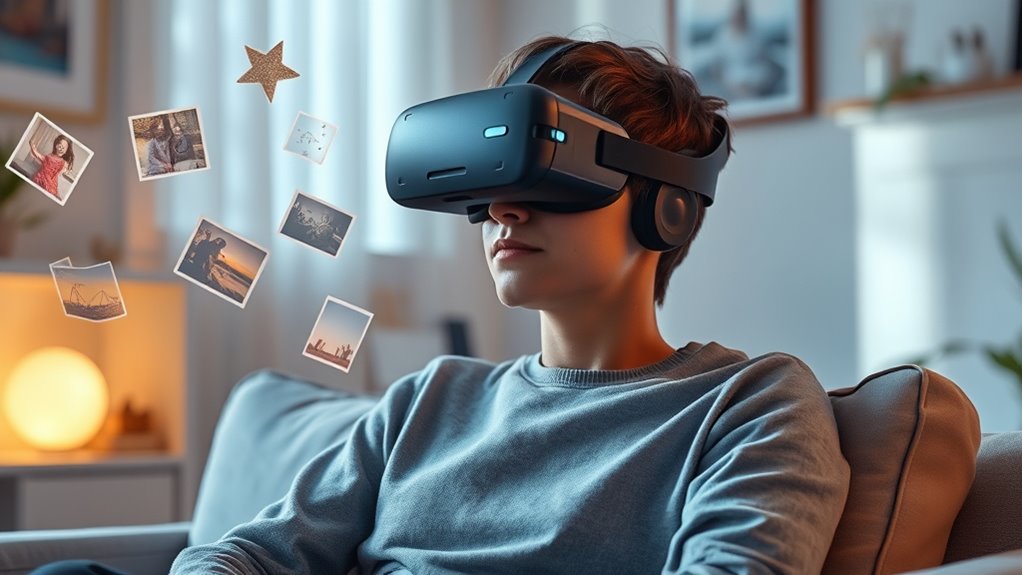
As technology continues to advance, the future of VR reminiscence therapy promises exciting innovations that will deepen emotional connections and personalize experiences. Expect more realistic environments, adaptive content based on user preferences, and AI-driven interactions that respond to emotional cues. These advancements will make therapy more immersive and tailored to individual histories. Additionally, integration with biofeedback devices could enable real-time adjustments, enhancing engagement and comfort. Imagine exploring a childhood home or reliving a special event with vivid detail. Here’s a glimpse of potential innovations:
| Innovation | Benefit | Impact |
|---|---|---|
| Hyper-realistic Graphics | Increased immersion | Stronger emotional responses |
| AI Personalization | Tailored experiences | Improved engagement |
| Biofeedback Integration | Adaptive therapy sessions | Higher comfort and effectiveness |
| Multi-sensory Environments | Richer sensory stimulation | Enhanced reminiscence depth |
Success Stories and Patient Experiences
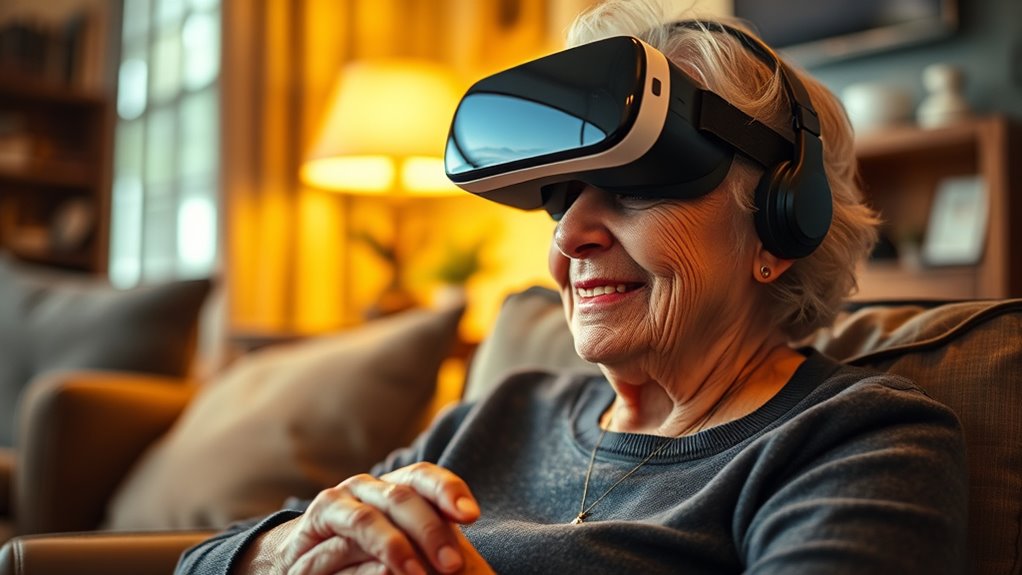
Real-life stories highlight how advancements in VR reminiscence therapy are transforming patient experiences. Many individuals, once withdrawn or disconnected, now find joy and renewed purpose through immersive virtual environments. You might see a patient smiling as they revisit their childhood home or walk through a bustling market from decades ago. These moments foster emotional healing and boost confidence. As their eyes light up, you realize how powerful this technology is. Patients often share feelings of nostalgia, comfort, and even surprise at how vividly they recall memories. VR creates a bridge to the past, making memories more accessible and meaningful. This approach truly enhances quality of life and rekindles forgotten connections. It’s inspiring to witness these heartfelt transformations firsthand.
Frequently Asked Questions
How Cost-Effective Is VR Reminiscence Therapy for Care Facilities?
You’re wondering how cost-effective VR reminiscence therapy is for care facilities. While initial setup costs can be high, you might find that it reduces long-term expenses by improving residents’ mental health and decreasing reliance on medication or traditional therapy. VR can also save time for staff and enhance residents’ engagement. Over time, these benefits could outweigh initial investments, making it a promising, cost-efficient option for your facility.
What Training Is Required for Therapists to Implement VR Sessions?
Did you know that over 80% of therapists find VR training highly effective? To implement VR sessions, you need specific training in operating VR equipment, selecting appropriate content, and ensuring patient safety. You’ll also learn how to tailor experiences to individual needs and handle technical issues. This training typically involves hands-on workshops, tutorials, and ongoing support, helping you confidently integrate VR into your therapeutic practice.
Are There Any Known Long-Term Effects of VR Reminiscence Therapy?
You’re wondering if there are long-term effects of VR reminiscence therapy. Currently, research is limited, but some studies suggest potential benefits like improved mood and cognitive function. However, there’s also concern about possible negative effects, such as VR-induced disorientation or emotional distress over time. As technology evolves, ongoing research will clarify these impacts, so stay informed and monitor any changes in your patients’ well-being during and after therapy.
How Do Different Cultural Backgrounds Influence VR Content Design?
Did you know that over 60% of users feel more engaged when cultural elements are included in VR experiences? When designing VR content, you should consider different cultural backgrounds because they shape people’s perceptions, memories, and comfort levels. You need to tailor visuals, narratives, and interactions to reflect diverse traditions and values. This personalized approach makes the experience more meaningful, respectful, and effective for users from varied cultural backgrounds.
What Are the Best Practices for Assessing Patient Readiness for VR Therapy?
When evaluating patient readiness for VR therapy, you should start by assessing their cognitive and physical abilities, ensuring they can tolerate VR experiences. Engage them in conversations about their comfort with technology and previous exposure to similar tools. Observe their reactions during initial sessions, and ask for feedback to identify any discomfort or anxiety. Tailor your approach based on their responses, ensuring they feel safe and confident before progressing further.
Conclusion
Imagine stepping into a vivid memory, where colors and sounds surround you like an old photograph brought to life. VR reminiscence therapy creates this doorway, rekindling joy and connection. As you explore these immersive worlds, you’re not just recalling moments—you’re rewriting your emotional landscape. This technology offers hope, turning memories into bridges that restore well-being, one virtual journey at a time. Embrace the future of healing through the power of virtual reality.