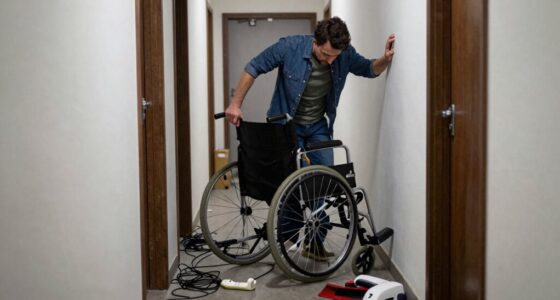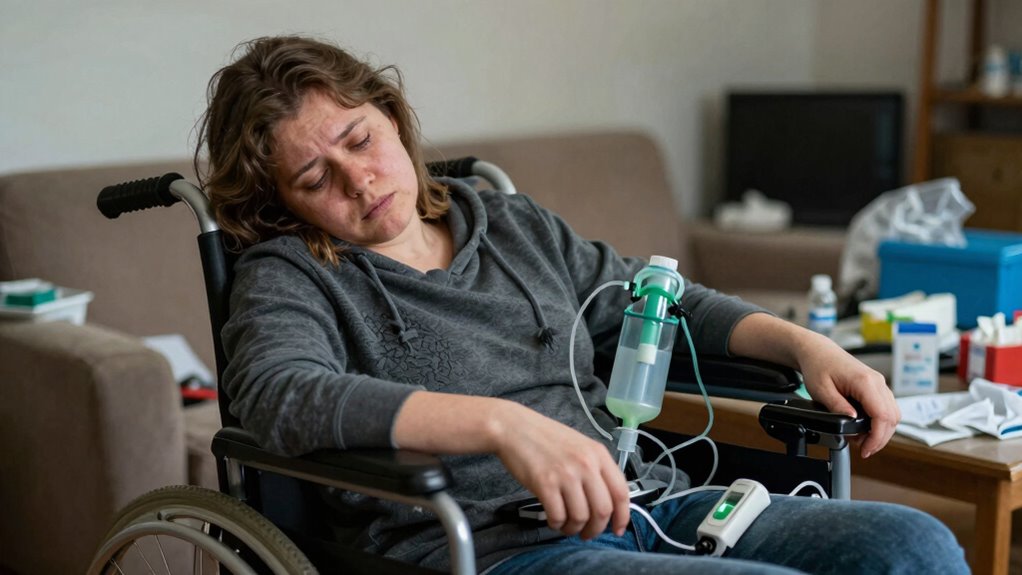

Caregiver fatigue can markedly increase your risk of misusing equipment, leading to safety concerns for both you and those you care for. When you’re tired, your judgment, reaction time, and focus suffer, making mistakes more likely. Signs of exhaustion include irritability, headaches, and feeling overwhelmed. To stay safe, take regular breaks, manage stress, and use checklists. Keep uncovering helpful strategies to prevent equipment errors when fatigue strikes and protect everyone involved.
Key Takeaways
- Fatigue impairs judgment and attention, increasing the risk of improper equipment use and safety errors.
- Exhausted caregivers are more prone to rushing, skipping safety steps, and misusing assistive devices.
- Recognizing signs of fatigue early helps prevent dangerous equipment mishandling and accidental injuries.
- Implementing regular breaks and stress management strategies reduces fatigue-related equipment errors.
- Proper training and support are vital to ensure safe equipment use, especially when caregivers are fatigued.
Understanding How Fatigue Affects Caregiver Safety
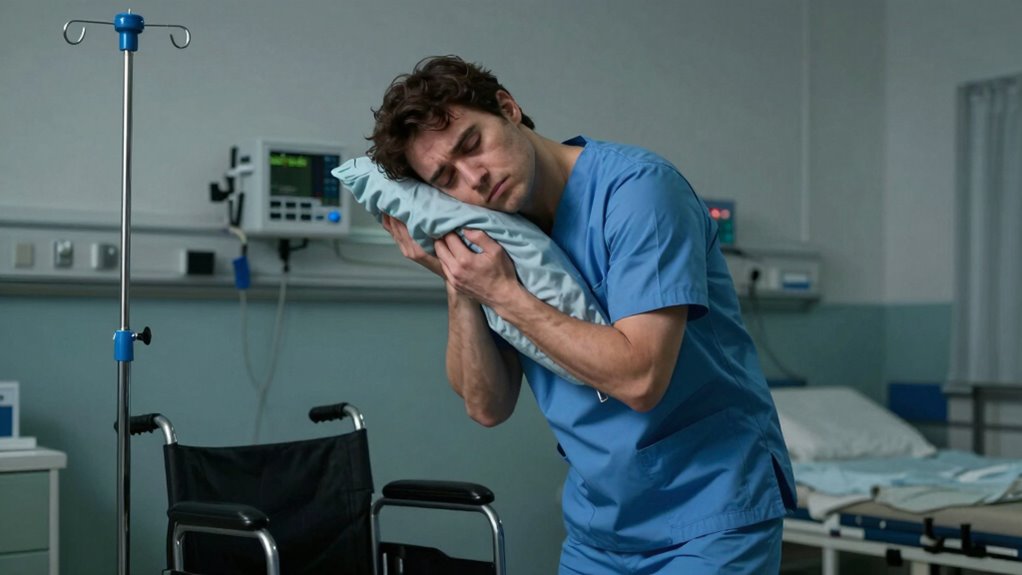
When caregivers are tired, their ability to perform tasks safely decreases substantially. Fatigue impairs judgment, slows reaction times, and compromises attention to detail, increasing the risk of equipment misuse. To protect both caregivers and those they care for, burnout prevention and stress management are essential. Regular breaks, adequate sleep, and balanced workloads help reduce exhaustion. Incorporating stress management techniques, like deep breathing or mindfulness, can also improve focus and decision-making. Recognizing that fatigue affects safety emphasizes the importance of prioritizing self-care. When you actively manage stress and prevent burnout, you’re better equipped to handle caregiving tasks confidently and safely, minimizing the chances of mistakes and ensuring a safer environment for everyone involved. Understanding how modern technology can support caregiver well-being can further aid in reducing fatigue-related risks. Additionally, utilizing health monitoring devices can provide real-time feedback on your health status, alerting you to signs of overexertion before they become critical, which is especially important given the potential for wave and wind conditions to further challenge caregiver safety. Implementing smart safety tools can offer additional support by assisting caregivers in maintaining safe practices during demanding situations. Furthermore, integrating calibration and proper equipment use into training can help prevent errors caused by fatigue and unfamiliarity with devices.
Recognizing the Signs of Caregiver Exhaustion

Caregiver exhaustion often sneaks up on you, making it hard to notice until it substantially impacts your well-being and performance. You might feel overwhelmed, irritable, or emotionally drained, signaling reduced emotional resilience. Fatigue can also cause you to lose focus or make careless mistakes, especially when managing time and responsibilities. Pay attention to persistent physical symptoms like headaches or muscle tension, as well as emotional signs such as anxiety or mood swings. Recognizing these signs early helps you address exhaustion before it leads to poor equipment use or safety risks. Improving your time management skills allows you to carve out moments for rest and self-care, preserving your emotional resilience and keeping you alert and effective in caregiving. Implementing cybersecurity practices can also help protect sensitive information related to caregiving and health data, reducing additional stress.
Common Equipment Mistakes When You’re Tired
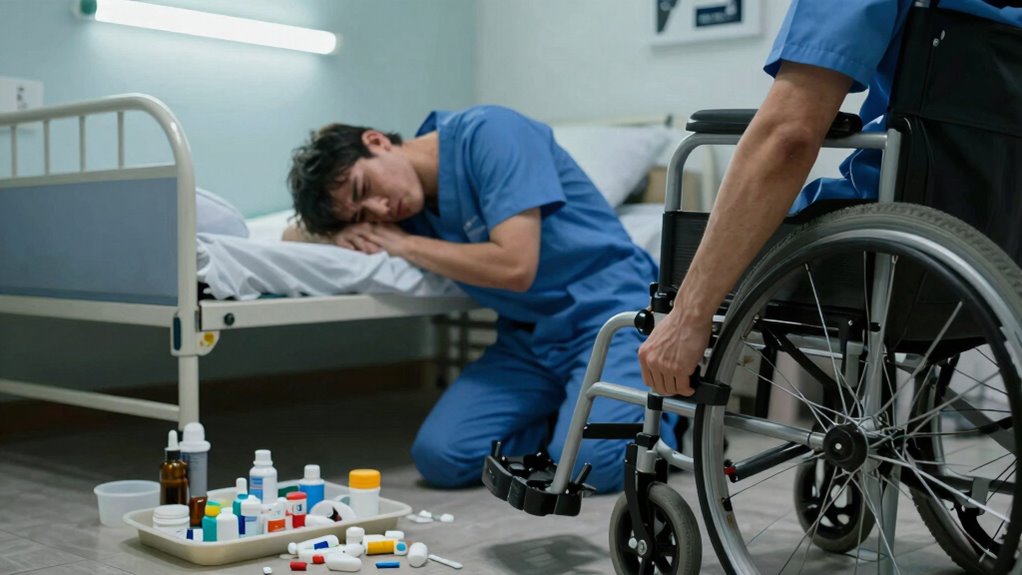
Tiredness can considerably increase the risk of making mistakes with caregiving equipment, which can compromise safety for both you and the person you’re caring for. One common mistake is misusing an assistive device, like improper positioning or applying too much force, which can cause injury. Fatigue may also cause you to overlook details, such as neglecting to check the ergonomic design of tools, leading to awkward postures or strain. Using equipment without considering ergonomic design can increase fatigue and the chance of errors. It’s easy to rush or skip steps when you’re exhausted, but doing so can result in unsafe handling or improper use. Staying alert and attentive helps ensure you use assistive devices correctly, maintaining safety and reducing the risk of accidents. Understanding ergonomic principles can help caregivers select and use equipment more safely, especially when fatigue sets in. Additionally, being aware of ergonomic design principles can assist in choosing equipment that minimizes strain and enhances safety during use. Recognizing proper technique and taking regular breaks are also crucial in preventing fatigue-related mistakes and maintaining optimal safety. Incorporating safe handling practices into routine caregiving can further reduce the risk of errors during moments of fatigue. Paying attention to body mechanics can also help prevent injuries caused by improper use of equipment.
Practical Tips to Prevent Equipment Errors When Fatigued

To prevent equipment errors when you’re fatigued, staying proactive is key. Make sure to take regular rest breaks to recharge and clear your mind. Short pauses during your shift can help you stay alert and focused, reducing mistakes. Practice stress management techniques like deep breathing or quick stretches to keep your stress levels in check, which can impair decision-making. Keep a checklist nearby to verify equipment setup and usage, especially when you’re feeling tired. Prioritize tasks based on urgency, and don’t hesitate to ask for help if you’re overwhelmed. Recognizing your limits and addressing fatigue early can prevent errors that compromise safety. Being aware of your hair types and styling needs can also help you choose the most appropriate tools and techniques, reducing the likelihood of mistakes. By incorporating these habits, you protect both yourself and the person you’re caring for.
Resources to Help Reduce Caregiver Fatigue and Promote Safety
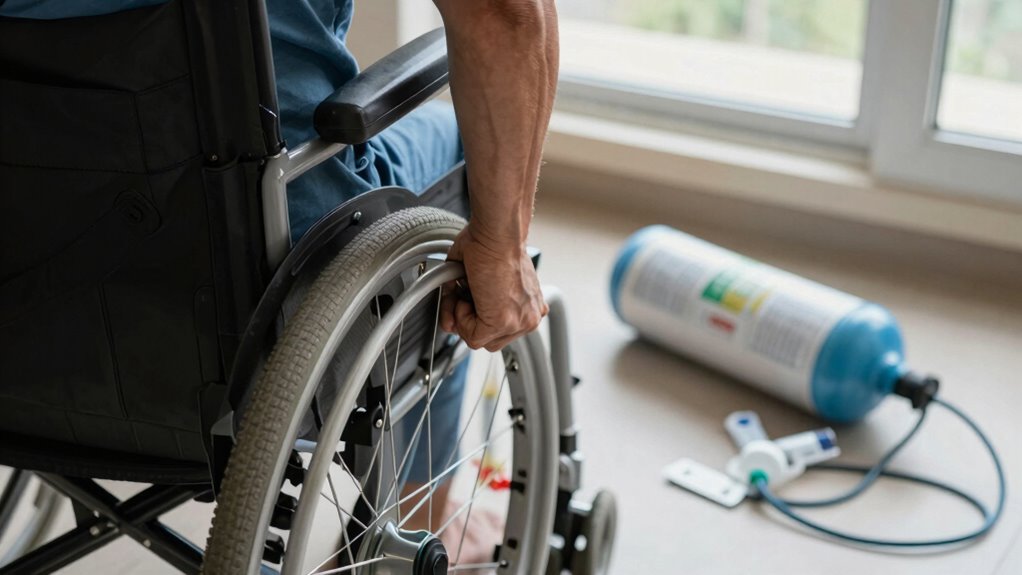
Accessing the right resources can make a significant difference in managing fatigue and maintaining safety. Building caregiver resilience is key, and various tools can help you stay strong. Stress management techniques like mindfulness, deep breathing, or taking short breaks can reduce burnout. Support groups or counseling provide emotional relief and practical advice. Educational programs teach proper equipment use and safety strategies. Additionally, respite care offers temporary relief, preventing exhaustion. Utilizing caregiver training programs can enhance safety and confidence in equipment use. Developing a comprehensive caregiving plan tailored to your needs can further improve safety and reduce stress. Regularly reviewing and updating your caregiving strategies ensures you adapt to changing needs and avoid burnout. Incorporating preventive safety measures can further protect both caregivers and care recipients. Engaging in caregiver self-care practices, such as exercise or hobbies, can also bolster resilience and reduce fatigue. Use the following table to explore helpful resources:
Frequently Asked Questions
How Does Caregiver Fatigue Impact Long-Term Patient Safety?
When you’re fatigued, your ability to focus and react quickly diminishes, directly impacting patient safety. Over time, this increases the risk of errors, accidents, and improper equipment use, jeopardizing long-term patient well-being. Fatigue hampers your judgment, making risk management more difficult. To guarantee ongoing safety, it’s vital to recognize signs of fatigue, take breaks, and follow protocols that protect both you and your patients.
What Emotional Effects Does Caregiver Exhaustion Often Cause?
You might feel emotional burnout, where persistent exhaustion leaves you overwhelmed and detached. This often triggers caregiver guilt, making you doubt if you’re doing enough or doing it right. As fatigue deepens, mood swings, irritability, and sadness can take hold, affecting your mental health. Recognizing these feelings helps you understand how exhaustion impacts your emotional well-being, so you can seek support and prevent further emotional strain.
Are There Specific Training Programs to Address Fatigue-Related Equipment Misuse?
Yes, there are specialized training programs focused on fatigue management and proper equipment use. These programs teach you how to recognize signs of fatigue, prevent equipment misuse, and maintain safety. By participating, you’ll learn practical techniques to manage your energy levels and operate devices correctly, reducing risks. This training empowers you to care effectively while minimizing danger, ensuring both your safety and that of those you care for.
How Can Technology Assist in Reducing Caregiver Fatigue and Errors?
Technology can help reduce caregiver fatigue and errors through remote monitoring and automated alerts. You can monitor patient conditions in real-time, which decreases the physical and mental workload. Automated alerts notify you instantly of any issues, allowing for quick responses without constant supervision. This reduces stress and prevents mistakes, ensuring safer care. Embracing these tools helps you stay alert and efficient, ultimately improving patient outcomes and easing caregiver burden.
What Are the Legal Implications of Equipment Misuse Due to Fatigue?
Think of legal liability as a tightrope you walk; misusing equipment due to fatigue can cause a fall. You could face malpractice risks and legal consequences if your errors harm a patient. Courts may hold you responsible for negligence, especially if fatigue impairs your judgment. It’s vital to recognize signs of burnout and guarantee proper training and support, so you don’t jeopardize patient safety or your legal standing.
Conclusion
Remember, your energy is the compass guiding safe care. When exhaustion clouds your judgment, even the simplest tool can become a hazard—like a fragile glass slipping from your grasp. Prioritize your well-being, recharge when needed, and stay vigilant. By tending to your own safety, you protect the one you care for. Keep your light steady, and avoid letting fatigue turn your care into a risky dance with danger.