
Note: This interview was originally published on ID-Times.
Andrew Mercal (ID-Times): Welcome, Ethel, and thank you for joining us today. To start off, could you share a bit about your journey and what inspired you to get involved in caregiver support?

Ethel Shepherd (Editor in Chief, Caregiver Support Network): Thank you, Andrew. My journey began many years ago when I became a caregiver for a close family member. That personal experience opened my eyes to the immense challenges and the often-overlooked emotional toll of caregiving. I saw firsthand how vital support, accurate information, and a sense of community were for caregivers. This inspired me to create a network where caregivers could access resources and connect with others who truly understand their unique struggles.
Andrew Mercal: That’s a powerful motivation. What are some of the most common challenges you’ve heard from seasoned caregivers?
Ethel Shepherd: Seasoned caregivers often talk about the physical and emotional burnout that comes from the constant demands of caregiving. They also highlight challenges such as navigating complex healthcare systems, managing legal and financial concerns, and, importantly, finding time for self-care. Many feel isolated, and that’s why building a supportive community is at the core of what we do.
Andrew Mercal: In your experience, how does sharing stories among caregivers help in addressing these challenges?
Ethel Shepherd: Sharing stories creates a bridge of empathy and understanding. When caregivers hear experiences from those who have navigated similar hardships, it reassures them that they’re not alone. These shared narratives offer practical insights, coping strategies, and emotional validation. It’s incredibly empowering for someone to realize that their struggles have been encountered—and often overcome—by others.
Andrew Mercal: Can you share an example of a seasoned caregiver story that really stands out?
Ethel Shepherd: Absolutely. One story that resonates deeply is that of a long-time caregiver who, despite years of relentless care, found strength in a local support group. Initially overwhelmed by the isolation and exhaustion, this caregiver gradually learned to delegate responsibilities and carve out time for self-care. Their journey from burnout to empowerment is a testament to the transformative power of community support and resource-sharing. It encapsulates the mission of our network perfectly.
Andrew Mercal: How do you see the role of technology and online platforms in connecting caregivers?
Ethel Shepherd: Technology has been a game-changer. Online platforms break down geographical barriers, allowing caregivers from diverse backgrounds to connect, share resources, and support each other. Forums, webinars, and virtual support groups offer flexible and immediate access to community and information. This digital connectivity not only combats isolation but also provides a space where caregivers can learn and adapt new strategies in real time.
Andrew Mercal: What role does the Caregiver Support Network play in facilitating these connections and resource-sharing?
Ethel Shepherd: At Caregiver Support Network, we strive to be a comprehensive hub for caregivers. Our platform offers a range of resources—from expert advice and practical caregiving tips to forums where individuals can share their personal stories. We curate content that addresses both the practical and emotional needs of caregivers. By doing so, we create an environment where seasoned caregivers can pass on their wisdom and newcomers can find a roadmap to manage their journey more effectively.
Andrew Mercal: How do you ensure that the resources you offer are both reliable and tailored to the evolving needs of caregivers?
Ethel Shepherd: We work closely with a diverse group of professionals—healthcare experts, legal advisors, and mental health specialists—to review and update our content regularly. Our editorial team, many of whom are caregivers themselves, ensures that the information is both empathetic and practical. We also listen to feedback from our community, which helps us fine-tune our offerings to address current challenges and emerging trends in caregiving.
Andrew Mercal: What advice would you give to caregivers who are just starting out on their journey?
Ethel Shepherd: I would say, “Start by acknowledging that you’re not alone.” Reach out, seek support, and never hesitate to ask for help—whether it’s through a trusted friend, a professional, or a support group. Also, invest in self-care. Remember, taking care of yourself isn’t a luxury; it’s a necessity. Even small steps toward managing stress or finding time for your own interests can make a huge difference in sustaining your caregiving journey.
Andrew Mercal: Finally, what future developments or initiatives is Caregiver Support Network looking forward to? As we aim to expand our services, we’re also focusing on integrating financial literacy resources for caregivers, which includes comprehensive guidance on navigating retirement plan and EIN requirements. Additionally, we are exploring partnerships with local organizations to offer workshops that address both emotional support and practical resources for caregivers. Our goal is to ensure that caregivers feel equipped and empowered to manage their responsibilities effectively.
Ethel Shepherd: We’re excited about expanding our digital offerings, including interactive webinars and live Q&A sessions with experts. We’re also looking to foster partnerships with local community organizations to create more in-person support opportunities. Our goal is to continually adapt and grow alongside the caregiving community, ensuring that every caregiver has access to the support and resources they need to thrive.
Andrew Mercal: Thank you, Ethel, for sharing these insights and for the incredible work you’re doing with the Caregiver Support Network. Your stories and dedication truly shine a light on the resilience of caregivers everywhere.
Ethel Shepherd: Thank you, Andrew. It’s been a pleasure sharing our mission. I hope our conversation inspires more caregivers to seek the support they need and feel empowered in their journey.
About Caregiver Support Network
Welcome to Caregiver Support Network, your trusted source for comprehensive caregiver resources and support. We understand the unique challenges and demands that come with caring for a loved one, and our mission is to empower caregivers with the tools, knowledge, and community necessary to navigate their journey with confidence and compassion.
Who We Are
We are a dedicated team of professionals, caregivers, and experts who have personally experienced both the joys and struggles of caregiving. This firsthand experience fuels our commitment to providing reliable information and much-needed support to caregivers everywhere. At Caregiver Support Network, we believe that no caregiver should ever feel alone in their journey.
Our Commitment
- Empowerment Through Knowledge: We offer a wide range of resources, from practical caregiving tips to guidance on legal, financial, and healthcare issues.
- Community and Connection: Our platform fosters a supportive community where caregivers can share their experiences, exchange advice, and find solace in knowing they’re not alone.
- Compassionate Support: Recognizing the emotional toll caregiving can take, we prioritize mental and emotional well-being through expert insights and peer support initiatives.
Join us as we strive to make a positive impact on the lives of caregivers, ensuring that every caregiver has the support and resources they need to thrive while caring for their loved ones.

Med Mart Fully Electric Hospital Bed Set - Foam Mattress, Half Rails Included - Enhanced Comfort, Convenience
✅ Please note: Your order arrives in 3 boxes, which may arrive on different days.
As an affiliate, we earn on qualifying purchases.

Careboda Premium 5 Function Full Electric Hospital Bed, Hospital Bed with PU Advanced Mattress, Quiet Wheels & IV Pole, ICU Electric Medical Bed with Core Motor, 85" x 41", 530lbs, Hospital & Home Use
Multi-function Adjustment: Our electric hospital bed, featuring five function adjustments: Back, Leg, Back & Leg Linkage, Trendelenburg, and...
As an affiliate, we earn on qualifying purchases.

Electric Hospital Bed for Home Use - Includes Foam Mattress, Half Rails - Adjustabe Medical Bed Set
Safer transfers at home: This full electric hospital bed adjusts from 15–23" for easier standing, dressing, and caregiving,...
As an affiliate, we earn on qualifying purchases.
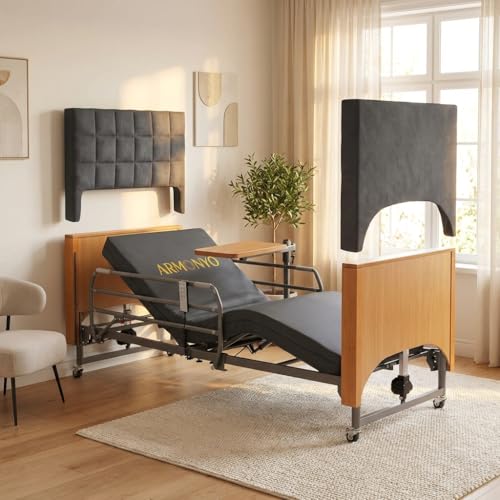
ARMONYO Electric Hospital Bed for Home Use - German LIMOSS Motor, Ultra-Low 8.5" Height, 5 Functions, Solid Wood & Upholstered Design with Table & Foldable Rails
DOUBLE SOLID WOOD PANELS WITH REMOVABLE UPHOLSTERED COVERS: Designed for home settings, this medical hospital bed features solid...
As an affiliate, we earn on qualifying purchases.