
TL;DR

Turn quiet afternoons into listening time
- Thousands of audiobooks, podcasts and originals
- Listen on your phone, tablet or Echo — also offline
- Cancel anytime
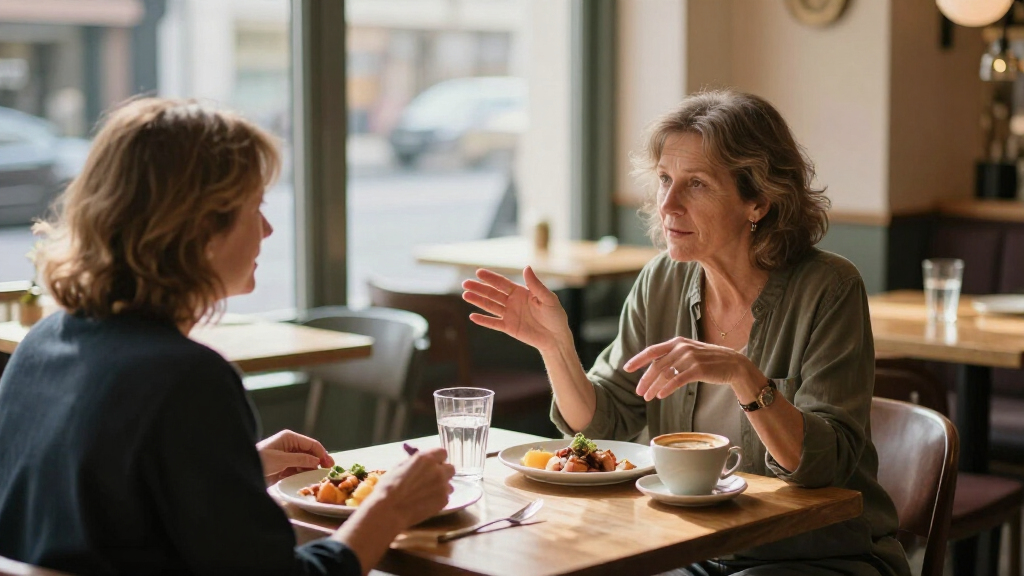
Sixty and Me published an advice essay describing nine ways married friends can support women who are single over 60. The author, a dating coach for women over 50, emphasizes listening, staying in contact, including friends in social plans and respecting their choices; the piece is personal guidance, not a survey or research report.
Sixty and Me has published an essay listing nine ways married friends can support women who are single over 60, including keeping in touch, inviting them to gatherings and listening without judgment. The author, who identifies herself as a dating coach for women over 50, frames the list as personal guidance about friendship and changing life circumstances, not as findings from a survey or study.
The essay describes how a friend’s relationship status can change after decades of being part of a couple. It says women may be dealing with dating, loss, downsizing and social change while also missing familiar friendships and routines. The author asks married friends to avoid assuming that a single friend is unhappy or needs to be quickly paired off.
Among the requests: encourage dating without predicting that marriage will follow, respect a friend’s choice of partner, and offer kindness if a relationship ends. The essay also urges readers not to criticize an ex-partner after a breakup, when the friend may still be hurt, and to make a direct call if they have not heard from her rather than checking through mutual acquaintances.
Other suggestions focus on inclusion and reciprocity. The author encourages invitations to holiday parties and shared dinners, including with a friend’s spouse, and asks married friends to continue regular get-togethers. She also acknowledges that a single friend may sometimes need to talk at length about what is happening, while stressing that the friendship should remain mutual and that single friends can also provide support.
How Friendship Can Change After 60
The essay addresses a practical concern for older adults: social routines can shift when someone is no longer part of a couple. Invitations designed around couples, infrequent contact or assumptions about dating can leave a friend feeling excluded, the author argues. Her proposed responses are everyday actions—calling, inviting, listening and respecting decisions—rather than attempts to solve a friend’s circumstances.
For readers, the piece offers a conversation starter about maintaining longstanding friendships through changes in relationships and household life. Its importance lies in the author’s perspective and recommendations; the source does not establish how common these experiences are or whether the suggestions have been tested more broadly.
conversation card games for older adults and friends
As an affiliate, we earn on qualifying purchases.
As an affiliate, we earn on qualifying purchases.
The article’s author describes herself as a dating coach for women over 50 and says she hears clients talk about missing the lives and friendships they shared while partnered. The essay turns those reported conversations into nine requests addressed to married friends. It is presented as first-person advice, with an invitation for readers to discuss their own experiences.
The source material does not provide a publication date, research data or responses from married readers. Its claims about what single women want should therefore be understood as the author’s perspective, rather than a representative account of all women over 60. The piece focuses on women and their friendships with married people; it does not claim to cover every experience of being single later in life.
What the Essay Does Not Establish
The source provides no survey, study or sample size, so it cannot show how widely the nine requests are shared among single women over 60. It also does not include responses from married friends or evidence about the effects of following the advice. The publication date is not included in the supplied material, and the author’s individual experiences and coaching conversations are not independently documented there.
It is also unclear how the suggestions apply across different circumstances, including people who are single by choice, widowed, divorced or separated. The essay offers recommendations, not a one-size-fits-all account of later-life friendship.
Questions for Friends to Discuss
The article closes by inviting readers to share how they feel around married friends and whether they find it awkward when a friend becomes single after 50. It asks readers to reflect on whether they can keep an open mind and accept a friend as she is now. No further reporting, research or follow-up is described in the supplied source.
Readers who use the essay as a prompt can ask a friend directly what kind of contact or invitations would feel welcome, rather than assuming. The author’s central recommendation is continued friendship: listen, make room for changed circumstances and allow support to flow in both directions.
Key Questions
What is the Sixty and Me article about?
It lists nine requests the author says married friends can consider when supporting women who are single over 60, including staying in touch, inviting them to social events and listening without judgment.
Who wrote the advice?
The essay’s author identifies herself as a dating coach for women over 50. The supplied source does not include her name.
Is the list based on research?
No research or survey is cited in the supplied material. It is presented as personal advice informed by the author’s coaching conversations, not as a representative study.
What does the author ask married friends to do?
She recommends keeping in contact, including single friends in gatherings, respecting their dating choices, offering support after breakups and making space for mutual friendship.
Source: rss
Cold & flu season Picks
humidifiers
As an affiliate, we earn on qualifying purchases.