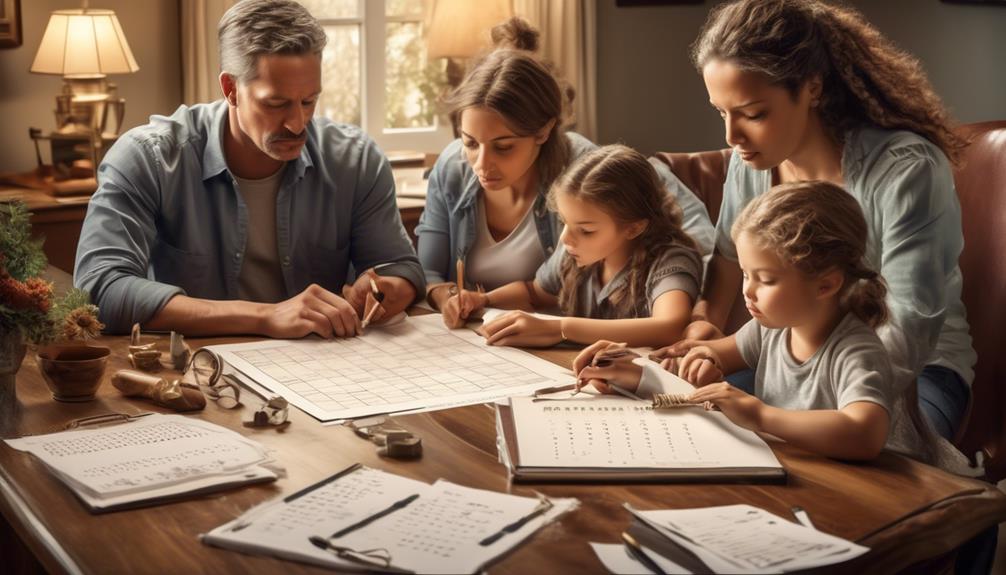
Reminiscence holds remarkable power to ignite conversations by connecting you with shared memories and personal stories. When you recall past experiences, you create opportunities for meaningful dialogue, deepening bonds and building empathy. Using familiar scents, photos, or songs can trigger these memories naturally. By incorporating storytelling, you turn simple chats into engaging exchanges. Stay with us to explore how you can harness reminiscence to make your conversations more vibrant and authentic.
Key Takeaways
- Reminiscence stimulates meaningful conversations by connecting past experiences with present dialogue.
- Sharing stories enhances emotional bonds and builds empathy among participants.
- Using sensory cues like scents or photos triggers memories, encouraging natural discussion.
- Open-ended questions and active listening validate memories, fostering trust and openness.
- Integrating storytelling into daily interactions creates a safe environment for sharing personal histories.

Reminiscence and conversation are deeply intertwined, serving as powerful tools for connection and understanding. When you recall past experiences, you create natural opportunities for dialogue that can deepen relationships and foster empathy. Memory triggers, such as a familiar scent, a photograph, or a certain song, act as catalysts that bring these memories to the forefront, making it easier to start meaningful conversations. Recognizing these triggers allows you to guide the discussion smoothly, turning a simple remark into a shared exploration of the past.
Recalling past experiences through memory triggers fosters meaningful conversations and deeper connections.
Using storytelling techniques amplifies this effect. When you tell a story, you don’t just relay facts—you invite others into your world, making your memories more engaging and relatable. Vivid descriptions, sensory details, and emotional insights transform a straightforward recollection into a compelling narrative. This approach encourages your conversation partner to share their own stories, creating a reciprocal exchange that builds trust and camaraderie. For example, describing the sights and sounds of a childhood summer or the feelings associated with a family tradition helps others see your perspective, making the conversation more vivid and memorable.
You can also employ storytelling techniques to evoke memories in others. Asking open-ended questions like, “Did you ever experience something similar?” or “What’s a memory that brings you joy?” prompts your listener to reflect and share their stories. When you listen actively, you acknowledge their memories and validate their experiences, which strengthens your connection. Using humor or expressing genuine curiosity can further encourage openness, making the conversation flow naturally.
Additionally, integrating storytelling techniques into everyday conversations makes reminiscence feel less like a formal interview and more like a shared journey. When you recount a personal story, you create a safe space for others to open up about their own memories. This mutual exchange fosters understanding and empathy, especially when discussing challenging or emotional topics. The key is to remain genuine, avoid judgment, and show interest in their stories as much as your own.
In essence, by paying attention to memory triggers and mastering storytelling techniques, you can turn simple chats into enriching exchanges. These tools help you tap into the power of reminiscence, making your conversations more meaningful and memorable. You’re not just exchanging words—you’re building bridges of understanding that can last a lifetime. Additionally, understanding the importance of contrast ratio and other projector features can enhance your experience when creating a visual environment for storytelling or reminiscing sessions, making the shared moments even more impactful.

MAHOMICO Power Lift Recliner Chair for Elderly with Vibration Massage and Lumbar Heating, Electric Lift Recliner Single Sofa with Side Pocket, Two Cup Holders and USB Charge Port for Living Room
𝗣𝗼𝘄𝗲𝗿 𝗟𝗶𝗳𝘁 𝗥𝗲𝗰𝗹𝗶𝗻𝗲𝗿 𝗖𝗵𝗮𝗶𝗿: Elevate your relaxation with the MAHOMICO power recliner chair. This advanced lift chair recliner...
As an affiliate, we earn on qualifying purchases.
Frequently Asked Questions
How Can Reminiscence Improve Mental Health and Well-Being?
Reminiscence can boost your mental health and well-being by strengthening memory recall and emotional resilience. When you reflect on positive past experiences, you reinforce your sense of identity and boost your mood. This process helps you manage stress better and develop a more optimistic outlook. By sharing memories, you also foster social connections, which further support your emotional health and resilience in challenging times.
What Are Effective Techniques for Encouraging Reluctant Individuals to Share Memories?
You can encourage reluctant individuals to share memories by using storytelling techniques that make sharing easier. Start with sensory prompts like smells, sounds, or textures to trigger memories naturally. If they hesitate, reassure them that there’s no right or wrong answer, and focus on creating a comfortable environment. Gentle questions and patience help build trust, making it more likely they’ll open up and share their stories over time.
How Does Cultural Background Influence Reminiscence and Storytelling?
Your cultural background shapes how you engage in reminiscence and storytelling. It influences the cultural narratives you hold, which in turn guide how you share memories. You may follow storytelling traditions unique to your heritage, emphasizing certain themes or formats. Recognizing these influences helps you connect more deeply with others and encourages more meaningful conversations, respecting diverse backgrounds and enriching your shared storytelling experiences.
Can Reminiscence Therapy Benefit People With Cognitive Impairments?
Reminiscence therapy can benefit people with cognitive impairments by enhancing memory recall and fostering emotional connections. As you engage in recalling personal memories, you help strengthen neural pathways, which may slow cognitive decline. Sharing stories creates emotional bonds, providing comfort and a sense of identity. This active process encourages participation, improves mood, and promotes social interaction, making it a valuable tool for supporting cognitive health and emotional well-being.
What Role Do Family Members Play in Fostering Meaningful Reminiscing Conversations?
Like a master storyteller, you play a crucial role in fostering meaningful reminiscing conversations by engaging in family storytelling and recalling shared experiences. Your active participation helps create a safe space where memories flourish, making it easier for loved ones to open up and connect deeply. By listening and sharing, you preserve family history, strengthening bonds and sparking joy in the present, much like passing on cherished chapters of your collective story.
Amazon Product B0DNZ5RVZP
As an affiliate, we earn on qualifying purchases.
Conclusion
By tapping into your memories, you open a well of stories that invite others in. Imagine a crackling fire, warm and inviting, where each recollection sparks new connections and understanding. When you share your past, it’s like planting seeds of familiarity that blossom into meaningful conversations. Memories aren’t just echoes of the past—they’re bridges that bring people closer, transforming simple words into powerful, shared experiences that linger long after the moment fades.

Spacewalk 4 Wheel Mobility Scooter for Seniors - with Dual Baskets, 350W Motor, 264 lbs Capacity, 15 Miles Range, USB Charging Port, Foldable Heavy Duty Mobile Scooter for Elderly
【Friendly control panel】: color battery indicator, horn, headlight switch, speed control knob and lock switch, forward, reverse levers,...
As an affiliate, we earn on qualifying purchases.

WayCare 15-25 Miles Long Range Mobility Scooter,Weight Capacity 300 LBS+ Powered Mobility Scooters for Seniors, Compact Duty Mobile for Travel with LED Headlight and Detachable Basket(Red)
WAYCARE Mobility Scooter: Equipped with a powerful 24V 250W motor and a 12AH battery, it delivers impressive performance...
As an affiliate, we earn on qualifying purchases.