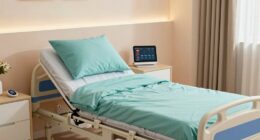
Enclosed beds help prevent nighttime wandering by creating a secure space that deters residents from leaving unsupervised. They feature barriers like lockable panels and sturdy frames that limit movement and reduce fall risks. These beds also promote safety with adjustable heights and breathable, comfortable materials, ensuring residents sleep peacefully. If you want to know more about how these beds balance safety with comfort, keep exploring how they can benefit your loved one or facility.
Key Takeaways
- Enclosed beds create physical boundaries, preventing residents from wandering into unsafe areas during nighttime.
- Secure lockable panels and side rails limit unauthorized exit, reducing the risk of residents getting lost or injured.
- Bed height and stability features minimize fall risks if residents attempt to climb or dislodge the bed.
- Environmental controls like ventilation and safety features promote a calm, secure sleep environment, decreasing agitation-induced wandering.
- Clear perimeter security and safety protocols help caregivers monitor and respond promptly, discouraging residents from wandering.
Why Is Nighttime Wandering a Safety Concern?

Nighttime wandering poses a significant safety risk because individuals with dementia or other cognitive impairments often lack awareness of their surroundings. Without proper nighttime security, they might leave their safe environment and encounter hazards like busy roads, stairs, or unsafe areas. This behavior increases the risk of falls, injuries, or getting lost, which can be life-threatening. Wandering prevention becomes essential to guarantee their safety and peace of mind for caregivers. When you understand the dangers of unmonitored wandering, you realize why restricting movement during the night is necessary. Enclosed beds can be a critical part of this strategy, helping to limit movement and prevent dangerous wandering episodes. Using proper security measures can further reduce the risk of accidents during vulnerable hours, especially those that address cognitive impairments and their associated risks. Implementing sound-based interventions can also be effective in calming individuals and reducing the likelihood of wandering episodes. Incorporating advanced monitoring technology can provide real-time alerts and enhance safety during nighttime hours. Prioritizing nighttime security protects vulnerable individuals from preventable accidents and ensures they rest safely. Additionally, understanding the importance of enclosure design can improve safety and comfort for those at risk of wandering.
How Do Enclosed Beds Keep Residents Safe at Night?
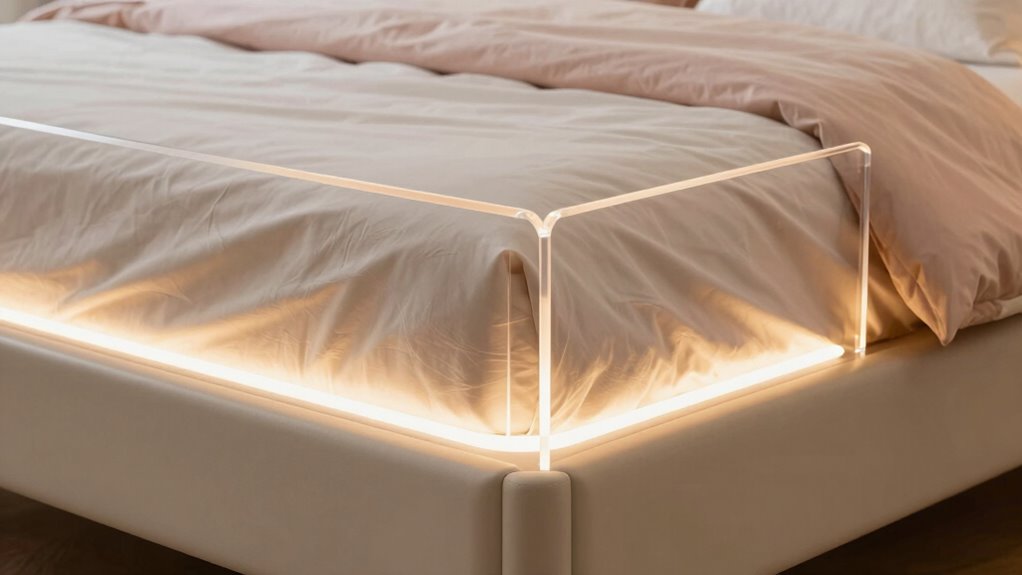
Enclosed beds keep residents safe by securely surrounding them, preventing accidental falls or exits. They stop residents from leaving the bed without assistance, reducing the risk of wandering into unsafe areas. As a result, residents can enjoy a more restful night, knowing they’re protected. Additionally, safety considerations in bed design help minimize injury risks and promote a secure environment. Proper bed safety features are essential for ensuring that enclosed beds provide maximum protection without compromising comfort. Incorporating modern toilet innovations such as water-efficient flushing mechanisms can further enhance safety and efficiency in healthcare settings. Understanding sleep hygiene and how it interacts with these safety measures can also contribute to better overall sleep quality for residents. By integrating modern kitchen technology into healthcare environments, staff can streamline routines and improve overall patient care.
Secures Resident Perimeters
Because residents with cognitive impairments can become easily disoriented or restless, securing their perimeter during rest is essential for safety. Enclosed beds help achieve this by creating a physical boundary that keeps residents within a safe zone. This perimeter security offers several benefits:
- It prevents accidental falls or wandering into unsafe areas, ensuring resident safety.
- It maintains resident privacy by providing a controlled environment, respecting their dignity.
- It reduces infection control concerns by limiting contact with external surfaces and contaminants.
- It allows staff to monitor residents more effectively, quickly addressing restlessness or confusion.
- The use of energy-efficient technology in enclosed beds supports sustainable healthcare practices by reducing energy consumption and environmental impact.
- Incorporating cognitive safety features further enhances protection for residents prone to disorientation or wandering.
- Enclosed beds can also be equipped with advanced monitoring systems to alert staff immediately if a resident attempts to leave or shows signs of distress, ensuring prompt intervention.
- Additionally, perimeter security measures help in creating a safer environment by reducing anxiety among residents and caregivers.
- Integrating smart home automation can optimize the environment within enclosed beds, adapting conditions to resident needs and improving overall safety.
Prevents Unintentional Exit
Enclosed beds actively prevent residents from accidentally leaving their safe zone, especially during hours when they may be disoriented or restless. By adjusting the bed height, you can guarantee it’s neither too high nor too low, reducing the risk of falls if a resident tries to exit. The mattress type also plays a role; a secure, supportive mattress minimizes the chance of slipping or discomfort that might prompt an attempt to get out. The enclosed design acts as a physical barrier, discouraging unintentional exits while still allowing caregivers easy access when needed. Proper bed safety features such as side rails or alarms can further enhance protection by providing additional alerts or physical barriers. Making sure the bed incorporates user-friendly controls ensures that caregivers can quickly and effectively manage safety features when necessary. The right combination of safety measures and the right mattress type work together to enhance safety, making sure residents stay protected through the night and preventing potentially dangerous unintentional exits. Incorporating style considerations into the design can also make the bed more inviting and less institutional, encouraging residents to feel comfortable and secure. Additionally, selecting adjustable safety features can further customize the bed’s safety level based on individual needs. Ensuring proper environmental considerations around the bed area can also help reduce hazards and promote a safer sleeping environment.
Promotes Restful Sleep
When residents feel secure in their environment, they’re more likely to relax and fall into restful sleep. Enclosed beds promote sleep hygiene by reducing nighttime disruptions, allowing residents to enjoy a more peaceful night. This sense of safety supports dream enhancement, helping residents progress through sleep cycles more smoothly. Here are four ways enclosed beds contribute to restful sleep:
- Minimize nighttime anxiety, enabling relaxation
- Limit exposure to external stimuli that disturb sleep
- Prevent unintentional exits, reducing stress
- Foster a stable environment for uninterrupted rest
Enclosed beds also create a safe haven that encourages trust and comfort, further supporting restful sleep.]
What Features Make Enclosed Beds Effective and Comfortable?

To guarantee enclosed beds are both effective and comfortable, look for enhanced safety features like secure locking mechanisms and smooth edges. You’ll also want materials that are breathable and soft to prevent discomfort during the night. When these features come together, they create a safe space that feels cozy and inviting. Additionally, choosing appropriate cleaning methods can help maintain the enclosure’s safety and hygiene over time. Incorporating ventilation and airflow control ensures proper temperature regulation and reduces condensation, contributing to a healthier environment. Regular inspection routines are essential to keep all safety features functioning optimally and to extend the lifespan of the enclosure. Paying attention to proper ventilation can also reduce the buildup of moisture and mold, further enhancing safety and comfort.
Enhanced Safety Features
Enhanced safety features in enclosed beds are designed to protect residents while ensuring comfort. These beds include several key elements to prevent injuries and wandering. First, they often feature sturdy bed frame styles that provide stability and reduce tipping risks. Second, adjustable height options allow caregivers to customize the bed for safety and ease of transfer. Third, the beds come with secure, lockable side panels or rails to prevent accidental falls. Fourth, color options for the bed frame can help match room decor, making the bed less intimidating and more inviting. These features work together to create a safe environment, giving you peace of mind while promoting independence and comfort for your loved one.
Comfortable, Breathable Materials
Comfortable, breathable materials are vital for making enclosed beds both effective and inviting. Using breathable fabrics ensures proper airflow, which helps regulate temperature and keeps your loved one comfortable throughout the night. These fabrics prevent overheating and reduce sweating, creating a more restful environment. Soft padding inside the bed adds a layer of comfort, making it easier for your loved one to feel secure without feeling confined or restricted. The combination of breathable fabrics and soft padding supports a cozy experience while maintaining proper ventilation, which is essential for health and comfort. When selecting an enclosed bed, look for materials that prioritize breathability and softness, guaranteeing the bed is both safe and inviting for nighttime use.
What Are the Main Benefits of Using Enclosed Beds?

Enclosed beds offer several key benefits that can considerably improve safety and peace of mind. They help prevent residents from wandering at night, reducing injury risks, and promoting restful sleep. Additionally, these beds simplify bed maintenance, making it easier to keep linens clean and beds secure. Enclosed beds also support staff training by providing clear boundaries, helping caregivers respond more effectively. Finally, they foster a calm environment, minimizing anxiety for residents and easing overall management.
Benefits include:
- Enhanced safety by reducing nighttime wandering
- Easier bed maintenance for cleanliness
- Better staff training with clear boundaries
- Increased peace of mind for caregivers and family members
How Can You Address Safety Concerns With Enclosed Beds?
Although enclosed beds are effective in preventing nighttime wandering, addressing safety concerns requires careful planning and proper use. First, consider the bed height; it should be low enough to prevent injury if your loved one tries to climb out, but high enough to offer security. Adjust the height accordingly, and ensure it’s stable. Installation security is vital—secure all parts firmly to prevent accidental dislodging or collapse. Regularly inspect the bed’s structure for wear or damage. Use safety features like lockable doors or panels to prevent unauthorized removal. Educate caregivers and family members on proper use and safety protocols. By paying close attention to bed height and installation security, you can create a safe environment while reducing the risk of falls or injury.
How to Choose the Best Enclosed Bed for Your Home or Facility
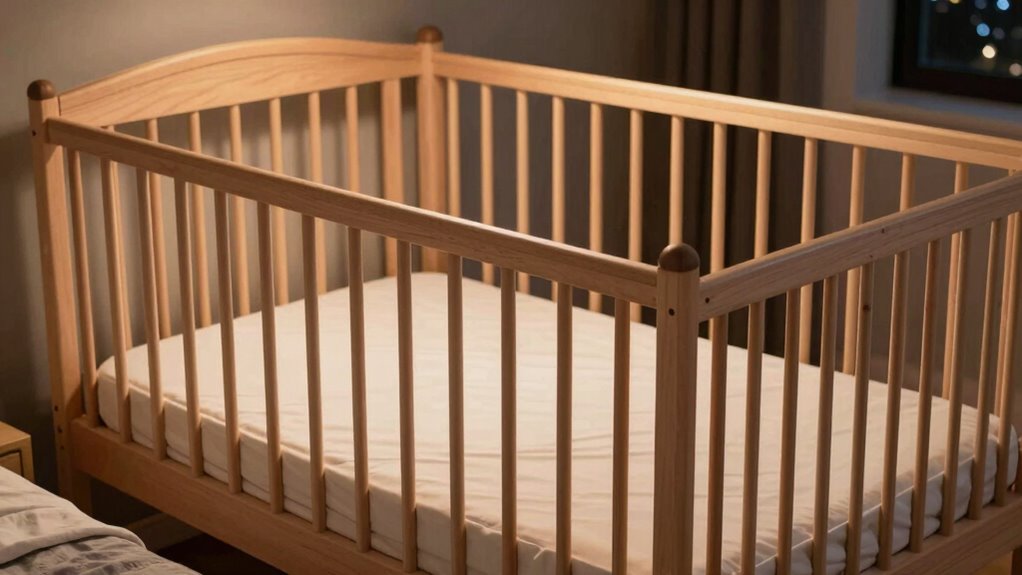
Choosing the right enclosed bed for your home or facility involves evaluating several key factors to guarantee safety and effectiveness. First, consider bed size options to ensure the enclosure fits comfortably in your space and meets the user’s needs. Second, assess installation considerations, such as whether the bed can be easily set up and secured safely. Third, think about the ease of access for caregivers, including whether the design allows quick entry and exit. Fourth, review safety features like lockable doors and sturdy construction. By focusing on these aspects, you’ll select a bed that not only prevents wandering but also ensures comfort and security for the user. Taking the time to evaluate these factors helps you make an informed, effective choice.
Frequently Asked Questions
Are Enclosed Beds Suitable for All Types of Residents?
Enclosed beds aren’t suitable for all residents, as safety concerns and individual preferences vary. You should consider whether the resident feels comfortable and secure, or if they might feel trapped or anxious. It is crucial to assess their mobility, cognitive state, and personal comfort. Always discuss options with residents and caregivers to ensure the enclosed bed meets safety needs without compromising personal preferences or causing distress.
How Do Enclosed Beds Impact Residents’ Independence?
You might think enclosed beds limit independence, but they actually support emotional well-being by providing a sense of security. While privacy concerns exist, you can customize the design to balance safety and dignity. Residents often feel calmer and more comfortable, which encourages a positive sense of independence. By carefully considering each person’s needs, you can guarantee enclosed beds promote safety without compromising their emotional health or privacy.
What Maintenance Is Required for Enclosed Beds?
You need to regularly clean the enclosed beds by wiping down surfaces and checking for any damage to guarantee hygiene and safety. Conduct safety inspections to verify that latches, locks, and moving parts work properly, preventing injuries. Additionally, inspect the bedding and mattress for wear and tear, replacing them as needed. Routine maintenance keeps the bed safe, comfortable, and functioning correctly, ultimately supporting residents’ well-being and peace of mind.
Can Enclosed Beds Be Customized for Individual Needs?
Think of enclosed beds as a blank canvas awaiting your personal touch. Yes, they can be customized to fit individual needs, with a variety of personalization options like adjustable safety features, color choices, and accessories. This guarantees both comfort and security, allowing you to tailor the bed to meet specific safety requirements while maintaining a cozy environment. Your loved one’s unique needs become the guiding brushstrokes in creating the perfect safe haven.
Are Enclosed Beds Covered by Insurance or Assistance Programs?
You might find that insurance coverage and assistance programs can help pay for enclosed beds, but it varies. Check with your insurance provider to see if they cover specialized medical equipment like enclosed beds, as some policies do. Additionally, assistance programs, such as Medicaid or state-specific services, may offer support. It’s best to contact your provider or local agency directly to understand your options and get the necessary documentation.
Conclusion
Enclosed beds act like a gentle shield, wrapping your loved ones in safety without sacrificing comfort. They prevent wandering like a firm but caring guardian, giving you peace of mind. By choosing the right enclosed bed, you create a sanctuary where safety and dignity walk hand in hand. Remember, it’s not just about protection but fostering a peaceful night’s sleep—turning worries into calm, like stars guiding the way through the night.