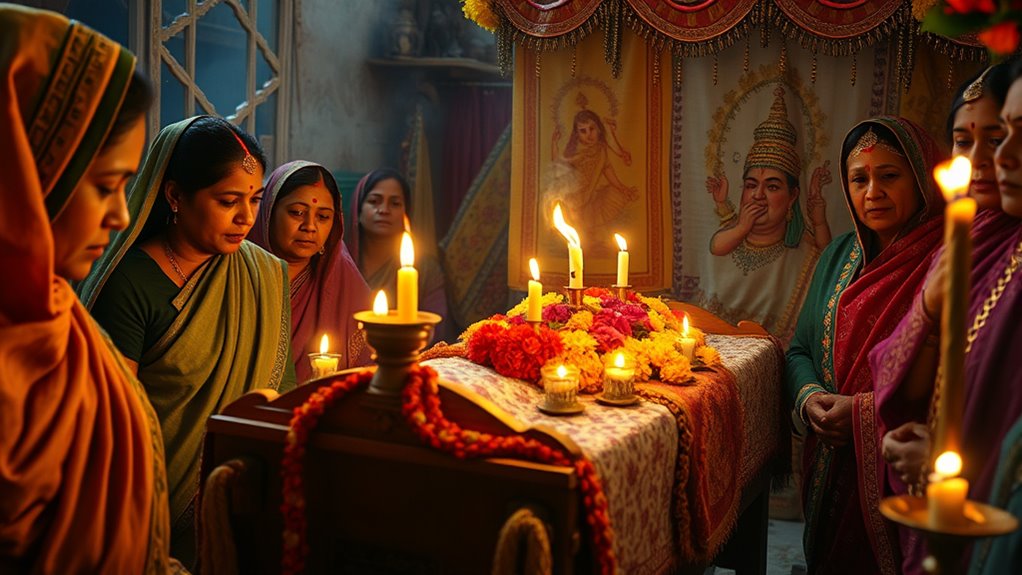

When honoring your loved one’s beliefs, you can incorporate meaningful funeral and mourning customs that reflect their cultural or spiritual values. These rituals may include specific ceremonies, symbols, clothing, or practices that help facilitate the passage from grief to acceptance. Whether it’s a vibrant celebration or a quiet reflection, these traditions reinforce community bonds and respect their life and beliefs. Exploring these varied practices reveals how different cultures honor their loved ones and support grieving processes.
Key Takeaways
- Rituals vary widely across cultures, reflecting diverse beliefs about the afterlife and spiritual purity.
- Funeral practices often include specific customs for preparing the body, ceremonies, and memorials aligned with cultural values.
- Mourning customs, such as clothing and mourning periods, support emotional processing and community support.
- Symbols and rituals are used to evoke reverence, facilitate spiritual transitions, and reinforce cultural identity.
- Honoring loved ones involves respecting their cultural and religious preferences through tailored funeral and mourning practices.
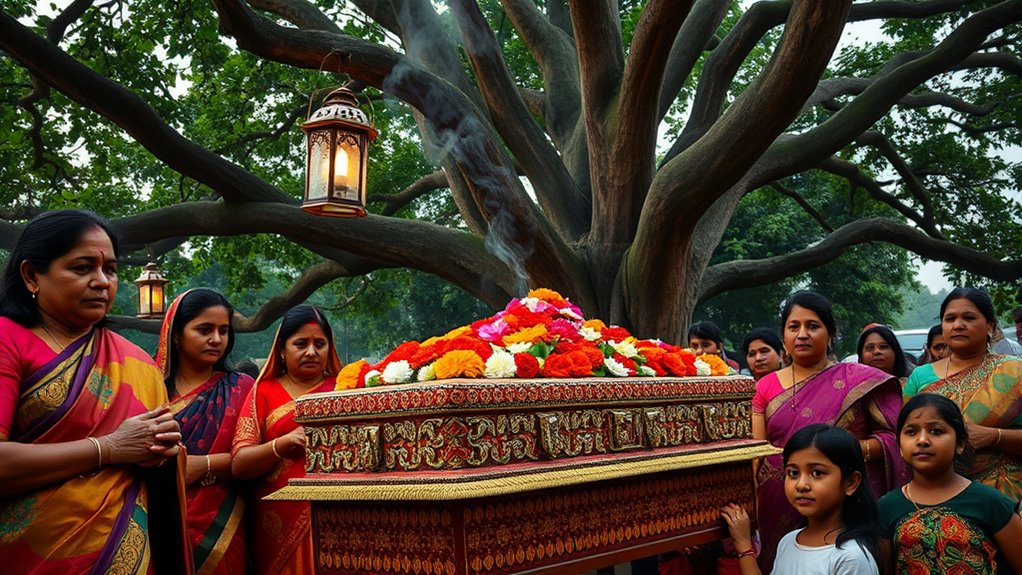
Cultural rituals around dying reveal how societies navigate the profound shift between life and death. When you’re faced with the loss of a loved one, understanding these rituals can provide comfort and guidance. Funeral traditions serve as a way to honor the departed, offering a structured process for saying goodbye that aligns with cultural or religious beliefs. These traditions often include specific customs for preparing the body, conducting ceremonies, and organizing memorials. For example, some cultures practice open-casket viewings, allowing mourners to pay their respects directly, while others prefer closed caskets or cremation. These choices reflect deeply held beliefs about the afterlife, spiritual purity, or respect for the deceased’s dignity.
Mourning customs are equally essential, shaping how individuals and communities process grief. You might observe particular clothing, such as black attire in Western traditions, or wear white in certain Asian cultures to symbolize purity and renewal. Mourning periods can vary dramatically—some traditions prescribe months or even years of mourning, during which certain activities or social interactions are restricted. These customs help mourners channel their emotions, find support, and gradually accept the loss. They also reinforce communal bonds, reminding everyone of shared values and collective remembrance.
In many cultures, funeral traditions and mourning customs are intertwined, creating a thorough approach to death that respects both the individual and the community. For instance, in some African or Indigenous societies, the funeral may include vibrant dances, singing, and storytelling, celebrating the life of the deceased and reaffirming cultural identity. Conversely, in Western societies, funerals tend to be more subdued, focusing on reflection and prayer, with an emphasis on personal mourning. Additionally, understanding the significance of contrast ratios in visual presentations can deepen appreciation for how images and symbols are used in memorials and rituals to evoke emotion and reverence. Regardless of the form, these rituals serve a fundamental purpose: to facilitate the transition from grief to acceptance and to honor the beliefs that give meaning to life and death.
Frequently Asked Questions
How Do Cultural Rituals Vary Across Different Regions?
You’ll notice cultural rituals vary widely across regions, reflected in funeral attire and ritual significance. In some areas, bright colors symbolize celebration of life, while in others, black or white shows mourning. You actively participate in rituals like prayers or ceremonies, respecting each tradition’s unique symbolism. Understanding these regional differences helps you honor your loved one’s beliefs, ensuring their farewell aligns with cultural customs that hold deep meaning and significance.
What Role Do Family Members Typically Play in Rituals?
Nearly 80% of families actively participate in funeral attire choices and mourning practices, highlighting their essential role. You often coordinate rituals, prepare the body, or organize memorials, ensuring your loved one’s beliefs are honored. Family members also share stories and offer comfort, reinforcing bonds. Your involvement helps keep cultural traditions alive, providing a meaningful way to grieve and celebrate your loved one’s life through shared mourning practices.
Are There Specific Symbols Associated With Certain Beliefs?
Yes, certain symbols are linked to specific beliefs. For example, you might include sacred objects like religious icons or funeral clothing that reflect cultural significance. These symbols serve as powerful reminders of the loved one’s faith and traditions, helping you honor their beliefs. Incorporating these elements into rituals provides comfort and connection, ensuring that their spiritual values remain central during their farewell.
How Do Rituals Adapt in Multicultural or Mixed-Faith Families?
Adapting rituals in multicultural or mixed-faith families is like blending colors to create a new shade. You can incorporate elements from different traditions through interfaith ceremonies and ritual customization, respecting each belief’s significance. Open communication helps families honor everyone’s values, making the farewell meaningful. By blending practices thoughtfully, you create a personalized tribute that celebrates your loved one’s diverse heritage and spiritual journey, ensuring everyone feels included and respected.
What Are Common Misconceptions About Cultural Death Rituals?
Many people believe that all cultural death rituals are rigid and uniform, but that’s not true. Funeral attire and mourning customs often vary widely even within the same culture. Some think these rituals are outdated, but they serve important emotional and spiritual purposes. It’s a misconception that these traditions are unnecessary; instead, they help families honor loved ones and find closure, respecting the diversity and personal significance behind each ritual.
Conclusion
As you honor your loved one’s beliefs, you weave a tapestry of tradition that paints a vibrant sunset on life’s horizon. Embrace these rituals like guiding stars, illuminating the path with respect and love. Remember, each act is a gentle breeze carrying their spirit home, where memories blossom like flowers in full bloom. In honoring their journey, you nurture a sacred garden of legacy—forever alive in the heart’s eternal landscape.