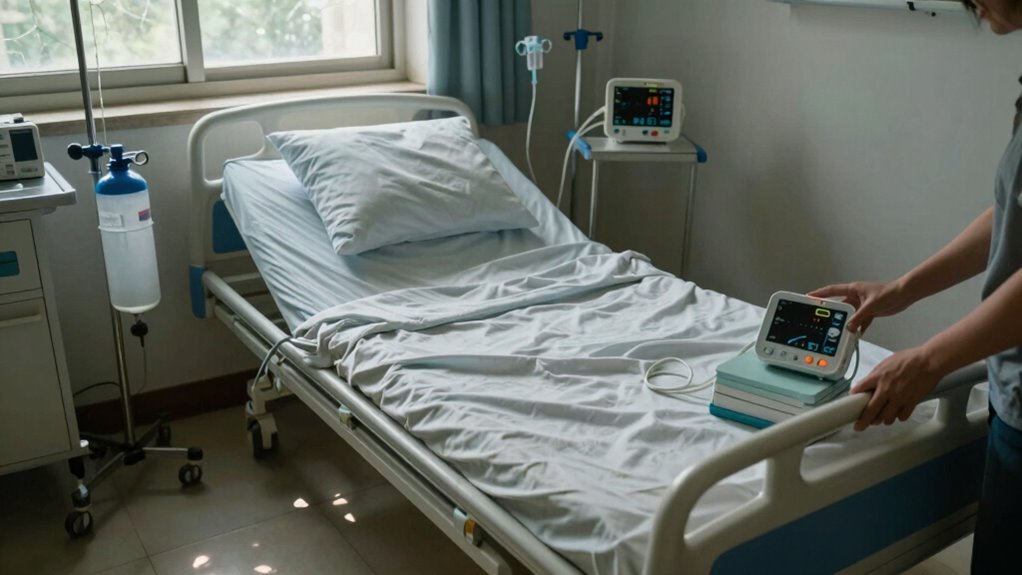

When returning medical equipment after a death, families often forget to check rental agreements, insurance coverage, and proper disposal procedures. You might overlook special handling for items like batteries or oxygen tanks, leading to safety risks or penalties. Make sure you sanitize equipment and follow local disposal regulations. Proper documentation supports insurance claims and prevents delays. If you keep these tips in mind, you’ll avoid costly mistakes and ensure a smooth return process—there’s more to keep in mind!

Turn quiet afternoons into listening time
- Thousands of audiobooks, podcasts and originals
- Listen on your phone, tablet or Echo — also offline
- Cancel anytime
Key Takeaways
- Review the deceased’s rental agreements and documentation for specific return procedures and deadlines.
- Ensure proper sanitization and adherence to disposal regulations for equipment like batteries or oxygen tanks.
- Notify the rental company or equipment provider promptly to arrange return and avoid extra charges.
- Keep all related paperwork, including receipts and insurance documents, to facilitate smooth processing.
- Consider environmentally friendly and safe disposal methods to prevent health hazards and environmental harm.
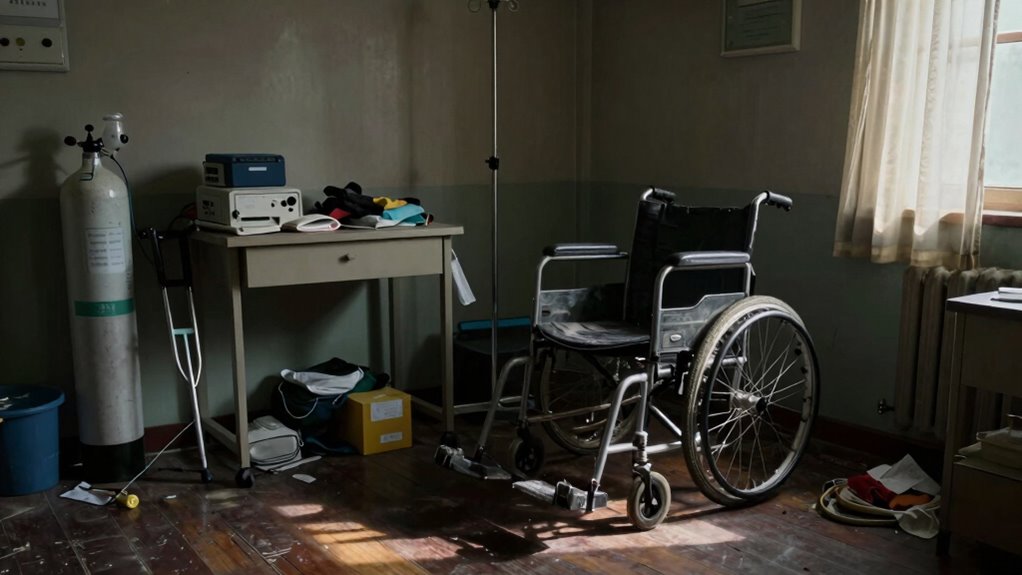
When a loved one passes away, returning medical equipment like wheelchairs, hospital beds, or oxygen tanks becomes an important step to guarantee proper disposal or reuse. Many families overlook this process, but it’s essential not only for logistical reasons but also for handling insurance claims and ensuring the equipment is properly disposed of. If you’re unsure where to start, remember that most healthcare providers or equipment suppliers have specific protocols for returning items, and failing to do so can complicate insurance processes or incur additional charges.
Returning medical equipment after a loved one’s passing is vital for proper disposal, insurance, and reuse.
One of the first things you should do is review any paperwork your loved one had regarding their medical equipment. This may include rental agreements, purchase receipts, or insurance documents. These papers often specify how to return equipment and whether the insurance provider has any particular requirements. Insurance claims are often involved because, in some cases, the insurance may be responsible for covering rental costs or replacing equipment. Returning the equipment promptly can help close out insurance claims smoothly and prevent unnecessary billing or disputes later on. Additionally, being aware of proper disposal methods can ensure you handle items safely and in accordance with regulations. Being informed about disposal regulations can also help you avoid penalties or legal issues associated with improper disposal.
Many families forget that equipment disposal isn’t just about returning items to the supplier. Proper disposal is essential, especially for items like oxygen tanks or medical batteries, which can pose safety risks if not handled correctly. Some equipment may need to be sanitized or cleaned before return, and certain items might require environmentally friendly disposal methods. Your provider or local health department can guide you on how to dispose of or recycle these items safely, avoiding potential health hazards or environmental harm. Additionally, understanding the environmentally friendly disposal options for specific medical equipment can help prevent environmental contamination or safety hazards. Being aware of these options can also help you make responsible choices during this process.
medical equipment sanitizing wipes
As an affiliate, we earn on qualifying purchases.
As an affiliate, we earn on qualifying purchases.
Frequently Asked Questions
How Long Do Families Have to Return Medical Equipment?
You typically have a few days to a week to return medical equipment after a loved one’s death, but it varies by provider. During this time, you should schedule an equipment inspection and follow the return procedures carefully. Promptly returning the items helps avoid extra charges and guarantees the equipment is available for future patients. Check with the provider for specific deadlines and detailed instructions to make the process smoother.
Are There Any Penalties for Delayed Returns?
There can be legal consequences and penalty fees if you delay returning medical equipment. Some providers may charge late return fees, and in certain cases, legal action could be taken, especially if equipment is substantially delayed or damaged. To avoid these issues, it’s best to return the equipment promptly, following the provider’s guidelines, and keep records of your return to protect yourself from potential penalties or legal complications.
Who Is Responsible for Coordinating the Return Process?
Think of the return process as a relay race—you’re the runner passing the baton. You’re responsible for coordinating equipment disposal, making sure medical devices find their way back. Family responsibilities include organizing the return, contacting providers, and ensuring everything’s accounted for. By actively managing these steps, you help close a chapter with respect and care, preventing penalties and easing the burden on healthcare providers.
Can Medical Equipment Be Donated Instead of Returned?
Yes, you can consider medical equipment donation as an alternative disposal method instead of returning it. Many organizations accept gently used equipment to help others in need. Before donating, verify the equipment is clean and functional. Check with local charities or medical supply programs for specific guidelines. Donating not only helps those in need but also reduces waste, making it a responsible and compassionate choice during a difficult time.
What Documentation Is Needed to Return Equipment?
You’ll need to gather documentation like the equipment’s purchase receipt, maintenance records, and possibly insurance coverage details. Contact the provider or supplier to confirm their specific requirements. This helps guarantee proper return and may prevent charges. Keep in mind, some providers require proof of equipment maintenance to verify its condition. Having these documents ready streamlines the process and ensures you meet all the necessary criteria for returning the medical equipment smoothly.
Conclusion
As you pack away the hospital bed and return the crutches, remember these objects once symbolized hope and healing. Now, they’re just reminders of a life that’s moved on. While returning medical equipment is a final act of closure, it’s also a bittersweet farewell. You hold the memories of their comfort alongside the cold, sterile items. In letting go of these tools, you’re also embracing the next chapter—carrying love and memories in your heart, not in borrowed equipment.
Cold & flu season Picks
humidifiers
As an affiliate, we earn on qualifying purchases.