At the end of life, sharing your last words or saying goodbye helps uncover deep feelings and provides emotional closure. It’s a meaningful way to honor loved ones, reinforce bonds, and express love or forgiveness. These moments may involve words, gestures, or rituals that create lasting memories. Approaching these exchanges with patience and sincerity guarantees dignity and connection. If you want to explore ways to make farewell moments truly meaningful, there’s more to discover ahead.
Key Takeaways
- Last words reveal deep feelings, hopes, and regrets, providing emotional closure for both speaker and listener.
- Farewell rituals and moments honor the individual’s life, strengthen bonds, and help loved ones process grief.
- Honest, compassionate communication—through words, gestures, or written notes—facilitates meaningful farewells.
- Participating in rituals offers continuity, reinforces connection, and creates lasting memories during end-of-life transitions.
- Genuine presence and understanding are essential, with an emphasis on authenticity over perfect expression.
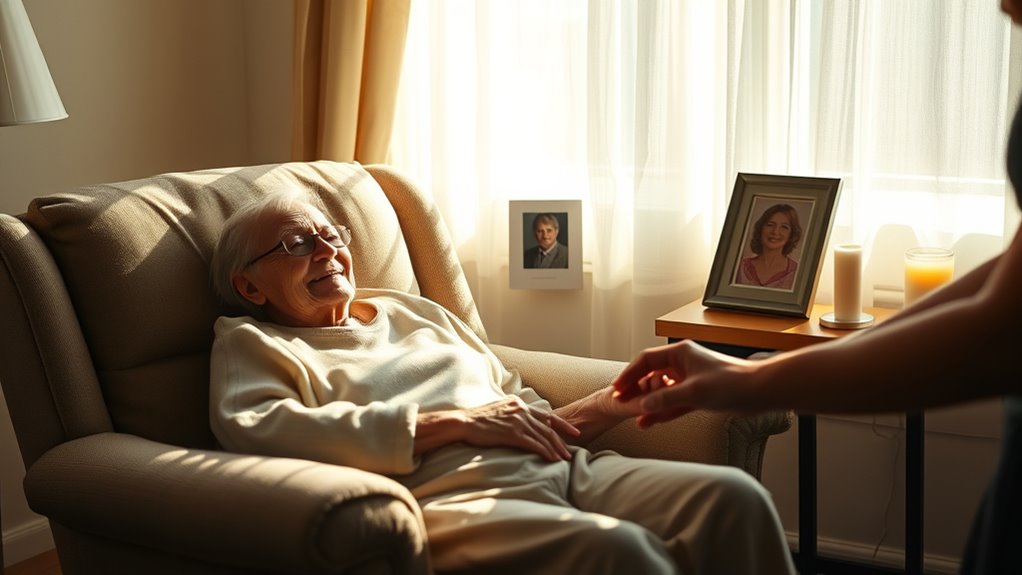
When facing the end of life, last words and farewells become powerful moments that reveal a person’s deepest feelings, hopes, and regrets. These final expressions often serve as a pivotal part of emotional closure, allowing both the speaker and the listener to find peace before parting ways. You might notice that people choose their words carefully, aiming to communicate love, forgiveness, or understanding. Whether spoken aloud or conveyed through gestures, these moments help clarify unresolved emotions and provide a sense of completion. Engaging in meaningful last conversations can ease the burden of unfinished business, giving everyone involved the opportunity to say what truly matters. It’s during these times that farewell rituals often take on heightened significance, as they become structured ways to honor the person’s life and facilitate a respectful goodbye. These rituals—whether silent moments, prayers, or physical gestures—offer comfort and reinforce bonds, helping loved ones process their grief. You may find that participating in or witnessing these rituals provides a sense of continuity, anchoring you amid the emotional turbulence. They serve as tangible symbols of love and respect, transforming fleeting moments into lasting memories. Creating space for honest, heartfelt communication can be challenging, especially when emotions run high. Still, it’s essential to approach these exchanges with patience and compassion, recognizing their importance in achieving emotional closure. Sometimes, last words aren’t spoken aloud but conveyed through gentle touches, eye contact, or written messages. These silent expressions can be equally meaningful, allowing you to articulate feelings that might be difficult to say outright. Respecting the wishes of the person at the end of life is fundamental; some may prefer solitude or minimal interaction, while others seek connection through conversation or rituals. Whatever the preference, acknowledging their needs helps foster a sense of dignity and control during a vulnerable time. Remember, the goal isn’t perfection but genuine sincerity. Whether you’re offering words of comfort, sharing memories, or simply being present, your intention matters most. These final moments become a testament to the relationship you shared, reinforcing bonds that death doesn’t diminish. Additionally, understanding the importance of home care technology can ensure comfort and familiarity for the individual in their final days. Ultimately, steering last words and farewell rituals isn’t just about saying goodbye; it’s about creating a meaningful, heartfelt closure that brings peace to everyone involved. By embracing these moments with compassion and respect, you help guarantee that the end-of-life experience is filled with love, understanding, and a sense of completion that will linger long after the farewell.
last words recording device
As an affiliate, we earn on qualifying purchases.
As an affiliate, we earn on qualifying purchases.
Frequently Asked Questions
How Can I Prepare for Saying Goodbye to a Loved One?
To prepare for saying goodbye to a loved one, focus on emotional preparedness by sharing meaningful moments and expressing your feelings openly. Consider legacy planning, like writing letters or recording memories, to honor their life. Spend quality time together and address any unresolved issues. This approach helps you cherish the time left, provides closure, and ensures both of you feel connected and at peace when saying your final goodbyes.
What Are Common Emotional Reactions During Final Goodbyes?
During final goodbyes, you may feel intense emotional vulnerabilities—fear, sadness, or even relief—as you process the impending loss. These feelings often surge unexpectedly, making farewell expressions deeply heartfelt and raw. You might experience tears or a quiet sense of peace, depending on your connection. Embracing these emotions allows you to genuinely express your love, creating meaningful moments that resonate long after the farewell.
How Do Cultural Differences Influence Last Words and Farewells?
Cultural differences shape how you express last words and farewells through varied cultural rituals and farewell customs. In some cultures, you might emphasize spoken blessings or prayers, while others focus on silent gestures or specific rituals. These traditions influence your emotional connection and the way you communicate final goodbyes, ensuring that your farewell aligns with your cultural values. Understanding these differences helps you honor loved ones’ beliefs during end-of-life moments.
Can Last Words Impact the Grieving Process?
Your loved one’s last words can profoundly impact your grieving process by creating an emotional legacy and encouraging spiritual reflection. When they share meaningful thoughts or expressions of love, it helps you find comfort and understanding. These final words often serve as a lasting connection, guiding you through grief and fostering healing. They remind you of their essence, making their memory more profound and aiding in emotional recovery.
What Are Some Non-Verbal Ways to Communicate at End of Life?
Think of your loved one as a fragile, blooming flower. You can communicate through gentle gestures, like holding their hand or a reassuring touch, which acts as a silent language of love. Gestural communication and touch therapy become your tools to connect, conveying comfort and understanding when words fall short. These non-verbal ways create a profound bond, letting them know they’re not alone in their final moments.
farewell ritual keepsake
As an affiliate, we earn on qualifying purchases.
As an affiliate, we earn on qualifying purchases.
Conclusion
As you prepare to say your goodbyes, remember that words hold immense power, offering comfort, closure, or even a final expression of love. Whether spoken or unspoken, these moments shape lasting memories for both you and your loved ones. So, consider what you want to say—are your words truly capturing what matters most? Embrace these final exchanges with honesty and compassion, knowing they can bring peace and meaning to both your journey and theirs.
emotional support memory book
As an affiliate, we earn on qualifying purchases.
As an affiliate, we earn on qualifying purchases.
home care technology for end-of-life
As an affiliate, we earn on qualifying purchases.
As an affiliate, we earn on qualifying purchases.