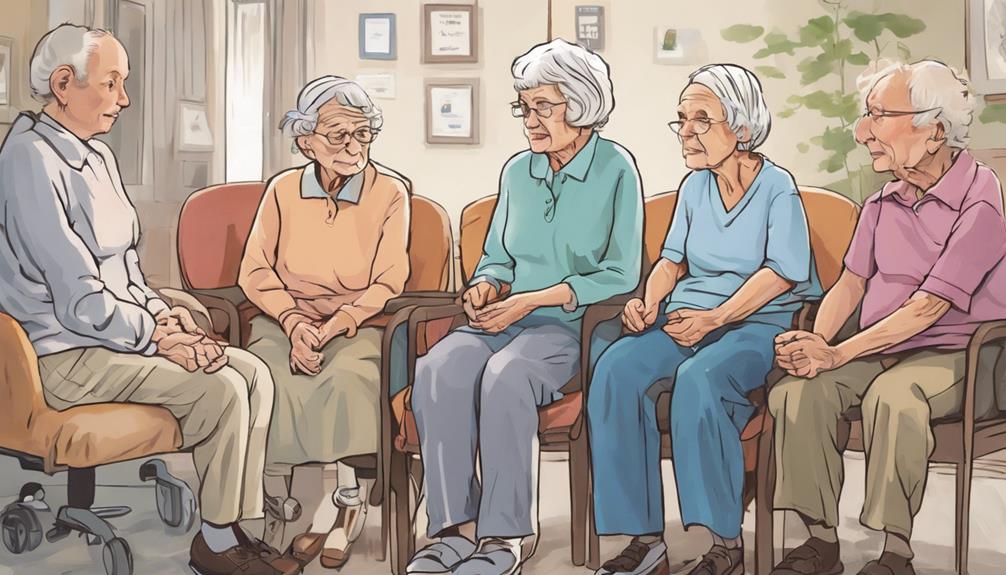

When caring for a dementia patient who struggles to communicate pain, you should watch for non-verbal cues like facial grimacing, restlessness, or withdrawal, and keep detailed records of these signs. Collaborate with healthcare providers to adjust medications and use non-drug methods such as massage or proper positioning to ease discomfort. Creating a calm, supportive environment can also help. If you want to discover more practical tips for managing pain effectively, there’s helpful information waiting for you.

Turn quiet afternoons into listening time
- Thousands of audiobooks, podcasts and originals
- Listen on your phone, tablet or Echo — also offline
- Cancel anytime
Key Takeaways
- Observe non-verbal cues like facial expressions, fidgeting, or resistance to identify pain.
- Keep detailed records of behavioral and physical signs to track pain patterns over time.
- Use non-drug interventions such as massage, heat packs, and proper positioning to alleviate discomfort.
- Collaborate with healthcare providers to adjust medications and explore alternative pain management options.
- Create a calming, safe environment and approach with patience to reduce potential sources of pain and distress.

How can you effectively manage pain in individuals with dementia? It’s a challenging question because many people with dementia lose the ability to communicate their discomfort clearly. As a caregiver or healthcare provider, your role becomes about observing and interpreting non-verbal cues that indicate pain. These cues might include facial expressions like grimacing, furrowed brows, or clenched fists. Restlessness, agitation, or a sudden change in behavior can also signal discomfort. Paying close attention to these signs allows you to identify when someone is in pain, even if they can’t tell you directly.
Medication management plays a critical role in alleviating pain, but it requires a careful, individualized approach. You need to work closely with medical professionals to determine the most appropriate pain relief options. Sometimes, non-prescription pain relievers may be enough, but in other cases, stronger medications might be necessary. Regularly reviewing and adjusting medication ensures that you’re providing effective pain control while minimizing side effects or the risk of dependency. It’s essential to balance medication use with non-drug interventions, such as physical therapy, massage, or heat packs, to provide thorough pain relief. Additionally, understanding creative practice techniques can help develop personalized approaches to comfort and pain management, fostering more empathetic care.
Understanding the significance of non-verbal cues helps you recognize subtle signs that pain may be worsening. For example, a person might become more withdrawn or less responsive, indicating they’re uncomfortable. They might also develop changes in appetite or sleep patterns. Keeping a detailed record of these observations can help you spot patterns and determine if pain levels are fluctuating. This information is valuable for healthcare providers when adjusting treatments or medications.
You should also create a supportive environment that reduces potential sources of pain or discomfort. Proper positioning during activities, ensuring good hygiene, and preventing injuries are essential steps. Regular assessment is necessary; what worked yesterday might not be effective today. Always approach individuals with patience and compassion, understanding that their behavior is often a form of communication.
Ultimately, managing pain in those with dementia requires a proactive, attentive approach. Recognizing non-verbal cues, collaborating with medical experts for medication management, and tailoring interventions to each person’s needs help improve their quality of life. By staying vigilant and responsive, you can make a significant difference in their comfort and well-being, even when they cannot speak for themselves.
dementia pain management massage tools
As an affiliate, we earn on qualifying purchases.
As an affiliate, we earn on qualifying purchases.
Frequently Asked Questions
How Can Caregivers Identify Hidden Signs of Pain?
You can spot hidden signs of pain by paying close attention to behavioral indicators like agitation, withdrawal, or changes in sleep patterns. Watch for facial expressions such as grimacing or furrowing brows, which often signal discomfort. By staying alert to these subtle cues, you help guarantee your loved one receives the care they need. Remember, consistent observation and gentle communication can make a significant difference in managing their pain effectively.
Are There Specific Medications Suitable for Non-Communicative Dementia Patients?
Yes, there are specific medication options suitable for non-communicative dementia patients, but you must prioritize drug safety. Healthcare providers often recommend low-dose analgesics, like acetaminophen, for mild pain, and carefully monitor for side effects. In some cases, medications such as opioids are used cautiously. Always consult a professional to guarantee the chosen treatment aligns with individual needs and minimizes risks, guaranteeing safe and effective pain management.
What Non-Verbal Cues Indicate Discomfort or Pain?
Think of their signals like a hidden Morse code. You’ll notice facial expressions such as grimacing or frowning and body language like restlessness, guarding affected areas, or rigid postures. Sudden withdrawal or changes in breathing patterns can also signal discomfort. Stay observant and gentle, because these non-verbal cues are their way of telling you they’re in pain, even when they can’t say it outright.
How Often Should Pain Assessments Be Conducted?
You should conduct pain assessments regularly, ideally every shift or at least daily, following the pain assessment tools and frequency guidelines. This guarantees you catch any signs of discomfort early, especially since patients can’t communicate effectively. Use appropriate tools like observational scales and document your findings consistently. Regular assessments help manage pain effectively, improving your patient’s comfort and quality of life.
What Alternative Therapies Can Help Alleviate Pain?
You can explore alternative therapies like music therapy and aromatherapy to help alleviate pain. While it might seem unconventional, music therapy engages emotional pathways, reducing discomfort, and aromatherapy uses calming scents to ease tension. These approaches complement traditional methods, offering non-invasive relief. By incorporating them into your care routine, you create a soothing environment that addresses pain holistically, making a noticeable difference for patients who struggle to communicate their discomfort.
Conclusion
Remember, you hold the incredible power to ease your loved one’s suffering, even when words fail. By paying close attention to subtle cues and using gentle, personalized approaches, you can make a world of difference—sometimes more than a miracle! Your patience and compassion are like a guiding light in the darkest moments, transforming pain into comfort. Keep learning and trusting your instincts; your care truly has the strength to change lives, one small step at a time.
Cold & flu season Picks
humidifiers
As an affiliate, we earn on qualifying purchases.