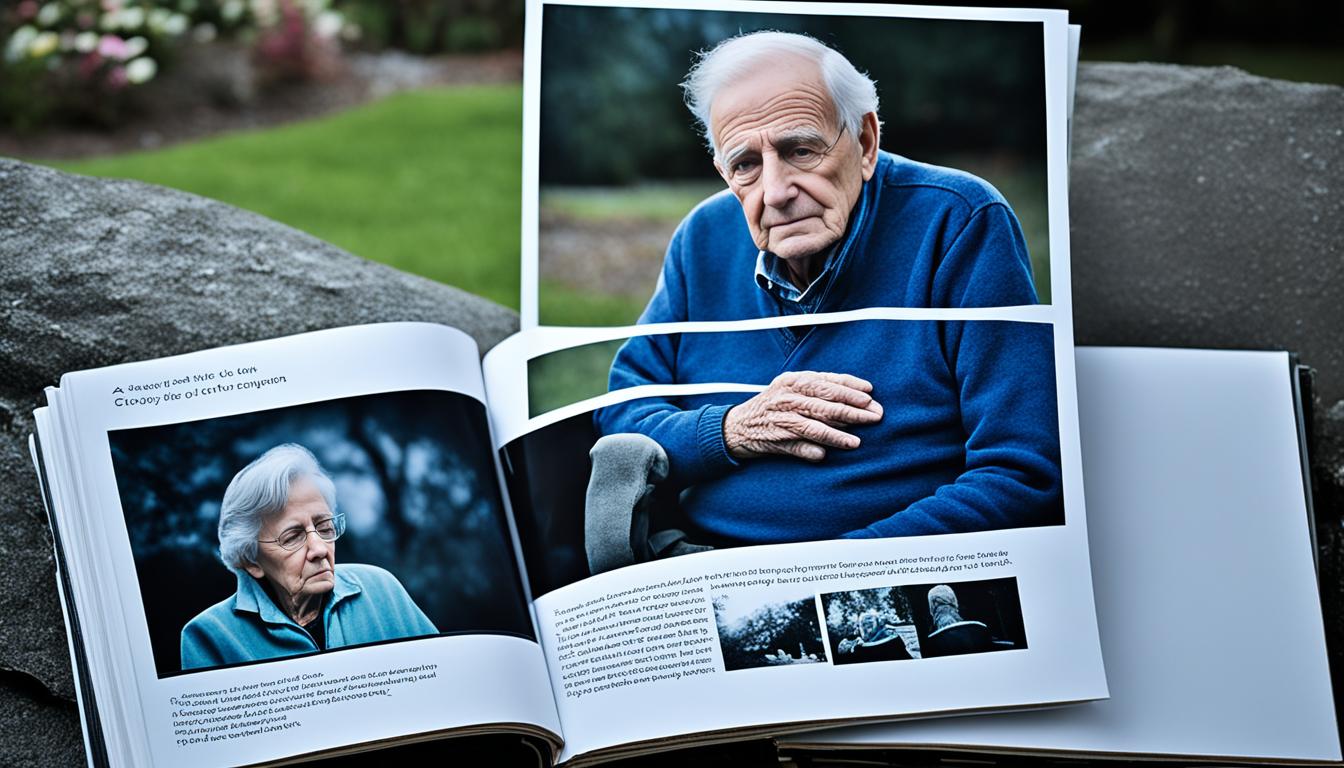
To soothe agitation in end-stage dementia, try non-drug methods like music therapy, sensory stimulation, and creating calming environments. Play familiar or gentle music to evoke comfort, use tactile objects or aromatherapy to engage senses, and create a peaceful space with soft lighting and gentle visuals. These approaches help reduce stress and promote relaxation without medication. If you’re interested, you’ll find more helpful techniques to support your loved one’s comfort and well-being.
Key Takeaways
- Use music therapy with familiar, calming songs to evoke comfort and bypass cognitive decline.
- Incorporate sensory stimulation like soft textures, aromatherapy, and gentle touch to redirect focus.
- Create a calming environment with soft lighting, soothing sounds, and visual stimuli tailored to preferences.
- Select visual aids with appropriate contrast ratios to promote a peaceful atmosphere and enhance relaxation.
- Personalize non-drug strategies, maintaining patience and consistency to reduce agitation effectively.

Agitation in end-stage dementia can be distressing for both patients and caregivers, but non-drug approaches offer effective ways to soothe these symptoms. One of the most accessible and impactful methods is music therapy. By carefully selecting calming music or familiar songs, you can help reduce agitation and create a sense of comfort. Music has a unique ability to reach the brain’s emotional centers, often bypassing cognitive decline and providing a soothing escape. When you play music, try to match the tempo and style to the individual’s preferences and past experiences. For some, gentle classical tunes or soft instrumental pieces work best, while others might respond more positively to familiar tunes from their youth. The key is to observe their reactions and adjust accordingly. Incorporating music therapy into daily routines can foster a calming environment, especially during times when agitation tends to peak, such as after meals or during transitions.
Alongside music therapy, sensory stimulation plays a crucial role in calming agitation. Sensory activities engage the senses and can help redirect a person’s focus from distressing thoughts or feelings. You might use soft textures like blankets, gentle tactile objects, or calming aromatherapy to create a soothing environment. Light touch or massage can also be very effective, helping to relax tense muscles and provide reassurance. Additionally, visual stimuli such as calming images or nature videos can help create a peaceful atmosphere. The goal is to provide gentle, non-invasive stimulation that comforts without overwhelming. Keep in mind that overstimulation can sometimes cause more agitation, so it’s important to observe your loved one’s responses and adjust accordingly.
Furthermore, understanding the importance of contrast ratio in visual stimuli can help in selecting appropriate calming images or videos, enhancing their effectiveness. You can combine music therapy and sensory stimulation seamlessly by creating a calming space with soft lighting, soothing sounds, and tactile objects nearby. For example, playing gentle music while offering a soft blanket or textured object can enhance relaxation. The key is consistency and patience—these approaches often work best when integrated into daily routines and personalized to individual preferences. As you implement these non-drug strategies, you help foster a sense of safety and familiarity, which can considerably reduce agitation. Remember, the goal isn’t to distract but to gently soothe and reconnect, offering comfort in a moment of distress. Over time, these techniques can become a crucial part of your caregiving toolkit, providing relief for both you and your loved one during challenging moments.
Top picks for "drug approach soothe"
Open Amazon search results for this keyword.
As an affiliate, we earn on qualifying purchases.
Frequently Asked Questions
How Can Family Members Effectively Implement Non-Drug Interventions?
You can effectively implement non-drug interventions by identifying behavioral triggers that cause agitation and adjusting your environment accordingly. Stay attentive to your loved one’s cues and respond calmly. Participating in caregiver training helps you learn proven techniques for soothing them. Consistency, patience, and understanding their needs empower you to reduce agitation and create a comforting atmosphere, making a significant difference in their well-being.
Are There Specific Sensory Therapies Most Effective for Agitation?
Imagine calming chaos into a gentle lullaby—that’s what personalized sensory therapies can do. You find that sensory stimulation, like soothing music, fragrant scents, or textured objects, works wonders for easing agitation. Tailoring these therapies to your loved one’s preferences makes a huge difference. By engaging their senses thoughtfully, you create a peaceful environment where agitation lessens, helping them feel safe, loved, and understood amidst their confusion.
How Do Cultural Differences Influence Non-Drug Approaches?
Cultural perceptions and traditional practices greatly influence how you approach non-drug methods for dementia agitation. You should tailor your strategies to respect their cultural background, incorporating familiar sensory stimuli or rituals. For example, using traditional music or culturally significant objects can be soothing. Recognizing these cultural nuances helps you create more effective, personalized interventions, fostering comfort and reducing agitation by honoring their cultural identity and preferences.
What Are Signs That Non-Drug Methods Are Not Working?
If non-drug methods aren’t working, you’ll notice signs like persistent agitation or behavioral escalation despite your efforts. These signs suggest medication dependence might be increasing, or that the non-drug strategies aren’t tackling the root cause. When agitation continues or worsens, it’s a clear indicator to reassess your approach and consult healthcare professionals to prevent reliance solely on medications and ensure the person’s comfort.
How Should Caregivers Document Behavioral Changes During Interventions?
Imagine observing Sarah calming her grandfather with music therapy; you should use behavioral tracking to note his reactions and intervention documentation to record what worked or didn’t. Keep detailed records of each change, including the date, time, specific behaviors, and response. This helps you evaluate progress and adjust strategies effectively, ensuring interventions are personalized and effective in reducing agitation for end-stage dementia patients.
Conclusion
Imagine calming a stormy sea—you can’t force the waves to quiet instantly, but gentle, consistent waves can soothe the waters. Similarly, non-drug approaches like music, touch, and reorientation gradually bring peace to someone with end-stage dementia. Studies show these methods reduce agitation by up to 40%. Just like tending a delicate garden, your patience and gentle care help nurture tranquility, reminding you that sometimes, the smallest gestures can calm the loudest storms.