
TL;DR

Turn quiet afternoons into listening time
- Thousands of audiobooks, podcasts and originals
- Listen on your phone, tablet or Echo — also offline
- Cancel anytime
Preliminary evidence indicates that HEPA air purifiers might boost brain function after just one month of use. Researchers are exploring this potential link amid increasing public interest, though findings are still early.
Emerging research indicates that using HEPA air purifiers may lead to measurable improvements in brain function within just one month. This development is drawing increasing attention from the scientific community and the public, as interest in air quality’s impact on cognition grows. While these findings are preliminary, they could have significant implications for health and wellness strategies.
Recent studies, though in early stages, suggest that individuals who use HEPA (High-Efficiency Particulate Air) filters in their homes or workplaces may experience enhanced cognitive performance after approximately four weeks. Experts caution that the research is still in preliminary phases, with small sample sizes and ongoing analysis. The proposed mechanism involves improved air quality reducing exposure to airborne pollutants known to impair brain function, such as fine particulate matter (PM2.5) and volatile organic compounds.
Health authorities and researchers are examining whether the observed cognitive benefits are directly attributable to cleaner air or influenced by other factors like lifestyle changes associated with air purifier use. No definitive clinical trials have yet confirmed causation, but the trend signals a potential link that warrants further investigation. The spike in coverage and search interest appears driven by preliminary reports and growing public curiosity about affordable ways to boost mental performance.
Potential Impact of Air Purifiers on Cognitive Health
If further research confirms that HEPA air purifiers can reliably improve brain function within a short period, it could lead to new public health recommendations and personal wellness strategies. Improving air quality might become a simple, accessible method to support mental clarity, focus, and overall cognitive health, especially in urban environments with high pollution levels. This could be particularly relevant for vulnerable groups, including the elderly and those with pre-existing neurological conditions.
However, experts emphasize that these early findings should be interpreted cautiously. Widespread adoption of air purifiers solely for cognitive benefits would require robust evidence from large-scale, controlled studies. Nonetheless, the potential for a low-cost intervention to enhance mental performance makes this an intriguing area of ongoing research and public interest.
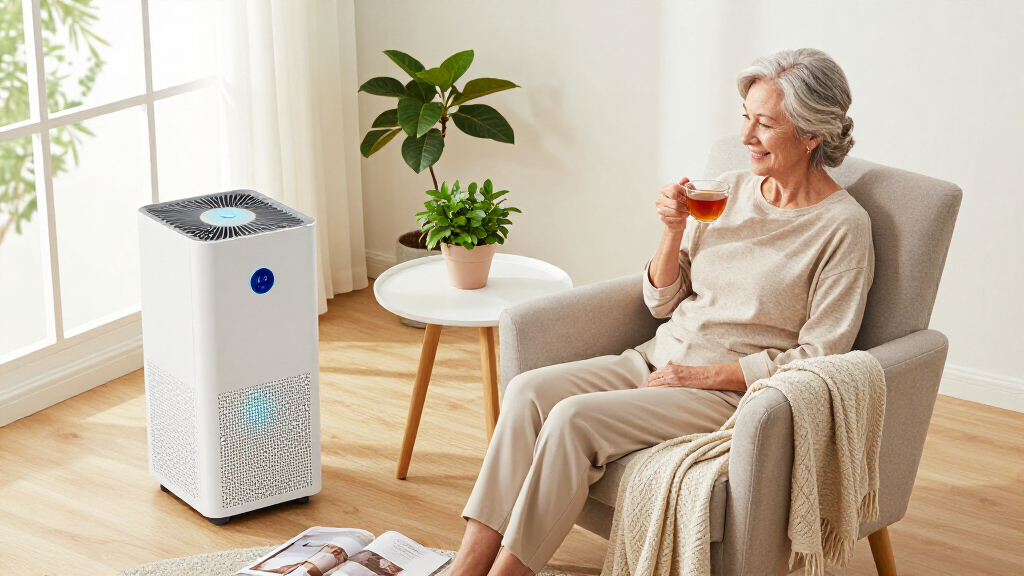
HEPA air purifier for cognitive health
As an affiliate, we earn on qualifying purchases.
As an affiliate, we earn on qualifying purchases.
Rising Interest in Air Quality and Brain Health
Over recent years, there has been increasing concern about the impact of air pollution on health, including respiratory and cardiovascular issues. More recently, scientists have begun exploring how airborne pollutants may also affect brain health, linking exposure to cognitive decline and neurological disorders. The use of HEPA air purifiers has grown in popularity as a way to improve indoor air quality, especially in urban areas with high pollution levels.
This trend has coincided with a surge in media coverage and online searches about the cognitive benefits of air purification devices. While the scientific community recognizes the importance of reducing airborne pollutants, the specific claim that HEPA filters can boost brain function within a month remains under investigation. The current spike in interest appears to be driven by early reports and a broader push to understand environmental factors influencing mental health.
Unconfirmed Evidence and Ongoing Research
While initial reports and small studies suggest a possible link between HEPA air purifier use and improved brain function within one month, definitive proof has not yet been established. Larger, controlled clinical trials are still in development, and it remains unclear whether the observed effects are directly caused by air quality improvements or influenced by other variables such as participant expectations or lifestyle changes. Experts agree that more rigorous research is needed before making firm claims about cognitive benefits.
Next Steps in Research and Public Guidance
Researchers are planning larger-scale clinical trials to verify whether HEPA air purifiers can reliably enhance brain function. Meanwhile, health authorities may monitor emerging evidence to determine if recommendations for air purifier use should include cognitive benefits. Public interest is likely to continue rising as more preliminary findings are shared, but experts advise consumers to interpret early claims cautiously until conclusive data is available.
Key Questions
Can HEPA air purifiers really improve my brain function?
Current evidence is preliminary and does not confirm a direct causal link. More research is needed to determine if using HEPA air purifiers can reliably enhance cognitive performance within a month.
How do air purifiers potentially affect brain health?
They may reduce exposure to airborne pollutants like fine particulate matter, which some studies suggest could impair cognitive functions. However, definitive proof of this effect on brain health is still under investigation.
Are there any risks to using HEPA air purifiers for this purpose?
HEPA air purifiers are generally considered safe for indoor use. Nonetheless, consumers should follow manufacturer instructions and ensure proper maintenance to avoid issues like mold growth or device malfunction.
When can we expect more conclusive evidence?
Researchers are planning larger clinical trials over the next year, with some preliminary results possibly available within 12-18 months. Until then, claims about cognitive benefits should be viewed as early hypotheses.
Should I start using an air purifier to boost my brain power now?
While improving indoor air quality has known health benefits, there is no conclusive evidence yet that it will boost brain function within a month. Consult health professionals for personalized advice.
Source: rss
Cold & flu season Picks
humidifiers
As an affiliate, we earn on qualifying purchases.