
TL;DR

Turn quiet afternoons into listening time
- Thousands of audiobooks, podcasts and originals
- Listen on your phone, tablet or Echo — also offline
- Cancel anytime
A contributor to Sixty and Me describes how summer hiking, gardening, travel and time with loved ones helped her feel stronger and more connected. She says those experiences, along with preserved food and plans for winter walks and skiing, will sustain her through the darker months.
The writer says a long hiking season helped her regain confidence in her physical abilities. She describes walking, balancing and climbing on trails, and says her knee no longer swelled after a four-hour hike. She also reports that carrying a pack improved her posture and that a back problem she associates with an earlier rowing-boat movement seemed to have receded. These are personal observations, not medical findings.
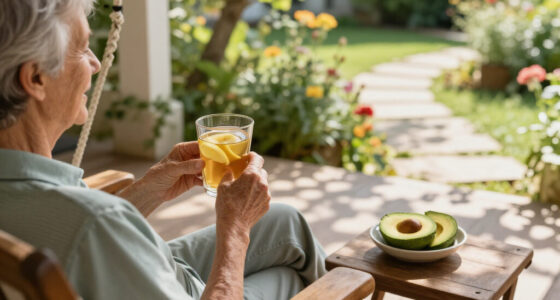
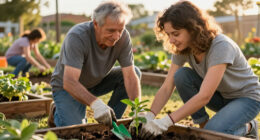
Gardening provided both physical activity and food. The writer lists vegetables and fruit from her spring and summer garden, including peas, fava beans, greens, broccoli, potatoes, strawberries, currants, grapes, plums and apples. She says preparing and eating the produce brought her pleasure and a sense of nourishment. She also describes meeting people while traveling and feeling renewed through shared experiences and contact with family.
As winter approaches, she plans to draw on those memories and continue moving outdoors. Dried fruit, salsa and pesto stored in her pantry will remind her of the warmer months, she writes, while brisk walks or ski outings may provide new opportunities for movement. The reflection also points to fall colors and winter scenery as sources of enjoyment.
Summer Habits Carry Into Winter
The account offers a personal example of how seasonal routines can shape someone’s expectations for colder, darker months. Its focus is broader than exercise: time outdoors, food, travel and family contact all feature in the writer’s account of feeling ready for winter.
For readers considering their own transition between seasons, the reflection describes practical ways this writer expects to maintain a sense of continuity: preserving summer foods, recalling meaningful experiences and looking ahead to walking or skiing. It is an individual perspective, rather than evidence that these activities prevent health problems or reliably improve well-being.
As an affiliate, we earn on qualifying purchases.
A Season of Trails and Garden Produce
The article is written in the first person and looks back on six months of longer days, travel, gardening and hiking. The writer frames the approaching winter solstice and shorter daylight hours as a reason to reflect on what the summer brought.
Her account moves from physical activity and garden harvests to social connection and a more reflective view of aging. She says she feels that she is experiencing more joy as she gets older, and that the summer left her with stories and memories to revisit during winter. The source does not give a reported location, a specific year for the events or independent corroboration of her health observations.
Personal Experience, Not Health Evidence
The article does not identify the contributor by name in the supplied material, specify when the experiences occurred or provide independent evidence for the reported changes in her knee, back or posture. The writer says the back problem “seems” to have receded, leaving the extent and cause unclear.
It is also unknown whether the writer’s seasonal routines will have the same effect in future winters, or whether other readers would experience similar changes. The piece presents a personal reflection, not a study, clinical assessment or forecast.
Winter Plans Include Walks and Skiing
The writer says she expects to carry summer memories into winter and use preserved foods as reminders of the season. She also anticipates brisk walks or ski outings and says winter landscapes can continue to offer sensory enjoyment.
The source does not announce a follow-up article, scheduled event or further reporting. Its closing invitation asks readers to share what they learned during summer that helped them prepare for fall and winter.
Key Questions
What is the article about?
A Sixty and Me contributor reflects on how summer hiking, gardening, travel and family connections helped her feel prepared for fall and winter.
What changes did the writer report after hiking?
She says her knee no longer swelled after a four-hour hike, her posture improved while carrying a pack and a back problem seemed to recede. These are her personal observations; the article provides no medical evaluation.
How does the writer plan to carry summer into winter?
She plans to draw on summer memories, eat dried fruit and other preserved foods, and look forward to walking or skiing.
Does the article show that summer activities improve health for everyone?
No. It is a personal reflection and does not present research or establish that the writer’s experiences apply to other people.
Source: rss
Cold & flu season Picks
humidifiers
As an affiliate, we earn on qualifying purchases.