
TL;DR

Turn quiet afternoons into listening time
- Thousands of audiobooks, podcasts and originals
- Listen on your phone, tablet or Echo — also offline
- Cancel anytime
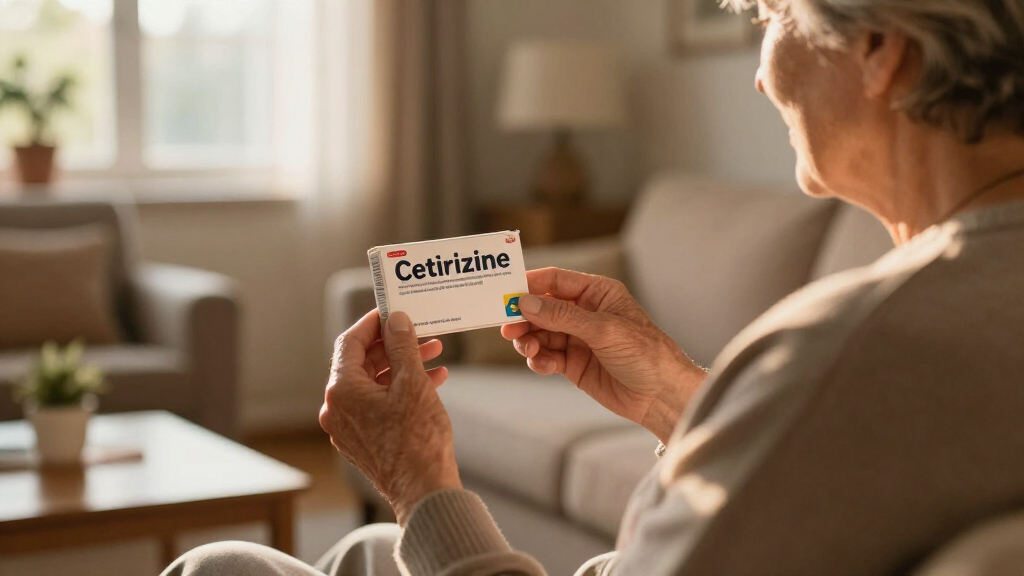
Multiple cetirizine allergy medications, including popular brands, have been recalled in the US due to potential contamination. This recall affects consumers and healthcare providers, with ongoing investigations into the cause. Details on the scope and specific products are still emerging.
Multiple brands of cetirizine allergy medication have been voluntarily recalled across the United States due to potential contamination with foreign substances, according to the Food and Drug Administration (FDA). This recall impacts over-the-counter and prescription formulations, affecting consumers who rely on the medication for allergy relief. The FDA emphasized that the recall is precautionary as investigations continue into the contamination source.
The FDA announced on March 2026 that several cetirizine products, including well-known brands such as Zyrtec, are being recalled nationwide. The recall was initiated after reports of foreign particles found in some batches during routine quality checks. The affected products have been distributed through pharmacies, grocery stores, and healthcare providers, with no confirmed reports of adverse health effects so far. For more information, see the recall notice.
Manufacturers involved include major pharmaceutical companies, which have issued public notices urging consumers to stop using the recalled products and to consult healthcare providers for alternatives. The FDA has not yet specified the exact nature of the contamination but stated that the foreign substances could pose health risks if ingested.
Consumers are advised to check their medication packaging for batch numbers and to return or dispose of any affected products. The recall is still under investigation, and authorities are working to determine whether the contamination originated during manufacturing or distribution.
Implications for Allergy Medication Safety and Consumer Trust
This recall underscores the importance of rigorous quality control in pharmaceutical manufacturing and raises concerns about the safety of widely used allergy medications. For consumers, it highlights the need for vigilance when using over-the-counter drugs. The ongoing investigation could influence future regulatory policies and manufacturing standards, emphasizing the importance of contamination prevention. Healthcare providers need to be aware of the recall to advise patients appropriately and consider alternative treatments during this period.cetirizine allergy medication alternatives
As an affiliate, we earn on qualifying purchases.
As an affiliate, we earn on qualifying purchases.
Background on Cetirizine and Recent Recall Trends
Cetirizine is a commonly used antihistamine for allergy relief, with brands like Zyrtec leading the market in the US. Recalls of allergy medications are relatively rare but have occurred before due to contamination or manufacturing issues. The current recall follows a series of recent alerts related to pharmaceutical safety, reflecting increased regulatory scrutiny and industry challenges in maintaining quality standards. Past incidents have prompted tighter regulations, but this situation indicates ongoing vulnerabilities in the supply chain.
The FDA has previously issued warnings and recalls for various drug classes, but the widespread nature of this cetirizine recall marks a significant development in allergy medication safety. The agency is coordinating with manufacturers to identify the contamination source and prevent future occurrences.
“We are actively investigating the contamination reports and are working with manufacturers to ensure consumer safety. Consumers should check their medication and follow recall instructions.”
— FDA spokesperson
Unconfirmed Details About Contamination Source and Scope
It is not yet clear exactly what foreign substances are involved or how widespread the contamination is across different batches and brands. The FDA and manufacturers have not disclosed specific batch numbers or detailed findings, and investigations are ongoing.
There is also uncertainty about whether the contamination originated during manufacturing, packaging, or distribution, which could influence future regulatory actions and manufacturing practices.
Next Steps in Investigation and Consumer Guidance
The FDA and involved companies are expected to release detailed findings about the contamination source and affected products within the coming weeks. Consumers are advised to monitor official notices and check their medication batch numbers. Healthcare providers should stay informed to advise patients appropriately and consider alternative allergy treatments during this period.
Regulators may also implement stricter quality control measures or update manufacturing standards to prevent similar incidents in the future. The ongoing investigation will determine whether additional recalls or safety alerts are necessary.
Key Questions
Which cetirizine products are affected by the recall?
The recall covers several brands, including Zyrtec, but specific affected products depend on batch numbers. Consumers should check official FDA and manufacturer notices for detailed information.
Are there health risks associated with the contaminated cetirizine?
At this time, there are no confirmed reports of adverse health effects. However, the presence of foreign substances could pose risks if ingested, which is why the recall is precautionary.
Should I stop using my cetirizine medication immediately?
Consumers are advised to stop using affected products if they have been recalled and consult healthcare providers for guidance and alternative treatments.
How can I identify if my medication is part of the recall?
Check the packaging for batch or lot numbers against official recall notices from the FDA or manufacturer. Discard or return affected products as instructed.
Will there be replacements or refunds for recalled cetirizine?
Manufacturers and retailers are expected to offer refunds or replacements. Consumers should contact the point of purchase or the manufacturer for specific instructions.
Source: google-trends
Cold & flu season Picks
humidifiers
As an affiliate, we earn on qualifying purchases.