Regular home safety checks are crucial for equipment users to prevent accidents and guarantee everything functions correctly. Each month, inspect your devices for damage, test alarms, and examine electrical cords and outlets for hazards. Keep ventilation clear and monitor wear and tear on appliances. If you find issues early, you can fix them before they cause bigger problems. Staying vigilant helps you stay safe—and, if you keep going, you’ll discover even more useful tips to protect your home.
Key Takeaways
- Regularly test emergency alarms, smoke detectors, and carbon monoxide sensors to ensure proper function.
- Conduct visual inspections for damage, wear, or corrosion on medical and safety equipment.
- Check electrical cords, outlets, and plug connections for fraying, overheating, or loose contacts.
- Clean vents, filters, and ensure unobstructed airflow around equipment to prevent overheating and malfunctions.
- Document all inspections, repairs, and safety issues to maintain an up-to-date safety record.
Why Regular Home Safety Checks Are Essential for Equipment Users
Have you ever considered how small issues with your equipment or home setup can quickly turn into serious safety hazards? Regular home safety checks are essential for equipment users because they support emergency preparedness. When you routinely inspect your devices and environment, you catch potential problems early—like faulty wiring or loose fittings—that could cause accidents. As a caregiver, it’s your responsibility to ensure safety measures are up-to-date and functioning properly. Conducting preventative maintenance can significantly reduce the risk of unexpected failures and hazards. Regular inspections also allow you to identify wear and tear that might compromise safety over time. Incorporating safety protocols into your routine ensures consistent monitoring and quick response to potential issues. Consistent checks help prevent emergencies and give you peace of mind knowing your loved one is protected. Staying proactive with safety reinforces your role in safeguarding their well-being. Remember, a small oversight today could lead to a critical situation tomorrow, so make safety checks a regular part of your routine. Incorporating ventilation considerations into your safety routine can also improve overall air quality and reduce hazards in spaces like saunas and cold plunge areas. Additionally, ensuring proper equipment calibration can help maintain safe operation standards and prevent malfunctions.
How to Create a Home Safety Checklist for Your Equipment
To create an effective home safety checklist, start by identifying your critical equipment that needs regular attention. Then, schedule consistent inspections to catch issues early and keep everything in top shape. Don’t forget to document your maintenance activities so you can track repairs and guarantee ongoing safety. Additionally, paying attention to air purifier maintenance dos and don’ts can help prolong the lifespan of your equipment and ensure optimal air quality. Understanding home safety protocols can also help you develop comprehensive safety practices that prevent accidents and equipment failures. Incorporating routine safety checks into your maintenance schedule can further enhance your home’s safety and ensure all devices operate effectively. Regularly reviewing equipment safety standards can keep you up-to-date with recommended practices and emerging safety concerns. Lastly, understanding Gold IRA markets can also provide insight into secure investment options for your financial future.
Identify Critical Equipment
Creating a home safety checklist starts with identifying your most critical equipment. This step guarantees you prioritize safety and emergency preparedness effectively. Think about devices essential for daily life and health. To do this, consider:
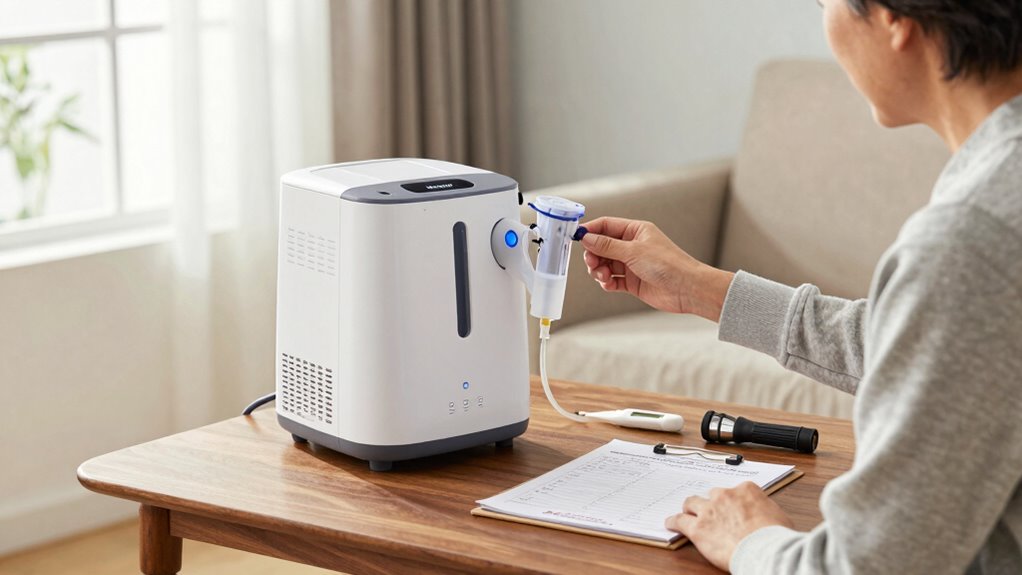
- Medical devices like oxygen tanks or mobility aids.
- Emergency communication tools such as alarms or phones.
- Power sources that support life-sustaining equipment.
- Equipment requiring regular caregiver training for safe operation.
- Incorporating energy-efficient cloud solutions can enhance your safety system’s reliability and data security. Additionally, understanding vetted safety products and protocols ensures you select the most effective measures to protect yourself and your household. Being aware of reliable safety standards helps you choose equipment that meets essential safety criteria, reducing risks during emergencies.
Schedule Regular Inspections
Scheduling regular inspections is essential to guarantee your critical equipment remains safe and functional. Consistent checks help identify issues early, especially in systems like home automation that rely on complex wiring and software. Create a routine checklist to cover key areas such as power sources, safety sensors, and emergency planning features. Use this table as a guide:
| Inspection Item | Frequency |
|---|---|
| Test emergency alarms | Monthly |
| Check home automation | Every 3 months |
| Inspect safety devices | Monthly |
Document Maintenance Activities
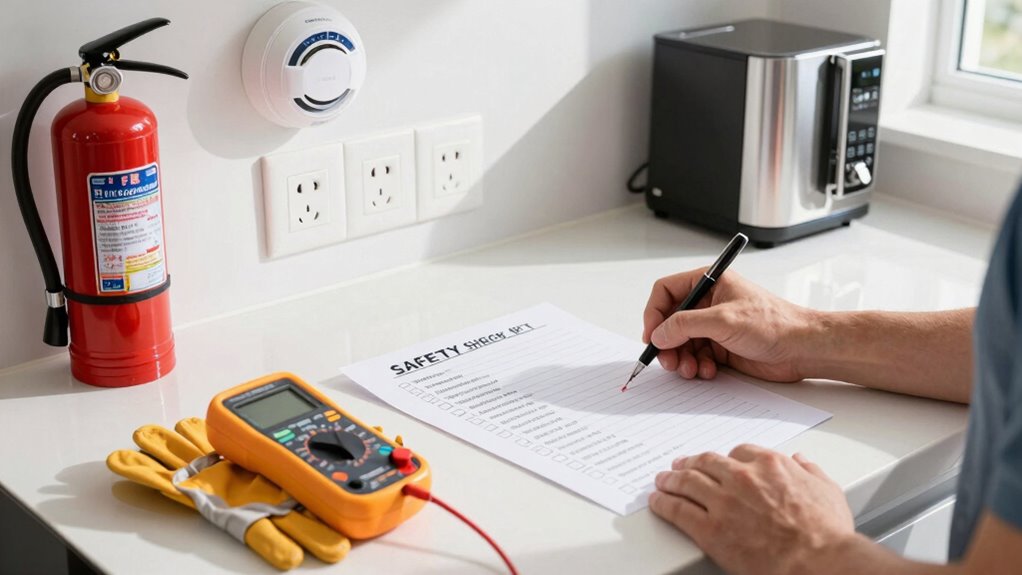
Maintaining an organized record of maintenance activities is essential for ensuring your home safety efforts stay effective. Proper documentation helps with equipment tracking and guarantees you stick to maintenance scheduling. To create an effective home safety checklist, follow these steps:
- Record dates of all inspections and maintenance tasks to track equipment history.
- Note any issues found and actions taken for quick reference.
- Schedule upcoming maintenance based on manufacturer guidelines and past activity.
- Keep checklists updated regularly to reflect completed tasks and new safety concerns.
- Incorporate document management strategies to ensure your records remain accurate and accessible. Implementing record-keeping best practices can further enhance your ability to maintain comprehensive and reliable safety logs. Consistently reviewing and updating these records ensures you stay aligned with recommended preventive maintenance schedules. Additionally, using digital record systems can streamline access and reduce the risk of lost information.
This approach keeps you proactive, minimizes equipment failure, and ensures safety standards are maintained. Accurate documentation simplifies troubleshooting and provides peace of mind, knowing your equipment is well-managed and safe.
How to Inspect Heaters and Medical Devices for Safe Operation
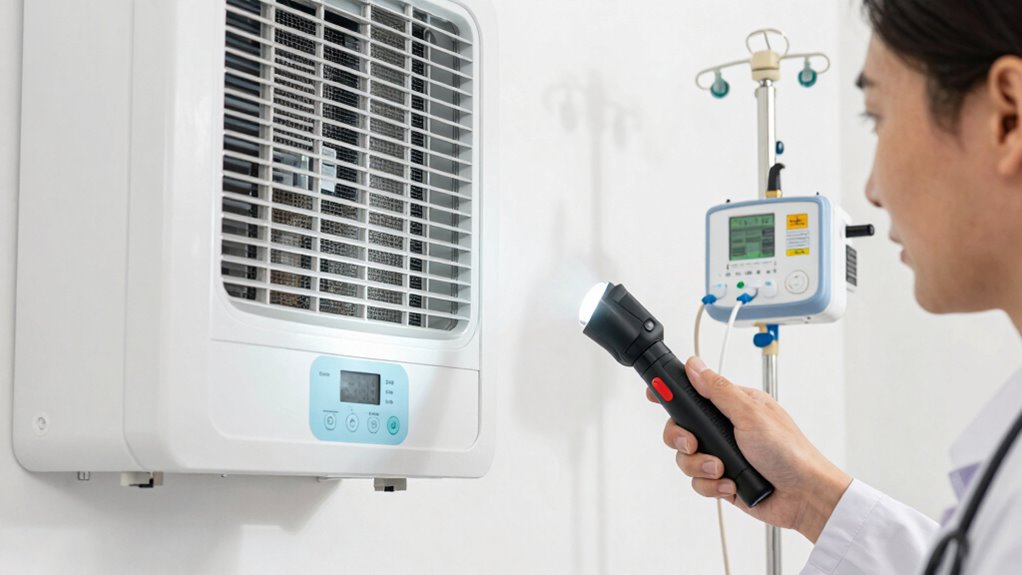
To guarantee your heaters and medical devices operate safely, start with a thorough visual inspection for signs of damage or wear. Then, perform functional tests to confirm they work properly and safely. These steps help you catch issues early and keep your home secure. Additionally, regularly checking for proper water flow can prevent malfunctions and ensure optimal performance. Maintaining reliable backup power systems is also essential to ensure continuous operation during outages. Regularly verifying network connections can help prevent disruptions in device performance and safety. In the context of nanotechnology, integrating advanced sensors can further enhance safety and monitoring capabilities for your equipment. Being aware of privacy policies related to connected devices can also help protect your personal information and ensure secure usage.
Visual Inspection Techniques
Performing a visual inspection of heaters and medical devices is a crucial step in guaranteeing their safe operation. By carefully examining each item, you can catch issues early and prevent accidents. Here are four key areas to focus on:
- Check for signs of damage, such as frayed cords or cracks in the device housing. Inspecting for damage helps prevent electrical hazards.
- Ensure lighting safety by verifying that indicator lights and displays are functioning properly and clearly visible.
- Look for clutter around the equipment, which can cause overheating or accidental tip-overs.
- Confirm that vents and filters are clean and unobstructed to maintain proper airflow and prevent overheating.
- Regularly review security system features to ensure your safety equipment remains integrated and effective. Additionally, inspecting airflow pathways helps maintain optimal device performance and safety.
Regularly conducting these visual checks helps you maintain a safe environment, reduce hazards, and keep your equipment working efficiently.
Functional Testing Procedures
After completing your visual inspection, it’s important to verify that heaters and medical devices function correctly during operation. Turn on each device and observe its performance, ensuring it heats properly or delivers accurate readings. Test emergency preparedness features, like alarms or automatic shut-offs, to confirm they activate as intended. Check accessibility adaptations, such as controls within reach or voice-activated functions, to ensure usability. Listen for unusual noises or vibrations that could indicate a malfunction. Regular functional testing helps prevent accidents and guarantees devices operate safely. Incorporate these checks into your routine to maintain a safe environment, especially during emergencies. Properly functioning equipment is vital for both safety and peace of mind, supporting ongoing health and accessibility needs. Understanding performance modifications can help you identify potential issues before they lead to failure.
How to Check Electrical Cords and Outlets to Prevent Fires
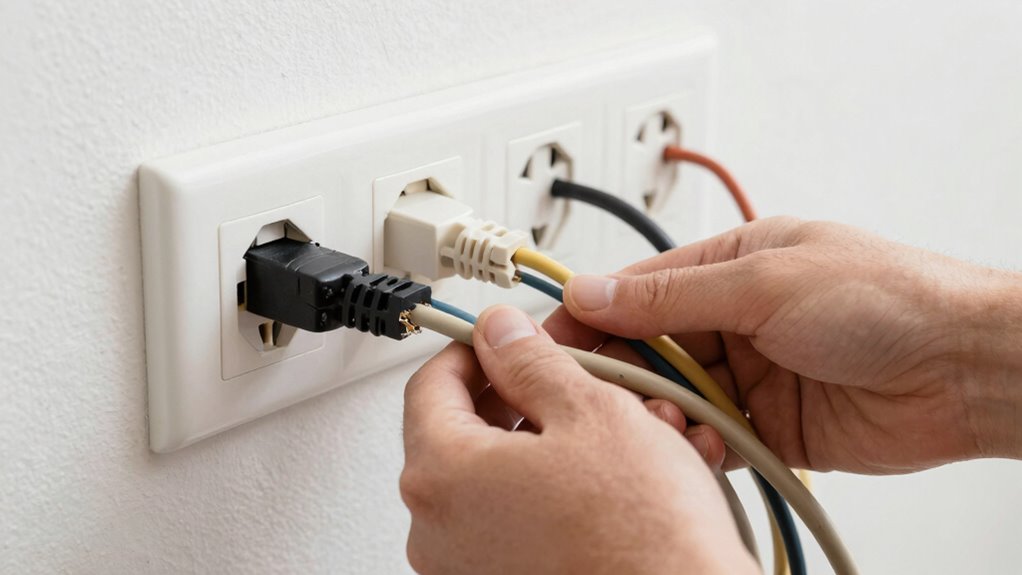
Electrical cords and outlets are common sources of fire hazards in your home, so it’s essential to verify them regularly. Ensuring electrical safety helps prevent accidents and fires. Start by inspecting cords for fraying, cracks, or exposed wires. Next, look at outlets for scorch marks, loose plugs, or signs of overheating. Here are four tips to help you:
- Replace damaged cords immediately.
- Avoid overloading outlets with multiple devices.
- Use outlet covers to prevent accidental contact.
- Perform outlet troubleshooting by testing for loose connections or sparks.
Regular checks catch problems early, reducing fire risks. By staying vigilant, you keep your home safer and ensure electrical safety for everyone.
How to Test Smoke and Carbon Monoxide Detectors Monthly
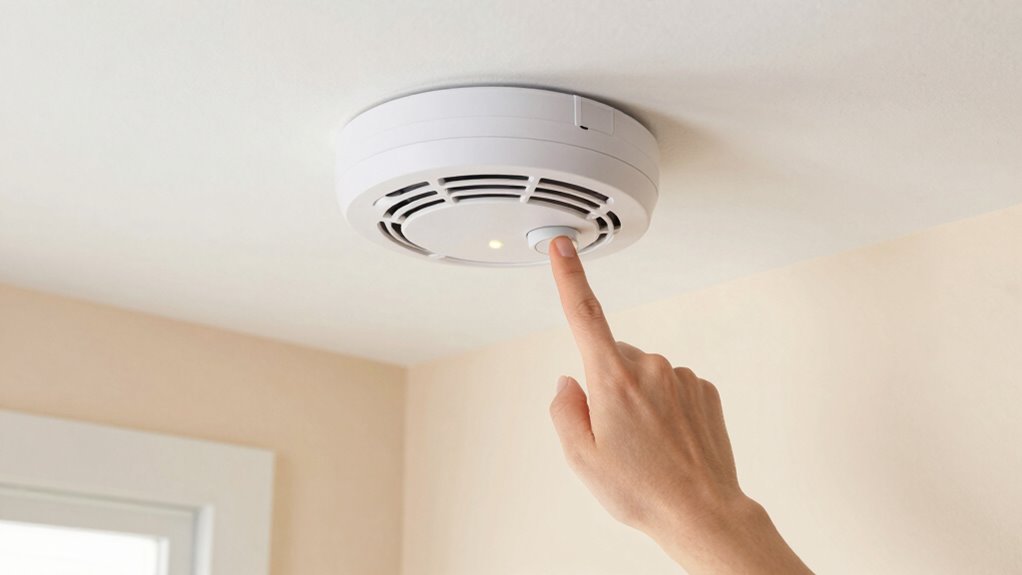
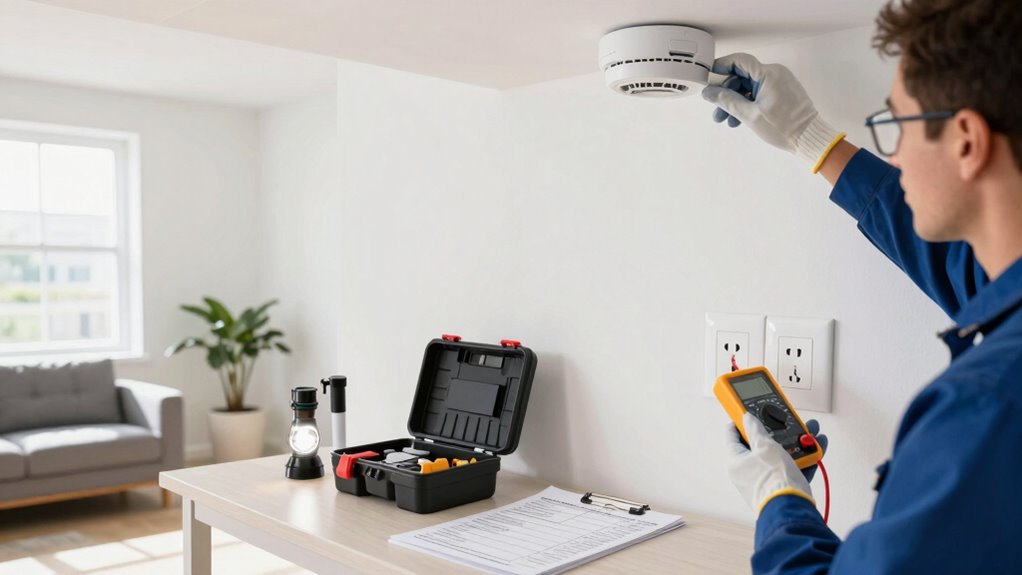
Regularly testing your smoke and carbon monoxide detectors is just as important as inspecting electrical cords and outlets. Safety alarms play a vital role in your emergency preparedness plan, alerting you to dangers before they become life-threatening. To test them, press the test button on each device and listen for a loud alarm that indicates proper function. If the alarm doesn’t sound, replace the batteries or the entire unit if needed. Keep your detectors clean and free of dust, which can impair performance. It’s also wise to review the manufacturer’s instructions for specific testing procedures. By performing these monthly checks, you guarantee your safety alarms are always ready to alert you during an emergency, helping protect your loved ones and your home.
How to Check Ventilation and Airflow for Equipment Safety
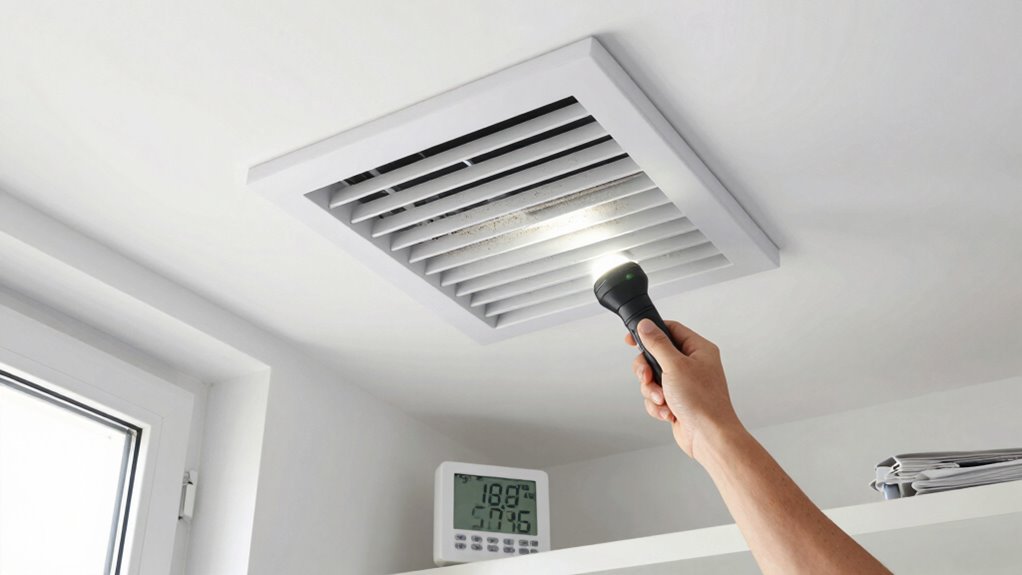
Ensuring proper ventilation and airflow around your equipment is essential for safety and efficient operation. Poor airflow can cause overheating, reduce equipment lifespan, or lead to dangerous buildup of fumes. To maintain ideal airflow, follow these steps:
- Check vents and exhaust fans for blockages or dust buildup and clean them regularly.
- Ensure there’s enough clearance around equipment—at least 18 inches—to promote airflow enhancement.
- Inspect ductwork for leaks or damage, sealing any gaps to prevent airflow disruption.
- Schedule routine ventilation maintenance to keep systems functioning smoothly and prevent airflow issues.
How to Spot Wear and Tear in Appliances and Devices
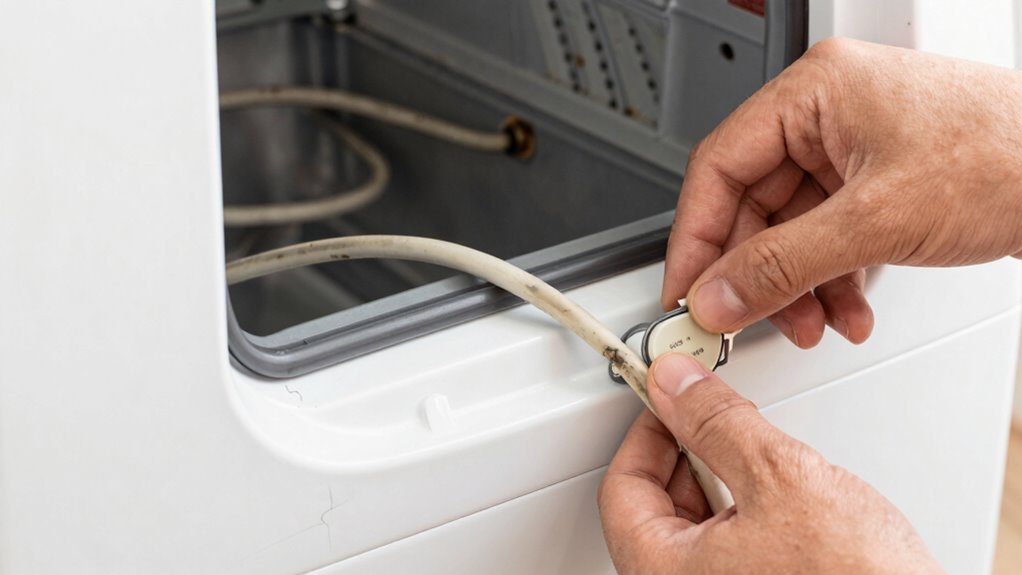
How can you tell if your appliances and devices are showing signs of wear and tear? Look for frayed cords, loose connections, or unusual noises during operation. Check for visible damage like cracks, corrosion, or discoloration, which can indicate declining device longevity. Pay attention to any overheating or burning smells, as these suggest internal issues. Regularly inspecting filters, vents, and moving parts helps identify early signs of deterioration. Keeping up with your maintenance schedules ensures issues are caught early, extending the lifespan of your equipment. Also, monitor performance—if an appliance starts working less efficiently or takes longer to complete tasks, it’s a sign that wear could be affecting its reliability. Spotting these signs early helps prevent safety hazards and costly repairs.
What to Do When You Find Safety Issues or Malfunctions
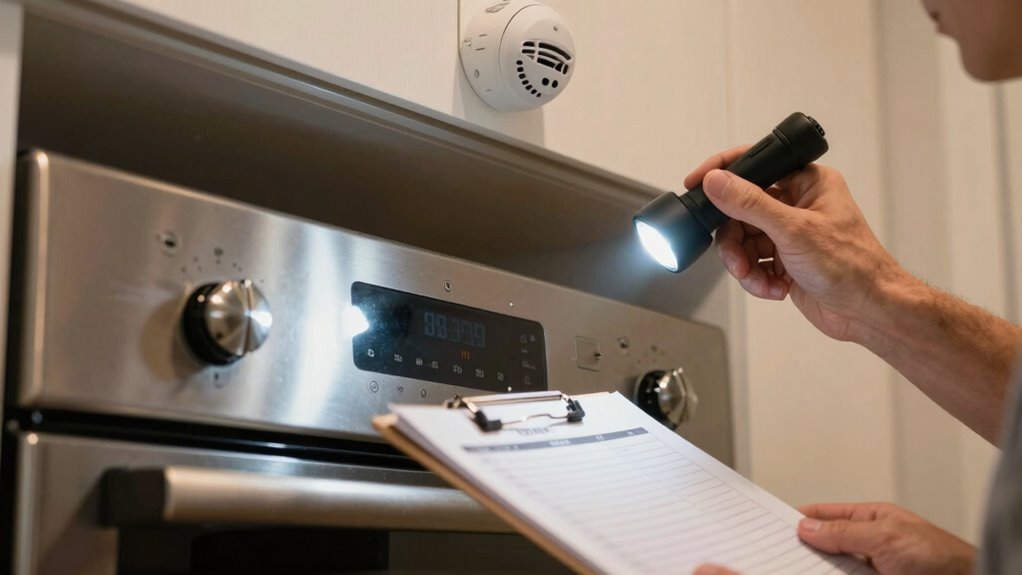
When you discover safety issues or malfunctions in your appliances or devices, it is crucial to act immediately to prevent accidents or further damage. First, turn off and unplug the affected equipment to stop any ongoing hazards. Then, follow these steps:
- Contact your emergency contacts to report the issue and get professional assistance if needed.
- Review your safety training to make certain you handle the situation correctly and safely.
- Inspect the device carefully for visible damage or leaks, and avoid using it until repaired.
- Document the problem with photos and notes for future reference or to provide to repair technicians.
Taking swift action helps keep everyone safe and ensures proper repairs are made promptly. Always prioritize safety and know who to contact in emergencies.
Frequently Asked Questions
How Do I Document My Monthly Safety Checks Effectively?
You should document your monthly safety checks by using detailed checklists to make certain of consistency. Keep clear records of each inspection, noting any issues or maintenance needs. Use a dedicated log or digital record-keeping system for easy tracking and future reference. Regularly review your checklists to confirm all safety procedures are followed, and file your records securely to demonstrate compliance and facilitate follow-up actions if needed.
What Signs Indicate My Equipment Needs Professional Maintenance?
You should seek professional maintenance if you notice device calibration issues, like inconsistent readings or performance. Also, if you’re experiencing frequent malfunctions despite troubleshooting or realize that user training hasn’t addressed operational problems, it’s time to call in experts. Regularly check for signs of wear or damage, and guarantee your device operates smoothly with proper calibration. Proper maintenance keeps your equipment safe and reliable, preventing costly repairs or accidents.
Are There Specific Safety Checks for Different Types of Medical Devices?
Yes, there are specific safety checks for different medical devices. You should regularly verify device calibration to ensure accurate performance and check battery management to prevent unexpected failures. For example, insulin pumps require calibration checks, while ventilators need battery status assessments. Always follow manufacturer guidelines, perform routine inspections, and document your checks to maintain safety. If you notice any issues, consult a professional promptly to avoid potential risks.
How Can I Ensure My Safety Checks Comply With Local Regulations?
Think of your safety checks as steering a map through uncharted territory. To make certain you comply with local regulations, you need to follow clear inspection protocols like a trusted compass. Review your region’s regulatory guidelines regularly, keep detailed records of each check, and stay updated on any changes. By doing so, you’ll confidently steer your safety routine, making sure your equipment remains compliant and safe for everyday use.
What Should I Do if I Suspect My Equipment Is Malfunctioning?
If you suspect your equipment is malfunctioning, stop using it immediately and follow your emergency procedures to guarantee safety. Check if the equipment needs recalibration, as incorrect calibration can cause issues. Report the malfunction to your supervisor or maintenance team promptly. Avoid attempting repairs yourself unless trained. Regularly review calibration records and safety protocols to prevent future problems and ensure your equipment operates correctly and safely.
Conclusion
Think of your home safety checks as tending to a garden—they keep everything healthy and thriving. Regular inspections catch problems early before they grow into bigger dangers. By staying vigilant each month, you’re nurturing a safe environment where your equipment can serve you reliably. Remember, a little care today prevents a storm tomorrow. Keep up with your safety routine, and you’ll cultivate peace of mind all year round.