Stairs pose serious risks for seniors because natural age-related declines in balance, strength, and vision increase the chance of falls. Poor lighting, worn steps, clutter, and lack of sturdy handrails make stairs even more dangerous. Environmental hazards like loose or uneven surfaces can lead to trips and slips. Recognizing warning signs and making simple home modifications can greatly reduce these risks. Keep exploring to learn how you can keep your loved ones safe on stairs.

Turn quiet afternoons into listening time
- Thousands of audiobooks, podcasts and originals
- Listen on your phone, tablet or Echo — also offline
- Cancel anytime
Key Takeaways
- Age-related decline in balance and strength increases seniors’ fall risk on stairs.
- Poor lighting, uneven surfaces, and cluttered stairs heighten the chance of trips and slips.
- Lack of sturdy handrails and non-slip surfaces reduces support and stability for seniors.
- Vision and balance impairments can cause misjudgment of steps, leading to falls.
- Regular inspection, environmental modifications, and safety devices significantly improve stair safety for seniors.
As an affiliate, we earn on qualifying purchases.
Why Seniors Are More at Risk on Stairs
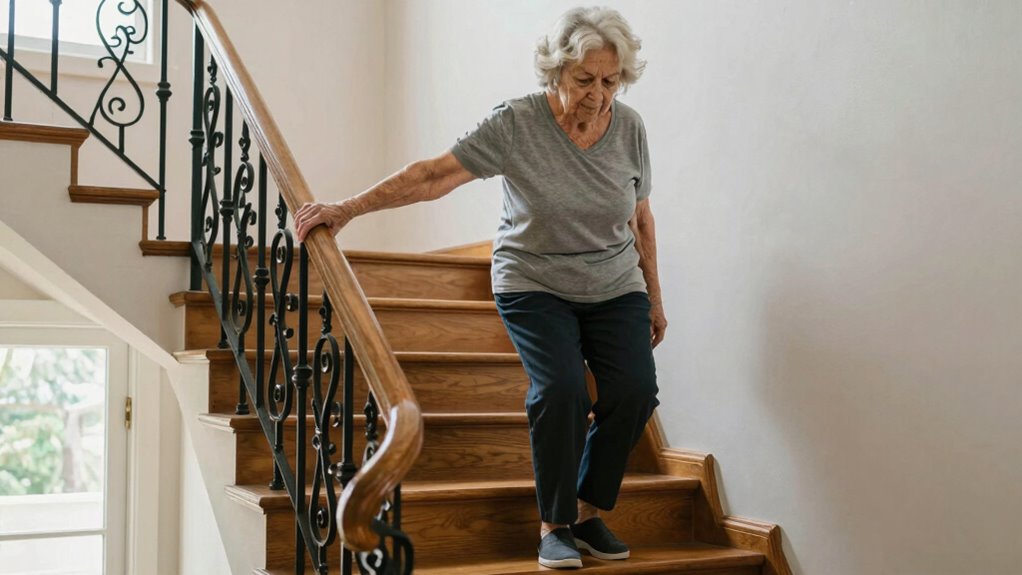
As people age, their balance, strength, and coordination naturally decline, making stairs a significant hazard. Poor stair design can increase this risk, especially if steps are uneven, narrow, or lack proper lighting. Handrail placement plays a critical role; without sturdy, accessible handrails on both sides, seniors lose a vital support system. Properly positioned handrails help stabilize movement and prevent falls, especially during ascent and descent. When stairs lack these safety features, older adults may struggle to maintain their footing or feel less confident managing them. Additionally, incorporating non-slip surfaces can greatly reduce the chance of slipping on stairs. Thoughtful stair design, including well-placed handrails, directly influences safety. By addressing these factors, you can reduce the likelihood of falls and help seniors manage stairs more securely. Implementing stair safety guidelines can further enhance overall safety and peace of mind.
Common Causes of Stair Falls for Older Adults
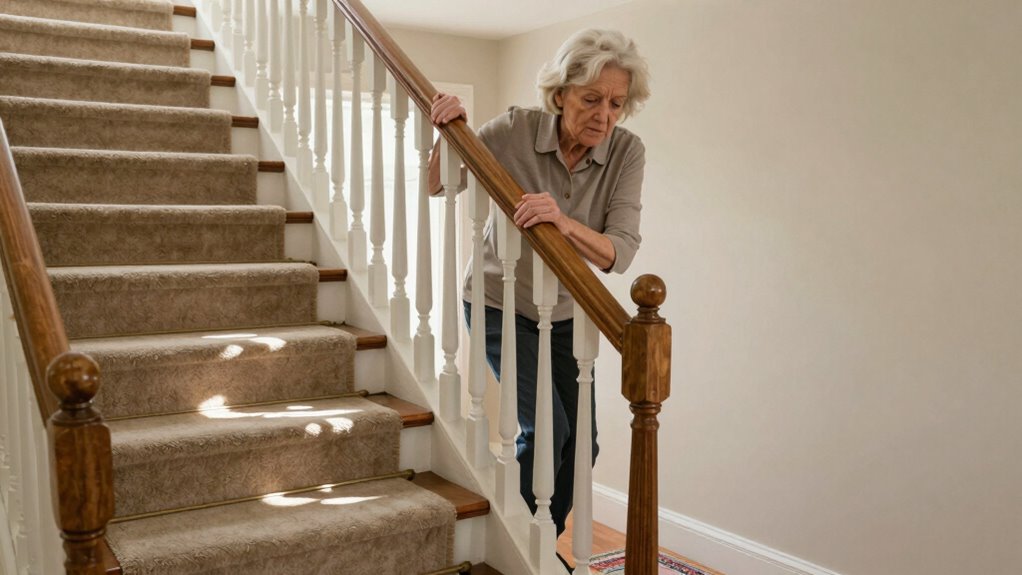
Many stair falls happen because of poor lighting, making it hard to see each step clearly. Worn or loose steps can also cause you to trip or lose your balance. Additionally, if you have mobility or balance issues, traversing stairs becomes even more dangerous.
Poor Lighting Conditions
Poor lighting conditions often contribute markedly to stair falls among older adults because insufficient illumination makes it difficult to see steps clearly, increasing the risk of missteps and slips. To reduce this danger, make sure there is adequate lighting at all stairways, especially in darker areas. Proper stair signage can also alert you to changes in step height or direction, preventing surprises. Consider these critical points: 1. Falling in the dark can lead to serious injuries, making proper lighting essential. 2. Shadows and dimly lit stairs hide hazards, causing accidental missteps. 3. Clear stair signage guides your steps and boosts confidence when navigating stairs. 4. Using field‑of‑view and imaging‑scale comparisons can help you better evaluate stair lighting setups and ensure visibility from different angles. Additionally, ensuring the lighting is evenly distributed helps eliminate dark spots, which are common causes of accidents. Proper lighting not only enhances visibility but also helps in reducing hazards, creating a safer environment for all. Ensuring the adequacy of lighting directly impacts stair safety and can prevent many falls. When evaluating your stairway, paying attention to lighting uniformity can make a significant difference in safety. Prioritizing adequate lighting and visible signage transforms stairs from a danger zone into a safer pathway, helping you avoid avoidable accidents.
Loose or Worn Steps
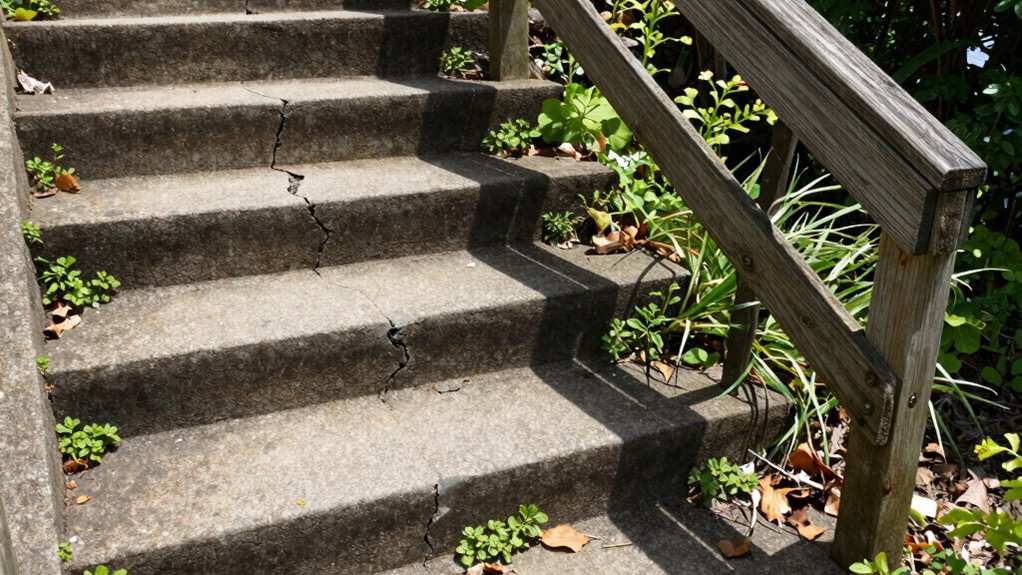
Loose or worn steps are a common hazard that can easily cause falls among older adults. When the step stability is compromised, it becomes difficult to trust each step, increasing the risk of slipping or losing your balance. Over time, tread wear can make surfaces uneven or slick, especially if the original grip has deteriorated. This deterioration emphasizes the importance of regular stair inspections to identify potential hazards early. Regularly inspecting your stairs for loose screws, cracked treads, or signs of wear is vital. Addressing these issues promptly ensures each step remains secure and stable. Using proper lighting can also help you spot potential hazards more easily. Maintaining sturdy, well-kept stairs helps reduce the risk of falls and keeps you safer every time you climb or descend. Additionally, understanding the importance of stair safety can help you implement effective measures to prevent accidents. Incorporating home safety assessments is another proactive step to ensure your stairs remain safe and secure. Moreover, ensuring your stairs have adequate slip resistance can significantly decrease the likelihood of slipping on worn or slick surfaces.
Balance and Mobility Issues
As you age, changes in balance and mobility often make maneuvering stairs more challenging. You might notice difficulty with coordination, muscle weakness, or slowed reflexes. These issues can cause you to:
- Lose your footing unexpectedly, risking a fall.
- Rely heavily on assistive devices like handrails or walkers, which may not always provide enough support.
- Struggle with stair design that isn’t adapted for safety, such as steep or narrow steps.
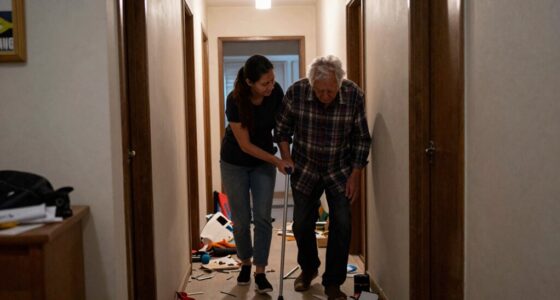
Poor stair design can increase your risk, especially if steps lack proper handrails or have uneven surfaces. Addressing these issues by using assistive devices correctly and choosing safer stair design can notably reduce your fall risk and help you stay independent longer.
How Vision and Balance Problems Increase Fall Risks

Because your vision and balance naturally decline with age, climbing stairs becomes riskier for seniors. Visual impairment and balance disorders can severely impair your ability to see steps clearly or maintain stability. When your sight is compromised, you might misjudge step height or overlook obstacles, increasing fall chances. Balance issues make it harder to stay steady, especially on uneven surfaces like stairs. Understanding home security systems can help protect seniors from falls by alerting caregivers promptly. Additionally, awareness of age-related sensory decline emphasizes the importance of environmental modifications for safety. Recognizing how air quality impacts overall health can also motivate improvements in home safety measures. Furthermore, implementing encryption solutions in smart home devices can enhance security and prevent unauthorized access, ensuring a safer environment for vulnerable individuals.
Environmental Hazards That Make Stairs Dangerous
Poor lighting can make it hard to see each step clearly, increasing your risk of tripping. Cluttered stairs or pathways create obstacles that can cause falls. Addressing these hazards is essential to keep stairs safe for seniors. Additionally, Gold IRA rollovers highlight the importance of careful planning and hazard mitigation when managing physical or financial risks. Proper investment strategies can also reduce financial hazards associated with retirement planning. Awareness of environmental hazards can further help in designing safer stairways and living spaces for seniors. Incorporating comprehensive architectural solutions can proactively enhance safety measures in residential environments.
Poor Lighting Conditions
Inadequate lighting on stairs can markedly increase the risk of falls for seniors. Poor lighting safety makes it difficult to see each step clearly, heightening the chance of missteps. Good stair design incorporates proper illumination to ensure each step is visible and safe. Consider these risks:
- You might trip on a hidden step, causing a fall.
- Shadows can disguise uneven surfaces or hazards.
- Insufficient light can lead to hesitation, increasing fall risk.
- Environmental hazards like poor lighting conditions can significantly compromise stair safety and should be addressed promptly.
Proper lighting enhances stair design by illuminating every step, reducing accidents. Bright, evenly distributed lighting helps you feel confident and secure when ascending or descending. Don’t underestimate the power of good lighting safety—it’s essential for preventing dangerous falls and protecting your independence. Additionally, lighting quality directly influences how well seniors can perceive their surroundings, further emphasizing the importance of effective illumination. Improving lighting can also reduce fall risks by ensuring all steps are clearly visible, making it easier to navigate safely.
Cluttered Stairs Area
Cluttered stairs create immediate hazards that can cause seniors to trip or fall. When your stairway is cluttered, stairway obstructions such as shoes, boxes, or loose objects block the path, increasing the risk of accidents. These obstacles force you to navigate carefully, but even small items can cause a misstep. Keep stairs clear at all times to prevent trips and falls. Regularly check for clutter or loose rugs that can slip or catch your foot. Avoid placing items on stairs or in the stairway’s immediate vicinity. A tidy, unobstructed stairway reduces hazards and makes each step safer. Additionally, understanding the horsepower of electric dirt bikes can help in assessing the potential risks associated with high-speed travel near stairways or in cluttered environments. Remember, cluttered stairs compromise your safety and can lead to serious injuries. Stay vigilant and keep your stairway free of obstacles for your peace of mind. Maintaining a clutter-free environment is a simple yet effective way to reduce environmental hazards and enhance safety.
Spotting Warning Signs of Unsafe Stairs at Home
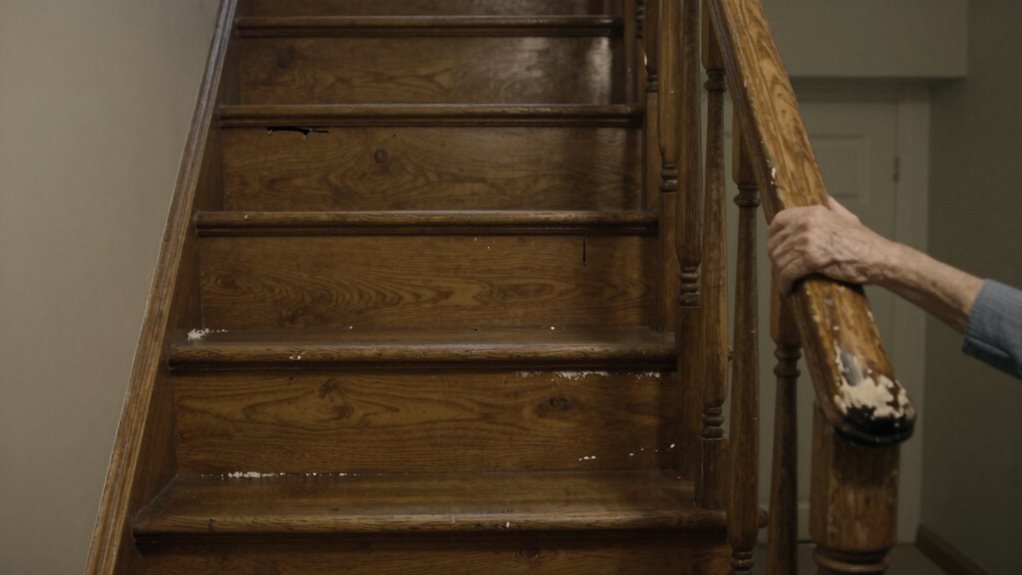
Recognizing the warning signs of unsafe stairs in your home is essential for keeping seniors safe. Poor stair safety can lead to falls, injuries, and even tragedy. Watch for these critical indicators:
Unsafe stairs increase fall risk—check for cracks, poor lighting, and loose handrails to keep seniors safe at home.
- Cracked or loose steps that wobble underfoot, increasing fall risk.
- Missing or dim lighting that makes it hard to see each step clearly.
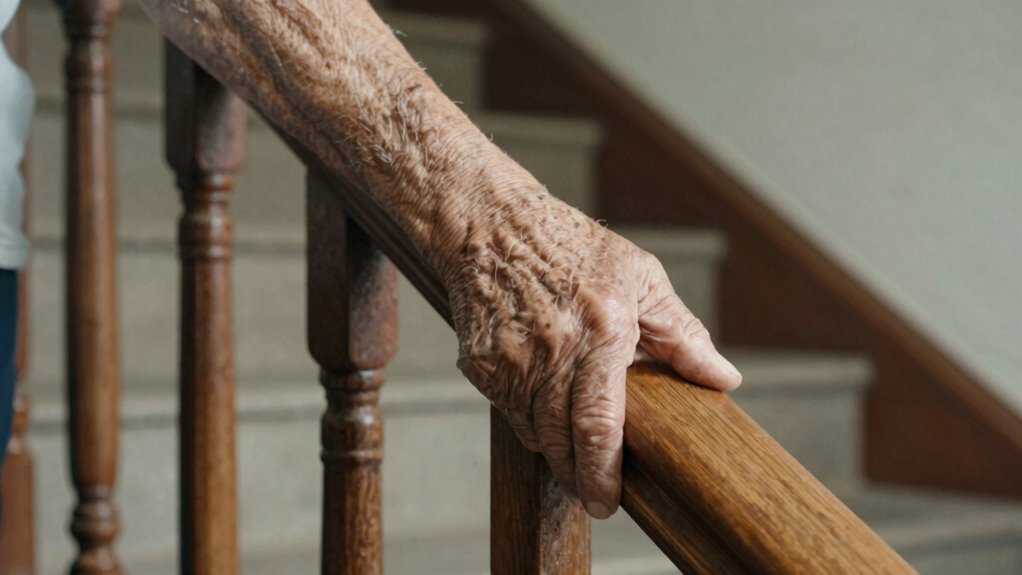
- Worn or uneven handrails that don’t provide reliable support.
Addressing these issues promptly is key to fall prevention. If you notice any of these signs, take action immediately — repair or replace damaged parts, improve lighting, and ensure handrails are secure. Staying vigilant about stair safety helps protect your loved ones and keeps them confident while maneuvering stairs daily.
Tips to Make Stairs Safer for Seniors
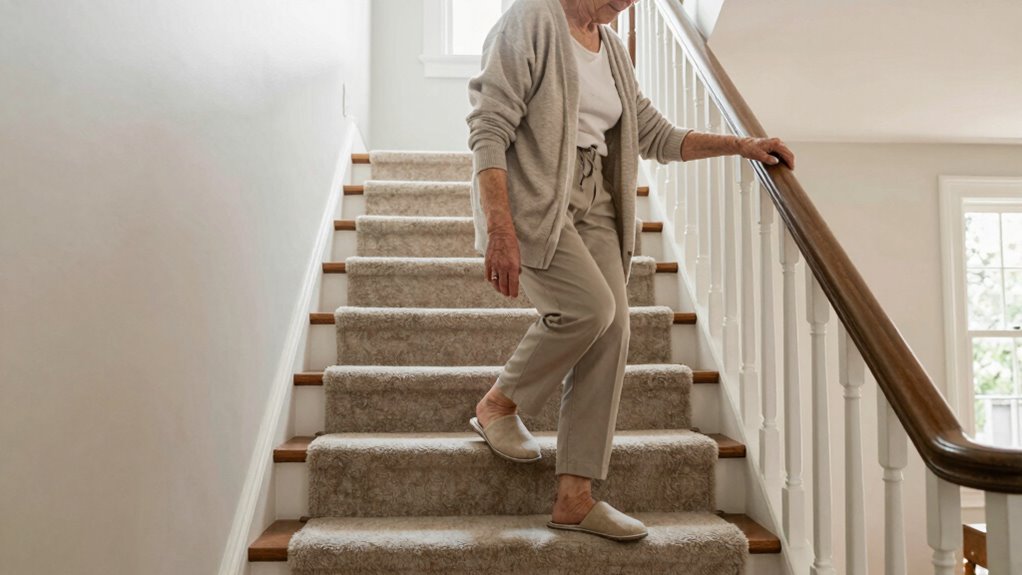
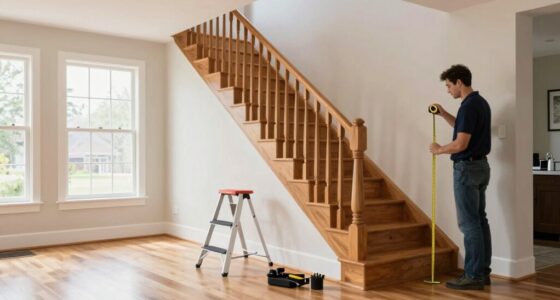
Ensuring stairs are safe for seniors involves making straightforward modifications that can considerably reduce the risk of falls. Start by evaluating the staircase design, ensuring it has even, non-slip surfaces and adequate lighting. Adding sturdy handrails on both sides provides essential support and stability. Proper handrail installation is key—make sure they are securely anchored at an accessible height and extend beyond the top and bottom of the stairs. Consider installing a gentle incline or reducing the number of steps if possible. Clear clutter and remove loose rugs or obstacles that could cause tripping. These simple adjustments create a safer environment, giving seniors more confidence when using stairs and helping prevent accidents.
Home Modifications and Devices to Prevent Falls

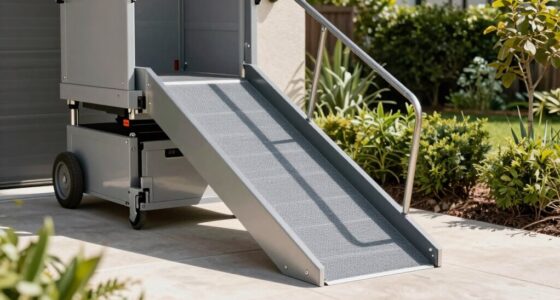
To effectively prevent falls at home, you can implement various modifications and use specialized devices designed for safety. These assistive devices and adjustments boost home safety and give you peace of mind. Consider these steps:
Implement home modifications and assistive devices to prevent falls and enhance safety.
- Install sturdy handrails on both sides of stairways to provide reliable support.
- Add non-slip treads or mats on stairs and in high-risk areas to prevent slips.
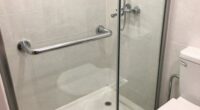
- Use grab bars in bathrooms and near stairways for extra stability during movement.
These simple modifications can dramatically reduce fall risks and help you move confidently. Prioritizing home safety ensures your environment supports independence and minimizes hazards. With the right assistive devices and thoughtful modifications, you can create a safer living space tailored to your needs.
When to Get Help for Stair Safety Concerns
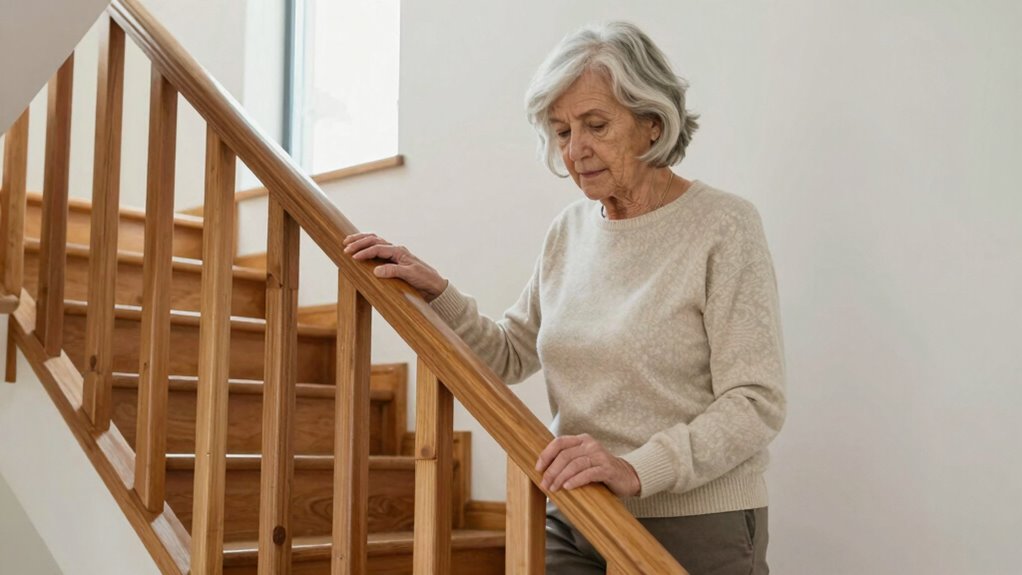
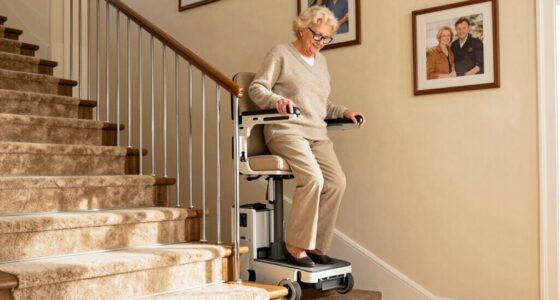
If you notice that climbing or descending stairs becomes increasingly difficult, it’s important to seek help promptly. Don’t ignore signs like frequent slips, loss of balance, or fatigue. Using assistive devices such as handrails, stair lifts, or walkers can improve safety, but they’re only effective if you’re comfortable using them and they’re properly installed. If these devices don’t fully address your concerns, consider consulting a healthcare professional or occupational therapist. It’s also essential to have an emergency plan in place, such as knowing who to call or where to go if you fall or experience difficulty. Recognizing when to get help ensures you stay safe and reduces the risk of serious injuries, giving you peace of mind in your home.
Frequently Asked Questions
How Can Seniors Improve Their Confidence When Using Stairs?
To improve your confidence when using stairs, focus on visual cues like bright, contrasting colors on each step to enhance visibility. Always use the handrail for support and stability. Practice slowly, paying attention to your footing and maintaining good posture. Taking your time and being mindful of your surroundings helps build confidence, making stair use safer and more comfortable. Consistent practice and awareness are key to gaining independence.
Are There Specific Footwear Recommendations for Stair Safety?
Think of your footwear as your safety net on stairs. You should choose shoes with non-slip soles, good arch support, and a snug fit to prevent slips. I once knew a senior who switched to supportive, slip-resistant shoes and felt much more confident. Proper footwear selection is key to slip prevention and overall stair safety, helping you stay steady and avoid falls. Always prioritize comfort and grip when selecting your stair-ascending shoes.
What Exercises Can Help Seniors Enhance Their Balance and Strength?
You can improve your balance and strength by practicing tai chi regularly, which enhances stability and coordination. Incorporate resistance training exercises, like light weightlifting or resistance band workouts, to strengthen muscles and improve overall stability. These exercises, combined with consistent practice, can help reduce the risk of falls on stairs, making your home safer and boosting your confidence when traversing stairs daily.
How Often Should Stairs Be Inspected for Safety Hazards?
You should inspect your stairs at least once a month for safety hazards. Check the staircase lighting to make sure it’s bright enough, and examine the handrails for stability and any signs of wear. Keep the steps clear of debris, and repair loose or damaged treads promptly. Regular inspections help prevent falls, especially for seniors, by maintaining a safe environment and ensuring all safety features like lighting and handrails are in good condition.
Can Technology Assist in Preventing Stair-Related Falls?
Imagine having a guardian angel watching over your stairs—that’s what technology offers. Smart sensors detect movement and alert you if something’s off, while wearable alerts notify you of potential falls before they happen. These tools act like an invisible safety net, reducing fall risks. By integrating smart sensors and wearable alerts, you can transform your home into a safer space, giving you peace of mind every time you ascend or descend stairs.
Conclusion
Just like Icarus soared too close to the sun, neglecting stair safety can lead to a painful fall. But with awareness and simple precautions, you can avoid that fate. Keep your stairs well-lit, clear, and sturdy—don’t wait for a fall to realize the risks. Remember, safety isn’t just about avoiding injury; it’s about preserving your independence and freedom. Take action today, and step confidently into a safer tomorrow.
Halloween Picks
halloween
As an affiliate, we earn on qualifying purchases.