

To prevent elder fraud and financial exploitation, boost digital literacy by teaching seniors how to spot scams, verify sources, and use strong passwords. Encourage community involvement through workshops, support networks, and regular check-ins to keep them informed and vigilant. Help them recognize suspicious messages and avoid sharing personal info online. Staying proactive with security measures and community support makes it harder for scammers to target vulnerable individuals. Keep exploring for more practical tips to safeguard your loved ones.
Key Takeaways
- Educate seniors on common scam tactics and how to verify suspicious messages or requests.
- Promote the use of strong, unique passwords and enable two-factor authentication on all accounts.
- Encourage regular review of bank statements and credit reports to detect fraudulent activity early.
- Foster community outreach through workshops, seminars, and support networks to increase awareness and vigilance.
- Collaborate with local organizations and experts to provide ongoing digital literacy education and personalized assistance.
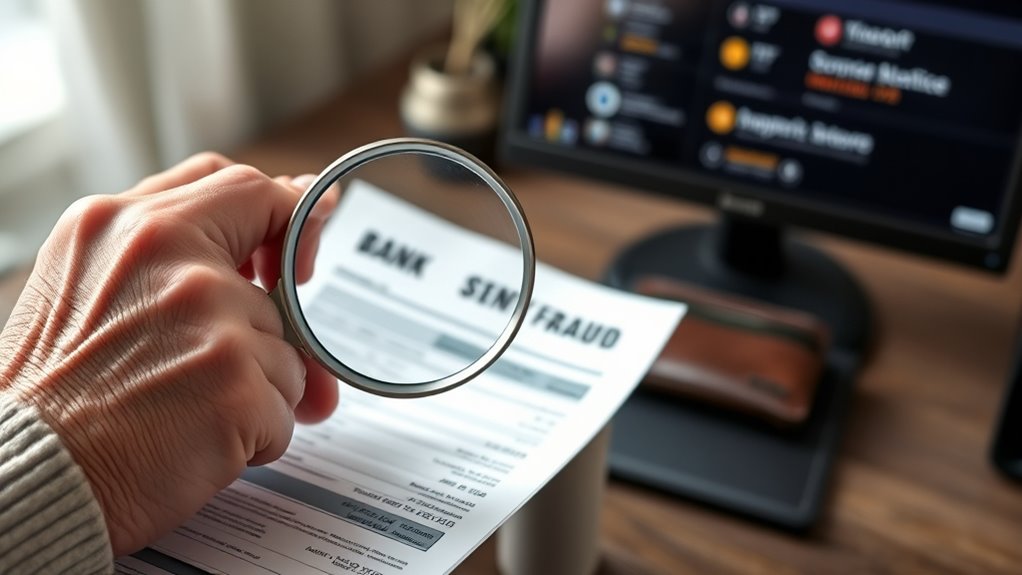
How can you protect your loved ones from falling victim to elder fraud? One of the most effective ways is by improving their digital literacy. Many scams now originate online, through emails, social media, or fake websites that appear legitimate. If your loved ones understand how these scams work and recognize warning signs, they’re less likely to be duped. Teach them to be cautious about sharing personal information, to verify the authenticity of messages, and to avoid clicking on suspicious links. Encourage them to use strong, unique passwords and enable two-factor authentication on their accounts. Regularly reviewing bank statements and credit reports can also help spot fraudulent activity early. Building their digital skills not only helps them navigate the internet safely but also boosts their confidence in handling digital transactions. Additionally, incorporating projector technology into their entertainment or educational activities can serve as a positive way to engage their attention and develop new skills.
In addition to individual efforts, community outreach plays a crucial role in elder fraud prevention. Connecting with local organizations, senior centers, and community groups creates a support network that can educate and empower older adults. These groups often hold workshops or seminars about common scams, how to identify them, and steps to take if they suspect fraud. By participating in community outreach programs, you help raise awareness and create an environment where seniors feel comfortable asking questions and sharing concerns. These initiatives foster a sense of belonging and vigilance, making it harder for scammers to operate undetected. When community members look out for one another, it becomes more difficult for fraudsters to find vulnerable targets.
Combining digital literacy education with community outreach efforts can considerably reduce the risk of elder fraud. For example, you might organize a local seminar with law enforcement, financial advisors, or cybersecurity experts to teach seniors about the latest scams and how to protect themselves. Offering ongoing support, like checking in regularly or helping review financial statements, reinforces the lessons learned. It’s essential to remember that elder fraud isn’t just about individual vigilance; it’s about creating an informed, connected community that supports its vulnerable members. By fostering awareness and providing resources, you empower your loved ones to recognize and avoid scams. Ultimately, staying proactive and engaged is your best defense against financial exploitation, ensuring your loved ones can enjoy their retirement years with confidence and security.
Frequently Asked Questions
How Can I Detect Early Signs of Financial Exploitation?
You can detect early signs of financial exploitation by watching for financial red flags, like sudden changes in bank account activity or unpaid bills. Also, pay attention to behavioral changes, such as withdrawal from social activities or confusion about finances. If you notice these signs, gently ask your loved one about their finances and consider consulting a trusted advisor. Early detection helps prevent further exploitation and protects their financial well-being.
What Legal Actions Are Available Against Elder Fraud Perpetrators?
You can pursue legal remedies like filing civil suits for recovery or injunctions to stop ongoing abuse. Criminal prosecution is also an option, as authorities can charge perpetrators with fraud, theft, or elder abuse. By reporting the incident to law enforcement, you enable them to investigate and potentially press charges. Taking these legal steps helps protect your loved one and hold fraudsters accountable for their actions.
How Can Caregivers Protect Elders From Scams Remotely?
You can protect elders from scams remotely by strengthening their digital security and using effective communication strategies. Teach them to recognize phishing emails, avoid sharing personal info online, and use strong passwords. Regularly check in via calls or video chats, and remind them to verify any suspicious messages or calls. Staying proactive with digital security tips and maintaining open communication guarantees they’re less vulnerable to scams.
Are There Specific Insurance Policies for Elder Financial Protection?
Think of insurance policies for elders as a safety net woven with care. Yes, there are specific insurance coverage options designed for elder financial protection, including policies that cover legal expenses, identity theft, and financial scams. These policy options act as shields, helping prevent financial exploitation. You should explore specialized elder protection policies to find the right coverage tailored to your loved one’s needs, giving you peace of mind.
How Effective Are Community Programs in Preventing Elder Fraud?
Community programs are highly effective in preventing elder fraud by engaging you through outreach efforts and educational workshops. These initiatives raise awareness, helping you recognize scams and protect your finances. When you participate in local events, you gain valuable knowledge, learn how to spot suspicious activity, and connect with resources. This proactive approach empowers you to stay informed and vigilant, reducing your risk of falling victim to financial exploitation.
Conclusion
By staying alert and informed, you can act as a strong shield against elder fraud and financial exploitation. Think of yourself as a lighthouse guiding your loved ones safely through stormy waters, preventing scammers from sinking their ship. Remember, your vigilance and quick action can turn the tide, protecting seniors from falling prey to deception. Together, you’re the first line of defense—bright, steady, and unyielding in the fight to keep their finances safe.