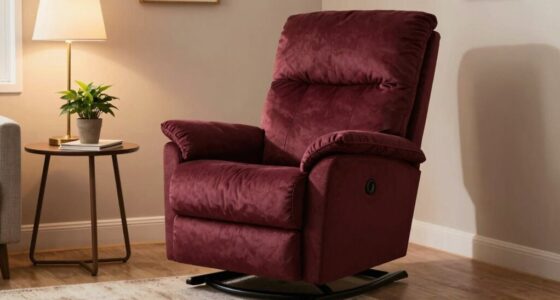
Many seniors resist lift chairs because they feel overwhelmed by new technology, worry about safety, or believe using one signals weakness or loss of independence. Myths like high cost or safety concerns can also cause hesitation. Emotional barriers, such as embarrassment or fear of falling, further hold them back. To help, it’s key to address these worries with understanding, demonstrations, and reassurance, so they feel confident and comfortable. Discover how to support them effectively in the upcoming tips.
Key Takeaways
- Seniors may fear lift chairs due to unfamiliarity, technology barriers, or concerns about safety and potential malfunctions.
- Emotional resistance, embarrassment, or the perception that lift chairs signify loss of independence can cause reluctance.
- Misconceptions about safety, cost, and the necessity of lift chairs often hinder acceptance among seniors.
- Building trust through demonstrations, sharing success stories, and involving seniors in decision-making encourages adoption.
- Respectful, patient education emphasizing safety features and benefits helps seniors feel more comfortable using lift chairs.

MAHOMICO Power Lift Recliner Chair for Elderly with Vibration Massage and Lumbar Heating, Electric Lift Recliner Single Sofa with Side Pocket, Two Cup Holders and USB Charge Port for Living Room
𝗣𝗼𝘄𝗲𝗿 𝗟𝗶𝗳𝘁 𝗥𝗲𝗰𝗹𝗶𝗻𝗲𝗿 𝗖𝗵𝗮𝗶𝗿: Elevate your relaxation with the MAHOMICO power recliner chair. This advanced lift chair recliner...
As an affiliate, we earn on qualifying purchases.
Why Do Seniors Fear Using Lift Chairs?

Have you ever wondered why some seniors hesitate to use lift chairs? One reason is technology barriers. Many older adults feel overwhelmed by new devices and worry they won’t operate the chair correctly. They might fear damaging it or making a mistake. They may also lack confidence due to unfamiliarity with technology adaptation and worry about potential complications. Peer influence also plays a role; if friends or family members express skepticism or mock the idea of using a lift chair, seniors may feel embarrassed or reluctant to try it. This social pressure can reinforce fears about dependency or losing independence. Additionally, some seniors worry that using a lift chair signals a loss of strength or independence, which makes them hesitant. Understanding these concerns helps you approach them with patience and reassurance, encouraging acceptance and comfort with the device. Addressing pool safety concerns and providing clear, simple instructions can help build their confidence in using new equipment. Educating seniors about assistive technology can further reduce their apprehension and foster a sense of empowerment. Explaining how user-friendly features are designed specifically for ease of use can also alleviate fears and promote acceptance. Furthermore, emphasizing the design simplicity of modern lift chairs can help reassure them that operating the chair is straightforward and safe.
Amazon Product B0DNZ5RVZP
As an affiliate, we earn on qualifying purchases.
What Are Common Myths About Lift Chairs?

Many seniors believe lift chairs are unsafe or too expensive, but these myths aren’t accurate. Some think using a lift chair means losing independence, yet it can actually help maintain it. Understanding the truths behind these misconceptions can make you more comfortable with considering a lift chair. Additionally, digital innovations are making lift chairs safer and more accessible than ever before. For example, advancements in safety features ensure better stability and user confidence. Recent technological developments are also contributing to improved comfort and ease of use for seniors. Incorporating features like adjustable positions can further enhance user experience and safety. Moreover, modern safety technology is continuously evolving, providing even greater reassurance for users.
Misconceptions About Safety
One common misconception about lift chairs is that they’re inherently unsafe, but in reality, these chairs are designed with numerous safety features. Modern lift chairs incorporate advanced technology integration, ensuring smooth and reliable operation. Their ergonomic design promotes proper posture, reducing strain and risk of injury. Many seniors worry about tipping or malfunctioning, but safety mechanisms like sturdy frames and controlled movement prevent these issues. Understanding these features can help you see lift chairs as a safe mobility aid rather than a hazard. Additionally, reputable lift chairs undergo rigorous safety testing to meet high standards. Furthermore, the use of advanced safety features in lift chairs ensures stability and prevents accidental tipping during use. In addition, the design innovations in lift chairs focus on user comfort and safety, further reducing concerns. These innovations are continually improved based on safety regulations and user feedback, which enhances overall trust in these devices. Moreover, ongoing improvements in manufacturing standards contribute to the reliable safety of modern lift chairs.
Cost and Affordability Concerns
A common misconception about lift chairs is that they are too expensive and out of reach for most seniors. Many believe that financial barriers prevent them from affording this helpful equipment. However, budget considerations can often be managed with options like insurance coverage, payment plans, or choosing a model that fits your needs and budget. Affordable options are available through various retailers and programs, making it easier to find a suitable and cost-effective solution. Additionally, understanding cost and affordability concerns can help seniors make informed decisions and explore financial assistance programs that may be available. Financial assistance programs and reputable retailers often have flexible payment options to make lift chairs more accessible. For example, some insurance coverage may partially or fully cover the cost, depending on individual circumstances. Here are some myths about cost:
- Lift chairs are a luxury, not a necessity.
- They are too expensive for anyone on a fixed income.
- You can’t find affordable options or financial assistance.
Many reputable home security systems offer affordable models, and financial aid programs may help reduce costs. Exploring these options can make lift chairs more accessible and affordable for you.
Beliefs About Independence
Some seniors believe lift chairs threaten their independence, but this is a common misconception. Many have independence fears or autonomy concerns, fearing that using a lift chair signals a loss of control or aging. They worry it might make them seem dependent or less capable. However, lift chairs are designed to support your independence by helping you move safely and comfortably. Using one doesn’t mean you’ve lost your autonomy; it means you’re taking proactive steps to stay active and self-sufficient. Embracing this perspective helps you maintain dignity and independence while enjoying the benefits of added mobility and safety. Recognizing that assistive devices can empower rather than diminish your independence can help shift your mindset. Understanding how technology can enhance your safety and activity levels can encourage more positive attitudes toward assistive tools. Additionally, viewing these tools as enhancements to mobility rather than symbols of decline can foster a more confident approach to aging gracefully. This perspective can also reduce the stigma associated with assistive technology, making it easier to accept and utilize these helpful tools. Recognizing that positive attitudes toward these devices can improve overall well-being is an important step in this process.
Amazon Product B0F62GYY19
As an affiliate, we earn on qualifying purchases.
What Physical and Emotional Barriers Keep Seniors From Using Lift Chairs?

Many seniors face physical limitations or pain that make using lift chairs uncomfortable or intimidating. Emotional factors like resistance or anxiety can also prevent them from trying these helpful devices. Understanding these barriers is key to addressing their concerns and encouraging acceptance. Additionally, trust and familiarity with the device can influence their willingness to use it, as seniors may feel more comfortable with equipment they recognize and feel confident using.
Physical Limitations and Pain
Physical limitations and pain can create significant barriers for seniors considering lift chairs. If you suffer from joint pain or mobility issues, the idea of using a lift chair might seem overwhelming or uncomfortable. You might worry that the process will cause more pain or that your body isn’t capable of handling the movement safely. These concerns can make you hesitant to try a lift chair, even if it could improve your daily comfort. Understanding your physical challenges is key. Here are some common issues seniors face:
- Joint pain that makes sitting down or standing up difficult
- Limited mobility, reducing confidence in moving independently
- Fear of falling or injuring yourself during transfers
Addressing these concerns with proper support and guidance can help ease your worries.
Emotional Resistance and Anxiety
Emotional resistance and anxiety often prevent seniors from using lift chairs, even when they could benefit from them. Emotional barriers such as fear of falling, loss of independence, or feeling embarrassed can make using a lift chair feel intimidating. Trust issues also play a significant role, especially if seniors worry the chair might malfunction or cause harm. These feelings can create a mental block, making them hesitant to try the device despite its safety benefits. Addressing these concerns involves building trust through reassurance, demonstrating how the lift chair operates safely, and encouraging gradual acceptance. Offering support and understanding helps reduce anxiety, making seniors more comfortable with using the lift chair and improving their overall mobility and independence.

Spacewalk 4 Wheel Mobility Scooter for Seniors - with Dual Baskets, 350W Motor, 264 lbs Capacity, 15 Miles Range, USB Charging Port, Foldable Heavy Duty Mobile Scooter for Elderly
【Friendly control panel】: color battery indicator, horn, headlight switch, speed control knob and lock switch, forward, reverse levers,...
As an affiliate, we earn on qualifying purchases.
How Can You Address Concerns and Build Trust With Seniors?

Building trust with seniors requires listening to their concerns and providing clear, honest information about lift chairs. When you show genuine empathy, seniors feel understood and respected, which helps reduce their fears. Use empathy strategies like acknowledging their worries, sharing success stories, and offering reassurance. To foster trust, focus on open communication and transparency about how the lift chair works and its safety features.
- Listen actively and ask open-ended questions to understand their fears
- Share relatable stories of other seniors who benefited from lift chairs
- Provide demonstrations to show how the chair operates and address doubts
How to Respectfully Introduce Lift Chairs to Seniors?

Introducing lift chairs to seniors requires sensitivity and respect, especially since they may feel hesitant or unsure about new equipment. Sharing personal stories can help seniors see how others have benefited, easing their concerns. Use caregiver strategies like involving them in the decision-making process and demonstrating genuine understanding. Approach the topic gently, emphasizing how the lift chair can improve their safety and comfort without making it seem like a loss of independence. Listen carefully to their worries and validate their feelings. Show patience and avoid rushing the conversation. By respecting their pace and preferences, you foster trust. Remember, a respectful introduction helps seniors feel valued and more open to embracing assistive devices that can enhance their quality of life.
How Can You Show Seniors Lift Chairs Are Safe and Easy to Use?

Showing seniors that lift chairs are safe and easy to use involves demonstrating their features clearly and confidently. Highlight how technology advancements have made these chairs more reliable, with smooth, quiet operations. Emphasize comfort enhancements, like plush padding and adjustable positions, that make using the chair pleasant. To build trust, offer a hands-on demonstration, showing how simple it is to operate the controls. Let seniors see that modern lift chairs are designed with safety in mind, including secure footrests and sturdy frames. Here are some ways to showcase their ease:
Demonstrate lift chairs’ safety and ease with hands-on tests and clear explanations of features.
- Demonstrate the intuitive control panels or remote
- Explain safety features like emergency stop buttons
- Show how smoothly the chair transitions between positions
This approach reassures seniors and helps them feel confident using the chair daily.
How Do You Support Seniors During the Transition to Using Lift Chairs?

Supporting seniors during the progression to using lift chairs involves patience and clear communication. Address their comfort concerns by explaining how lift chairs can be adjusted to provide personalized support. Reassure them that safety features are reliable and easy to operate. Respect their aesthetic preferences by choosing lift chairs that match their decor or come in preferred styles and colors. Encourage them to express any worries about how the chair looks or feels, and listen carefully. Demonstrate the chair’s benefits in a calm, non-pressuring way. Offer to sit with them during their first few tries, providing reassurance and assistance. By validating their feelings and emphasizing comfort and style options, you help make the progression smoother and less intimidating.
Frequently Asked Questions
Are There Alternative Solutions for Seniors Who Refuse Lift Chairs?
Yes, there are alternative solutions for seniors who refuse lift chairs. You can explore alternative therapies like physical therapy or strength exercises to improve mobility. Additionally, consider different mobility aids such as walkers, canes, or transfer benches that might feel more comfortable. The key is to find options that promote independence and safety, ensuring your loved one feels supported without feeling pressured to use a lift chair.
How Can Caregivers Encourage Hesitant Seniors to Try Lift Chairs?
A stitch in time saves nine, so start early. To encourage hesitant seniors to try lift chairs, offer emotional support and peer encouragement, showing patience and understanding. Share positive stories from peers who’ve benefited and reassure them about safety features. Gentle, consistent reassurance builds trust and helps them feel more comfortable, making them more open to trying the lift chair as a helpful solution rather than a threat.
What Signs Indicate a Senior Is Uncomfortable With a Lift Chair?
You’ll notice behavior cues like fidgeting, avoiding eye contact, or sudden movements that show discomfort. Emotional resistance might be evident if your senior seems anxious, hesitant, or verbally expresses fear about sitting in or using the lift chair. These signs indicate they’re uncomfortable, so it’s important to approach gently, offer reassurance, and respect their feelings, helping them feel safe and supported during the process.
Can Lift Chairs Be Customized for Individual Health Needs?
Think of a lift chair like a tailored suit, designed just for you. You can customize it with personalized adjustments and ergonomic features to suit your health needs perfectly. Many models offer adjustable recline angles, lumbar support, and footrest positions, ensuring comfort and safety. By choosing a chair that adapts to your body, you’ll feel more confident and relaxed, making it easier to enjoy your daily activities without discomfort or worry.
How Long Does It Typically Take for Seniors to Adjust to Using a Lift Chair?
It usually takes seniors a few days to a week to adjust to using a lift chair. During this adjustment period, they undergo psychological adaptation, getting comfortable with the new sensation and routine. You can help by offering reassurance, patience, and encouragement. Consistent use and positive reinforcement make the adjustment smoother, helping seniors feel more confident and secure while benefiting from the chair’s support.
Conclusion
When introducing lift chairs, remember it’s a journey, not a race. Be patient, listen to their fears, and show them the benefits with genuine care. Address concerns openly, offer reassurance, and respect their feelings. With understanding and a gentle approach, you’ll help them see it’s a tool to improve their independence, not take it away. Ultimately, building trust turns resistance into acceptance—proving that sometimes, the best way forward is to take things one step at a time.