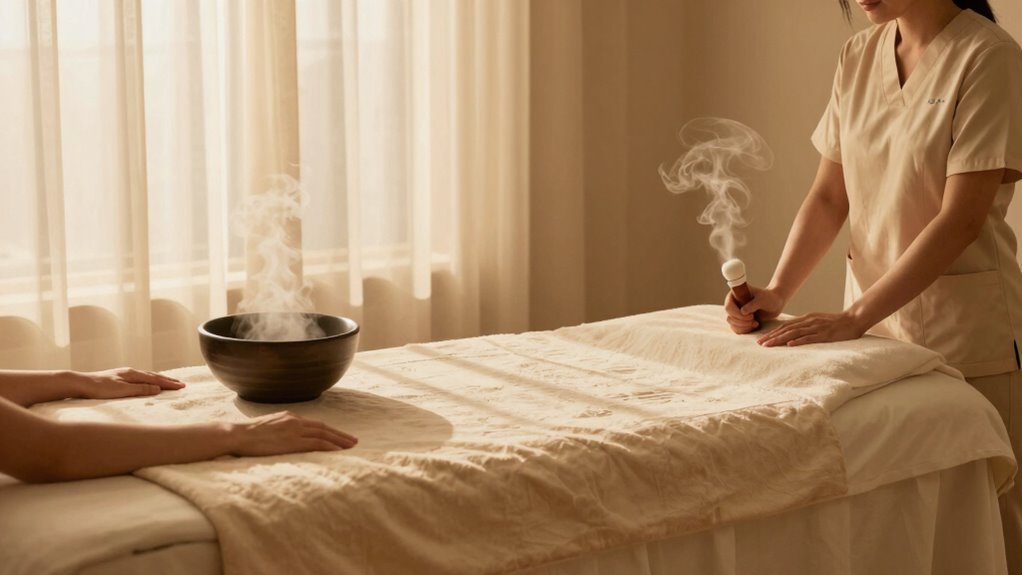

Heat therapy and massage sounds can offer quick relief by increasing blood flow and easing muscle tension, plus they help reduce stress and improve mood. However, they’re most effective when part of a broader health plan, not a cure-all. They work best alongside physical therapy and healthy lifestyle changes. Using these techniques correctly can make a difference, but understanding their role and limitations is key. Keep exploring to learn how to get the most from these powerful tools.

Turn quiet afternoons into listening time
- Thousands of audiobooks, podcasts and originals
- Listen on your phone, tablet or Echo — also offline
- Cancel anytime
Key Takeaways
- Heat and massage improve circulation, reduce stiffness, and promote relaxation, offering temporary relief for muscle discomfort.
- They are effective complementary tools but should be combined with professional treatment for long-term health.
- Proper diagnosis and guidance ensure these therapies address root causes and prevent masking serious conditions.
- Scientific evidence supports their benefits when used appropriately within a comprehensive health plan.
- Integrating heat and massage into overall self-care enhances their effectiveness and promotes sustainable well-being.
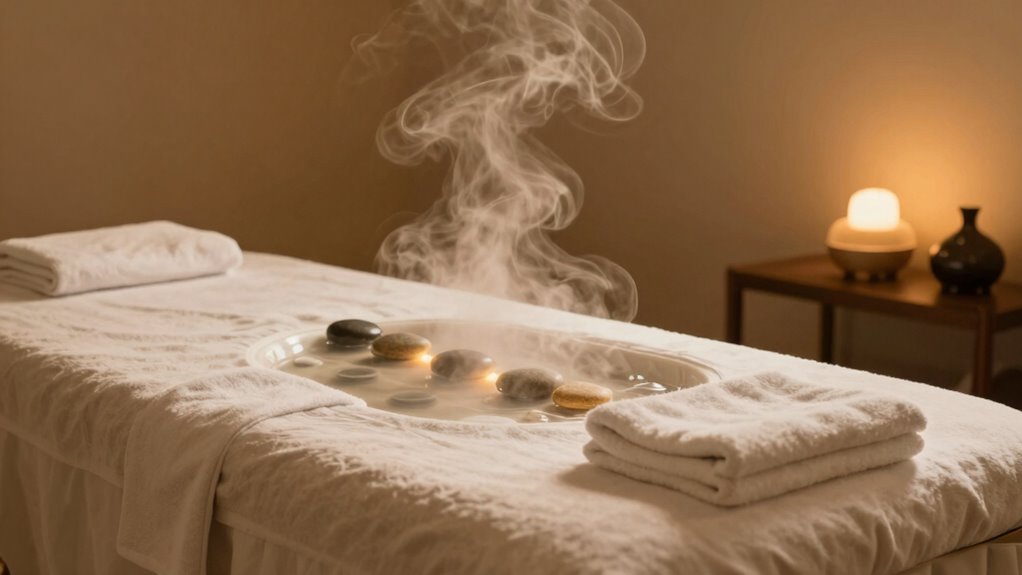
When it comes to relaxation tools like heat therapy and massage sounds, they often seem to promise instant stress relief. You might feel tempted to rely on them whenever tension builds or discomfort arises, but it’s worth asking whether they truly matter in the bigger picture of your health. While these techniques can offer temporary comfort, especially when used alongside physical therapy, they aren’t a cure-all for pain or stress. Instead, consider them as part of a broader approach that targets the root causes of your discomfort.
Heat therapy, for example, works by increasing blood flow to sore muscles, helping to relax tight tissues and reduce stiffness. It’s particularly useful for chronic issues like muscle strain or arthritis, where sustained warmth can promote healing and ease pain. Massage sounds, on the other hand, stimulate the nervous system, releasing endorphins that can improve your mood and reduce feelings of anxiety. The soothing sounds and gentle pressure can help you unwind, making them effective tools for managing stress in the moment.
Heat relaxes muscles and promotes healing, while massage releases endorphins to boost mood and reduce stress.
However, don’t forget that these methods are often supplementary rather than primary solutions. If your pain persists or worsens, it’s essential to seek professional advice, especially from a physical therapist who can develop a targeted treatment plan. Physical therapy addresses the underlying causes of pain through exercises, manual techniques, and education, aiming for long-term relief rather than just temporary comfort. When combined with heat and massage, physical therapy can accelerate your recovery process by enhancing flexibility, strength, and function.
You should also keep in mind that relying solely on heat and massage might mask serious issues that need medical attention. While they can be effective for managing minor aches or post-workout soreness, they shouldn’t replace proper diagnosis or treatment if your symptoms continue or escalate. Sometimes, pain signals a condition that requires more than just superficial relief. Recognizing the importance of evidence-based treatments and understanding the scientific basis behind these therapies can help you make more informed decisions about their use. Developing a comprehensive understanding of muscle healing can also empower you to choose effective strategies for recovery. Additionally, understanding how circulation affects healing can further enhance the benefits of these therapies.
In the end, heat therapy and massage sounds do matter—they can make a noticeable difference in your comfort and stress levels. But they work best when integrated into a comprehensive health strategy that includes physical therapy, proper medical care, and lifestyle adjustments. Use these tools as part of your toolkit, not the entire solution. When you do, you’ll find they support your journey toward better health and long-term pain relief, rather than just offering fleeting moments of relief.
Incorporating self-care techniques that target the root causes and seeking professional guidance will ultimately lead to more sustainable improvements in your well-being.
electric heat therapy pad for muscle pain
As an affiliate, we earn on qualifying purchases.
As an affiliate, we earn on qualifying purchases.
Frequently Asked Questions
Are Heat and Massage Safe for All Skin Types?
Heat and massage are generally safe for most skin types, but you should be cautious if you have skin sensitivity or a history of allergic reactions. Always do a patch test first, and avoid applying heat or massage directly over broken or irritated skin. If you experience redness, itching, or discomfort, stop immediately and consult a dermatologist. Taking these precautions helps guarantee you enjoy the benefits safely.
How Long Should I Use Heat and Massage Treatments?
You should limit heat and massage treatments to 15-20 minutes per session. Did you know that effective temperature regulation during a massage can boost relaxation without overstimulating your skin? Use gentle massage techniques and avoid prolonged exposure to prevent irritation. Keep an eye on your skin’s response, and if you feel discomfort, stop immediately. Short, regular treatments are more beneficial than extended sessions.
Can Heat and Massage Help With Specific Medical Conditions?
Yes, heat therapy and massage benefits can help with specific medical conditions. For example, heat therapy eases muscle pain, stiffness, and improves blood flow, aiding in conditions like arthritis or muscle strains. Massage benefits include reducing inflammation and promoting relaxation, which can help with chronic pain or injury recovery. Always consult your healthcare provider before using heat or massage treatments for medical conditions to guarantee safety and effectiveness.
Do Heat and Massage Treatments Have Any Side Effects?
Heat and massage treatments can cause side effects like skin irritation, burns, or increased inflammation if used improperly. They may also affect your body’s temperature regulation, leading to overheating or discomfort. While massage therapy benefits include relaxing muscles and reducing pain, it’s essential to follow guidelines and consult a healthcare professional. Always use the correct temperature and technique to avoid adverse effects and maximize the positive impact on your health.
Are There Alternatives to Heat and Massage for Relaxation?
Yes, you can explore alternatives like aromatherapy benefits and meditation techniques for relaxation. Aromatherapy uses essential oils to promote calmness and reduce stress, while meditation helps you focus and achieve mental clarity. Both methods are effective and free from potential side effects associated with heat and massage treatments. Incorporate deep breathing exercises or gentle stretches to further enhance your relaxation routine naturally and safely.
Conclusion
So, do heat and massage really matter? Absolutely. They matter because they soothe your muscles, ease your stress, and boost your well-being. They matter because they turn discomfort into comfort, pain into relaxation, and tension into tranquility. They matter because you deserve to feel your best every day. Don’t overlook their power—embrace them, enjoy them, and let them transform your mind and body. Because when it comes to your health, little things truly make a big difference.
Halloween Picks
halloween
As an affiliate, we earn on qualifying purchases.